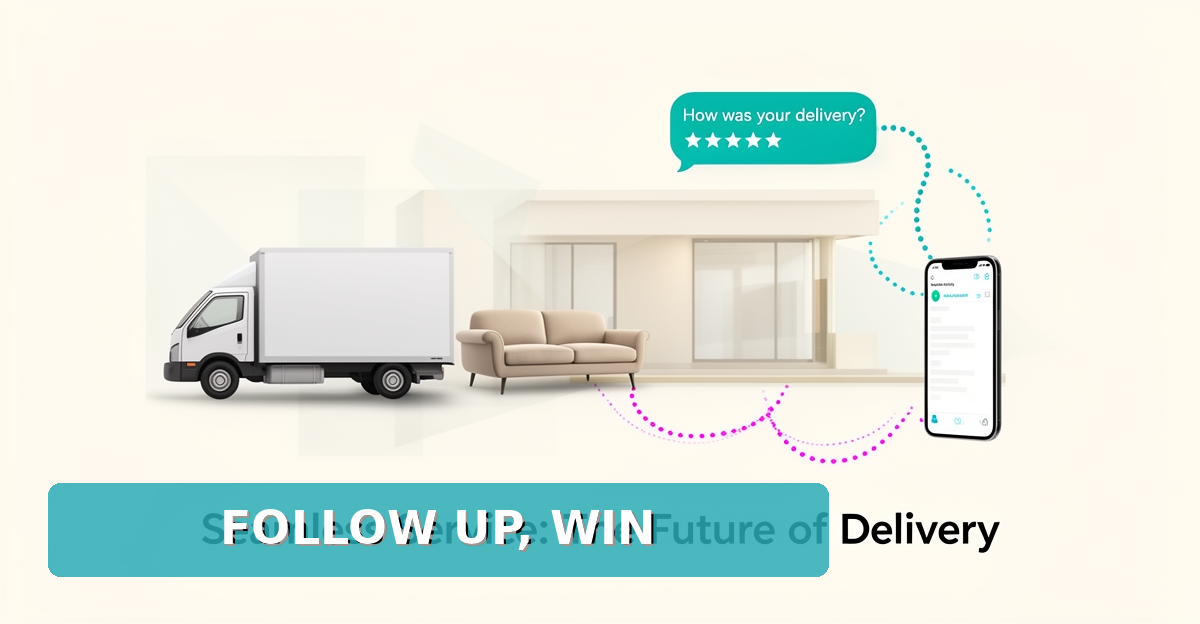
How an AI-Powered Follow-Up System Keeps Furniture Removal Clients Satisfied
Key Facts
- Industry research suggests roughly 80% of new leads never convert into a sale due to slow, shallow, or missing follow-up according to widely cited sales data
- A commonly cited figure holds that 44% of sales reps never follow up with a lead at all per industry research
- Widely referenced sales data indicates most sales require at least five touches to close as reported by Prospeo
- Sales organizations using AI agents have reported productivity lifts in the 25-47% range per Prospeo data
- Medium-sized teams handling 200-500 leads monthly can prevent tens of thousands of dollars in annual revenue leakage with AI follow-up per Folk App research
- AI follow-up messages should be kept under 80-120 words with one clear call-to-action per Folk App best practices
- Marketer adoption of AI in lead follow-up automations has grown sharply since 2024, per industry surveys per Vellum AI research
Hire a team member that works 24/7 — for less than a part-time wage.
AI receptionists, SDRs, dispatchers and 99+ roles. Trained on your business, fully managed.
Not sure where to start? Ask our AI planner
The Hidden Cost of Poor Follow-Up in Furniture Removal
A missed thank-you after a move can cost more than a bad review. It quietly erodes trust, kills referrals, and lets competitors win the next job.
Industry research suggests approximately 80% of new leads never convert into a sale, often because follow-up is slow, shallow, or missing entirely. For furniture removal SMBs juggling 200-500 leads monthly, that gap translates into revenue leakage that can reach tens of thousands of dollars annually. The problem isn’t demand; it’s the follow-up gap.
The data is stark. According to widely cited industry research, 44% of sales reps never follow up with a lead at all, and most sales require at least five touches to close. When the next step isn’t obvious or timely, interest fades fast. Most deals die in the silent middle.
Without systematic post-job outreach, furniture removal businesses lose three compounding benefits:
- Satisfaction signals never get captured, so service issues go unaddressed
- Repeat and referral opportunities expire within days of completion
- Manual follow-up becomes inconsistent across crews and seasons
AI-powered follow-up closes that gap by keeping conversation momentum after the truck leaves. Systems detect completion signals, draft concise messages under 120 words with one clear call-to-action, and schedule them at optimal times. The AI remembers preferences, prior requests, and conversation history, making each touchpoint feel relevant rather than generic.
This is where AI Customer Relationship Management shifts from theory to retention. Automated thank-you notes, feedback requests, and service recommendations arrive while the experience is fresh, reinforcing value and inviting dialogue. For SMBs, the impact is measurable: sales orgs using AI agents have reported productivity lifts in the 25-47% range, and the automation prevents the leakage that drains budgets.
AIQ Labs approaches this through AI Employees that send personalized post-job messages, request feedback, and recommend future services at roughly 80% less cost than a human hire. The result is consistent client care without adding headcount, and a follow-up system that learns from outcomes to improve over time.
Timely follow-up is a retention lever, not an admin task. When it’s automated, personalized, and persistent, furniture removal businesses turn one-time moves into ongoing relationships.
How AI-Powered Follow-Up Systems Solve the Retention Gap
Most furniture removal companies never hear from a client again after the truck pulls away, not because the service was poor, but because follow-up simply never happens. Research suggests 44% of sales reps never follow up at all, and that gap is where repeat business quietly dies.
AI-powered follow-up systems close this gap by automating the touches that busy crews never get to. An AI employee sends a personalized thank-you note within hours of job completion, requests feedback while the experience is still fresh, and recommends future services based on what it already knows about the client. Because most sales require at least five touches to close, these automated touchpoints are what turn a one-time move into a recurring relationship.
The technology works through a disciplined five-step flow: detect engagement signals, decide whether a touch is warranted, draft a short message, schedule it, and log the outcome. Best practice keeps messages under 80–120 words with one clear call-to-action, sent during the client's local working hours. If there's no reply, the system nudges after 24–48 hours, then every 2–3 days, persistence no human team can sustainably deliver.
What separates AI follow-up from generic email blasts is persistent memory. The system references the actual conversation, the client's specific requests, and where they are in the process, making every message feel personal rather than templated. For furniture removal clients, who often have unique access constraints, timing needs, and item inventories, that memory is the difference between a message that lands and one that gets ignored.
The economics are compelling. Sales organizations using AI agents have reported productivity lifts in the 25–47% range, and for teams handling 200–500 leads monthly, automation prevents revenue leakage that can reach tens of thousands of dollars annually. AI employees deliver this around the clock at roughly 80% less cost than a human hire.
This is the model AIQ Labs builds: AI employees that handle post-service follow-up end-to-end, integrating with the CRM and scheduling tools a removal company already uses. Key capabilities include:
- Personalized thank-you notes triggered automatically at job completion
- Feedback requests routed through the client's preferred channel, email, SMS, or messaging apps
- Future service recommendations informed by each client's history and preferences
- Complete logging of every interaction, so no client falls through the cracks
The result is a retention engine that keeps clients satisfied and coming back, without adding a single hour of staff time.
Implementing AI Follow-Up: From Setup to Ongoing Optimization
The difference between a follow-up system that works and one that stalls usually comes down to setup. Get the foundation right, and the automation quietly prevents the revenue leakage that can cost teams handling 200–500 leads monthly tens of thousands of dollars annually. Get it wrong, and even the smartest AI sends messages nobody reads.
Start by centralizing lead capture in your CRM. Every inquiry, booking, and service detail should land in one place, because most teams don't have a sequencing problem, they have a data problem. If contact information is stale or incomplete, even a highly accurate system can't save messages headed to the wrong inbox.
Next, define service level agreements that remove guesswork. The guidance is clear on timing: send confirmation within minutes of inbound interest, nudge after 24–48 hours if there's no reply, then follow up every 2–3 days within local working hours. This matters because interest fades fast when the next step isn't obvious, and most leads never convert when follow-up is slow, shallow, or missing entirely.
Then configure the AI itself with three non-negotiables:
- Keep messages under 80–120 words with one clear call-to-action, personalized with the client's name, service details, and last interaction.
- Schedule sends during the recipient's working hours, never late evenings or weekends.
- Set frequency caps and opt-out checks before launch, messaging compliance violations can run $500–$1,500 per message under TCPA rules, so compliance isn't optional.
- Route ownership correctly so handoffs don't create gaps in communication.
For a furniture removal business, that first touch after job completion might be a short thank-you note referencing the specific items moved, followed a day later by a feedback request. The AI's persistent memory makes each message feel written, not templated, which matters, because over-automated sequences that read like templates get treated like templates.
The final step is the one most businesses skip: review outcomes weekly. Analyze response rates, feedback scores, and conversion metrics, then refine timing, message drafts, and routing. Add periodic data cleanses so deliverability stays high, teams that fix their data foundation have reported results like Snyk's AE team dropping bounce rates from 35–40% to under 5% while pipeline jumped 180%.
This is where a partner model helps. AIQ Labs builds follow-up AI employees under its Start Monthly payment model, setup, training on your business, tool integrations, monitoring, and improvements all included, with the ability to pause or adjust anytime. Rather than stitching together multiple point tools with unpredictable credit-based pricing, the system is built around your actual workflow, and you can graduate to owning it outright when you're ready.
With marketer adoption of AI follow-up automation climbing sharply since 2024, the question isn't whether to automate, it's whether your setup will compound results or quietly leak revenue. A weekly optimization rhythm keeps the system improving long after launch day.
Still paying for 10+ subscriptions that don’t talk to each other?
We build custom AI systems you own outright. No vendor lock-in. Full control.
Not sure where to start? Ask our AI planner
Frequently Asked Questions
Why does follow-up matter so much for furniture removal businesses after the job is done?
How many follow-up touches do I actually need to close a sale?
What does an AI-powered follow-up message look like for furniture removal?
When should I send follow-ups after a move is completed?
Will AI follow-up sound robotic and turn clients off?
How much revenue leakage can poor follow-up cause?
Turning One-Time Moves Into Lasting Relationships
For furniture removal businesses, the real cost isn’t in the move itself, it’s in the silence that follows. When follow-up falls through the cracks, satisfaction goes unmeasured, referrals evaporate, and revenue leaks steadily for teams handling hundreds of leads monthly. AI-powered follow-up changes that by automating timely, personalized touches that reinforce value while the experience is fresh, thank-you notes, feedback requests, and smart service recommendations, all without adding headcount. The result isn’t just happier clients; it’s a retention engine that turns one-time jobs into repeat business and word-of-mouth growth. To see how this works in your workflow, take the two-minute Fit Check and book a free 30-minute strategy call to map your biggest follow-up gap, no obligation, just clarity.
Make AI your competitive advantage — not just another tool.
Strategy, implementation and ongoing optimization. One partner, end to end.
Not sure where to start? Ask our AI planner