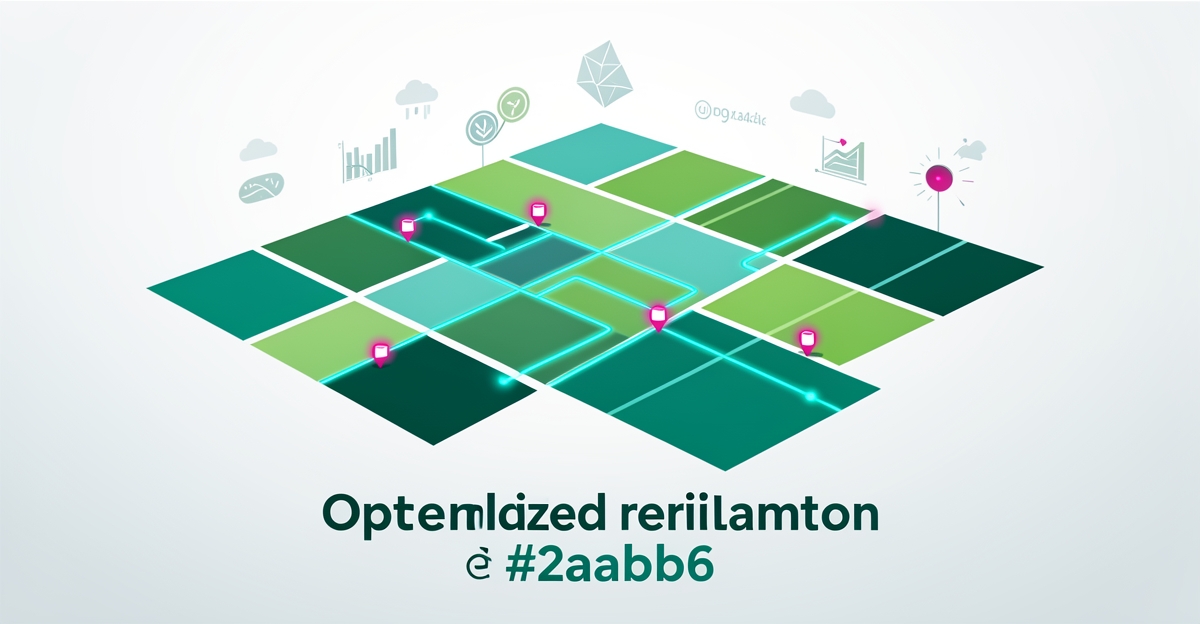
How an AI Service Coordinator Can Manage Multiple Zones and Customer Zones in Fertilization
Key Facts
- AI-driven scheduling typically improves treatment timing versus static route plans by continuously re-prioritizing zones as soil and weather conditions change
- Fertilization windows are narrow and tied to soil temperature, crop cycles, and rainfall, manual scheduling routinely misses them
- Defining zones by geography, soil profile, and seasonal treatment window is the foundation of multi-zone coordination
- Service dependencies (like lime application preceding nitrogen uptake) can be encoded as conditional rules in an AI scheduling engine
- AIQ Labs has deployed 200+ multi-agent systems and runs 4 live SaaS products daily, applying that experience to field service coordination
Hire a team member that works 24/7 — for less than a part-time wage.
AI receptionists, SDRs, dispatchers and 99+ roles. Trained on your business, fully managed.
Not sure where to start? Ask our AI planner
The Multi-Zone Scheduling Problem in Fertilization Services
Fertilization businesses face mounting pressure to serve customers spread across diverse geographic regions while maintaining precise timing for soil treatments. Managing overlapping service zones and seasonal windows manually creates inefficiencies that directly impact service quality and operational costs. Without a centralized system to coordinate these variables, teams struggle to align technician schedules with optimal application periods, leading to missed treatment windows and unnecessary drive time between distant customer zones.
Manual coordination in fertilization services often results in resource misallocation, where crews spend excessive time traveling between non-adjacent zones instead of focusing on productive work. This inefficiency is compounded by seasonal constraints, fertilization must occur within narrow windows tied to soil temperature, crop cycles, and weather patterns. When scheduling relies on spreadsheets or paper-based systems, dispatchers cannot dynamically adjust for real-time changes in soil conditions or unexpected weather delays, causing teams to arrive too early or too late for effective treatment.
The cost of these coordination gaps extends beyond wasted fuel and labor hours. Missed treatment windows reduce crop yield potential and customer satisfaction, while overlapping service zones lead to redundant visits that erode profit margins. AIQ Labs addresses this challenge by building custom AI systems that ingest regional variables, such as local climate data, soil composition, and historical service patterns, to intelligently sequence appointments across customer zones. These systems enable smarter, data-driven scheduling that minimizes overlap, maximizes resource utilization, and ensures treatments occur within optimal seasonal windows, directly improving both operational efficiency and service outcomes.
How Defined Zones Turn Geography into a Manageable System
Managing fertilization routes across scattered properties often feels like juggling invisible boundaries, until someone draws the map. The discipline that makes complex systems manageable everywhere else applies directly here: define the zone, activate it deliberately, control who can change it. That same structure translates cleanly to customer service zones in fertilization.
Nothing in a well-run zone system happens by accident. A zone is either active or it is not, and every change is recorded. Fertilization operations benefit from that binary clarity.
Applying that model to a service business looks like this:
- Define each customer zone by geography, soil profile, and seasonal treatment window, no vague "the north side" boundaries.
- Activate zones deliberately, with a clear reason tied to demand, season, or agronomic readiness.
- Assign permissions so only authorized coordinators can enable, disable, or reprioritize a zone.
- Prioritize zones by rolling out changes fastest where demand is highest.
The permission layer matters as much as the map itself. A fertilization operation needs a clear guardrail: the dispatcher adjusts zones, technicians see them, and no one accidentally rewrites a route mid-season.
This is where purpose-built systems earn their keep. AIQ Labs builds custom AI systems that understand regional variables and service dependencies, enabling smarter, data-driven scheduling across dispersed customer zones. Instead of a static list of addresses, the coordinator works with living zones that can be activated, paused, or reweighted as soil conditions and seasonality shift.
The payoff is planning accuracy. When zones are explicit and permission-controlled, overlap disappears, drive time drops, and every property gets treated inside its optimal window. Geography stops being a source of chaos and becomes a system you can switch on and off with confidence.
Regional Variables and Service Dependencies: The Data Behind Smarter Scheduling
Regional variables fundamentally shape how AI systems allocate resources across fertilization zones, turning complex geographic challenges into data-driven opportunities. Soil composition, moisture retention, and nutrient levels vary significantly even within short distances, requiring dynamic adjustments to service timing and material application that static routing simply cannot accommodate. AIQ Labs' custom AI systems ingest real-time soil sensor data, historical weather patterns, and crop growth cycles to map these micro-variations, ensuring each zone receives precisely calibrated treatments based on its unique agronomic profile rather than generic schedules. This approach eliminates the guesswork that leads to over-application in fertile areas or under-treatment in deficient zones, directly improving yield consistency while reducing input waste.
Seasonality introduces another layer of complexity that AI systems navigate through predictive modeling of growth stages and environmental stressors. By analyzing multi-year phenological data alongside regional climate forecasts, the AI identifies optimal windows for fertilization that align with critical nutrient uptake periods, such as pre-tillering in cereals or fruit set in orchards, while avoiding high-risk windows like heavy rainfall that could cause runoff. Service dependencies further refine this logic: the AI recognizes that certain zones must be serviced before others due to irrigation schedules, equipment access constraints, or sequential treatment requirements (e.g., lime application preceding nitrogen uptake). These dependencies are encoded as conditional rules within the AI's scheduling engine, preventing logistical bottlenecks and ensuring field crews follow the most efficient sequence without manual intervention.
The result is a scheduling system that continuously optimizes for both agronomic precision and operational flow. By dynamically re-prioritizing zones based on evolving conditions, such as a sudden drought shifting priority to moisture-retentive soils or an early warm front accelerating growth cycles, the AI ensures resources are always directed where they deliver maximum agronomic return. This adaptive capability transforms fertilization from a reactive, calendar-based task into a proactive, data-informed process that scales efficiently across hundreds of dispersed customer zones while maintaining strict adherence to regional variables and service dependencies. To explore how AI-driven scheduling can optimize your field service operations, start the fit check at https://aiqlabs.ai/apply, then schedule a free 30-minute strategy call at https://aiqlabs.ai/book to map your specific automation opportunities.
Implementing an AI Service Coordinator in Your Fertilization Business
Implementing an AI service coordinator in your fertilization business starts with clearly defining zone boundaries and customer zones to eliminate service overlap and optimize resource allocation. AIQ Labs builds custom AI systems that understand regional variables and service dependencies, enabling smarter, data-driven scheduling across geographically dispersed clients. This foundational step ensures the AI coordinator can accurately track service areas, assign crews based on soil conditions and seasonal timing, and prevent duplicate visits or missed applications.
Access control and role-based permissions are critical when deploying the AI coordinator across teams and zones. Only authorized personnel should be able to modify zone configurations or access sensitive scheduling data. Role-based access lets businesses tailor permission levels, for example, granting dispatchers visibility into zone schedules while restricting financial data to managers. This mirrors the principle of least privilege, where users receive only the access needed to perform their specific functions within the AI-enhanced workflow.
Integration with existing CRM and scheduling tools follows a structured rollout process. The AI coordinator syncs with platforms like HubSpot, Salesforce, or Google Calendar, ensuring real-time updates across customer data, crew availability, and service timelines. The AI system continuously learns from performance data to refine routing, predict optimal treatment windows, and adjust for regional variables such as rainfall patterns or soil pH fluctuations.
Choosing the right engagement model aligns implementation with business readiness and scalability goals. AIQ Labs offers three paths: Start Monthly for a low-risk entry with a flat monthly fee covering build, training, integrations, monitoring, and improvements, ideal for testing the AI coordinator in a single zone; Build in Milestones for phased deployment of zone management capabilities, allowing approval and payment per completed phase; or Own It Outright for full ownership of a custom AI operating system that manages all zones, customer data, and service dependencies. Each model includes the Fit Check and free strategy call as the entry point, where businesses can assess their current systems, identify high-ROI automation opportunities, and map a strategic implementation plan without obligation. This approach ensures the AI service coordinator evolves with the business, delivering sustained value in planning accuracy, resource efficiency, and customer satisfaction. Learn more about the entry points at AIQ Labs' AI Employees and Workflow Builds, or review pricing models before applying.
Still paying for 10+ subscriptions that don’t talk to each other?
We build custom AI systems you own outright. No vendor lock-in. Full control.
Not sure where to start? Ask our AI planner
Frequently Asked Questions
How does an AI service coordinator prevent scheduling overlaps in fertilization services?
Who can change zone configurations in AIQ Labs' system?
Can zones be turned on and off as conditions change?
How does AI improve treatment timing in fertilization compared to static scheduling?
What regional variables does an AI service coordinator use to optimize fertilization schedules?
How does AI handle service dependencies between fertilization zones?
Turning Geographic Chaos into Coordinated Clarity
Managing fertilization across scattered zones doesn't have to mean guessing at timing or battling overlapping routes. By treating customer zones as defined, permission-controlled territories, activated deliberately, prioritized by demand, and adjusted in real time based on soil conditions and seasonality, fertilization businesses can eliminate wasted drive time, prevent missed treatment windows, and ensure every application hits its optimal window. This approach transforms geography from a scheduling headache into a manageable system where resources flow efficiently and service outcomes improve consistently. To see how this level of precision could work for your specific operations, start with the free Fit Check to assess your current challenges, then schedule a no-obligation strategy call to map your highest-impact automation opportunities.
Make AI your competitive advantage — not just another tool.
Strategy, implementation and ongoing optimization. One partner, end to end.
Not sure where to start? Ask our AI planner