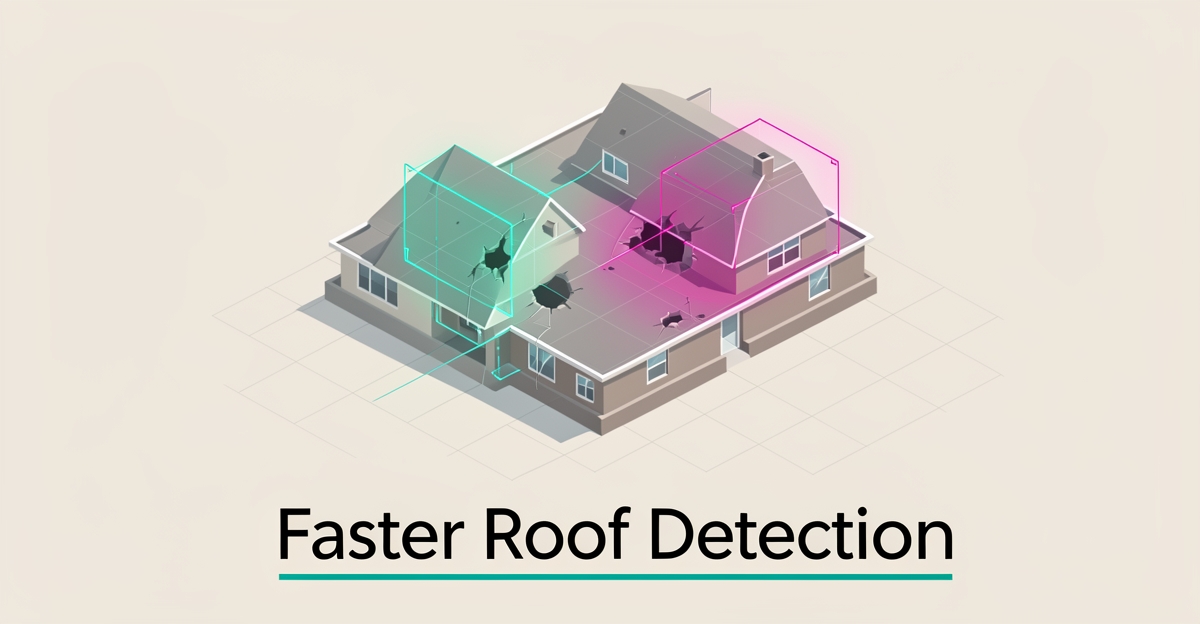
How an AI Technician Can Identify Roof Damage Faster Than a Human Inspectors
Key Facts
- AI image analysis can flag common roof damage patterns in minutes, before an on-site visit is scheduled
- Manual inspection reports typically take hours to write; AI-assisted drafting typically cuts that dramatically
- AI catches damage patterns consistently, without fatigue or rush
- High-quality input images are critical for AI analysis accuracy in roof inspections
- Human inspectors validate AI findings to ensure completeness and accuracy
- AI pre-screening helps prioritize the most urgent sites, reducing unnecessary trips
Hire a team member that works 24/7 — for less than a part-time wage.
AI receptionists, SDRs, dispatchers and 99+ roles. Trained on your business, fully managed.
Not sure where to start? Ask our AI planner
How AI Analyzes Roof Damage Faster and More Consistently
Modern computer vision models can identify common damage signatures, missing or lifted shingles, hail impact patterns, ponding water, debris accumulation, from high-quality imagery. Where a human inspector works one roof at a time, an AI system can process a batch of property images in minutes and rank them by likely severity.
Two things make this faster than a human-only workflow:
- Speed at scale. AI reviews imagery in seconds per property and never gets tired, rushed, or distracted the way a person on their tenth inspection of the day can.
- Consistency. The same damage pattern gets flagged the same way every time, which makes reports easier to compare and defend.
That said, AI is a pre-screening tool, not a replacement. Image quality drives analysis quality, and context, installation quality, weather history, material age, still needs a human eye. The teams getting the best results pair AI triage with experienced inspectors who validate findings on site.
Integrating AI Into Your Existing Roofing Workflow
You don't need to rebuild your operation to benefit. The practical path is to find the one workflow that costs you the most, usually intake and triage, and rebuild just that piece. Capture high-quality roof images, run them through AI analysis, have a human review the flags, then generate the report with inspector notes attached.
That's exactly the kind of single-workflow rebuild we handle with [AI Workflow Builds](/workflow-builds): fixed price, phased, plugged into the tools you already use. If you want AI handling the intake calls, scheduling, and follow-ups around those inspections as well, an [AI Employee](/ai-employees) can cover the front office while your crews stay in the field. And for operations ready to connect inspections, dispatch, and reporting into one system, [AI Operating Systems](/ai-operating-systems) build that layer in phases you own outright.
Still paying for 10+ subscriptions that don’t talk to each other?
We build custom AI systems you own outright. No vendor lock-in. Full control.
Not sure where to start? Ask our AI planner
Frequently Asked Questions
How much faster is an AI roof inspection compared to doing it manually?
Can AI really spot roof damage as accurately as a human inspector?
Do I still need a human inspector if I use AI for roof checks?
What makes AI roof inspections safer?
What's the biggest limitation of AI roof inspections?
How does the AI inspection process actually work?
From Faster Flags to Fewer Site Visits
AI doesn't replace the technician on the roof, it gets them there smarter. By analyzing photos, inspection reports and weather data before a visit, AI can flag potential damage patterns early, prioritize the most urgent sites, and give crews a clearer picture of what to expect. That means fewer unnecessary on-site visits, faster triage, and more accurate repairs the first time around. Human review remains essential for context and validation, but the combination of AI pre-screening with experienced inspectors raises both speed and consistency. If you're running inspections today, the practical next step is to map where delays and repeat visits happen in your workflow and test AI pre-analysis on that single bottleneck. Teams looking to integrate this kind of real-time decision support can start with a focused workflow build that plugs into existing tools. Start the Fit Check at https://aiqlabs.ai/apply for a free 30-minute strategy call to map your biggest inspection bottleneck and see if a custom AI system makes sense for your operation.
Make AI your competitive advantage — not just another tool.
Strategy, implementation and ongoing optimization. One partner, end to end.
Not sure where to start? Ask our AI planner