How an AI Technician Can Reduce Floor Preparation Errors with Real-Time AI Guidance
Key Facts
- AI tools can flag discrepancies between project specifications and technical requirements in minutes rather than hours, trimming significant time off estimator and prep workflows
- AI-powered quality inspection systems can achieve high accuracy when properly trained with good input data, as demonstrated in industrial implementations
- Teams that integrate AI as an enhancement tool, rather than a replacement for skilled technicians, typically see the largest reductions in preparation errors
- AI systems can cross-check substrate moisture readings against manufacturer tolerances for specific adhesives, preventing costly rework before installation begins
- AI can identify complex pattern layout misalignments with room dimensions before the first plank or tile goes down
- Real-time AI guidance delivers actionable feedback directly to technicians' devices during installation, minimizing reliance on memory or paper checklists
Hire a team member that works 24/7 — for less than a part-time wage.
AI receptionists, SDRs, dispatchers and 99+ roles. Trained on your business, fully managed.
Not sure where to start? Ask our AI planner
The Hidden Cost of Floor Preparation Errors
Floor preparation errors create a cascade of costly consequences that extend far beyond the initial mistake. When technicians misinterpret floor plans or overlook material specifications, rework becomes inevitable, consuming labor hours that could have been spent on new projects. Material waste compounds the problem, as incorrect cuts or incompatible adhesives render expensive flooring unusable. Perhaps most damaging are schedule delays, where a single prep error can halt an entire crew while corrections are made, pushing back downstream trades and triggering penalty clauses in tight construction timelines. These hidden costs erode profitability faster than most contractors realize, turning what seemed like a minor oversight into a significant financial drain.
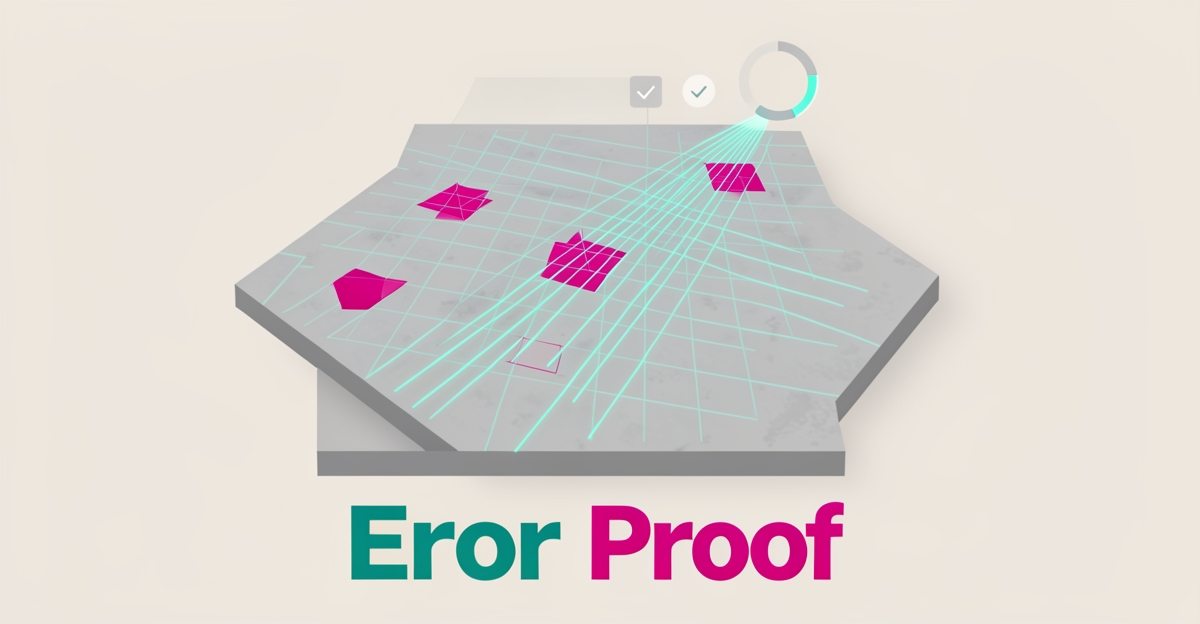
AI guidance systems directly address these pain points by analyzing floor plans, material specs, and environmental conditions in real time to prevent errors before they occur. By processing large amounts of data instantly, these tools can identify discrepancies between project specifications and actual site conditions that human teams might miss during busy installation days. For instance, AI can detect when a substrate moisture level exceeds manufacturer tolerances for a specific adhesive, or when a complex pattern layout won't align with room dimensions, alerting technicians to adjust their approach immediately. This proactive analysis transforms floor preparation from a reactive process prone to human oversight into a precision operation guided by continuous data validation.
The impact of real-time intervention is measurable. AI tools can flag discrepancies between project specifications and technical requirements in minutes rather than hours, attacking the root causes of prep errors before crews mobilize. AI-powered quality inspection systems, when properly trained with good data, have demonstrated high accuracy in catching installation flaws before they become costly rework. When integrated into workflows as enhancement tools rather than replacements, this technology lets skilled technicians pair their expertise with AI-driven precision, combining human judgment and machine analysis to substantially cut preparation errors. This isn't about automating craftsmanship; it's about augmenting it with intelligent safeguards that protect both quality and schedule integrity.
How Real-Time AI Guidance Prevents Mistakes on Site
On-site mistakes during floor preparation often stem from misinterpreting plans, overlooking material compatibility, or underestimating environmental impacts, errors that compound into costly rework. AI guidance prevents these by continuously analyzing live conditions against project specifications and historical data to flag inconsistencies before installation begins.
AI systems process floor plans, material specs, and real-time sensor inputs to detect scope gaps and constructability issues in minutes rather than hours, directly supporting estimator workflows. By identifying discrepancies between project requirements and technical data sheets, they enable faster, more accurate bid preparation and reduce the risk of change orders mid-project.
- Analyzes floor plans against material specifications to catch compatibility issues early
- Flags environmental risks like moisture levels or temperature swings that affect adhesion
- Compares installation sequences with warranty requirements to prevent voided guarantees
- Generates instant RFIs when specs don't match constructability
- Alerts crews to deviations from approved layouts in real time
By delivering actionable, context-aware guidance directly to technicians' devices, AI reduces reliance on memory or paper checklists, minimizing human error in dynamic site conditions. This real-time feedback loop ensures that corrective actions happen during installation, not after, cutting rework rates significantly. AI tools excel at processing large datasets to provide consistent, unbiased analysis, helping teams avoid mistakes that even experienced professionals might make due to fatigue or assumption.
AIQ Labs builds custom systems that embed this guidance into the installation workflow, ensuring accuracy and consistency without disrupting established practices. The technology enhances human expertise by handling data-intensive cross-referencing, allowing skilled tradespeople to focus on precision execution. When properly implemented, such systems create a proactive error prevention layer that transforms floor preparation from a reactive process into a controlled, predictable operation.
Systematic Implementation for Flooring Teams
Flooring teams looking to cut preparation errors need a proven, step-by-step approach that mirrors industrial best practices. AIQ Labs adapts this methodology specifically for installation workflows, starting with pinpointing the exact problems bleeding time and materials, like mismatched specifications or environmental miscalculations, before any technology is deployed. This focus ensures efforts target the highest-impact areas where AI guidance delivers measurable returns.
The next step involves auditing data readiness: confirming floor plans, material specs, and environmental readings are digitized and accessible, since AI systems fail without quality input data. Teams then establish on-site processing infrastructure to deliver guidance in real time, avoiding the latency issues that cloud-dependent solutions can face during active installation. This localized setup enables instant feedback when technicians need it most.
A shadow pilot phase follows, where AI guidance runs alongside experienced crews without influencing decisions, allowing teams to compare recommendations against expert judgment and refine accuracy based on real-world conditions. Only after validating performance is the system integrated into daily procedures. This systematic progression minimizes risk while building confidence in the technology's reliability, setting the stage for scalable, consistent error reduction across projects.
Building an AI Technician with AIQ Labs
Floor preparation errors remain a persistent challenge in commercial flooring, often stemming from misinterpreted specifications or overlooked environmental factors. AIQ Labs addresses this through AI Workflow Builds, rebuilding the one workflow that costs you the most, at a fixed price and in phases, so crews get real-time guidance during installation without a disruptive rip-and-replace of how they already work.
AI-powered quality inspection systems can achieve high accuracy when properly trained with good data, making them well suited to detecting subtle installation deviations that human eyes might miss. By processing large amounts of project data quickly, AI tools can identify inconsistencies between technical requirements and actual site conditions, providing unbiased analysis that supports better decision-making. This capability allows technicians to correct course in real time, reducing the likelihood of errors that lead to delays or material waste.
The implementation follows a proven industrial approach: starting with a data readiness audit, establishing on-site processing for low-latency feedback, and running shadow pilot tests to validate accuracy before full deployment. AIQ Labs develops these systems using multi-agent architectures, 200+ multi-agent systems deployed to date, ensuring they are scalable, reliable, and owned outright by the client. With payment models like Start Monthly, Build in Milestones, or Own It Outright, businesses can adopt AI guidance without upfront complexity or vendor lock-in. Ready to see if it fits? Take the two-minute Fit Check, then book a free 30-minute strategy call to map your first workflow.
Still paying for 10+ subscriptions that don’t talk to each other?
We build custom AI systems you own outright. No vendor lock-in. Full control.
Not sure where to start? Ask our AI planner
Frequently Asked Questions
How much can AI guidance reduce floor preparation errors?
What specific ways does real-time AI guidance prevent mistakes during floor installation?
Will AI replace skilled flooring technicians or just assist them?
How does AI help estimators save time during the bidding process?
What is the first step in implementing AI guidance for flooring teams?
Why is on-site processing important for AI guidance on installation sites?
Make AI your competitive advantage — not just another tool.
Strategy, implementation and ongoing optimization. One partner, end to end.
Not sure where to start? Ask our AI planner