How an AI Technician Coordinator Can Optimize Cleaning Route Efficiency
Key Facts
- Skilled trades have faced persistent, well-documented labor shortages in recent years, with retirements outpacing new entrants
- Cleaning and field service businesses compete with electricians, plumbers, and other trades for the same limited labor pool
- Dispatchers managing dozens of open service calls must balance many hard and soft constraints at once, certifications, proximity, job complexity, time windows
- Modern AI systems can evaluate those constraints in seconds rather than hours
- AI adoption in customer-facing operations has become standard practice across most service industries as of late 2026
- Field service automation reduces manual errors and improves response times
Hire a team member that works 24/7 — for less than a part-time wage.
AI receptionists, SDRs, dispatchers and 99+ roles. Trained on your business, fully managed.
Not sure where to start? Ask our AI planner
The Hidden Cost of Inefficient Cleaning Routes
Manual route planning quietly drains cleaning operations every day. Dispatchers juggle spreadsheets, memory, and last-minute calls while fuel burns and technicians sit idle between jobs.
The cost shows up in missed windows, overtime, and churn. Skilled trades have faced persistent labor shortages in recent years, driven by retirements outpacing new entrants. Cleaning services compete with electricians, plumbers, and other trades for the same limited labor pool, which makes every wasted technician hour more expensive than it used to be.
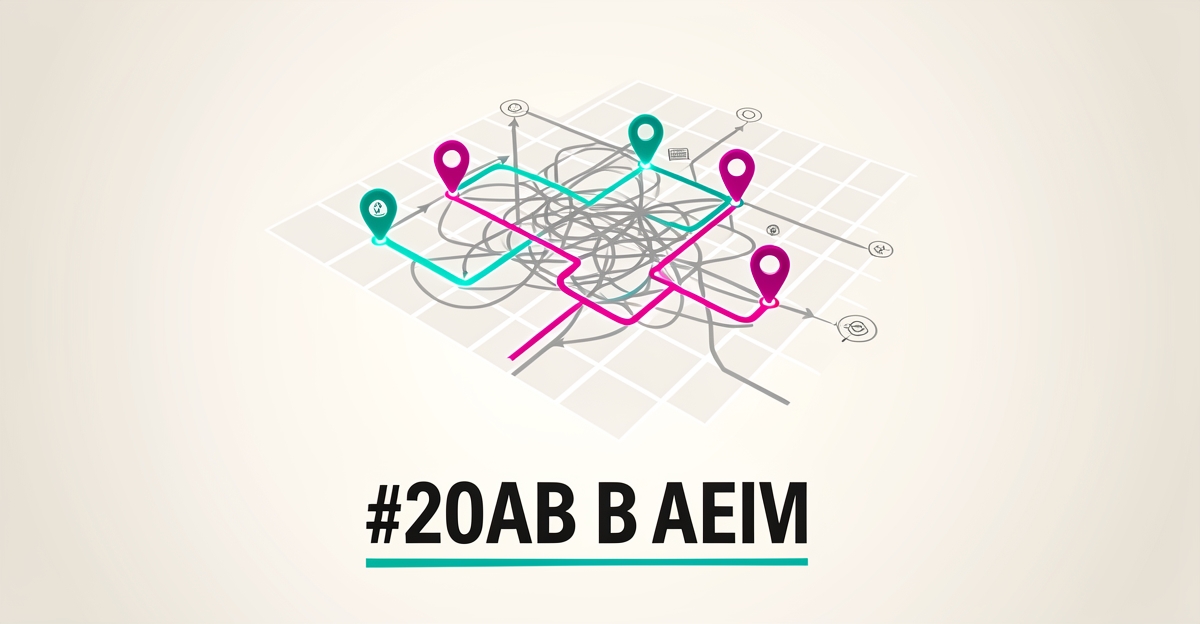
When routes are built by hand, productivity leaks across the day. Dispatchers managing dozens of open service calls must balance many hard and soft constraints at once, from certifications to proximity to job complexity. AI changes the underlying logic of dispatch entirely, it doesn't just speed up scheduling.
Inefficient routing creates compounding waste:
- Extra drive time increases fuel costs and vehicle wear
- Back-to-back gaps reduce billable hours per technician
- Late arrivals erode customer satisfaction and retention
- Manual rework pulls dispatchers away from proactive service
Fuel and time losses are visible, but the hidden drain is technician productivity. Every unnecessary mile is non-revenue time, and every late arrival risks a lost account. Manual route planning forces teams to choose between speed and accuracy, often getting neither.
Field service automation helps streamline operations, improve efficiency, and enhance customer satisfaction by automating scheduling, dispatching, and tracking. The consistent result is fewer manual errors, faster response times, and higher productivity when workflows are automated.
AI can analyze historical data and traffic patterns to recommend optimal cleaning routes, taking into account technician skills, certifications, proximity, job complexity, and customer history. This moves dispatch from reactive firefighting to predictive coordination.
For service-based businesses, the operational drain is measurable in hours lost per week and customers not served. AIQ Labs builds [custom workflow systems](/workflow-builds) that analyze historical data and traffic patterns to recommend optimal cleaning routes, reducing fuel costs and improving technician productivity through practical automation.
AI adoption in customer-facing operations has become standard practice across most service industries as of late 2026. Cleaning operations can apply the same principle to routes, turning a manual bottleneck into a productivity engine.
How AI Analyzes Data to Optimize Routes
The difference between a dispatcher juggling spreadsheets and an AI coordinator isn't just speed, it's the ability to process dozens of competing variables simultaneously to find the mathematically optimal solution. Modern AI systems can evaluate dozens of hard and soft constraints in seconds, transforming how cleaning businesses approach daily scheduling.
At its core, AI route optimization relies on pattern recognition across large datasets. The system ingests historical job durations, traffic flow patterns, and technician performance metrics to identify inefficiencies invisible to human planners. Rather than simply calculating the shortest distance between points, the AI weighs multiple factors simultaneously, technician certifications, equipment requirements, customer time windows, and even real-time traffic conditions, to generate routes that minimize drive time while maximizing billable hours.
This capability becomes critical when considering the labor market context. With skilled trades labor tightening year over year, cleaning businesses cannot afford to waste technician time on inefficient routing. The AI coordinator addresses this by analyzing several key data vectors:
- Historical performance data: How long specific job types actually take versus estimates
- Geographic clustering: Grouping appointments by proximity to reduce windshield time
- Skill-based matching: Assigning technicians based on certifications and past job success rates
- Dynamic constraints: Real-time traffic, weather conditions, and last-minute cancellations
The sophistication extends beyond simple proximity matching. Advanced assignment algorithms can cross-reference job requirements against real-time resource availability, for instance, ensuring that a technician with specific cleaning equipment or supplies is dispatched to jobs requiring those exact resources, not just the closest available worker. This mirrors the multi-agent orchestration approach AIQ Labs uses, where specialized AI systems collaborate to solve complex logistical puzzles that would overwhelm manual processes. With 200+ multi-agent systems deployed, that approach is well proven in the field.
Unlike static routing software, these AI systems continuously learn and adapt. When a technician completes a job early or a customer reschedules, the AI instantly recalculates the entire day's route for remaining appointments, maintaining optimization even as conditions change. This dynamic recalibration represents a fundamental shift from reactive dispatching to predictive coordination, ensuring that cleaning businesses extract maximum value from every hour their technicians spend on the road.
Implementation: From Manual Dispatch to AI-Coordinated Teams
Transitioning from manual dispatch to an AI-coordinated operation is less about flipping a switch and more about following a deliberate, phased approach. Businesses that treat implementation as a strategic initiative, rather than a software install, see the fastest returns in fuel savings and technician productivity.
The first step is data preparation. An AI coordinator is only as effective as the information it learns from, so cleaning businesses need to consolidate historical job records, technician schedules, service locations, and route logs into a clean, accessible format. Modern systems evaluate dozens of hard and soft constraints, including technician skills, certifications, proximity, and job complexity, before making a single dispatch decision. That level of analysis is impossible without well-organized underlying data.
Next comes system integration. The AI coordinator must connect with the tools your team already uses: scheduling platforms, CRM software, GPS tracking, and communication channels. Automating scheduling, dispatching, and tracking reduces manual errors and improves response times across the board. Deep two-way integrations ensure that when a job is booked, the AI can immediately factor it into route plans without human intervention.
Change management is the third pillar, and often the most underestimated. Dispatchers and technicians need to understand how the AI makes decisions and where their judgment still matters. AI adoption has normalized rapidly across frontline service operations as of late 2026, and teams adapt fastest when expectations are set early. Clear communication prevents resistance and builds trust in the system.
A practical implementation roadmap typically follows these stages:
- Audit and clean historical scheduling, route, and job data
- Integrate the AI coordinator with existing CRM, dispatch, and GPS tools
- Train dispatchers and technicians on new workflows and escalation protocols
- Run a pilot phase on a subset of routes before full deployment
- Monitor KPIs like fuel spend, jobs per day, and on-time arrival rates
The measurable outcomes justify the effort. AI-driven route optimization directly reduces fuel costs by minimizing unnecessary drive time, while smarter job sequencing allows technicians to complete more appointments per shift. With skilled trades labor tightening, squeezing more productivity from existing teams is not just an efficiency play, it is a competitive necessity.
AIQ Labs structures this kind of implementation as a [phased workflow build](/workflow-builds): start with the one workflow that costs the most, like dispatch, rebuild it at a fixed price, and expand once the results are proven. That approach limits risk while delivering measurable ROI from day one. For cleaning businesses ready to move beyond spreadsheets and phone calls, the path from manual dispatch to AI-coordinated teams is shorter than most expect.
Still paying for 10+ subscriptions that don’t talk to each other?
We build custom AI systems you own outright. No vendor lock-in. Full control.
Not sure where to start? Ask our AI planner
Frequently Asked Questions
Will an AI technician coordinator actually save us fuel and drive time?
Can AI really handle all the constraints we juggle when dispatching?
Do we need perfect data before we can start using AI for routes?
Isn't there a labor shortage that makes route efficiency urgent?
How hard is it to switch from manual dispatch to AI?
Will my dispatchers and technicians resist using an AI coordinator?
Turn Route Chaos into Competitive Advantage
Inefficient cleaning routes silently erode profitability through wasted fuel, idle technician time, and missed service windows, problems that compound as skilled labor grows scarcer. By shifting from manual dispatch to AI-powered coordination, cleaning businesses can simultaneously reduce drive time, increase billable hours per technician, and improve on-time arrival rates, all while working within existing workforce constraints. The real opportunity lies not just in saving costs, but in transforming a daily operational headache into a scalable productivity engine that protects customer retention and prepares for future growth. To see how this applies to your specific routes and technician workflows, start with a free [two-minute Fit Check](/apply) to identify your highest-impact automation opportunity, no obligation, just clarity on where AI can deliver measurable ROI for your cleaning operation.
Make AI your competitive advantage — not just another tool.
Strategy, implementation and ongoing optimization. One partner, end to end.
Not sure where to start? Ask our AI planner