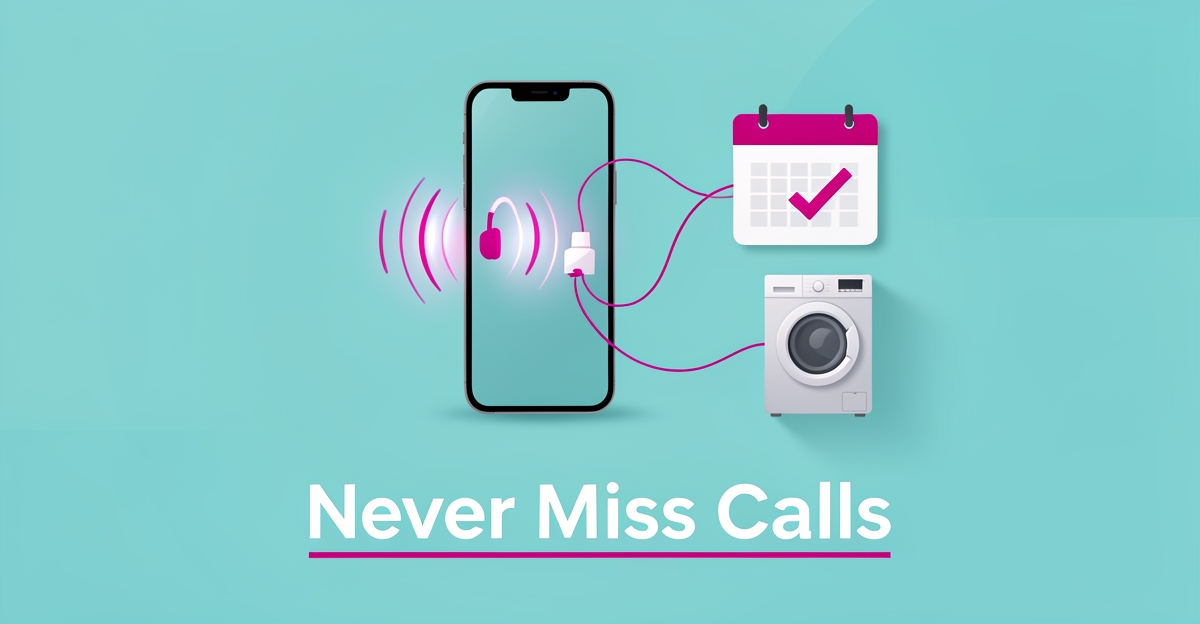
How an AI Voice Receptionist Can Improve First Contact Experience in Dryer Vent Cleaning
Key Facts
- A significant share of calls to home services businesses go unanswered, industry analyses commonly cite figures above 60%.
- Even a modest call volume means dozens of missed calls per month for a typical contractor.
- Missed calls can translate to tens of thousands of dollars in annual lost revenue, depending on job value and call volume.
- Modern AI receptionists typically resolve the large majority of routine calls without human escalation.
- Most organizations now use AI in at least one business function, and adoption continues to grow as of late 2026.
- Some AI receptionist platforms support 30+ languages, expanding customer reach.
Hire a team member that works 24/7 — for less than a part-time wage.
AI receptionists, SDRs, dispatchers and 99+ roles. Trained on your business, fully managed.
Not sure where to start? Ask our AI planner
The Missed Call Crisis in Dryer Vent Cleaning
The first contact with a dryer vent cleaning service often determines whether a homeowner chooses to book an appointment or look elsewhere. Yet many businesses struggle to make that initial interaction count, especially when calls go unanswered during peak demand or after hours. Industry analyses commonly report that a majority of calls to home services businesses go unanswered, a gap that directly impacts lead conversion and customer trust. For a typical contractor, that can mean dozens of missed calls every month, and each one is a job that likely went to a competitor. Depending on job value and call frequency, the annual revenue left on the table can reach into the tens of thousands of dollars.
This gap in responsiveness is particularly problematic in dryer vent cleaning, where urgency drives many inquiries. Homeowners may call outside standard business hours after noticing warning signs like longer drying times or overheating machines, only to reach voicemail or no answer at all. When calls aren't answered promptly, potential customers often move on to competitors who are available, leading to immediate revenue loss and long-term damage to brand reputation. The challenge isn't just volume, it's timing and consistency. Traditional staffing models can't reliably cover evenings, weekends, or holidays without incurring substantial overtime costs, leaving businesses vulnerable during high-intent moments.
An AI voice receptionist addresses these challenges by providing 24/7 availability and intelligent call handling without the limitations of human staffing. Unlike voicemail or limited-hour front desks, an AI receptionist greets every caller immediately, understands natural language inquiries, and can perform essential functions like answering common questions about service areas, pricing, or scheduling needs. It can confirm appointments, collect necessary details such as vent location or accessibility concerns, and route calls to the appropriate technician based on urgency or specialization. This ensures that even complex inquiries are handled efficiently, reducing the need for human intervention while maintaining a professional, consistent experience.
- Answers calls instantly, eliminating wait times and voicemail frustration
- Qualifies leads by gathering service needs, location, and preferred timing
- Routes calls to the right technician or schedules appointments directly
- Provides multilingual support to serve diverse customer bases
- Logs call summaries and transcripts for follow-up and quality assurance
By integrating with existing scheduling and CRM systems, an AI voice receptionist ensures that every interaction is captured and actioned, turning what would be a missed call into a qualified lead or confirmed booking. This capability is especially valuable for dryer vent cleaning businesses aiming to improve first contact experiences without expanding their administrative burden. AIQ Labs delivers fully managed AI Employees tailored to the tone, terminology, and operational needs of the vent cleaning industry, ensuring that automation enhances, rather than replaces, the human touch where it matters most.
How AI Voice Receptionists Transform First Contact
The moment a potential customer dials your number, the clock starts ticking on their experience. In dryer vent cleaning, where urgency often drives the call, that first interaction determines whether they book with you or move to the next listing.
Most organizations now use AI in at least one business function, and modern AI receptionists typically resolve the large majority of routine calls without human escalation. As of late 2026, this shift isn't theoretical, it's already reshaping how field service businesses handle inbound demand.
- 24/7 availability that captures every call, even on weekends and holidays when fire-risk concerns spike
- Immediate response with zero hold time, eliminating the frustration that drives callers to hang up and dial the next listing
- Intelligent lead qualification that gathers service details, location, and urgency before routing to the right technician
- Automated scheduling integrated directly with your calendar, so appointments confirm instantly without back-and-forth
- Multilingual support across dozens of languages, expanding your reach in diverse service areas
These capabilities translate directly to revenue protection. Every missed call is a job that likely went elsewhere, and depending on your average ticket and call volume, that can add up to tens of thousands of dollars a year. An AI voice receptionist answers every single one.
AIQ Labs deploys fully managed AI voice agents trained specifically for the vent cleaning industry, handling common questions, confirming appointments, and routing emergency calls to on-call technicians. The system integrates with your existing scheduling tools and CRM, so every interaction feeds your workflow without manual entry. You get enterprise-grade first contact without the enterprise overhead.
Core Capabilities That Matter for Vent Cleaning Businesses
First contact sets the tone for the entire service job, and for dryer vent cleaning businesses the cost of a missed call is immediate lost revenue. An AI voice receptionist is built to own that moment with natural conversation, instant routing, and 24/7 availability.
Natural language processing lets the agent understand caller intent without rigid scripts. Speech-to-text and text-to-speech enable seamless, human-like dialogue, while automated FAQs answer common questions about pricing, service areas, and safety risks on the spot. Call summaries and transcriptions create a record for dispatch and follow-up, reducing errors and preserving context.
Integration is where the first contact converts to booked work. The receptionist connects to CRM and scheduling systems to confirm appointments in real time, qualify leads by service need and location, and route calls to the right technician. Multilingual support removes language barriers, with some platforms supporting 30+ languages.
AIQ Labs deploys fully managed AI voice agents tailored to the tone and needs of the vent cleaning industry, handling intake, confirmation, and routing as a dedicated team member.
The contrast with a traditional receptionist is stark:
- Availability: limited to business hours versus 24/7 coverage
- Cost: salary and benefits versus a flat monthly plan that typically runs far below the cost of a human hire
- Scalability: difficult to scale quickly versus highly scalable
- Consistency: varies by individual versus consistent responses on every call
Home services businesses lose significant volume to unanswered phones, industry analyses commonly put the share of unanswered calls above 60%. Modern AI receptionists resolve the large majority of routine calls without human escalation, keeping the line open after hours and on weekends.
Response time becomes immediate rather than variable, and consistency improves across every caller. The system also captures data for each interaction, feeding cleaner records into dispatch and marketing.
For vent cleaning companies, that means fewer missed emergencies, faster confirmations, and a professional first impression that builds trust before the truck arrives.
Deploying a Managed AI Receptionist with AIQ Labs
Dryer vent cleaning businesses lose revenue every time a call goes to voicemail. With a majority of home service calls going unanswered, missed first contact is a direct hit to bookings and reputation.
Deploying a managed AI receptionist closes that gap with a voice agent built specifically for vent cleaning workflows. AIQ Labs delivers a done-for-you AI Employee that answers 24/7, qualifies service needs, confirms appointments, and routes to the right technician, with no vendor lock-in.
The model is tone-tailored from day one. The voice agent is trained on your scripts, service areas, pricing cues, and dispatch rules so callers hear a consistent brand voice. Natural language understanding handles common questions about cleaning time, safety risks, and scheduling, while the large majority of routine calls are resolved without human escalation.
24/7 availability captures the calls that matter most. Every after-hours and weekend call that currently goes to voicemail is a job another company books instead. An always-on receptionist eliminates those gaps while improving response time and customer satisfaction.
Implementation stays practical and managed. AIQ Labs builds, trains, integrates, and optimizes the agent as a managed AI Employee under the Start Monthly model. Build, training on your business, tool integrations, monitoring, and improvements are included, with the ability to pause or adjust anytime.
Core capabilities deployed for vent cleaning teams include:
- Tone-tailored voice answering with 24/7 availability and multilingual support
- Intelligent call routing and technician dispatch based on location and availability
- Automated appointment confirmation, rescheduling, and reminder calls
- Lead qualification and message prioritization for urgent service requests
Integration connects the agent to calendars, CRM, and dispatch systems so bookings flow directly into your operation. Call summaries and transcriptions create a record for follow-up, while continuous optimization refines responses based on real call data.
This is done-for-you build and ongoing management, not a subscription widget. You own what is built, avoid vendor lock-in, and get voice AI backed by 200+ deployed multi-agent systems. The result is faster first contact, fewer missed opportunities, and a professional experience that holds across every call.
Still paying for 10+ subscriptions that don’t talk to each other?
We build custom AI systems you own outright. No vendor lock-in. Full control.
Not sure where to start? Ask our AI planner
Frequently Asked Questions
How many calls do dryer vent cleaning businesses actually miss, and what does it cost?
Can an AI receptionist really handle my customers' questions without a human?
Will an AI receptionist work after hours and on weekends?
How much does an AI receptionist cost compared to hiring a person?
Does the AI receptionist integrate with my scheduling and CRM systems?
Will my customers know they're talking to an AI, and will it hurt my brand?
Turn Every Ring Into Revenue: Your Next Steps for AI-Powered First Contact
The first ring of the phone represents a critical revenue moment for dryer vent cleaning businesses, yet a majority of home service calls go unanswered, translating to significant annual losses. An AI voice receptionist transforms this vulnerability into a competitive advantage by ensuring 24/7 availability, intelligent lead qualification, and seamless appointment scheduling, all while maintaining the professional, consistent experience that builds immediate trust with homeowners facing urgent vent issues. AIQ Labs delivers fully managed AI Employees tailored specifically to the vent cleaning industry, handling everything from multilingual inquiries to emergency dispatch without the overhead of traditional staffing. If you're ready to stop losing jobs to missed calls and start converting every inquiry into a booked appointment, begin with the two-minute Fit Check at https://aiqlabs.ai/apply, followed by a free 30-minute strategy call to map your specific automation opportunities. If there isn't a clear win for your operation, we'll tell you, no obligation, just clarity on your path forward.
Make AI your competitive advantage — not just another tool.
Strategy, implementation and ongoing optimization. One partner, end to end.
Not sure where to start? Ask our AI planner