How Energy Auditing Companies Can Cut Response Times by 50% with AI-Powered Client Onboarding
Key Facts
- Manual client intake typically produces incomplete or inaccurate data that staff must chase down and correct, stretching response times to days
- AI can automate client data collection, validation, and audit task assignment with minimal human intervention
- Microsoft's AI principles stress transparency, accountability, and inclusivity to keep systems fair, reliable, and trustworthy
- AIQ Labs has deployed 200+ multi-agent systems and runs 4 live SaaS products daily, proving multi-agent automation at scale
Hire a team member that works 24/7 — for less than a part-time wage.
AI receptionists, SDRs, dispatchers and 99+ roles. Trained on your business, fully managed.
Not sure where to start? Ask our AI planner
The Response Time Problem in Energy Auditing Client Intake
Energy auditing firms often struggle with slow client onboarding, where manual processes create delays that frustrate customers and stall audit initiation. Response times can stretch for days as teams juggle data entry, scheduling conflicts, and validation checks, turning promising leads into missed opportunities. These bottlenecks not only waste staff time but also erode client trust before the audit even begins.
Traditional client intake is prone to errors: manual forms produce incomplete or inaccurate submissions that staff must chase down and correct, and every correction cycle adds another delay. Scheduling inefficiencies compound the problem, as coordinators spend excessive time aligning calendars through back-and-forth communication. This reactive approach leaves firms unable to scale intake without adding headcount, increasing operational costs without improving speed.
- Manual data collection requires clients to fill out lengthy forms, often leading to incomplete or inaccurate information
- Validation steps depend on staff availability, causing delays when teams are overloaded or unavailable
- Scheduling audits involves juggling multiple calendars, increasing the risk of double-booking or missed appointments
- Follow-up communications are inconsistent, leaving clients uncertain about next steps
- Error correction cycles add unnecessary time as staff rework submissions due to missing or incorrect data
These inefficiencies directly impact the client experience, with prolonged response times correlating with lower conversion rates in service industries. Energy auditing firms relying on manual workflows face a competitive disadvantage, as clients increasingly expect fast, seamless digital interactions. By contrast, AI-powered onboarding can eliminate these pain points by automating data capture, validating inputs in real time, and intelligently scheduling audits based on auditor availability and location, all without constant human intervention. This shift not only accelerates response times but also builds a foundation for scalable, error-free operations. AIQ Labs helps energy auditing firms implement such workflows through AI Workflow Builds that rebuild the one workflow costing the most, integrating with existing tools for smooth adoption and measurable improvements in client intake efficiency.
How AI-Powered Workflows Automate Client Onboarding End-to-End
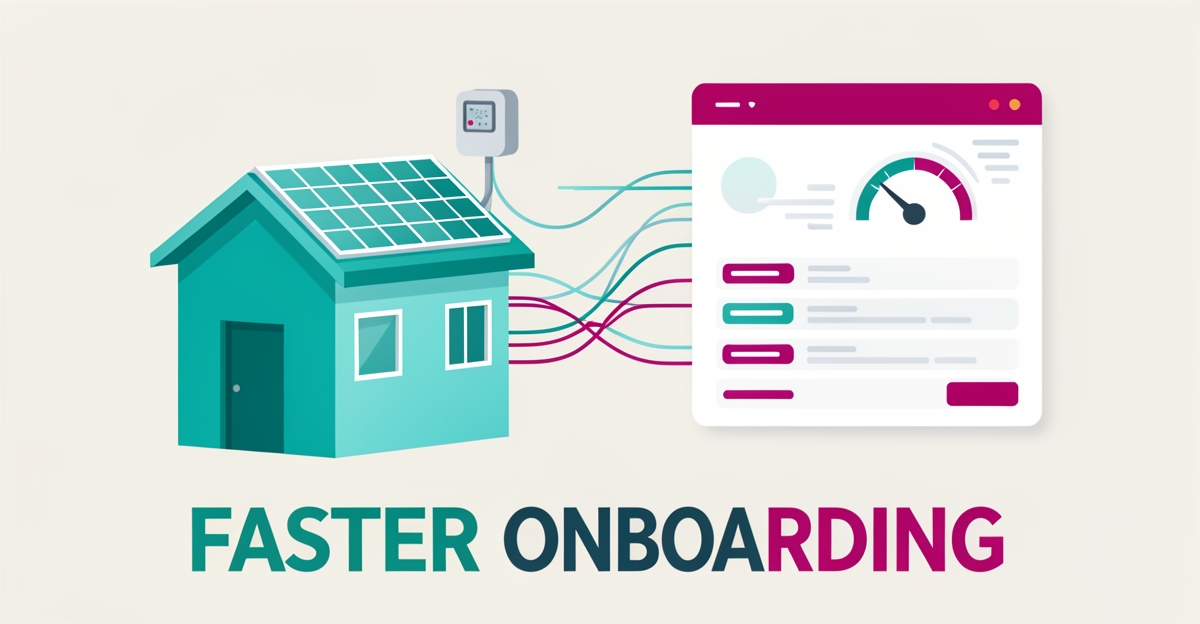
AI-powered workflows are transforming how energy auditing companies manage client onboarding by eliminating manual steps that traditionally slow down response times. Instead of relying on staff to gather information, verify requirements, and assign tasks, AI systems can handle these processes automatically from initial contact through task assignment. This shift reduces human intervention and accelerates the entire intake cycle, allowing firms to respond to new clients faster and more consistently.
These intelligent workflows begin by automatically capturing client details through digital forms, chat interfaces, or voice interactions, then cross-referencing that data against audit requirements to ensure completeness and accuracy. The system validates inputs in real time, flagging missing or inconsistent information without needing a human reviewer. Once validated, the AI assigns the appropriate audit tasks to the right team members or schedules site visits based on availability, location, and expertise. This end-to-end automation minimizes bottlenecks and ensures that no step waits for manual handoff. As noted in AI development guidelines, transparency and accountability in these automated processes are essential to maintain trust and reliability.
By removing repetitive administrative tasks, AI-powered onboarding frees up auditors to focus on high-value activities like site assessments and energy analysis, directly improving service speed and quality. The result is a faster, more predictable client experience from first inquiry to audit scheduling. For energy auditing firms looking to cut response times by half, implementing AI-driven workflows offers a proven path to operational efficiency. AIQ Labs supports this transition by building custom AI workflow automation systems tailored to the specific needs of SMBs in the energy sector, enabling seamless integration with existing tools while maintaining full ownership of the technology. Firms interested in exploring this transformation can start with a free strategy call to assess their readiness and identify high-impact automation opportunities.
Implementing AI Onboarding: Steps Energy Auditors Can Take Today
Response delays kill momentum in energy auditing. When intake takes days, prospects cool and audit windows close. AI-powered onboarding closes that gap by automating the first steps without adding headcount.
Start with discovery to map the current intake flow. Energy auditing firms can identify where client data collection, validation, and task assignment create bottlenecks. AI can automate client data collection, validation, and assignment of audit tasks, reducing human intervention and improving efficiency. A focused discovery workshop defines requirements, data sources, and success metrics before any build begins.
Next, design integration with existing tools. AI onboarding works when it sits inside the CRM, calendar, and scheduling systems teams already use. Transparency, accountability, and inclusivity are crucial in AI development and deployment to ensure systems are fair, reliable, and trustworthy. Mapping API connections early prevents data silos and keeps adoption simple for auditors and admin staff.
Build the workflow in phases that match the AIQ Labs implementation process. A phased approach limits upfront investment while delivering measurable response-time improvements quickly.
- Discovery & Architecture: Process analysis, data infrastructure assessment, and ROI projection for client intake
- Development & Integration: Custom AI workflow built with CRM, calendar, and audit management tool connections
- Deployment & Training: Production go-live with role-based training and monitoring setup
- Optimization & Scale: Continuous performance monitoring and expansion to additional audit types
During development, prioritize automated data collection and validation. AI agents can interview prospects via form, chat, or voice, verify requirements, and pre-qualify sites before a human touches the record. For firms that want a managed option, AI Employees can handle intake coordination, follow-ups, and scheduling around the clock at a fraction of the cost of a human hire.
Governance should be built in from day one. Energy auditing firms must ensure AI systems are fair, reliable, and trustworthy to maintain customer trust and confidence. Validation layers, human-in-the-loop escalation, and audit trails keep compliance intact while allowing automation to run 24/7.
The industry momentum is clear. AI adoption in energy-sector operations is a growing trend as of late 2026, with firms using AI to streamline operations, cut administrative overhead, and respond to clients faster. Operational AI investment is increasingly being rewarded with measurable efficiency gains.
Ongoing optimization turns a pilot into a capability. Continuously monitor and evaluate performance of AI systems to ensure they are meeting desired outcomes and improving efficiency. With AIQ Labs' workflow automation services tailored for SMBs in the energy sector, firms can start with a single intake workflow and scale toward a fully connected AI Operating System across departments without massive upfront investment.
Still paying for 10+ subscriptions that don’t talk to each other?
We build custom AI systems you own outright. No vendor lock-in. Full control.
Not sure where to start? Ask our AI planner
Frequently Asked Questions
Why is client onboarding so slow for energy auditing firms right now?
Can AI actually cut our response times by 50%?
Is AI-powered onboarding secure and trustworthy for client data?
What does implementing AI onboarding look like step by step?
Will AI replace our intake coordinators?
How do we know AI for energy auditing is a real trend?
From Intake Lag to Competitive Advantage
Slow intake is costing energy auditing firms more than time, it erodes trust, delays audits, and lets competitors win. Automating data capture, real-time validation, and intelligent scheduling removes the manual handoffs that create bottlenecks, freeing auditors to focus on site assessments and analysis while delivering a faster, more predictable client experience. The firms that move first are building scalable, error-free onboarding without adding headcount. Mapping your current flow, integrating AI with the CRM and calendars you already use, and phasing the build lets you prove response-time gains quickly and expand with confidence. If you want a clear view of where AI can cut your intake cycle, start the Fit Check at https://aiqlabs.ai/apply for a free 30-minute strategy call with AIQ Labs to map your biggest bottleneck and identify high-ROI automation opportunities, no pitch, just a working session. You can also reach the team directly at [email protected].
Make AI your competitive advantage — not just another tool.
Strategy, implementation and ongoing optimization. One partner, end to end.
Not sure where to start? Ask our AI planner