How EV Charger Installation Companies Can Use AI to Reduce Missed Service Calls
Key Facts
- AI agents act independently and adapt, unlike rigid workflows according to industry research.
- AI doesn't fix chaos. It scales whatever system you already have warns Dhairya Gangwani.
- The people who win use AI to eliminate, restructure, and redesign work says Brett Miller.
- AI call management can flag missed calls for fast follow-up, typically within minutes.
- AI-powered inbound call management improves first-contact resolution and service follow-through for installers.
Hire a team member that works 24/7 — for less than a part-time wage.
AI receptionists, SDRs, dispatchers and 99+ roles. Trained on your business, fully managed.
Not sure where to start? Ask our AI planner
Introduction
EV charger installation companies face a persistent challenge: missed service calls that lead to lost revenue and frustrated customers. In a timing-sensitive market where scheduling precision directly impacts project timelines and client satisfaction, communication gaps can quickly erode trust and operational efficiency.
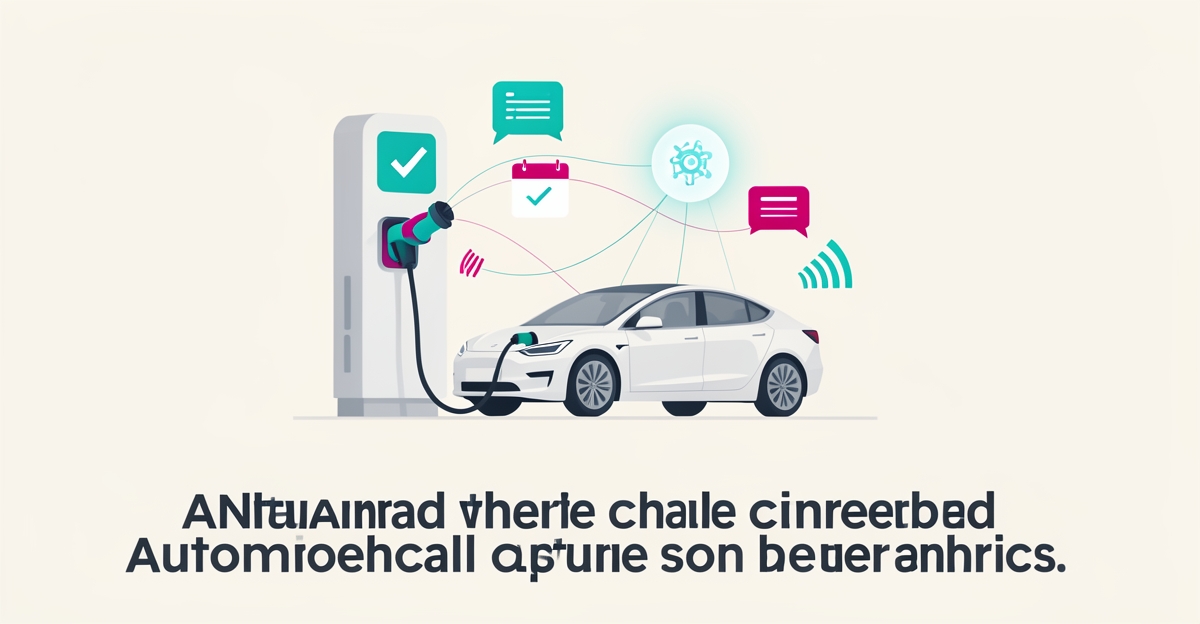
According to industry research, AI-powered inbound call management offers a practical solution by automatically logging incoming inquiries, prioritizing high-intent leads, and triggering real-time reminders to both technicians and customers. This approach strengthens first-contact resolution and reduces the likelihood of missed appointments due to oversight or delayed follow-up. As automation experts note, AI doesn't fix broken systems, it scales the processes already in place, making it essential for installers to first audit their current workflows before layering in intelligent automation.
Implementing AI-driven call management begins with identifying repetitive tasks such as call logging, lead qualification, and reminder scheduling, activities that consume valuable time but follow predictable patterns. By using clear, structured instructions to guide AI behavior, companies can ensure outputs align with their specific service protocols and CRM requirements. Continuous iteration is key: monitoring call outcomes, refining AI responses, and updating triggers based on real-world data helps maintain accuracy and relevance over time.
- Automatically logs all inbound calls with timestamps and caller details
- Prioritizes leads based on service urgency and customer history
- Sends real-time SMS or email reminders to reduce no-shows
- Flags missed calls for fast follow-up, typically within minutes
- Integrates with existing scheduling tools like Google Calendar or Jobber
For EV charger installers operating in a competitive, service-driven landscape, adopting AI isn't about replacing human teams, it's about eliminating avoidable losses caused by communication silos. By ensuring every call is captured, assessed, and acted upon, companies can improve service follow-through, increase completed installations, and build a reputation for reliability. The result is a more resilient operation where no customer falls through the cracks due to a missed call or delayed response.
To explore how AI can be tailored to your specific scheduling and dispatch workflows, start with the two-minute Fit Check, then book a free 30-minute strategy call to assess your current systems and identify high-impact automation opportunities.
Key Concepts
For EV charger installation companies, every missed call is a missed opportunity. Whether it's a new client inquiry or a follow-up on a service appointment, failing to respond promptly can lead to lost revenue and diminished customer trust. AI-powered inbound call management offers a way to close these gaps by automating call logging, prioritizing leads, and sending real-time reminders.
At the core of this transformation is the distinction between AI agents and workflows. According to industry insights, workflows follow a set series of steps, while AI agents act independently, make decisions, and adapt to changing circumstances. This flexibility is critical for handling the dynamic nature of service calls and appointment scheduling.
AI-powered systems can automatically log incoming calls, extract key details, and integrate with scheduling tools to ensure no appointment slips through the cracks. This improves first-contact resolution and helps teams follow through on service commitments. As Brett Miller, Director of Technology Program Management, puts it: "The people who win use AI to eliminate, restructure, and redesign work."
To implement AI effectively, companies should start by identifying repetitive tasks that can be automated. Clear instructions and structured prompts help guide AI systems to produce accurate, actionable outputs. Iteration is key, refining AI responses and integrating feedback ensures the system evolves with your business needs.
However, AI is not a silver bullet. As Dhairya Gangwani, Founder & Podcaster, warns: "AI doesn't fix chaos. It scales whatever system you already have." That's why foundational clarity and clean data are essential before layering on automation.
Here are four key steps to get started:
- Identify repetitive tasks that can be automated to save time and boost consistency.
- Use clear instructions to guide AI in producing tailored deliverables.
- Integrate and iterate by refining outputs and flagging gaps.
- Automate the loop by monitoring data and updating briefs as needed.
AIQ Labs helps EV charger installers with AI Employees, managed AI staff like receptionists and dispatchers, that integrate with your existing tools. By combining voice AI, scheduling automation, and real-time alerts, these systems ensure no client is lost due to communication gaps.
Best Practices
For EV charger installers, missed service calls often stem from fragmented communication rather than lack of demand. AI-powered inbound call management transforms this gap by automatically logging every interaction, prioritizing urgent leads, and triggering real-time reminders, ensuring no client falls through the cracks due to human oversight or delayed follow-up. This approach directly improves first-contact resolution and service follow-through by creating a seamless flow from initial inquiry to scheduled installation. Industry research confirms that AI agents excel at adapting to dynamic scheduling needs, unlike rigid workflows that require constant manual updates.
To implement this effectively, start by auditing your current call handling process to pinpoint where delays or drop-offs occur, such as after-hours inquiries or lead qualification bottlenecks. Use clear, structured instructions to guide your AI system in categorizing calls by urgency, service type, and customer history, enabling intelligent routing to the right team or automated scheduler. Then, integrate the AI with your existing calendar and CRM tools so appointments sync in real time and reminders deploy via SMS or email 24 hours before service. Expert insights emphasize that AI doesn't fix broken systems, it scales what you already have, so begin with your strongest workflow and refine from there.
Finally, establish a feedback loop where missed call data and customer responses continuously train the AI to improve lead prioritization and reminder timing. Monitor metrics like response rate to reminders and reduction in no-shows to validate impact, then iterate based on real-world performance. AIQ Labs supports this journey with AI Employees that integrate with your scheduling tools, learn from your team's patterns, and operate around the clock, turning reactive call management into a proactive service advantage. As leading voices in AI adoption note, the true value lies in using AI not just to complete tasks, but to redesign how work gets done, ensuring every inquiry moves smoothly toward a confirmed installation.
Implementation
For EV charger installers, missed service calls aren't just inconvenient, they directly impact revenue and customer trust. AI-powered inbound call management offers a practical solution by automatically logging every interaction, prioritizing urgent leads, and triggering real-time reminders that keep schedules full and clients informed. This approach transforms reactive call handling into a proactive system that reduces no-shows and improves first-contact resolution.
Implementing this starts with identifying repetitive tasks in your current workflow, like manual call logging or lead triaging, that consume time without adding value. As Brett Miller notes, "The people who win use AI to eliminate, restructure, and redesign work," meaning AI should refine your existing processes rather than layer on complexity. AIQ Labs helps installers map these inefficiencies through AI Workflow Builds, rebuilding the one workflow that costs the most, at a fixed price and in phases, so every call is captured and acted upon without manual entry.
Next, use clear, structured instructions to guide the AI system, such as defining lead priority based on installation urgency or customer history, so it delivers consistent, actionable outcomes. Research shows that AI agents, unlike rigid workflows, can adapt to changing circumstances by making independent decisions, which is critical when handling unpredictable call volumes or last-minute rescheduling requests. Finally, automate the feedback loop by monitoring call outcomes and updating the system as patterns evolve, ensuring the AI continues to align with your business goals and reduces missed appointments over time. To explore how this could work for your operations, start with the two-minute Fit Check and then a free strategy call to identify high-ROI automation opportunities.
Conclusion
Every missed call in the EV charger installation business represents more than a lost conversation, it's a lost installation, a lost service contract, and often a customer who simply books with the next company that answers. As Brett Miller, Director of Technology Program Management, puts it: "The people who win use AI to eliminate, restructure, and redesign work."
That's the mindset installers should carry forward from this article. AI-powered inbound call management isn't about adding another tool, it's about restructuring how every inbound call gets logged, prioritized, and followed through. The distinction matters. As discussed in industry analysis of AI agents versus workflows, workflows follow a set series of steps, while AI agents act independently, make decisions, and adapt to changing circumstances, exactly what's needed when call volume spikes or a high-value lead calls after hours.
One warning deserves repeating before you invest: as founder and podcaster Dhairya Gangwani notes, "AI doesn't fix chaos. It scales whatever system you already have." AI amplifies whatever process it's layered onto. If your scheduling and intake processes are disorganized, the first step is tidying them so the AI has clean inputs to work with.
Your practical next steps:
- Map your current call-handling workflow and identify which repetitive tasks, call logging, lead prioritization, appointment reminders, can be automated first.
- Give your AI system clear, structured instructions so it produces consistent, tailored outcomes rather than generic responses.
- Integrate the AI directly with your existing scheduling tools so every call becomes a logged, actionable appointment, then iterate as gaps appear.
- Automate the loop: monitor the underlying data and update your process when something material changes, as recommended in expert guidance on automated deliverable creation.
Most installers start at level one, using AI to summarize documents or draft messages. The real opportunity is moving, as Miller describes it, "from using AI for tasks to using AI to design how your work gets done." For EV charger installers, that means building systems that improve first-contact resolution and ensure no client is lost to a communication gap.
This is where a custom approach pays off. Off-the-shelf tools rarely integrate cleanly with the scheduling software installers already run, which is why AIQ Labs builds custom systems, whether an AI Employee answering and dispatching calls, a Workflow Build for your costliest process, or a full AI Operating System you own outright, that connect directly to your existing tools.
If you're ready to see what that looks like for your business, start with the two-minute Fit Check at aiqlabs.ai/apply, then book a free 30-minute strategy call at aiqlabs.ai/book. It's a no-obligation working session with an AI engineer to map your biggest bottleneck and identify your highest-ROI automation opportunities, and if there isn't a clear win, we'll tell you that too. You can also reach the team directly at [email protected].
Still paying for 10+ subscriptions that don’t talk to each other?
We build custom AI systems you own outright. No vendor lock-in. Full control.
Not sure where to start? Ask our AI planner
Frequently Asked Questions
How does AI-powered call management actually reduce missed service calls for EV charger installers?
Do I need to replace my current scheduling system to use AI for call management?
What's the difference between AI agents and traditional workflows in call management?
Is AI just going to automate simple tasks like logging calls, or can it really improve our service outcomes?
What if our call data is messy or our process isn't standardized, will AI still work?
How do I know if AI-powered call management is worth the investment for my EV installation business?
Turn Missed Calls Into Confirmed Installations
AI-powered inbound call management isn't just about answering more calls, it's about making every interaction count. By automatically logging inquiries, prioritizing high-intent leads, and triggering real-time reminders, EV charger installers can close the gap between inquiry and installation. The key is starting with clarity: audit your current workflow, automate repetitive tasks like call logging and lead triaging, and integrate AI with your existing scheduling tools so every call becomes a logged, actionable appointment. As Brett Miller notes, the winners use AI to eliminate, restructure, and redesign work, not just complete tasks. For installers ready to move beyond basic automation and build systems that ensure no client slips through the cracks, the next step is a free, no-obligation strategy session. Start with the two-minute Fit Check at aiqlabs.ai/apply to see where AI can deliver measurable improvements in your call handling and service completion, then book your free 30-minute consultation to map your highest-ROI opportunity.
Make AI your competitive advantage — not just another tool.
Strategy, implementation and ongoing optimization. One partner, end to end.
Not sure where to start? Ask our AI planner