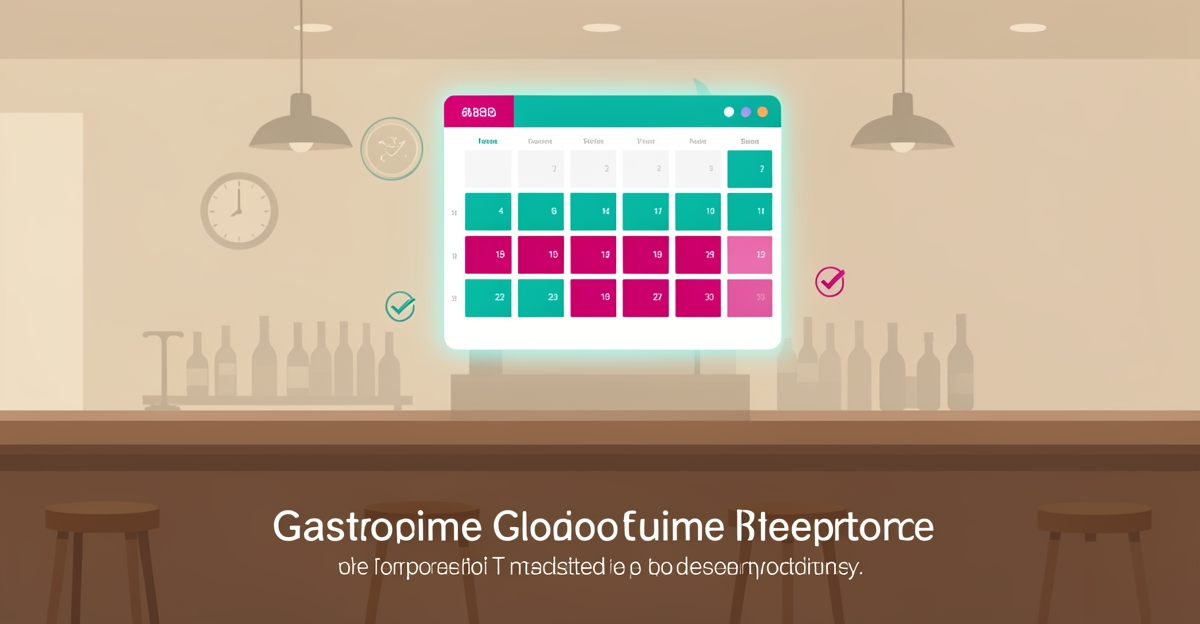
How Gastropubs Can Reduce Staff Burnout with AI-Powered Shift Scheduling and Task Automation
Key Facts
- Restaurant staff turnover is commonly reported around 75% annually, with burnout and operational strain as major drivers according to industry data
- Labor costs typically consume 25-35% of total restaurant expenses, making scheduling efficiency critical industry analysis suggests
- AI-powered shift scheduling reduces burnout by aligning staff coverage with predicted demand and skill mix industry reports indicate
- Voice AI implementations have been associated with improved customer satisfaction and faster service for most adopters vendor performance data suggests
- AI-driven inventory forecasting can meaningfully cut food waste, saving thousands annually per location in many cases industry analysis shows
- Restaurants adopting AI report strong returns from labor efficiency and waste reduction, with some analyses citing triple-digit annual ROI market analysis indicates
Hire a team member that works 24/7 — for less than a part-time wage.
AI receptionists, SDRs, dispatchers and 99+ roles. Trained on your business, fully managed.
Not sure where to start? Ask our AI planner
The Burnout Crisis Behind the Bar and Kitchen
The pressure behind the bar and kitchen in gastropubs is relentless, and it's taking a measurable toll on teams. With staff turnover commonly reported around 75% in the restaurant sector, the operational strain is clear and costly. Long customer wait times compound stress, especially when manual scheduling and repetitive tasks leave employees fatigued and prone to errors.
These pressures are amplified by thin margins, average restaurant profits often sit between 3-5%, while labor typically consumes 25-35% of total expenses. In this environment, inefficiencies aren't just inconvenient; they threaten survival. Gastropub managers often rely on spreadsheets and intuition to build shifts, a process that consumes hours weekly and fails to account for real-time demand fluctuations or employee availability.
The result is a cycle of burnout: overworked staff make more mistakes, service slows, wait times grow, and morale plummets. Manual task allocation, like assigning side work, managing reservations, or tracking inventory, adds cognitive load without adding value. When employees feel constantly reactive rather than in control, disengagement follows, accelerating turnover and increasing recruitment and training costs.
AI-powered shift scheduling and task automation can break this cycle by removing guesswork and reducing repetitive burdens. Systems that analyze historical traffic, employee skills, and peak patterns create fair, balanced schedules that respect work-life boundaries. Automating routine duties, such as updating POS systems, sending confirmation messages, or reconciling end-of-day reports, frees staff to focus on hospitality, not paperwork.
By integrating AI into core workflows, gastropubs can stabilize operations, reduce fatigue, and build a more resilient team. This isn't about replacing people, it's about protecting them from the invisible weights that drain energy and drive talent away. AIQ Labs builds these systems from the ground up, ensuring they fit real-world rhythms and scale with growth.
AI-Powered Shift Planning and Task Automation in Practice
Gastropubs run on tight margins and tighter schedules, and the manual work of planning shifts and managing service is a primary driver of staff burnout. AI operating systems change that equation by taking repetitive operational decisions out of the manager's hands and putting data-driven automation in place.
AI algorithms analyze historical sales, anticipated covers, and employee skills to build optimized rosters that match demand. This prevents overstaffing during quiet periods and understaffing at peak service, directly addressing labor costs that typically consume 25-35% of total expenses in restaurants. Better-fit schedules reduce the stress that fuels the industry's high turnover rates.
Inventory and prep work are automated in parallel. AI-powered forecasting tracks real-time stock levels, predicts demand by daypart and menu item, and triggers reorder points automatically. The result is less over-ordering and spoilage in kitchens where a significant share of inventory is typically lost to food waste. Fewer emergency runs and waste logs free front-of-house teams to focus on guests.
Voice AI and workflow automation extend the relief to service tasks. Voice-enabled ordering and table management cut average customer wait times and reduce manual handoffs between servers and kitchen. According to voice AI vendor performance data, restaurants commonly see measurable lifts in customer satisfaction after implementation, alongside faster service times for most clients.
The business impact compounds. Industry analyses point to strong annual ROI from AI implementation in restaurants, driven by labor efficiency, waste reduction, and revenue uplift. Staff gain more predictable hours, fewer last-minute changes, and less time on admin, which supports retention and morale.
In practice, AI-powered shift planning and task automation delivers:
- Demand-based scheduling that aligns coverage to predicted covers and skill mix
- Automated inventory forecasting and reorder workflows that cut food waste
- Voice AI for hands-free ordering, call routing, and service requests
- Integrated task assignment that distributes prep, side work, and closing duties fairly
These capabilities are the kind of AI Workflow Builds AIQ Labs designs as custom, production-ready systems. The focus is on integrating with existing POS and scheduling tools without disrupting service, so teams adopt new workflows quickly and own the systems they use daily.
From Pilot to Production: A Gastropub Implementation Roadmap
Gastropubs run on thin margins and tired teams. With staff turnover commonly reported around 75% and labor costs typically consuming 25-35% of total expenses, manual scheduling and back-of-house coordination quietly drive burnout.
A production-ready rollout starts with a clear pain map, not a tech demo. Owners audit current shift planning, task handoffs, and POS bottlenecks to identify where repetition and last-minute changes create stress. That baseline makes pilot success measurable and protects service during change.
Piloting scheduling automation is the lowest-risk entry point. AI analyzes historical covers, anticipated traffic, and employee skills to build balanced rosters that avoid overstaffing slow periods and understaffing peaks. The pilot runs in parallel with existing tools, with human managers retaining approval.
Integration comes next. The scheduling and task engine connects to POS and kitchen systems so labor is aligned to real-time demand, not guesses. Two-way sync eliminates duplicate entry and gives staff accessible, transparent schedules that improve satisfaction and reduce no-shows.
Training and change management lock in adoption. Teams learn the new workflow in short, role-based sessions focused on daily use, not features. Clear escalation paths and human-in-the-loop controls ensure staff trust the system and know when to override it.
Rollout scales from pilot to production using a phased roadmap:
- Assess current operations and quantify burnout drivers like overtime and short-notice shifts
- Pilot AI-powered shift planning on one service area with POS integration
- Train managers and staff, then expand to task automation for back-of-house coordination
- Monitor retention, labor cost, and service times, then optimize continuously
AIQ Labs supports this path with AI Operating Systems built in phases and owned outright, and with AI Employees for reception, dispatch, and back-of-house coordination. Whether you start monthly, build in milestones, or own it outright, the system automates repetitive tasks so teams focus on hospitality, not admin.
When implemented thoughtfully, AI reduces manual workload and supports a more sustainable work environment. Voice AI deployments have been associated with improved customer satisfaction and faster service, while restaurants that can't fix operational inefficiencies put both their teams and their margins at risk. Ownership and integration keep the system aligned to the gastropub's brand and service standards long after launch.
Still paying for 10+ subscriptions that don’t talk to each other?
We build custom AI systems you own outright. No vendor lock-in. Full control.
Not sure where to start? Ask our AI planner
Frequently Asked Questions
How bad is staff burnout really in gastropubs, and what's driving it?
Will AI scheduling actually give my team better work-life balance, or just pack more shifts in?
What specific tasks can AI automate so my staff aren't drowning in side work?
Is the ROI real? What kind of returns are gastropubs actually seeing from AI?
How do I start without disrupting service or overwhelming my team with new tech?
Do I have to rent AI tools forever, or can I actually own the system?
Key Takeaways
Gastropubs face a real burnout problem driven by manual scheduling, repetitive tasks, and thin margins, with restaurant turnover commonly reported around 75%. AI-powered shift planning and task automation break the cycle: demand-based rosters, automated inventory and side-work assignment, and voice AI for service tasks reduce fatigue, errors, and overtime while protecting margins. AIQ Labs builds these as production-ready systems, via AI Employees, Workflow Builds, or a full AI Operating System, that you can start monthly, build in milestones, or own outright. Take the 2-minute Fit Check to see where AI can relieve your team first.
Make AI your competitive advantage — not just another tool.
Strategy, implementation and ongoing optimization. One partner, end to end.
Not sure where to start? Ask our AI planner