How Roofing Contractors Can Use AI to Predict Roof Damage and Prevent Costly Repairs
Key Facts
- Predictive maintenance research suggests it can reduce maintenance costs by up to 40% and cut unplanned downtime significantly
- AI adoption among roofing contractors has grown steadily as of late 2026, with predictive maintenance among the leading use cases
- Contractors using AI-driven project management typically report faster project completion and less material waste
- A majority of maintenance-focused organizations are piloting or using real-time equipment monitoring and AI in maintenance workflows
- Predictive maintenance replaces reactive repairs with scheduled upkeep, making workloads and revenue more predictable
Hire a team member that works 24/7 — for less than a part-time wage.
AI receptionists, SDRs, dispatchers and 99+ roles. Trained on your business, fully managed.
Not sure where to start? Ask our AI planner
The Hidden Cost of Reactive Roofing: Why Contractors Are Losing Money on Emergency Repairs
The roofing industry loses money not from the roofs themselves, but from the chaos of reacting to failures after they happen. Emergency repairs drain contractor resources, disrupt schedules, and erode profit margins in ways that often go unmeasured until it's too late.
When a roof fails unexpectedly, contractors face more than just material and labor costs, they lose time that could be spent on scheduled jobs, incur overtime expenses, and risk damaging client trust. Industry research on field services consistently identifies unplanned maintenance events as a leading cause of operational inefficiency, with contractors reporting revenue leakage from last-minute dispatching and rushed material sourcing. These reactive cycles prevent teams from optimizing workflows and force them into a constant state of triage.
Predictive maintenance offers a clear path out of this cycle. By analyzing weather patterns, material degradation, and historical service data, AI models can forecast where and when roof damage is likely to occur, allowing contractors to intervene before small issues become costly emergencies. Research on predictive maintenance, including widely cited McKinsey analysis, suggests organizations using predictive analytics can see major reductions in infrastructure failures and downtime, directly translating to fewer emergency calls and more predictable workloads.
For roofing contractors, this means shifting from a firefighting mindset to a planned maintenance approach. Instead of scrambling to patch leaks after a storm, teams can proactively reinforce vulnerable areas based on data-driven forecasts. This not only reduces repair costs but also improves crew utilization, minimizes travel time between jobs, and enhances customer satisfaction through reliable, timely service.
- Reduces emergency dispatch costs by minimizing unplanned site visits
- Extends roof lifespan through timely, targeted interventions
- Improves scheduling accuracy by preventing last-minute job cancellations
- Lowers material waste by avoiding over-ordering for rush repairs
- Increases technician productivity by focusing on preventive, not reactive, work
The financial toll of reactive roofing isn't just in the invoices, it's in the missed opportunities, strained teams, and eroded competitiveness. Contractors who continue to wait for failure are paying a hidden premium for every emergency call. Those who adopt predictive maintenance aren't just avoiding repairs, they're reclaiming control over their operations, their schedules, and their bottom line. AIQ Labs helps roofing contractors build the AI-powered systems needed to make this shift, turning data into foresight and foresight into sustainable advantage.
How AI Predicts Roof Damage: Analyzing Weather, Materials, and Service History to Forecast Failures
Roofing contractors are shifting from reactive fixes to proactive protection by using AI to forecast failures before they happen. By analyzing weather patterns, material wear, and historical service data, predictive models can identify early signs of degradation that human inspections might miss. This approach allows contractors to schedule maintenance at the optimal time, avoiding emergency repairs and extending roof lifespans. Industry surveys indicate that a majority of maintenance-focused organizations are now piloting or implementing AI in maintenance processes, with even more using real-time monitoring to catch issues sooner. These systems turn fragmented data into actionable foresight, giving roofing teams a strategic edge in planning and resource allocation.
The core of AI-driven prediction lies in three interconnected data streams: hyperlocal weather exposure, material-specific aging curves, and past service records. Weather analytics go beyond basic forecasts to assess UV radiation, thermal cycling, wind uplift, and precipitation patterns that accelerate wear. Material models account for shingle type, installation quality, and environmental stressors to estimate remaining service life. When combined with historical repair logs, such as leak locations, flashing failures, or ventilation issues, AI can detect subtle patterns that precede major failures. Research on predictive maintenance, including McKinsey's analysis, suggests it can reduce maintenance costs by up to 40% and cut downtime substantially, transforming maintenance from a cost center into a predictive advantage.
- Weather exposure analysis correlates storm frequency, hail impact, and temperature swings with material fatigue rates
- Material wear models track granule loss, curling, and cracking progression based on shingle composition and installation age
- Service history integration reveals recurring failure points tied to specific roof sections, contractors, or seasonal timing
- Real-time sensor data from moisture or temperature feeds enhances prediction accuracy when available
- Continuous learning loops refine models as new repair data is fed back into the system
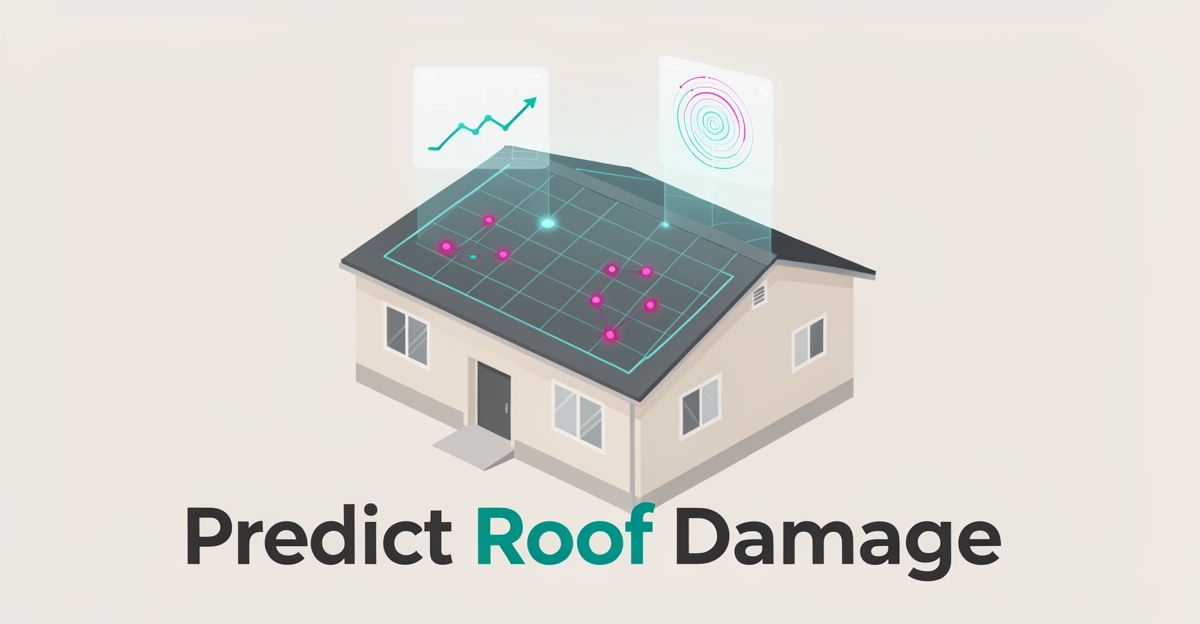
AIQ Labs builds these predictive capabilities into operational dashboards that surface risk scores, recommended actions, and maintenance timelines in real time. Contractors gain visibility into which roofs need attention next month versus next year, enabling smarter crew deployment and inventory planning. This proactive stance not only reduces costly emergency calls but also strengthens customer trust through consistent, reliable service. By turning data into foresight, AI empowers roofing businesses to stay ahead of damage, before it becomes a disaster.
From Prediction to Profit: Implementing AI Dashboards for Proactive Maintenance and Reduced Emergency Calls
Predictive models only create value when contractors can act on them daily, not in a quarterly report. Operational dashboards translate weather patterns, material wear, and historical service data into clear maintenance priorities and crew assignments.
AIQ Labs builds these systems through AI Workflow Builds, rebuilding the one workflow that costs your business the most, at a fixed price and in clear phases. For roofing contractors, that workflow is usually emergency-heavy maintenance dispatch. The dashboards surface risk scores by property, recommend inspection windows, and trigger preventive work orders before small issues escalate. Contractors who want a full connected layer across scheduling, CRM, and dispatch can graduate to an AI Operating System built in phases and owned outright.
Contractors using AI-driven project management typically see measurable operational gains, faster project completion and reduced material waste. Those improvements come from replacing reactive emergency calls with scheduled preventive maintenance.
Real-time visibility changes how crews are deployed. Dashboards combine live weather analytics with roof characteristics and service history to flag properties at risk of failure. This enables proactive scheduling, optimized material ordering, and fewer last-minute dispatches. An AI dispatcher can also handle inbound calls and schedule inspections automatically, at a fraction of the cost of a full-time hire.
Adoption is accelerating as the benefits become clear. Industry reporting as of late 2026 shows a growing share of roofing contractors using AI tools, with predictive maintenance leading the shift from reactive repairs to planned upkeep, and most contractors expecting sales volumes to hold or increase as efficiency improves.
Maintenance teams are already moving toward continuous monitoring, with a majority of organizations using or piloting real-time equipment monitoring and AI in maintenance processes.
A practical dashboard for roofing typically includes:
- Risk heatmaps by roof age, material, and exposure to weather events
- Automated work order generation with estimated labor and material needs
- Crew capacity planning that accounts for forecast delays and travel time
- Material usage tracking to reduce over-ordering and waste
The result is a shift from emergency response to proactive maintenance. Contractors reduce emergency calls, protect margins, and build predictable revenue streams. With models continuously retrained on new service data, the system improves its accuracy over time.
For SMB contractors, owning the dashboard matters. Custom-built predictive systems integrate with existing CRM, scheduling, and accounting tools so insights drive action without adding software sprawl. AIQ Labs designs these dashboards as owned assets, not rented widgets, so the intelligence compounds with the business. Payment is flexible: start monthly, build in milestones, or own it outright.
Still paying for 10+ subscriptions that don’t talk to each other?
We build custom AI systems you own outright. No vendor lock-in. Full control.
Not sure where to start? Ask our AI planner
Frequently Asked Questions
How much can predictive maintenance reduce emergency repair costs for roofing contractors?
What percentage of roofing contractors are currently using AI tools in their operations?
Can AI really help reduce material waste in roofing projects?
How does AI predict roof damage before it happens?
Is implementing AI for predictive maintenance too complex or expensive for small roofing businesses?
What kind of ROI can roofing contractors expect from using AI for predictive maintenance and project management?
From Reactive Repairs to Predictive Advantage: The Future of Roofing Is Here
Roofing contractors who shift from emergency fixes to AI-powered predictive maintenance aren't just avoiding costly surprises, they're gaining control over their schedules, crews, and bottom lines. By analyzing weather patterns, material wear, and service history, AI models turn data into foresight, enabling smarter scheduling, reduced waste, and longer roof lifespans. The result? Fewer emergency calls, improved crew utilization, and stronger customer trust through reliable, timely service. As adoption grows through 2026, contractors who act now position themselves ahead of the curve. To explore how predictive analytics can transform your roofing operations, start with the 2-minute Fit Check, then book a free 30-minute strategy call to identify your highest-impact opportunities.
Make AI your competitive advantage — not just another tool.
Strategy, implementation and ongoing optimization. One partner, end to end.
Not sure where to start? Ask our AI planner