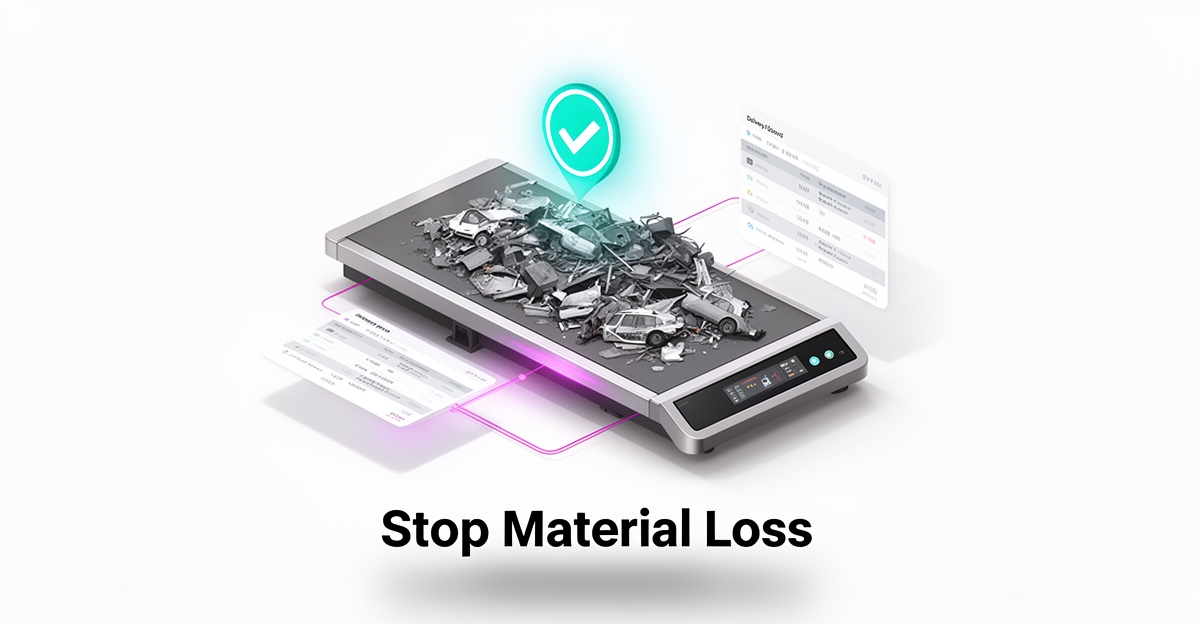
How Scrap Metal Recycling Companies Can Reduce Material Loss with AI-Powered Weight Verification
Key Facts
- Millions of end-of-life vehicles flow through North American recycling channels each year, making intake accuracy a high-volume problem.
- Most of a vehicle's materials can be recycled; what is lost to shrinkage is value that never reaches the market.
- Small weight logging discrepancies compound across thousands of inbound loads into material loss, margin erosion, and audit risk.
- The scrap metal industry is shifting toward AI-powered weight verification and automation as of late 2026.
- AI-powered weight verification can help companies improve operations and reduce material loss, per industry commentary.
Hire a team member that works 24/7 — for less than a part-time wage.
AI receptionists, SDRs, dispatchers and 99+ roles. Trained on your business, fully managed.
Not sure where to start? Ask our AI planner
The Hidden Cost of Material Loss in Scrap Metal Recycling
Every scale ticket that goes unchecked is a leak in revenue. In scrap metal recycling, small weight logging discrepancies compound across thousands of inbound loads, turning invisible errors into material loss, margin erosion, and audit risk.
The scale of material flowing through the industry makes even minor errors costly. Vehicle recycling is one of the largest recycling streams by volume, with millions of end-of-life vehicles processed annually in the United States alone. Because most of a vehicle's material is recoverable, accurate intake verification directly determines how much value is recovered versus lost.
Vehicle dismantling is a core feedstock for scrap metal operations, and the environmental stakes are high. Recycling steel and other metals reduces the need for virgin extraction and keeps recoverable material out of landfills. When weight logs are misrecorded or delivery records do not match, that recovered material never reaches the market and the associated resource savings disappear.
Manual weight verification creates the conditions for that loss. Paper tickets get misfiled, handwritten entries are misread, and spot checks miss systematic drift between scale houses and yard inventory. The result is shrinkage that is hard to trace after the fact and difficult to defend during an audit.
AI-powered weight verification changes the control point from reactive to real-time. Systems can analyze scanned weight logs and verify material counts against delivery records, flagging discrepancies early. This approach delivers:
- Improved accuracy and reduced errors in material counting
- Enhanced transparency and audit readiness
- Reduced material loss and improved efficiency
- Improved customer satisfaction and trust
The industry is already moving in this direction. Industry coverage of scrap processing facilities notes a shift toward more advanced technologies, including AI-powered weight verification, alongside automation and IoT adoption.
For operations handling high volumes of inbound metal, document processing with AI validation provides a practical way to close the loop. AIQ Labs builds this as a focused [AI Workflow Build](/workflow-builds): we rebuild the one workflow that costs you the most, weight log validation against delivery records, at a fixed price, in phases. That creates transparent, audit-ready records without adding manual review overhead.
Material loss is not just a finance problem. It is a sustainability problem. When verification fails, recyclable steel and other metals are effectively written off, undermining both profitability and the environmental impact that justifies recycling in the first place.
How AI-Powered Weight Verification Works to Prevent Discrepancies
Material loss in scrap yards often hides in the gap between what's weighed at the gate and what's recorded on delivery. When those gaps go unnoticed, shrinkage compounds across thousands of transactions each month.
AI-powered weight verification closes that gap by reading scanned weight logs in real time and matching them against delivery records. The system cross-references inbound and outbound weights, material classifications, and timestamps to identify variances as they occur. Discrepancies are flagged early before they become accepted losses, creating an audit-ready trail for every load.
The move toward automation is driven by volume and complexity. Processing millions of end-of-life vehicles and countless commercial loads manually invites error, and industry coverage of scrap processing facilities points to AI-powered weight verification as part of the sector's broader shift toward advanced technology.
Verification works by automating three connected checks:
- Scanning and parsing weight logs from scales, tickets, and handheld devices
- Cross-referencing material counts with delivery records and customer manifests
- Flagging real-time variances for review with context and supporting documents
This approach delivers improved accuracy and reduced errors in material counting while enhancing transparency and audit readiness. Industry commentary notes AI-powered weight verification can help scrap metal recycling companies improve operations and reduce material loss.
The impact extends beyond the yard. Every ton verified is material that stays in the recycling stream instead of being written off to shrinkage. Reducing loss preserves those environmental gains and protects margin at the same time.
Implementation requires attention to data security and integrity, which industry operators consistently emphasize as crucial when deploying AI-powered weight verification. Staff training and regular software updates ensure the models remain accurate as processes evolve.
AIQ Labs builds document processing with AI validation to reduce shrinkage and ensure transparent, audit-ready records. By analyzing scanned weight logs and verifying material counts against delivery records, the workflow flags discrepancies early without adding manual overhead. For yards that want this running as part of day-to-day staffing rather than a standalone project, managed [AI Employees](/ai-employees) can handle the monitoring and exception follow-up around the clock.
Implementing AI Weight Verification: Steps for Scrap Metal Recyclers
Material loss quietly erodes margins in scrap metal recycling, and manual weight checks are rarely enough to catch it. With millions of end-of-life vehicles and commercial loads moving through yards each year, the volume makes accurate verification critical.
Implementing AI weight verification starts with software that fits your existing yard flow. Deploy a system that analyzes scanned weight logs and verifies material counts against delivery records, flagging discrepancies early. This approach delivers improved accuracy and reduced errors in material counting while enhancing transparency and audit readiness. AIQ Labs builds document processing with AI validation to reduce shrinkage and ensure transparent, audit-ready records for material intake.
Staff adoption determines whether the technology delivers value. Train teams on how the system reads tickets, matches loads, and alerts on variance, and define clear escalation paths when a flag appears. Training also covers data entry hygiene, camera or scanner use, and how to review AI-generated exception reports. Ongoing coaching prevents workarounds that reintroduce manual error.
Data security and integrity must be built in from day one. Industry operators emphasize that ensuring data security and integrity is crucial when implementing AI-powered weight verification. Secure access controls, audit trails for every weight event, and encrypted storage protect commercial data and support compliance. Regular reviews keep the system aligned with operational changes.
Maintenance is continuous, not a one-time project. Industry coverage of scrap processing facilities points to ongoing adoption of automation and AI across the sector. A practical rollout plan includes:
- Map current intake, weighing, and documentation workflows before any software selection.
- Pilot AI verification on a single gate or material type to validate accuracy and staff response.
- Integrate weight logs with delivery records and ERP or yard management systems for end-to-end visibility.
- Schedule quarterly model checks and retraining to maintain performance as volumes and suppliers change.
When verification is automated, yards see reduced material loss and improved efficiency alongside stronger customer trust. Accurate tracking helps capture the full value of recoverable steel and other metals instead of losing it to shrinkage.
Every ton verified is both a financial and environmental win. Early discrepancy flagging turns weight verification from a back-office chore into a real-time control, and with managed AI employee support the system can run alongside human teams 24/7. If you want a single connected layer across weighing, intake, and reporting rather than one-off tools, that is what [AI Operating Systems](/ai-operating-systems) are built for, delivered in phases and owned outright.
Still paying for 10+ subscriptions that don’t talk to each other?
We build custom AI systems you own outright. No vendor lock-in. Full control.
Not sure where to start? Ask our AI planner
Frequently Asked Questions
Why is material loss such a big problem for scrap metal recycling companies?
How does AI-powered weight verification actually catch discrepancies?
Is AI weight verification really better than manual checks?
What should we focus on when implementing AI weight verification?
Does reducing material loss actually help the environment?
Is the scrap industry actually adopting AI for this, or is it just hype?
Securing Your Margins and Sustainability Goals
Material loss in scrap metal recycling is a silent profit killer that undermines both your bottom line and environmental impact. The scale of material flow makes manual verification insufficient and error-prone. AI-powered weight verification transforms this vulnerability into a controlled, transparent process by analyzing scanned weight logs against delivery records in real-time, flagging discrepancies before they become accepted losses. AIQ Labs builds document processing with AI validation to reduce shrinkage and ensure transparent, audit-ready records without adding manual overhead. The result is improved accuracy, enhanced customer trust, and preserved environmental benefits that justify recycling operations. Ready to stop revenue leakage at your scale house? Start the 2-minute Fit Check at [/apply](/apply) for a free 30-minute strategy call to identify your highest-ROI automation opportunities, or reach us at [email protected].
Make AI your competitive advantage — not just another tool.
Strategy, implementation and ongoing optimization. One partner, end to end.
Not sure where to start? Ask our AI planner