How Skincare Clinics Can Automate Client Follow-Up with AI-Driven Care Plans
Key Facts
- AI-powered booking and reminder systems are widely reported to cut no-shows substantially, some clinic automation guides cite reductions of up to 50%
- A large share of beauty and personal care sales now happen online, according to industry analysis, meaning clients can easily fill gaps with products and providers they find themselves
- Modern AI skin analysis tools can reportedly detect a dozen or more distinct skin concerns with precision according to esthetician technology research
- Younger skincare shoppers strongly prioritize targeted solutions for specific concerns, according to industry research, raising expectations for personalized aftercare
- 24/7 AI booking can reportedly handle the majority of new client appointments without human intervention according to med spa automation guidance
- Retention gaps, not acquisition gaps, are the primary revenue leak in modern skincare clinics
- AI-driven care plans transform static follow-ups into adaptive, personalized client journeys that evolve with treatment progress
Hire a team member that works 24/7 — for less than a part-time wage.
AI receptionists, SDRs, dispatchers and 99+ roles. Trained on your business, fully managed.
Not sure where to start? Ask our AI planner
The Retention Crisis in Modern Skincare: Why Manual Follow-Ups Fail
A client walks out glowing after a treatment, promising to "definitely book the next session", and then vanishes. This silent exodus plays out in skincare clinics everywhere, and it rarely happens because of a bad treatment. It happens because of what comes after: nothing.
The core problem is that follow-up depends on memory and goodwill. Front desk staff juggle walk-ins, phone calls, and retail sales, so post-treatment outreach becomes the first task sacrificed when the day gets busy. A client who needed a check-in at day three doesn't get one until they happen to call back, if they ever do.
Fragmented booking systems make this worse. Many clinics run one platform for scheduling, another for notes, and a third for reminders, so no single system holds the full picture of a client's treatment journey. Without a unified record, personalized aftercare becomes generic advice, and generic advice gives clients no reason to return. This matters more than ever now that a large share of beauty and personal care sales happen online, meaning clients can easily fill the gap with products and providers they find themselves.
The cost of this drift compounds quickly:
- Missed follow-ups break treatment protocols that require consistent sessions, stalling results clients paid for.
- No-shows and last-minute cancellations leave revenue gaps that are difficult to backfill without automated reminders.
- Generic aftercare emails signal to clients that they're a transaction, not a relationship.
- Staff time gets consumed by manual outreach instead of in-clinic care.
The numbers back this up. Research on clinic booking systems suggests that AI-powered booking and CRM platforms can reduce no-shows by up to 50%, which means clinics relying on manual outreach may be absorbing roughly double the appointment losses they need to. Similarly, guidance for med spas notes that 24/7 AI booking can handle the majority of new client appointments without human intervention, a task that manual systems routinely drop outside business hours.
Continuity of care is the real casualty. Skincare results depend on sequential treatments, honest progress tracking, and adjustments along the way. When a client skips two months because nobody followed up, the treatment plan collapses, and so does the recurring revenue model that aesthetic practices are built on. The retention gap, not the acquisition gap, is the primary revenue leak in modern skincare clinics.
Closing this leak requires moving follow-up out of the "when we have time" category and into a system that never forgets. That's the case for AI-driven care plans: automated, personalized follow-up that keeps every client on protocol. Clinics making this shift often start with a focused AI Workflow Build that rebuilds the single follow-up workflow costing them the most, a fixed-price, phased approach, rather than trying to automate everything at once.
How AI-Driven Care Plans Transform Post-Treatment Engagement
The journey from treatment to long-term skin health doesn't end when a client leaves the clinic. AI-driven care plans now bridge that gap by creating adaptive, personalized follow-ups that evolve with each individual's skin profile and treatment history. These systems analyze data from past visits, current concerns like acne or brightening goals, and broader market trends to generate dynamic recommendations that feel both clinical and intuitive. Industry research suggests this level of personalization is no longer optional but expected, especially among younger demographics who strongly prioritize targeted solutions for specific concerns.
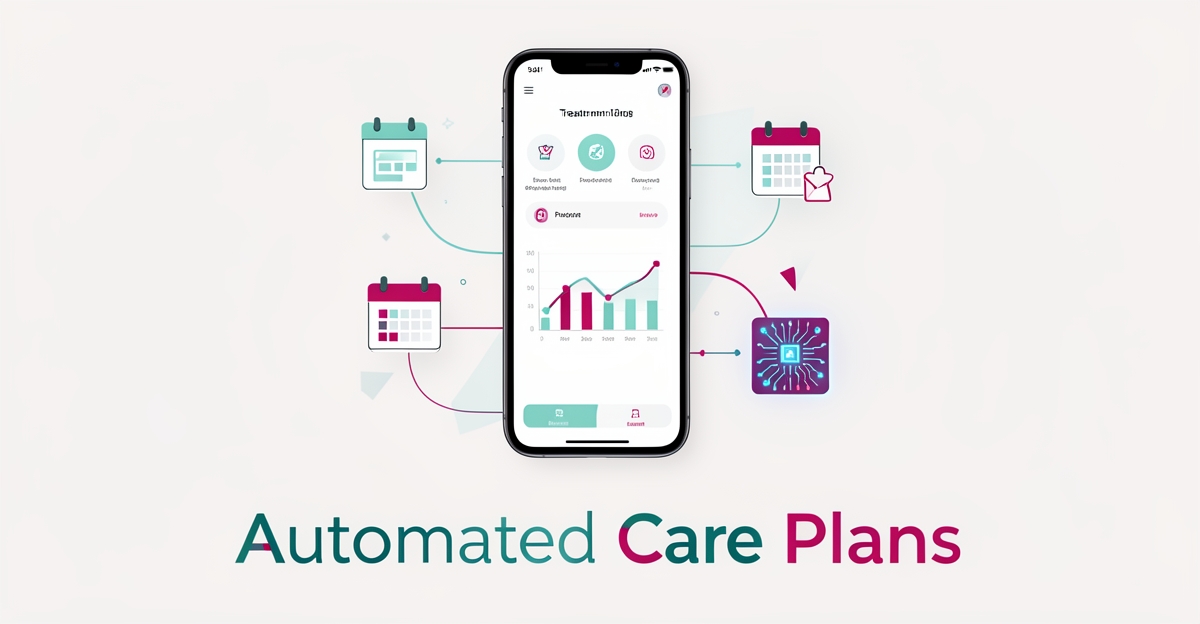
What transforms these plans from static instructions into living engagement tools is their ability to automate check-ins and refine suggestions over time. After a chemical peel or laser session, for example, the AI can trigger a series of timed messages, starting with a soothing post-care reminder, followed by a check-in on irritation levels, and later introducing product suggestions aligned with healing progress. If a client reports persistent breakouts, the system might shift focus to non-comedogenic moisturizers or niacinamide serums; if brightening is the goal, it could layer in vitamin C or tranexamic acid based on skin tolerance. These aren't generic blasts but context-aware nudges that mirror how a skilled esthetician would adjust advice during an in-person follow-up, only scaled across hundreds of clients without added staff burden. Expert insights confirm that such adaptive sequencing builds trust by showing clients their unique journey is being monitored and supported.
Beyond logistics, AI-driven care plans tap into the psychology of continuity, turning transactional visits into ongoing relationships. By delivering value between appointments, whether through educational tips, symptom tracking, or timely product refills, clinics foster a sense of partnership that reduces churn and increases lifetime value. Automated systems ensure no client falls through the cracks, while personalization makes each interaction feel intentional rather than transactional. For skincare businesses aiming to scale without sacrificing the bespoke experience clients crave, this approach doesn't just support retention, it redefines what post-treatment care can be. Operational data indicates clinics using such systems see measurable improvements in client satisfaction and product adherence, directly tying engagement to outcomes. This is where AIQ Labs' AI Employees, managed AI receptionists and follow-up coordinators that cost a fraction of a human hire, come into play, alongside custom builds that turn follow-up into a core competitive advantage the clinic owns outright.
The Technology Stack: Skin Analysis, Visualization, and Smart CRM
Automation in skincare clinics is no longer about a single tool, it's about how analysis, visualization, and client management systems work together to create a continuous, personalized journey. When these technologies connect, the result is a seamless experience that begins at consultation and extends through every follow-up touchpoint.
At the front end of this stack sits AI-powered skin analysis. According to Perfect Corp's research on esthetician tools, modern AI analysis platforms can reportedly detect up to 15 distinct skin concerns, from hydration levels to pigmentation, with a degree of precision that manual assessment alone rarely achieves. This diagnostic layer gives practitioners a data-rich foundation for every treatment recommendation.
Next comes visualization. Tools like Makeover.so generate photorealistic before-and-after previews using the client's own photograph, while platforms like Crisalix offer 3D treatment simulation. These previews transform abstract treatment plans into tangible outcomes clients can see, which, in turn, strengthens their confidence and commitment to a recommended course of care.
The third layer is where follow-up automation truly lives: the AI-powered CRM and booking system. Industry analysis from PxlPeak shows that AI-driven booking can handle the majority of new client appointments without human intervention, while research on clinic booking automation suggests these systems can reduce no-shows by up to 50%. More importantly for follow-up, a smart CRM tracks treatment history, triggers post-appointment care instructions, and schedules the next touchpoint, all automatically.
When these three layers integrate, the client journey looks like this:
- Consultation: AI skin analysis identifies concerns and informs the treatment plan
- Decision: Visualization tools show projected outcomes, increasing conversion confidence
- Treatment: Smart CRM logs the session, products used, and practitioner notes
- Follow-up: Automated care plans deploy with personalized instructions, product recommendations, and rebooking prompts
The challenge most clinics face isn't finding these tools individually, it's making them communicate with each other. Off-the-shelf platforms often operate in silos, leaving staff to manually bridge the gap between analysis results, treatment records, and follow-up messaging. This is precisely the integration problem that a connected AI Operating System solves: one layer, built in phases and owned outright by the clinic, where diagnostic data flows directly into care plan generation and CRM-triggered follow-up, eliminating the manual handoffs that cause clients to fall through the cracks.
The technology exists today. The question is whether your clinic's tools work as isolated islands or as one unified client experience engine.
Implementing Automated Care: Privacy, Personalization, and Human Touch
Skincare clinics face unique challenges when deploying AI-driven follow-up systems, particularly around safeguarding sensitive client information. Implementing robust data privacy protocols is essential, as clinics must ensure client data is stored securely and in compliance with relevant regulations such as PIPEDA and GDPR. This includes encrypting data at rest and in transit, conducting regular security audits, and providing staff training on data handling best practices. Without these safeguards, even the most advanced AI systems risk eroding client trust and exposing the clinic to legal penalties. Clinics building with AIQ Labs keep ownership and control of their data, systems are built privacy-by-design and owned outright, not rented.
Another critical concern is avoiding algorithmic bias in skin analysis tools, which can lead to inaccurate assessments if training data lacks diversity across skin tones, ages, and ethnicities. AI-powered skin analysis can reportedly detect a wide range of skin concerns with high accuracy, but only when models are trained on inclusive datasets. Clinics should validate AI tools across diverse patient populations and implement human-in-the-loop reviews for high-risk recommendations. Regular bias audits and updating models with representative data help ensure equitable outcomes. This approach supports both clinical accuracy and ethical responsibility in aesthetic care.
Finally, maintaining the human touch remains paramount in high-touch aesthetics, where trust and personal connection drive client satisfaction. AI should augment, not replace, clinician expertise by handling routine follow-ups, appointment reminders, and care plan tracking, freeing practitioners to focus on personalized consultations and complex treatments. Clinics can preserve this balance by designing AI workflows that escalate to human staff when clients express concerns or need emotional support. By integrating AI as a supportive tool within a human-centered care model, clinics enhance efficiency without compromising the empathetic experience clients expect. This synergy between technology and empathy is where sustainable client loyalty is built.
Still paying for 10+ subscriptions that don’t talk to each other?
We build custom AI systems you own outright. No vendor lock-in. Full control.
Not sure where to start? Ask our AI planner
Frequently Asked Questions
Will AI follow-ups feel impersonal to my skincare clients?
How much can automated follow-ups actually reduce no-shows?
What data does AI use to personalize post-treatment care?
Is client data safe with AI-driven care plans?
Can AI follow-ups help with retention when so much skincare is bought online?
Do younger clients expect this level of personalization?
From Glowing Exit to Lifelong Loyalty
The retention gap is where skincare clinics lose the most revenue, not the acquisition gap. Manual follow-up breaks down under busy front desks, fragmented systems, and generic aftercare, leaving treatment protocols unfinished and clients drifting to the online beauty market where they can find alternatives themselves. AI-driven care plans close that gap by turning post-treatment data into timed, personalized check-ins, product guidance, and rebooking prompts that mirror an esthetician's judgment at scale, while privacy-by-design integration keeps sensitive records secure and human-in-the-loop. The result is continuity of care, fewer no-shows, and higher lifetime value without adding staff burden. If you're ready to move follow-up out of memory and into a system that never forgets, start with a clear workflow audit and a pilot for one treatment type. Take the two-minute Fit Check at https://aiqlabs.ai/apply, then book a free 30-minute strategy call at https://aiqlabs.ai/book to map your highest-ROI automation opportunity.
Make AI your competitive advantage — not just another tool.
Strategy, implementation and ongoing optimization. One partner, end to end.
Not sure where to start? Ask our AI planner