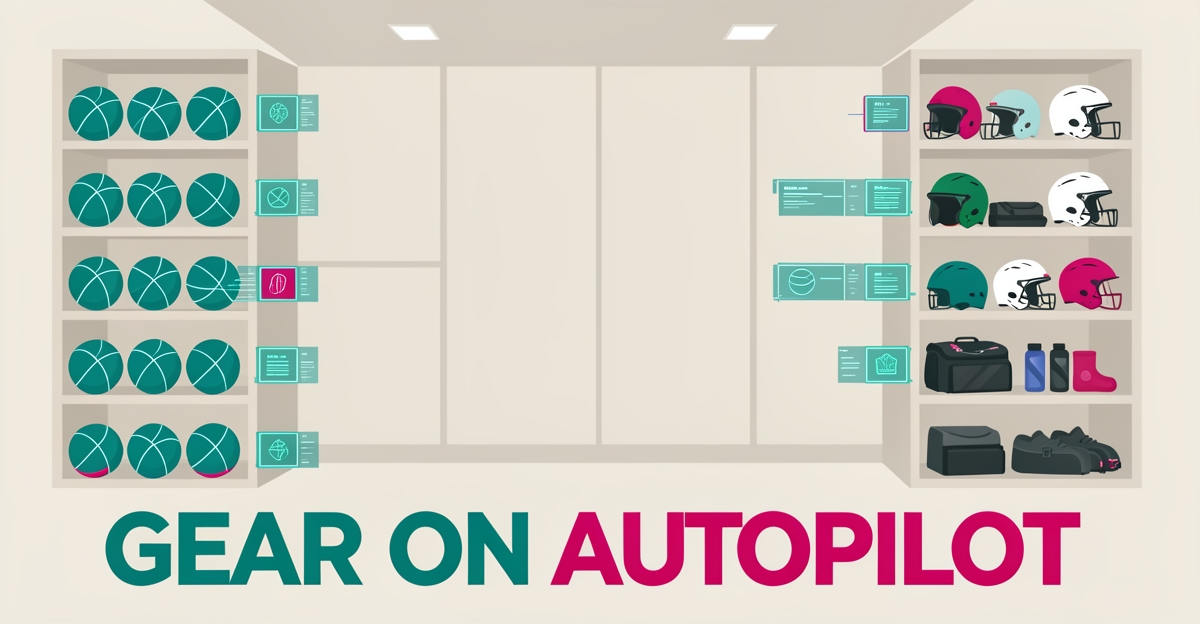
How Sports Camps Can Automate Equipment Tracking and Inventory Management
Key Facts
- Industry analyses of AI inventory systems commonly cite strong first-year ROI, often in the 200-400% range, with payback typically within 6-18 months
- AI systems are widely reported to reduce both stockouts and excess inventory by continuously adjusting stock levels to real usage
- AI tracks usage patterns to predict gear wear and prevent unexpected breakdowns
- Real-time inventory updates prevent both shortages and excess stock accumulation
- Loss prevention signals help camps identify misplacement or theft patterns quickly
- Automated tracking creates the documented accountability parents expect for safety and maintenance
Hire a team member that works 24/7 — for less than a part-time wage.
AI receptionists, SDRs, dispatchers and 99+ roles. Trained on your business, fully managed.
Not sure where to start? Ask our AI planner
The Hidden Cost of Manual Equipment Tracking in Sports Camps
Manual sign-out sheets and clipboard counts collapse under the pressure of a busy camp session. When gear moves fast between groups, manual tracking creates blind spots that cost money, time, and safety.
Sports camps run on high-turnover equipment and tight schedules. Manual tracking means staff spend hours reconciling check-out logs, chasing missing items, and guessing reorder timing. That labor is time-consuming, prone to errors, and limited in scalability compared with automated approaches.
The financial drain shows up quickly. Industry analyses of AI-powered inventory management commonly cite strong first-year ROI, often in the 200-400% range, with payback typically arriving within 6-18 months. Camps still relying on spreadsheets leave those gains unrealized while absorbing hidden costs for replacements, expediting, and overstocking.
Loss and damage compound the problem. Without real-time visibility, equipment is misplaced between sessions, used beyond safe limits, or returned damaged without documentation. Analysis of AI inventory systems highlights how AI can help prevent equipment loss and damage by identifying potential issues before they occur, rather than after the gear is gone.
Safety risk rises alongside inventory risk. Equipment failures or improper use contribute to injuries that disrupt programming and expose camps to liability. AI-driven monitoring of usage patterns can surface risk signals that manual processes simply cannot connect, worn helmets, over-rotated pads, gear that never came back from the last session.
Manual tracking creates recurring operational pain points:
- Lost or unreturned gear that forces emergency purchases and inflates budgets
- Scheduling delays when needed equipment is unavailable or location unknown
- Inventory inaccuracies that lead to over-ordering, stockouts, and wasted storage
- Staff time diverted from coaching and camper engagement to administrative reconciliation
These issues erode efficiency and decision-making. AIQ Labs builds practical automation for camp environments where equipment turnover is high and visibility is critical, focusing on tracking gear usage, preventing loss, and scheduling replacements. The approach aligns with AI Inventory & Supply Chain Management capabilities that optimize inventory levels, reduce stockouts and overstocking, and improve supply chain efficiency.
Outdated systems also create compliance and trust gaps. Parents expect safe, well-maintained equipment and clear accountability. When tracking is manual, camps struggle to demonstrate that gear is inspected, rotated, and replaced on schedule. Improved efficiency and reduced costs become possible when visibility replaces guesswork.
Moving from reactive to proactive management changes the economics of camp operations. Camps that automate tracking stop absorbing the hidden cost of manual errors and start capturing the efficiency, risk reduction, and decision support that AI-enabled inventory systems deliver.
How AI-Powered Systems Prevent Loss and Optimize Gear Usage
Imagine a sports camp where every piece of equipment is accounted for, and replacements are ordered just in time, AI-powered systems make this a reality. By analyzing usage patterns, these systems predict when gear will wear out or go missing, ensuring camps stay ahead of demand.
AI-driven inventory management goes beyond simple tracking; it optimizes stock levels to prevent both shortages and excess. Camps using AI inventory systems typically report a significant reduction in stockouts and a meaningful decrease in excess inventory. This means fewer last-minute scrambles for missing gear and less wasted budget on unused equipment.
Real-time updates are another game-changer. AI systems continuously monitor equipment usage, flagging items that need maintenance or replacement before they fail. By analyzing data from sessions and usage intensity, AI can predict equipment issues before they cause downtime or safety problems. This proactive approach not only saves money but also keeps athletes safe by ensuring gear is always in top condition.
Here's how AI-powered systems deliver these benefits:
- Usage pattern analysis: AI tracks how often and how intensely equipment is used, predicting wear and tear.
- Predictive maintenance: Alerts staff when gear is nearing the end of its lifespan, reducing unexpected breakdowns.
- Real-time inventory updates: Automatically adjusts stock levels based on usage, preventing over-ordering or shortages.
- Loss prevention: Identifies patterns that may indicate theft or misplacement, allowing camps to act quickly.
The financial impact is significant. Industry research commonly cites 200-400% first-year ROI for AI-powered inventory management, with a typical payback period of 6-18 months. For camps operating on tight budgets, this means more resources can be redirected toward improving programs rather than replacing lost or damaged equipment.
At AIQ Labs, we build custom AI systems tailored to high-turnover environments like sports camps. Our solutions integrate with existing workflows, providing real-time visibility and predictive insights that keep operations running smoothly. Whether it's reducing stockouts or optimizing gear usage, AI transforms inventory management from a reactive chore into a strategic advantage.
Implementing AI Tracking: From Assessment to Automated Workflows
Adopting AI for equipment tracking begins with a clear assessment of current workflows to pinpoint where manual processes create delays or errors. Sports camps often struggle with lost gear, inefficient scheduling, and reactive maintenance, challenges that AI can address by analyzing usage patterns and predicting needs before issues arise. Given the ROI commonly cited for AI-powered inventory management, it's a high-impact starting point for camps seeking measurable efficiency gains.
The implementation follows a phased approach aligned with AIQ Labs' Start Monthly and Build in Milestones models, minimizing risk while building toward full automation. First, workflows are mapped to identify high-friction areas such as check-in/check-out logs or seasonal equipment rotation. Next, AI agents are integrated with existing tools using the Model Context Protocol (MCP), enabling seamless data flow between scheduling platforms, maintenance systems, and inventory databases without requiring a complete overhaul of current software. Finally, managed AI employees are deployed to continuously monitor equipment status, trigger replacement alerts, and optimize stock levels based on real-time usage data, reducing the burden on staff while improving accuracy.
This structured rollout ensures camps retain control at every stage, with the ability to pause, adjust, or expand based on early results. By starting with a single workflow, such as tracking high-turnover items like helmets or pads, camps can validate the system's effectiveness before scaling to broader inventory management. Over time, this approach transforms equipment tracking from a reactive chore into a predictive, self-optimizing process that protects both assets and participants.
Still paying for 10+ subscriptions that don’t talk to each other?
We build custom AI systems you own outright. No vendor lock-in. Full control.
Not sure where to start? Ask our AI planner
Frequently Asked Questions
How much can AI-powered equipment tracking actually save a sports camp in the first year?
How long does it typically take to see a return on investment after implementing AI tracking for camp equipment?
Can AI really help prevent equipment loss and damage before it happens?
What kind of reduction in stockouts and excess inventory can camps expect from using AI for equipment tracking?
Do I need to replace all my current systems to implement AI tracking for camp equipment?
From Clipboard Chaos to Predictive Control
Manual sign-out sheets and end-of-day counts create the blind spots that cost sports camps money, time, and safety. Automating equipment tracking replaces that reactive scramble with real-time visibility, usage-based wear prediction, and just-in-time replacement that prevents loss, stockouts, and unsafe gear. The shift is from chasing gear to coaching campers, and from guesswork to documented accountability parents expect. If you want to see where automation fits your current workflows, start with a single high-turnover item like helmets or pads and map the check-in/check-out friction points. AIQ Labs builds practical, camp-specific automation for tracking gear usage, preventing loss, and scheduling replacements, with options to Start Monthly, Build in Milestones, or Own It Outright. Start the Fit Check at https://aiqlqs.ai/apply for a free 30-minute strategy call to map your biggest bottleneck and identify high-ROI automation opportunities, or chat live with an AI Transformation Agent at https://aiqlqs.ai/chat.
Make AI your competitive advantage — not just another tool.
Strategy, implementation and ongoing optimization. One partner, end to end.
Not sure where to start? Ask our AI planner