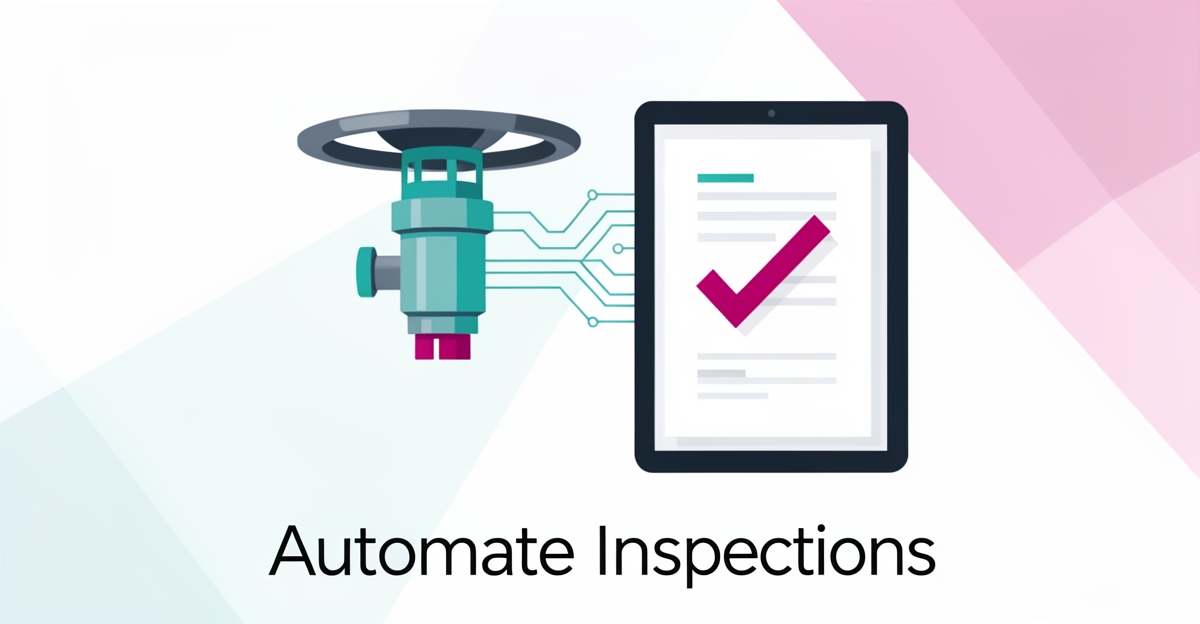
How Sprinkler Installers Can Automate Site Inspections with AI-Enhanced Documentation
Key Facts
- Manual inspection documentation is one of the largest hidden time costs for sprinkler contractors, often consuming hours after each site visit.
- Construction has historically been slow to adopt productivity technology, leaving specialty trades with paper-heavy workflows.
- AI-assisted review can typically improve defect detection consistency compared with manual-only checks.
- Predictive maintenance approaches are widely reported to reduce emergency calls, often by up to 30% in comparable trades.
- AIQ Labs has deployed 200+ multi-agent systems and runs 4 live SaaS products daily.
- AI Employees typically cost around 80% less than an equivalent human hire.
Hire a team member that works 24/7 — for less than a part-time wage.
AI receptionists, SDRs, dispatchers and 99+ roles. Trained on your business, fully managed.
Not sure where to start? Ask our AI planner
The Hidden Cost of Manual Inspection Documentation
The hidden cost of manual inspection documentation is far greater than the time spent filling out forms. Sprinkler installers often lose hours after each site visit transcribing paper notes, organizing disconnected photos, and drafting reports during evenings or weekends, time that could be spent on billable work or rest. This after-hours burden contributes to burnout and reduces overall workforce capacity, especially when compounded across multiple projects each week.
Beyond time loss, manual processes introduce significant error risks. Handwritten notes can be illegible or incomplete, photos may lack context or timestamps, and delayed reporting increases the chance of misremembered details or omitted observations. These gaps can lead to rework, client disputes, or compliance failures, particularly critical in fire protection systems where precision is non-negotiable.
Compounding these issues, construction has historically lagged other industries in productivity gains, reflecting a systemic reluctance to adopt efficiency-driving technologies. Specialty trades feel this most acutely: while large general contractors accelerate their technology investments, smaller sprinkler firms often still run on paper, spreadsheets, and after-hours data entry. Modernizing the inspection workflow isn't just about profitability, it's about building a process that scales without burning out your best people.
- Inconsistent documentation formats across teams
- Lost or mislabeled site photos
- Delayed report submission to clients or AHJs
- Inability to quickly retrieve historical inspection data
- Increased liability from incomplete audit trails
By relying on outdated methods, sprinkler contractors absorb avoidable costs that erode profitability and hinder scalability. AIQ Labs helps bridge this gap by transforming field-collected data into structured, actionable outputs, reducing manual effort while improving accuracy and compliance readiness. The shift isn't just about saving time; it's about building a more resilient, accountable, and future-ready inspection process. If inspection paperwork is the workflow costing you the most, AI Workflow Builds rebuild it end to end at a fixed price.
How AI Turns Field Photos and Notes into Audit-Ready Reports
Mobile capture begins the pipeline, where field technicians take photos and voice notes directly on-site using standard smartphones or tablets. These inputs feed into an AI system that applies computer vision to detect defects like corrosion, pipe misalignment, or missing hangers, issues that manual review often misses under time pressure. The technology doesn't just see images; it interprets them against NFPA and NFSA standards in real time.
Computer-vision analysis triggers an embedded rule engine that cross-references findings against NFPA record-keeping requirements and NFSA design specifications for wet, dry, preaction, and deluge systems. For example, if the AI detects surface rust on a dry pipe valve in a cold climate zone, it can automatically flag a potential freezing risk per NFSA guidelines, eliminating the need for manual lookup of corrosion tables or temperature thresholds. This enforcement happens instantly, turning subjective judgment into objective, standards-based assessment.
The final stage auto-generates inspection packets that include annotated photos, defect logs, and compliance summaries formatted for client delivery and audit readiness. The system ensures every inspection produces thorough, consistent documentation without adding administrative burden. AIQ Labs' document processing approach transforms raw field data into actionable, audit-ready reports, reducing manual work while tightening adherence to life-safety standards. Sprinkler installers gain a reliable way to prove compliance, not just perform inspections.
From Reactive Fixes to Predictive Compliance
The shift from reactive fixes to proactive compliance begins with rethinking how sprinkler inspections align with preventive maintenance categories. Traditionally, contractors operate in corrective mode, repairing broken heads or leaky pipes only after failure, leading to rework and AHJ citations. AI-enhanced documentation transforms this cycle by flagging risks like freezing zones or corrosion trends before they violate NFPA 13 or AHJ requirements. Comparable trades report that predictive maintenance methods can reduce emergency calls by up to 30%, a principle directly transferable to sprinkler systems where early detection prevents costly callbacks.
AI processes field-collected data, photos of pipe insulation, notes on valve accessibility, and environmental readings, to identify patterns invisible to manual review. For example, it correlates recurring moisture spots near exterior walls with freezing-risk predictions, or tracks paint degradation on sprinkler heads as early corrosion indicators. AI-assisted review typically improves defect detection consistency, enabling contractors to shift from failure-finding checks to predictive compliance. This moves inspections from a box-ticking exercise to a continuous risk-assessment loop.
- Preventive: Scheduled checks of gauge pressure and drain valves
- Predictive: AI-flagged zones with repeated thermal stress or micro-leaks
- Corrective: Post-failure repairs now reduced by early intervention
- Emergency: Rare when predictive trends trigger pre-AHJ work orders
- Failure-finding: Automated verification of tamper switches and signage visibility
By mapping these categories to sprinkler-specific failure modes, like interior corrosion in wet pipes or missing signage in high-rack storage, AI turns inspection data into a compliance leading indicator. Risks get addressed in the predictive phase instead of becoming emergency calls during peak freeze seasons. This isn't just about avoiding penalties; it's about building trust through consistently audit-ready systems where the AHJ finds no surprises, only proof of disciplined, AI-augmented stewardship.
Implementation Roadmap: Pilot to Fleet-Wide Rollout
Implementing AI-enhanced documentation for sprinkler site inspections follows a clear four-phase roadmap. It begins with a comprehensive asset survey to catalog all inspection points, equipment locations, and historical red-tag patterns across job sites. This foundational analysis ensures the AI system understands the specific compliance requirements and failure modes unique to sprinkler installations.
Next, the AI model is trained on historical red-tag data and inspection notes to recognize common deficiencies, such as improper hanger spacing or obstructed sprinkler heads, enabling it to flag issues in real time during field assessments. Once trained, a mobile app is deployed to technicians, allowing them to capture photos, voice notes, and checklists onsite, which the AI processes instantly to generate draft reports and suggest corrective actions. Finally, the system integrates with existing CRM and dispatch platforms to automatically update client records, schedule follow-ups, and trigger work orders, closing the loop between field insights and operational response.
Ownership of this system can be structured through three flexible models: Start Monthly for managed, ongoing support; Build in Milestones for phased delivery with retained progress; or Own It Outright for full control of the code, data, and AI agents. This approach ensures scalability from pilot to fleet-wide rollout while aligning with AIQ Labs' commitment to practical, owned AI transformation. To explore how this roadmap applies to your inspection workflow, start the two-minute Fit Check and schedule a free 30-minute strategy call.
Closing the Technology Adoption Gap for Specialty Trades
Specialty trades face a widening technology adoption gap as large general contractors accelerate AI integration while small contractors struggle to keep pace. This disparity threatens competitiveness, especially when compliance demands grow stricter and manual documentation becomes a bottleneck. AIQ Labs bridges this divide by delivering managed AI Employees, like a Dispatcher or Quality Assurance Agent, that automate site inspection workflows without requiring in-house AI expertise. Unlike off-the-shelf tools that create vendor lock-in, our custom-built systems can be owned outright, keeping data sovereign and future-proofing your investment. Replacing the need for a full-time QA hire, this approach typically delivers around 80% cost savings while maintaining 24/7 availability and consistent compliance tracking. For sprinkler installers, this means transforming routine inspections into a strategic advantage, where every photo, note, and site reading is instantly processed, flagged for issues, and synced to client records. The result isn't just fewer errors or faster reporting; it's a scalable, owned AI capability that turns regulatory adherence into market differentiation. With construction historically slow to adopt productivity technology, adopting AI isn't optional, it's how specialty trades stay relevant, efficient, and ahead of the curve. AI-powered tools are already streamlining project planning and catching design flaws early, capabilities now accessible to small contractors through managed AI partnerships. Automated documentation reduces manual work and improves adherence to standards like NFPA record-keeping requirements, directly addressing the compliance pain points in sprinkler system inspections. By owning the AI system end-to-end, trades businesses avoid recurring subscription costs and retain full control over customization, ensuring the technology evolves with their operations, not the other way around.
- Eliminate manual report generation from inspection photos and notes
- Flag non-compliance issues in real time during site walks
- Automatically update client records and maintenance schedules
- Maintain audit trails for NFPA and local code adherence
- Scale inspection capacity without adding headcount
Still paying for 10+ subscriptions that don’t talk to each other?
We build custom AI systems you own outright. No vendor lock-in. Full control.
Not sure where to start? Ask our AI planner
Frequently Asked Questions
Will AI really cut down the after-hours paperwork my inspection crews hate?
How does AI know if a sprinkler inspection actually meets NFPA and NFSA requirements?
Can AI help us shift from fixing failures to preventing them?
Is AI only for big general contractors, or can small sprinkler firms use it too?
What does rolling out AI-enhanced inspections look like in practice?
Does AI actually find more defects than manual reviews?
Turn Inspections Into Your Competitive Edge
Sprinkler installers no longer need to choose between thorough compliance and operational efficiency. By automating site inspections with AI-enhanced documentation, contractors eliminate hours of after-hours paperwork, reduce error risks, and shift from reactive fixes to predictive compliance, proactively addressing corrosion, freezing risks, and code gaps before they trigger rework or AHJ citations. The result is faster reporting, stronger audit trails, and the ability to scale inspection capacity without adding headcount, turning a traditional cost center into a source of trust and differentiation. AIQ Labs makes this shift accessible through managed AI Employees and custom-built systems that specialty trades can own outright, no vendor lock-in, just measurable gains in accuracy, responsiveness, and profitability. To see how this applies to your workflow, start the Fit Check, a two-minute assessment that leads to a free 30-minute strategy call where we map your biggest bottleneck and identify high-ROI automation opportunities. Start the Fit Check
Make AI your competitive advantage — not just another tool.
Strategy, implementation and ongoing optimization. One partner, end to end.
Not sure where to start? Ask our AI planner