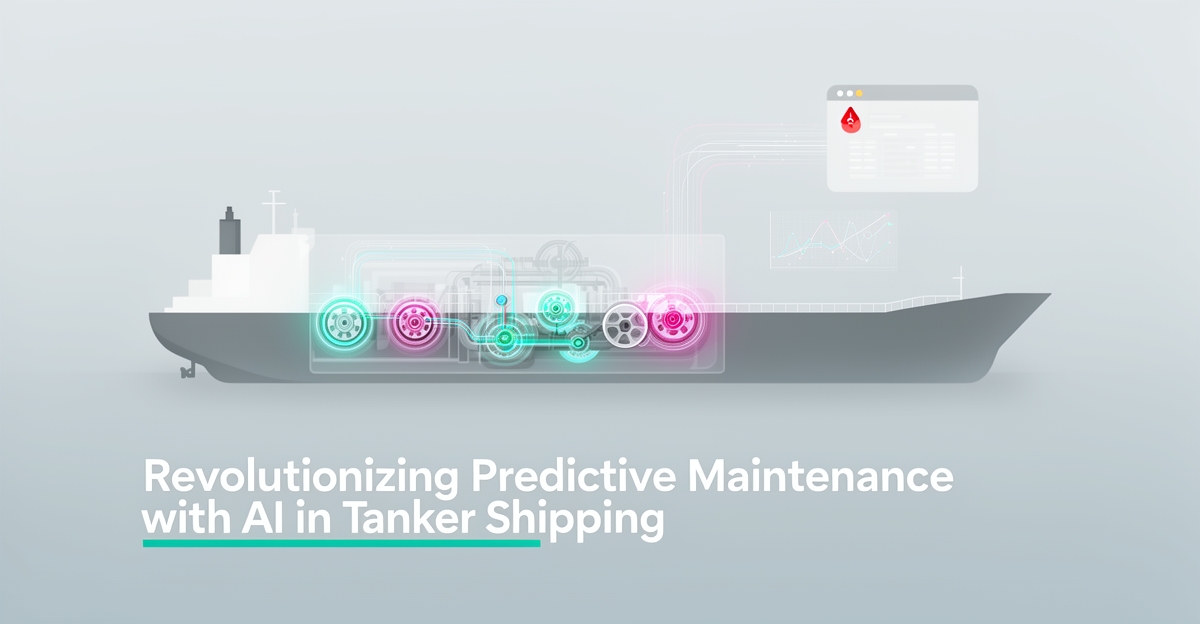
How Tanker Firms Can Use AI to Predict Equipment Failures and Avoid Downtime
Key Facts
- Predictive interventions typically cost a fraction of reactive repairs—industry analyses commonly cite several-fold differences in cost per failure
- Emergency repairs typically run several times higher than planned maintenance interventions
- AI models can typically forecast failures days to weeks in advance, giving maintenance teams real lead time
- Predictive maintenance is commonly associated with maintenance cost reductions of up to 40% in transportation and logistics
- Unplanned downtime decreases by up to 50% with AI-powered predictive maintenance in many deployments
- Asset lifespans can extend meaningfully—often cited around 30%—when failures are addressed before they cascade
- Addressing failures before they become hazards can materially reduce safety incidents in hazardous-material operations
Hire a team member that works 24/7 — for less than a part-time wage.
AI receptionists, SDRs, dispatchers and 99+ roles. Trained on your business, fully managed.
Not sure where to start? Ask our AI planner
The Hidden Cost of Reactive Maintenance in Tanker Fleets
Reactive maintenance punishes tanker fleets twice: first with the failure, then with the bill. When a pump, valve or engine seizes on route, crews scramble for emergency repairs, cargo is delayed, and safety exposure spikes.
The financial gap is stark. Industry analyses of maintenance models consistently put the average cost per failure in a reactive model far above a predictive intervention—often several times higher. Emergency repairs typically run several times the cost of planned maintenance, and that premium compounds with collateral damage and lost revenue.
Calendar-based preventive programs do not solve the problem either. They replace parts on schedule regardless of condition, wasting spend on healthy assets and still missing sudden failures. Predictive maintenance shifts the trigger from time to data, letting teams act only when risk is real.
Tanker operations magnify the risk. A single breakdown can cascade into spill exposure, road closures, and regulatory scrutiny. Industry research on AI-driven maintenance programs shows materially fewer unplanned failures, with asset lifespans often extended by double-digit percentages.
The hidden costs accumulate in ways P&L lines rarely capture:
- Cascading breakdowns where one failed component stresses pumps, seals and chassis systems
- Expedited parts procurement and overtime labor for emergency call-outs
- Idle driver hours and missed delivery windows that erode customer trust
- Safety incidents from unexpected failures in hazardous material transport
Traditional approaches fail because they rely on post-mortem logs and fixed intervals. AI models analyze maintenance logs, driving patterns, and temperature data continuously to forecast equipment issues weeks in advance. That is the core of predictive analytics and forecasting for heavy-duty fleets.
AIQ Labs builds these systems as managed AI Employees and custom AI Workflow Builds that turn sensor streams into actionable maintenance windows for heavy-duty fleets. The value is not just prediction; it is making the fix fit the real workflow of dispatch, shops and drivers.
Without that shift, fleets remain trapped in a cycle of firefighting. With it, maintenance becomes planned, targeted and measurable.
How AI Models See Failures Coming Weeks Early
AI predictive maintenance transforms how tanker firms anticipate equipment issues by analyzing complex data streams invisible to human inspectors. Models process maintenance logs alongside real-time sensor data from vibration, temperature, and acoustic emissions to detect subtle degradation patterns days or weeks before failure occurs. This approach shifts maintenance from fixed schedules to condition-based interventions, ensuring repairs happen only when truly needed. Published industry research indicates well-trained models can forecast failures in the 15-to-30-day range with high accuracy, giving maintenance teams critical lead time to plan interventions.
Freight railroads offer a compelling example of this technology at scale, analyzing tens of millions of daily readings from wayside detectors to identify wheel defects, bearing issues, and temperature anomalies. Their systems use machine learning algorithms like LSTM and Random Forest to recognize what "healthy" equipment looks like and flag deviations that precede failures. For tanker fleets, the same principle applies—engine performance data, fuel consumption patterns, and pressure fluctuations become early warning signals when processed through trained models.
These systems go beyond simple anomaly detection by generating failure probability scores and estimating remaining useful life with confidence intervals. When integrated with operational workflows, AI can automatically prioritize work orders, assign technicians based on skill availability, and reserve necessary parts before a predicted failure window. Industry studies indicate this predictive approach can reduce maintenance costs by up to 40% and decrease unplanned downtime by up to 50% in heavy-duty operations, while extending asset lifespans through timely, targeted interventions. AIQ Labs helps tanker firms implement these systems by building custom AI solutions that turn sensor data into actionable maintenance insights.
The Business Case: Lower Costs and Less Downtime
Tanker firms using AI for predictive maintenance are seeing substantial financial and operational gains, with research indicating up to a 40% reduction in maintenance costs and a 50% decrease in unplanned downtime in strong deployments. These improvements stem from shifting from reactive fixes to data-driven interventions that address issues before they escalate, avoiding the premium pricing of emergency repairs, which typically run several times higher than planned maintenance. Industry analysis confirms that such predictive approaches can also extend asset lifespans significantly, maximizing the return on heavy-duty equipment investments.
Beyond direct savings, AI-driven forecasting enhances secondary operational efficiencies critical to tanker operations. By predicting part failures in advance, firms optimize spare parts procurement, reducing excess inventory and associated carrying costs. Improved engine health from timely interventions contributes to better fuel efficiency, while early fault detection lowers safety risks—workplace incidents can drop sharply when failures are addressed before they become hazards. Rail industry parallels show similar outcomes, where AI analysis of millions of daily sensor readings enables precise, just-in-time maintenance that keeps fleets running smoothly without unnecessary disruptions.
AIQ Labs supports this transition by building enterprise-grade predictive systems that integrate maintenance logs, driving patterns, and sensor data into actionable insights. These platforms enable automated work order generation, optimized scheduling during planned maintenance windows, and real-time health scoring—turning failure predictions into seamless operational actions. With Mean Time Between Failures (MTBF) improving and Mean Time To Repair (MTTR) decreasing in typical deployments, tanker firms gain not only reliability but also predictability in their maintenance cycles.
The cumulative effect is a maintenance strategy that is less costly, less disruptive, and far more strategic—positioning tanker firms to operate with greater resilience and control over their most critical assets.
From Prediction to Action: Integrating AI Into Fleet Workflows
AIQ Labs partners with tanker firms to turn predictive insights into real-world action, because even the most accurate failure forecasts mean nothing if they don't translate into timely repairs. Industry research consistently finds that most AI projects fail not due to technology gaps, but because of missing strategy, wrong tools, or poor adoption—making workflow integration the critical make-or-break factor. Success hinges on building robust data pipelines that stream, clean, and align sensor inputs from maintenance logs, driving patterns, and temperature sensors, then labeling historical failure data so models learn to recognize true degradation signals. Once trained, AI systems must connect directly to existing Computerized Maintenance Management Systems (CMMS) to auto-generate prioritized work orders, assign the right technician, and reserve necessary parts—eliminating manual delays and ensuring repairs happen during optimal windows. Leading fleets bundle these AI-triggered fixes into scheduled maintenance periods, avoiding extra downtime by aligning interventions with planned service stops. To close the loop, intuitive dashboards visualize asset health scores, failure probabilities, and remaining useful life in real time, enabling supervisors to monitor trends and adjust schedules dynamically. Without this end-to-end orchestration—from data pipeline to actionable insight—predictions remain theoretical, leaving fleets vulnerable to the very breakdowns AI aims to prevent. For tanker operations seeking to operationalize AI, partnering with a builder that understands both the models and the shop floor is essential to close the gap between prediction and prevention. To explore how AIQ Labs designs enterprise-grade predictive systems built for heavy-duty fleets, start the 2-minute Fit Check at https://aiqlabs.ai/apply, then schedule a free 30-minute strategy call at https://aiqlabs.ai/book to map your biggest maintenance bottleneck and identify high-ROI automation opportunities.
Your Roadmap to Predictive Maintenance: First Steps
Starting your predictive maintenance journey begins with clarity on what success looks like. Define specific downtime-reduction goals and tie them to measurable KPIs—like cutting unplanned failures by half or reducing cost per repair incident to a fraction of your current reactive baseline. These targets guide every decision, from sensor placement to model training, ensuring your AI initiative delivers real operational value rather than just technical novelty. Industry data suggests predictive maintenance can slash emergency repair costs dramatically compared to reactive approaches, making goal-setting a critical first step.
Next, prioritize critical assets where failure impact is highest. For tanker fleets, this means focusing on engines, pumps, and brake systems—components whose failure risks cargo safety, delivery timelines, and regulatory compliance. By concentrating initial efforts on these high-value assets, you maximize early wins and build organizational confidence. Freight rail operators use this same principle, analyzing millions of daily sensor readings from wayside detectors to catch bearing wear and temperature anomalies before they escalate into costly breakdowns.
Deploy sensor infrastructure to capture the data streams that power AI predictions. Install IoT sensors monitoring vibration, temperature, pressure, and acoustic emissions on prioritized assets, ensuring compatibility with existing PLCs via standards like Modbus or MQTT. Clean, time-aligned data pipelines are essential—noise or latency undermines model accuracy. As noted in industry insights, predictive maintenance isn't just about algorithms; it's about orchestrating data collection, labeling, and real-time integration so insights translate into action. Experts emphasize that ignoring these foundational steps leads to failed projects, regardless of model sophistication.
Finally, integrate AI outputs into maintenance workflows to close the loop between prediction and action. Connect your system to your CMMS to auto-generate work orders, assign technicians based on skill and availability, and reserve parts ahead of planned maintenance windows. This integration prevents alert fatigue and ensures predictions drive tangible outcomes—like bundling repairs into existing service visits to avoid extra downtime. AIQ Labs supports this end-to-end approach through milestone-based builds, where clients own each phase of development and only pay for delivered, working capabilities. Start with a free strategy call to map your critical assets and define a realistic, ROI-focused roadmap—no obligation, just clarity on where AI can prevent failures before they happen. Own what you build from day one, with systems designed to scale as your fleet grows and your predictive maintenance maturity advances.
Still paying for 10+ subscriptions that don’t talk to each other?
We build custom AI systems you own outright. No vendor lock-in. Full control.
Not sure where to start? Ask our AI planner
Frequently Asked Questions
How much money can AI predictive maintenance actually save compared to fixing things when they break?
How far in advance can AI really predict equipment failures?
What kind of data do tanker fleets need to make predictive maintenance work?
Why do so many AI maintenance projects fail even when the technology works?
Does predictive maintenance actually improve safety for hazardous material transport?
How do we get started with AI predictive maintenance without disrupting current operations?
From Reactive Repairs to Predictive Precision
The evidence is clear: tanker firms stuck in reactive maintenance cycles are paying a steep premium—both in direct costs and hidden operational drag. By shifting to AI-driven predictive maintenance, fleets can cut repair expenses substantially, slash unplanned downtime, and extend asset lifespans, all while improving safety and fuel efficiency. The real power lies not just in forecasting failures weeks ahead, but in turning those insights into seamless actions—automated work orders, optimized technician scheduling, and parts reserved before a predicted failure window. For tanker operations ready to move beyond guesswork, the path forward starts with clarity: define your downtime-reduction goals, prioritize high-impact assets like engines and pumps, and build the data pipelines that feed accurate predictions. AIQ Labs helps tanker firms implement enterprise-grade predictive systems built for heavy-duty fleets, turning sensor streams into actionable maintenance windows that fit your existing workflow. To explore how this applies to your operation, start with a free strategy call to map your biggest maintenance bottleneck and identify high-ROI opportunities—no obligation, just a clear view of where AI can prevent failures before they happen.
Make AI your competitive advantage — not just another tool.
Strategy, implementation and ongoing optimization. One partner, end to end.
Not sure where to start? Ask our AI planner