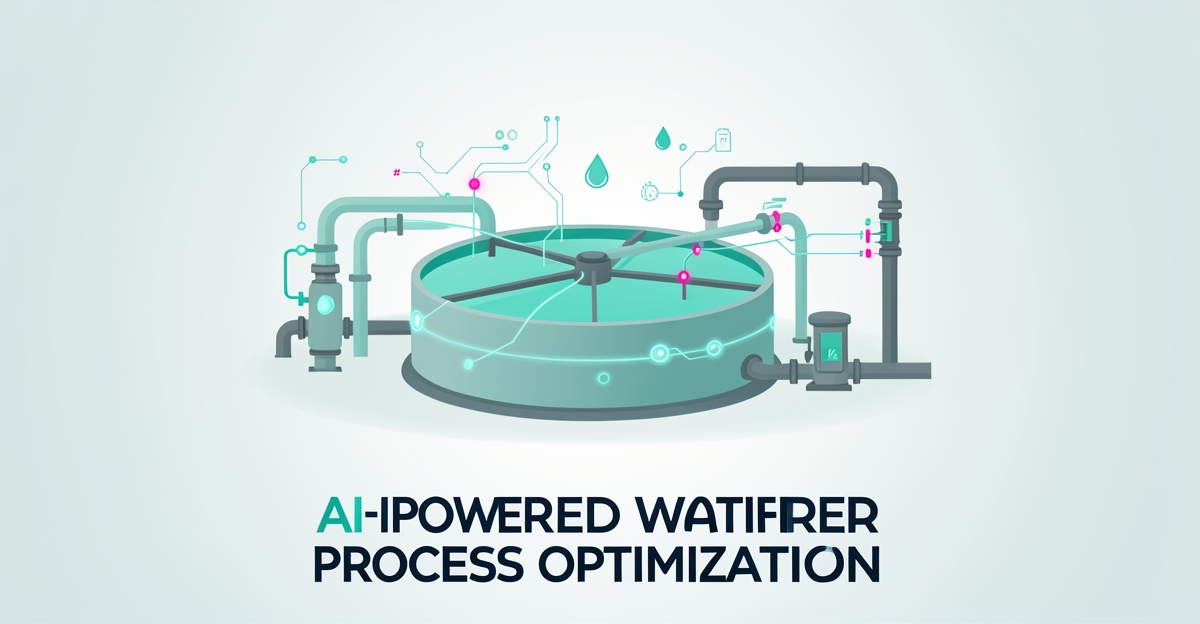
How Water Treatment Companies Can Cut Operational Costs with AI-Powered Process Monitoring
Key Facts
- Filtration, chemical dosing, and maintenance are the three biggest controllable cost areas in a treatment plant
- Real-time sensor data lets operators correct waste as it emerges instead of after the next scheduled round
- Trust, not technology, is the typical barrier that keeps AI monitoring stuck at pilot stage
- Governance controls (isolation, scoped permissions, human-in-the-loop approval) are what make production deployment safe
- AIQ Labs has deployed 200+ multi-agent systems and runs 4 live SaaS products daily
Hire a team member that works 24/7 — for less than a part-time wage.
AI receptionists, SDRs, dispatchers and 99+ roles. Trained on your business, fully managed.
Not sure where to start? Ask our AI planner
The Hidden Cost of Manual Water Treatment Operations
Manual oversight keeps water treatment plants running at a cost premium they can no longer afford. Teams still rely on scheduled checks, operator intuition, and reactive maintenance to manage filtration cycles, chemical dosing, and equipment health.
That approach hides waste in plain sight. Filtration cycles run longer than needed because pressure drops are only logged during rounds. Chemical dosing drifts with manual adjustments and never gets correlated to real influent load. Maintenance follows fixed calendars instead of asset condition, so failures occur between service windows.
The trust gap in automation makes the problem worse. As of late 2026, many organizations experiment with AI agents but hold them out of production because they don't trust the outputs enough to act on them. That hesitation is understandable in water treatment, where a bad automated decision can affect compliance, but it also means proven efficiency gains sit on the shelf.
Without real-time visibility, operators cannot respond quickly to changes. Digital water platforms that stream live plant data show how immediate access enables rapid response to operational shifts. Advanced analytics then identify patterns and anomalies that manual logs miss, supporting data-driven decisions instead of guesswork.
The cost drivers compound across three core areas:
- Filtration cycles that extend beyond optimal run times, increasing energy use and media wear
- Chemical dosing based on averages rather than live water quality, creating overuse and compliance risk
- Maintenance schedules tied to calendar intervals instead of predictive condition signals
Labor is consumed chasing symptoms. Teams spend hours reconciling dashboards, verifying sensor readings, and dispatching technicians for issues that could have been flagged earlier. That manual loop reduces overall efficiency and limits capacity to scale without adding headcount.
Real-time AI monitoring changes the decision point from reactive to predictive. Systems can detect inefficiencies in filtration cycles, chemical dosing, and maintenance schedules as they emerge, reducing waste and labor while improving reliability. AIQ Labs helps water treatment businesses build custom AI systems that automate workflow decisions based on real-time sensor data, see our AI Workflow Builds for how a single high-cost workflow gets rebuilt on a fixed price.
Governance remains the bottleneck to deployment. Organizations typically need to isolate agents by default, scope permissions tightly, and require human-in-the-loop approval for agentic tasks. When those controls are missing, trust stalls at pilot and production value never materializes.
The hidden cost is not just energy and chemicals. It is the opportunity cost of running a plant with incomplete information while proven automation sits idle in pilot projects.
How AI-Powered Process Monitoring Detects and Eliminates Waste
Water treatment margins shrink when small inefficiencies compound across filtration cycles, chemical dosing, and maintenance schedules. AI-powered process monitoring turns those hidden losses into visible, actionable data before they impact cost or compliance.
Real-time data access gives operators immediate visibility into plant performance. Live streaming of pressure, turbidity, and flow replaces manual rounds and delayed logs with continuous situational awareness, so changes in operations get a response in minutes rather than at the next shift check.
Advanced analytics layer on top of the stream to find patterns humans miss. The system flags drift in pressure, turbidity, or flow before a filter blinds or a pump overloads, enabling data-driven decisions instead of reactive fixes.
AI-driven tools then close the loop from detection to action. For filtration, the model learns optimal backwash timing instead of fixed intervals. For chemical dosing, it correlates feed rates with influent quality to avoid overfeed. For maintenance, it watches vibration, temperature, and throughput signals to schedule service based on actual asset condition.
The waste reduction shows up in three operational areas:
- Filtration cycles are shortened or extended based on actual loading, not schedules, cutting water loss and energy use
- Chemical dosing is tuned to real-time demand, reducing reagent spend and discharge risk
- Maintenance moves from calendar-based to condition-based, preventing unplanned downtime
These gains compound. Plants that adopt continuous monitoring typically report lower operational costs from catching inefficiencies in filtration cycles, chemical dosing, and maintenance schedules early, plus improved reliability from acting on real-time data instead of lagging indicators.
Adoption is still maturing across the industry. Many operators run AI in pilot mode but hesitate to bring it into production because they don't yet trust it for critical decisions. That trust gap is why governance matters in water treatment: isolate by default, scope permissions, and keep human-in-the-loop approval for agentic tasks.
AIQ Labs helps water treatment businesses build custom AI systems that automate workflow decisions based on real-time sensor data, ensuring consistent performance without manual oversight. The focus is on real-time visibility and practical automation, not dashboards for their own sake. With the right architecture, process monitoring becomes a continuous cost control system that works 24/7, and with AI Employees, you can staff the monitoring and dispatching layer at a fraction of a human hire's cost.
Implementing Trustworthy AI: From Pilot to Production in Water Treatment
Many water treatment organizations experiment with AI agents but struggle to move beyond pilot projects due to trust and reliability concerns. This gap between experimentation and deployment represents a significant opportunity for facilities seeking to reduce operational costs through smarter process monitoring, the technology works; the deployment discipline is what's missing.
To bridge this gap, AIQ Labs recommends a structured implementation approach grounded in three core governance controls: isolate, scope, and approve. First, isolate AI agents by default with zero outbound access to prevent unauthorized system interactions. Second, scope permissions tightly and implement real-time monitoring to ensure agents only access necessary data and functions. Third, approve all agentic tasks with a human in the loop to validate outputs before they influence critical decisions like chemical dosing or filtration cycle adjustments. These controls create the trust foundation needed for production deployment.
Personnel training and continuous evaluation complete the implementation roadmap. Operators must understand both how to interact with AI monitoring systems and when to override automated recommendations based on process knowledge. Regular performance reviews should assess detection accuracy for inefficiencies in filtration cycles, chemical dosing, and maintenance schedules, key areas where AI reduces waste and labor. By combining governance controls with skilled personnel and ongoing optimization, water treatment companies can confidently scale AI from pilot to production, unlocking sustainable operational improvements. For organizations ready to begin this journey, AIQ Labs offers a free 30-minute strategy call to map automation opportunities and assess readiness, starting with the two-minute Fit Check at https://aiqlabs.ai/apply.
Still paying for 10+ subscriptions that don’t talk to each other?
We build custom AI systems you own outright. No vendor lock-in. Full control.
Not sure where to start? Ask our AI planner
Frequently Asked Questions
How does AI-powered process monitoring actually cut costs in a water treatment plant?
Can AI really replace manual operator rounds and scheduled maintenance checks?
What happens to chemical dosing when we switch to AI monitoring?
Why do so many AI projects stall at the pilot stage?
Isn't AI monitoring too expensive or complex for a mid-sized water treatment operation?
How do we make sure AI recommendations are safe to act on for things like dosing?
Turning Hidden Waste into Measurable Gains
Water treatment plants lose money every day through extended filtration cycles, imprecise chemical dosing, and calendar-based maintenance, inefficiencies that compound silently while operators rely on manual checks and intuition. AI-powered process monitoring changes that by delivering real-time visibility, detecting waste as it happens, and enabling predictive actions that cut energy use, reduce chemical overuse, and prevent unplanned downtime. The real barrier isn't the technology, it's trust. With governance controls like isolation, scoped permissions, and human-in-the-loop approval, water treatment companies can move beyond pilots to production-ready AI that works 24/7. AIQ Labs helps build these custom systems with full ownership, integration, and ongoing support so your plant runs smarter, not harder. To see where your biggest savings lie, start with a free two-minute Fit Check at https://aiqlabs.ai/apply and map your automation opportunities in a no-obligation strategy call.
Make AI your competitive advantage — not just another tool.
Strategy, implementation and ongoing optimization. One partner, end to end.
Not sure where to start? Ask our AI planner