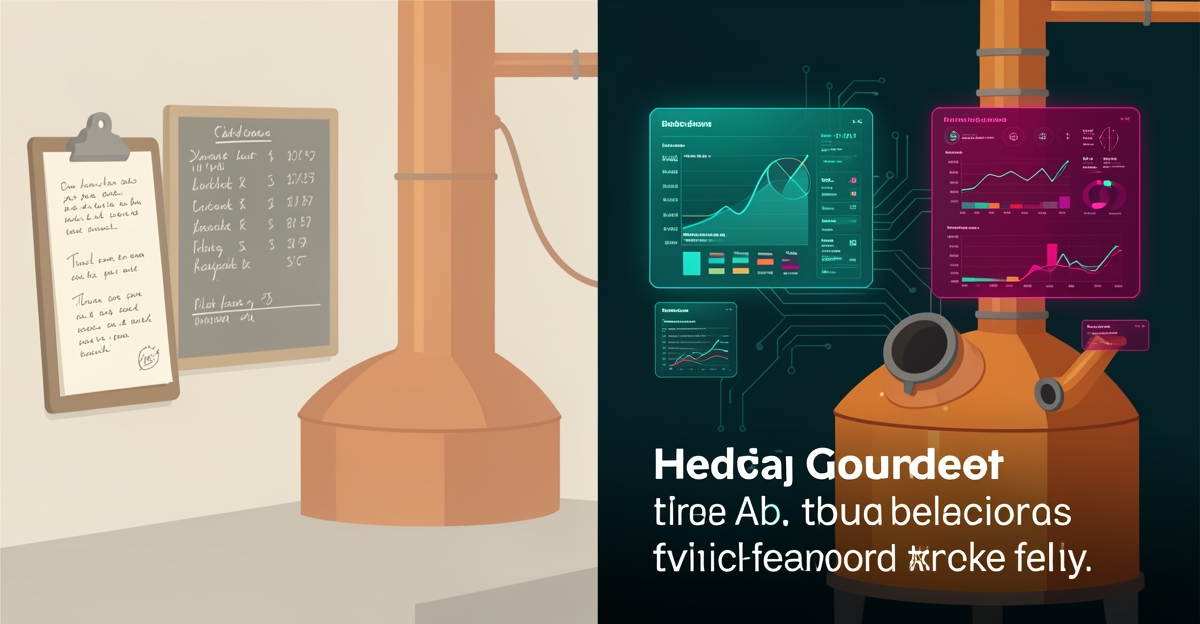
In-House vs. AI: Which Is Better for Brewpub Operations? A Practical Comparison
Key Facts
- Breweries using automation commonly report saving 20+ hours per week on fermentation monitoring, inventory, and quality control
- AI-assisted demand planning is typically credited with cutting overproduction by 15-30%
- AI-powered quality control is reported to reduce batch-to-batch inconsistency by around 40%
- Predictive reordering can lower inventory carrying costs by an estimated 10-20%
- Automated TTB reporting is often described as dropping monthly compliance time from roughly 12 hours to under 1 hour
- AI demand forecasting has been credited with reducing overproduction by roughly 22% in industry analyses
Hire a team member that works 24/7 — for less than a part-time wage.
AI receptionists, SDRs, dispatchers and 99+ roles. Trained on your business, fully managed.
Not sure where to start? Ask our AI planner
The Hidden Cost of Manual Brewpub Operations
Manual brewpubs bleed margin in the gaps between brewing, serving, and reporting. Staff juggle spreadsheets, clipboard counts, and gut-feel forecasts while the taproom stays busy. That friction shows up as overtime, overproduction, and missed compliance deadlines.
Inventory tracking becomes a daily chase. Kegs move, pours get recorded late, and suppliers are called on instinct rather than data. Industry coverage of brewery automation consistently reports teams reclaiming 20+ hours per week on tasks like fermentation monitoring, inventory management, and quality control once automation takes over.
Demand forecasting is still largely manual. Managers rely on historical sales and weekends, not weather, events, or social signals. The result is overbrewing slow sellers and stockouts on core taps. Analyses of brewery operations commonly link automated forecasting to 15-30% reductions in overproduction, money that would otherwise sit in slow-moving kegs and excess ingredients.
Compliance reporting adds hidden labor. TTB reporting alone can consume around 12 hours per month with manual data collection. Beverage industry coverage of AI automation suggests that can drop to under 1 hour once reporting is automated.
The manual burden clusters in repeatable, high-risk workflows:
- Inventory tracking and reorder timing done by spreadsheets and visual checks
- Demand forecasting based on memory and last month’s sales
- Compliance reporting compiled manually for regulators
- Quality checks and batch notes recorded inconsistently
Each task is small alone. Together they create labor-intensive drag that limits growth without adding headcount. Errors compound: excess grain and hops sit in storage, cash is tied up in slow-moving kegs, and staff spend evenings reconciling instead of improving guest experience.
The cost is not just hours. It is accuracy. Manual systems increase batch-to-batch inconsistency and raise the risk of late filings. For brewpubs trying to scale, the operational ceiling is set by how much time the team can give up to admin work.
This is where a structured implementation matters. AIQ Labs works with brewpubs to map the highest-impact workflow first, then rebuilds it with automation that connects to existing POS, inventory, and accounting tools. The goal is not to replace craft, but to eliminate the guesswork and busywork that erode profit. You can see how that works on the AI Workflow Builds page.
When manual processes are the bottleneck, removing them frees the team to focus on brewing, service, and community, the parts of the business no algorithm can replicate.
How AI Delivers Measurable ROI in Brewpub Operations
For brewpubs squeezed between rising ingredient costs and tight staffing, AI is moving from experiment to balance-sheet impact. The financial case is built on measurable gains in production, inventory, and labor that compound quickly.
The honest way to frame the numbers: results vary by brewery size and starting point, but the pattern across industry reporting is consistent. Savings hit multiple cost centers at once, labor, waste, and inventory, rather than delivering a single efficiency tweak.
Labor reallocation is one of the clearest wins. Breweries using AI automation commonly report saving 20+ hours per week on tasks like fermentation monitoring, inventory management, and quality control. Those hours shift from repetitive checks to higher-value taproom and production work, supporting growth without hiring new staff. Where the work is administrative rather than hands-on, AI Employees can take entire roles off the payroll at a fraction of the cost of a human hire.
Production consistency and waste reduction drive margin protection. AI-powered quality control is reported to reduce batch-to-batch inconsistency by around 40%, while automated forecasting is typically credited with 15-30% less overproduction. Those gains come from continuous monitoring and early issue detection rather than periodic manual testing.
Inventory carrying costs also fall as forecasting improves. Predictive reordering is estimated to cut carrying costs by 10-20%, while reducing both stockouts and excess hops, grain, and packaging tied up in storage.
The measurable benefits typically cluster around:
- Labor efficiency: 20+ hours per week saved on monitoring, inventory, and quality tasks
- Quality and waste: roughly 40% less batch inconsistency and 15-30% less overproduction
- Inventory optimization: an estimated 10-20% lower carrying costs with predictive ordering
- Compliance: monthly TTB reporting cut from roughly 12 hours to under 1 hour
These outcomes align with how AIQ Labs approaches automation for brewpubs: start with the one workflow that costs the most, fix it at a fixed price, and scale from there. Financial gains are realized early and expanded intentionally, with everything integrated into the POS, inventory, and accounting systems you already run.
A Phased, Low-Risk Path to AI Adoption for Brewpubs
A practical path to AI adoption starts small and scales with confidence. Brewpubs can begin by targeting one high-impact workflow like inventory management or compliance reporting, where automation delivers immediate value with minimal disruption. AI-powered inventory forecasting can meaningfully reduce excess stock and improve cash flow through optimized ordering, while automated TTB reporting cuts monthly compliance time from roughly 12 hours to under 1 hour. These focused wins build momentum and prove value before expanding to broader applications.
Integrating AI with existing systems ensures a smooth transition. Custom builds connect directly with POS platforms, accounting software like QuickBooks or Xero, and scheduling tools through API integrations, creating a unified operational flow without replacing current tools. This approach eliminates manual data entry and the errors that come with it. Staff retain familiarity with their workflows while gaining speed and accuracy.
AIQ Labs supports this phased journey through its AI Workflow Builds service, guiding brewpubs from assessment to deployment with clear milestones. The Build in Milestones payment model lets you approve and pay for each phase as it ships, and you keep everything built so far if you pause or adjust. Starting with a single workflow, such as demand forecasting, credited in industry analyses with reducing overproduction by roughly 22%, delivers fast results and lays the foundation for scaling into a full AI Operating System that connects production, sales, and service in one layer you own outright. Each step strengthens ownership, minimizes risk, and aligns AI growth with business readiness.
Brew Better, Not Harder
Manual brewpub operations quietly erode margin through overtime, overproduction, and late compliance. Spreadsheets and gut-feel forecasts create the drag you feel in inventory chases, stockouts on core taps, and evenings spent reconciling instead of improving guest experience. AI doesn’t replace craft; it removes the guesswork and busywork that compound errors and cap growth. The pattern across industry reporting is consistent: 20+ hours per week reclaimed from monitoring and inventory, 15-30% less overproduction, and TTB reporting cut from roughly 12 hours a month to under 1 hour. A low-risk path starts with one high-impact workflow, inventory forecasting or compliance, integrated with your existing POS, accounting, and inventory tools, then scales by milestones you control and pay for as they ship. If you’re ready to map your biggest bottleneck to a clear plan, take the 2-minute Fit Check at aiqlabs.ai/apply, then book a free 30-minute strategy call at aiqlabs.ai/book. It’s a working session to find real ROI, not a sales pitch.
Make AI your competitive advantage — not just another tool.
Strategy, implementation and ongoing optimization. One partner, end to end.
Not sure where to start? Ask our AI planner