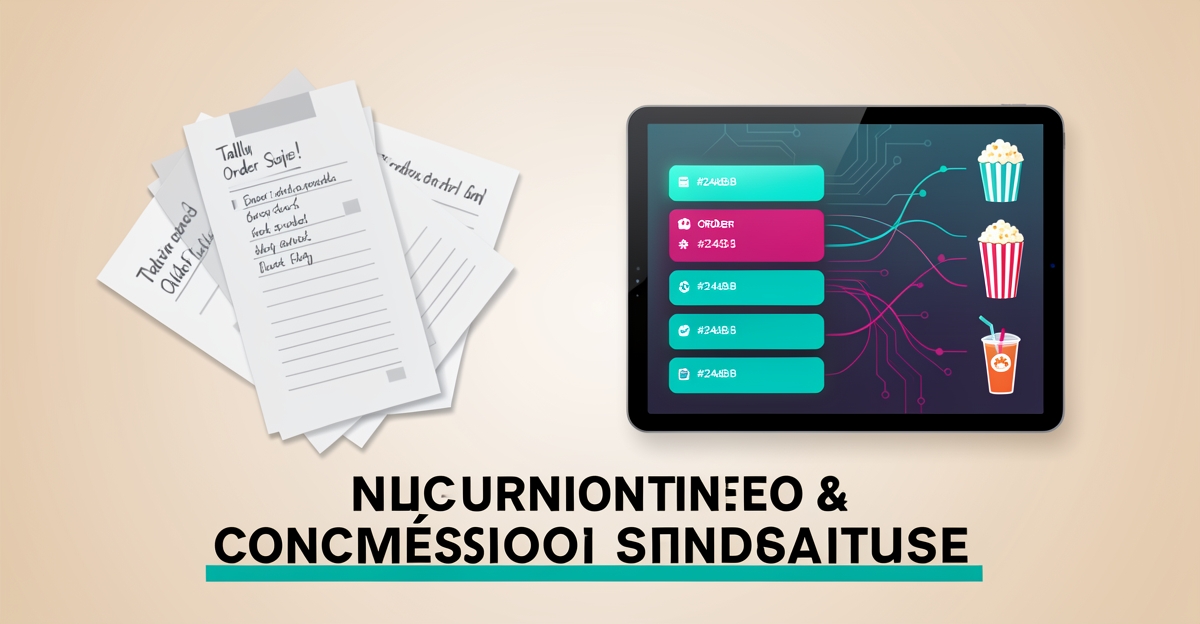
In-House vs AI: Which Is Better for Concession Stand Order Management?
Key Facts
- Manual order systems are deterministic and cannot adapt to rushes the way AI-driven workflows can, per Microsoft architecture guidance
- Mapping processes alone makes organizations more efficient even before AI is introduced, per transformation guidance
- Only a fraction of an AI transformation is actually AI, the rest is process design and adoption work
- Prebuilt tools can cover generic needs, while custom systems fit better when workflows are unique or requirements are stricter
Hire a team member that works 24/7 — for less than a part-time wage.
AI receptionists, SDRs, dispatchers and 99+ roles. Trained on your business, fully managed.
Not sure where to start? Ask our AI planner
The Hidden Cost of Manual Order Management at Concession Stands
Every busy Saturday, the same scene plays out: a paper ticket gets lost between the register and the grill, a customer waits twenty minutes for an order that was never logged, and a manager spends the entire rush buried in a spreadsheet instead of running the stand. Manual order management doesn't just slow things down, it quietly drains money from every service window.
The core problem is well understood in the world of process automation. Experts recommend starting any transformation by identifying the most time-consuming or error-prone processes in your organization that could benefit from smarter decision-making, and manual order tracking checks both boxes. Spreadsheets and paper tickets are, by design, deterministic systems: they follow fixed rules like first-come, first-served, with no ability to adapt when a large group order lands mid-rush (see Microsoft's Azure Well-Architected Framework).
That rigidity creates three distinct forms of operational drag:
- Time lost to data entry. Every order must be manually logged, checked off, and verbally relayed, pulling staff away from customers during the exact minutes when speed matters most.
- Human error in prioritization. A static list can't weigh order complexity, wait times, or station workload, so simple orders routinely sit behind complicated ones.
- Staffing inefficiency. Without real-time visibility into order status, managers rely on verbal check-ins and guesswork to balance stations, overstaffing slow periods and understaffing peaks.
The cost of these inefficiencies compounds. Poor scalability is a defining weakness of manual systems, adding more orders or staff increases complexity and the potential for chaos rather than capacity. And because errors in transcription and communication are baked into the process, each rush produces waste in the form of remade orders, refunds, and frustrated customers who may not return.
Interestingly, the first fix costs nothing. As Morning Brew cofounder Alex Lieberman has noted, your company becomes more efficient just by mapping out your processes, even if you don't introduce AI. Mapping the workflow from order capture to hand-off often exposes bottlenecks that were invisible in the daily scramble.
For operators ready to move beyond mapping, the goal is replacing that static spreadsheet with an adaptive system, one that can track orders in real time, prioritize dynamically, and route tasks to the right station based on current workload. That's precisely the kind of single-workflow rebuild AIQ Labs handles with its [AI Workflow Builds](/workflow-builds): one broken process, rebuilt at a fixed price, in phases. The question is no longer whether manual tracking costs you, but how much longer you're willing to pay for it.
How AI Transforms Order Management: From Static Lists to Intelligent Workflow
Forget the clipboard and the frantic shouts across the counter, modern concession stand order management is evolving from a reactive scramble into a proactive, intelligent workflow. Instead of relying on static lists that can't adapt to a sudden rush or a complex custom order, AI-driven systems introduce dynamic prioritization that considers real-time factors like order complexity, current kitchen load, and individual staff availability. This shift transforms order flow from a simple queue into a responsive network where tasks are automatically routed to the most appropriate station or team member based on skill and workload, reducing bottlenecks and miscommunication. The core advantage lies in moving beyond deterministic, rule-based processes (like first-come, first-served spreadsheets) to adaptive behavior that mirrors how an experienced manager would intuitively balance the floor, but with consistent, data-driven precision.
This intelligent automation delivers operational improvements that directly address concession stand pain points. By eliminating manual data entry, reducing transcription errors, and minimizing the lag between order placement and kitchen initiation, AI-driven workflows typically shorten the path from order to fulfillment. Automating the cognitive load of prioritization and assignment also frees staff to focus on food preparation and customer interaction, improving resource allocation and reducing fatigue during peak periods. Real-time tracking visibility empowers managers to make informed decisions on the fly, opening an additional register or reallocating staff based on live data rather than guesswork.
Implementing this transformation doesn't require ripping out existing systems overnight; it follows a proven, people-first journey. The process begins with identifying the specific manual bottleneck, whether it's order taking, kitchen ticket routing, or payment reconciliation, and mapping the current workflow to uncover hidden inefficiencies, a step that alone can boost efficiency even before AI is introduced. Next, collecting sample data like past order slips and common special requests allows for building and testing a simple prototype, perhaps a basic digital queue that alerts staff to the next priority item. Iterating on this prototype with real staff feedback during slow periods ensures the solution fits the stand's unique rhythm before integrating it with live systems like the POS for full automation. Finally, driving adoption through hands-on training and celebrating early wins embeds the new workflow into the team's culture. For concession stands seeking a tailored approach that owns their specific workflow logic and data, partnering with specialists like AIQ Labs for custom [AI Workflow Builds](/workflow-builds) offers a path to replace outdated spreadsheets with an intelligent system built for their exact needs, avoiding the limitations of generic, one-size-fits-all solutions.
A Practical 8-Step Path to AI-Powered Order Management for Your Stand
The fastest way to modernize a concession stand is not to buy a robot, but to fix the workflow that keeps breaking during the rush. A practical path starts with identifying the most time-consuming or error-prone part of order management, whether that is taking orders, relaying them to the kitchen, or juggling a long queue, because transformation research consistently shows this is the first thing teams should target when moving from manual work to AI-assisted operations.
Next, map the current workflow from order intake to fulfillment. In many stands, this step alone exposes duplicate handoffs, unclear ownership, and bottlenecks that were invisible when everyone was simply “doing their job.” Companies often become more efficient just by mapping processes, even before any AI is introduced.
From there, collect real examples: past order slips, common modifications, allergy notes, large group orders, and the weird edge cases that only show up on game day. Then build a simple prototype, test it during slower periods, and improve it with staff feedback. The goal is not polish; it is proof that a better process exists before you invest in a full rollout.
Once the prototype works, connect it to live systems like your POS so orders flow automatically instead of being re-entered by hand. This is where a custom implementation can matter, especially when a stand needs business-specific logic, tighter data control, or deeper integration than a generic tool can provide. Microsoft's AI architecture guidance makes the same distinction: prebuilt tools can be enough for generic needs, while custom models fit better when workflows are unique or requirements are stricter.
After integration, roll the system out with hands-on training and clear escalation rules. Staff should know what the AI handles, what still needs a human decision, and how to flag problems quickly. That people-first rollout matters because successful adoption depends on process design, not just software.
- Identify the slowest or most error-prone order task
- Map the full order workflow from intake to pickup
- Collect real order data, exceptions, and edge cases
- Prototype, test, integrate with POS, then train staff
Finally, measure what changes after launch. Track order speed, error reduction, staff workload, and customer wait times so you can separate real ROI from novelty. As of late 2026, intelligent automation is increasingly standard operating infrastructure rather than a niche experiment, the operators who adopt it early compound the advantage across every rush, every shift, and every order.
For operators who want help turning that roadmap into a working system, AIQ Labs approaches it the same way: start with the bottleneck, build around the real workflow, integrate with existing tools, and deliver an owned system instead of layering on more spreadsheet chaos. Depending on your situation, that might mean a single [Workflow Build](/workflow-builds), managed [AI Employees](/ai-employees) handling order intake and customer communication, or a phased [AI Operating System](/ai-operating-systems) that connects the whole stand. That matters in a concession environment, where small process gains compound fast across every rush, every shift, and every order.
Still paying for 10+ subscriptions that don’t talk to each other?
We build custom AI systems you own outright. No vendor lock-in. Full control.
Not sure where to start? Ask our AI planner
Frequently Asked Questions
Is manual order tracking really costing my concession stand money?
How is AI order management different from just using a spreadsheet?
Do I need to rip out my POS to get AI order management?
What kind of time savings can AI actually deliver for order fulfillment?
Should I buy a pre-built app or build a custom AI system for my stand?
Is AI for concession stands just a trend?
Turn Rush Hour Chaos into Your Competitive Edge
Manual order management at concession stands isn't just inconvenient, it's a silent profit drain. From lost tickets and misprioritized orders to staffing guesswork, every rush compounds inefficiencies that eat into revenue and customer loyalty. The good news? You don't need to overhaul everything to start winning back time and accuracy. Simply mapping your current workflow can expose hidden bottlenecks, and from there, a phased, people-first approach, prototyping, testing, and integrating with your POS, lets you replace static spreadsheets with an adaptive system that prioritizes intelligently and scales with demand. AIQ Labs helps operators build owned AI workflows that turn operational chaos into consistent, measurable gains. Ready to see where your biggest win lies? Start with the [2-minute Fit Check](/apply) and book a free 30-minute strategy call to map your bottleneck and explore a clear, no-obligation path forward.
Make AI your competitive advantage — not just another tool.
Strategy, implementation and ongoing optimization. One partner, end to end.
Not sure where to start? Ask our AI planner