In-House vs. AI: Which Is Better for Day Spa Client Scheduling?
Key Facts
- Roughly one in five EU enterprises reported using AI technologies as of recent Eurostat surveys, with adoption far higher among large enterprises.
- Lack of relevant expertise is consistently the most commonly cited barrier among enterprises that considered AI but didn't adopt it, per Eurostat.
- Independent reviewers, including Wirecutter, have spent 40+ hours testing AI scheduling tools, evaluating 16 apps over a multi-year period.
- Industry analysis suggests roughly 1 in 20 AI requests can fail once applications reach scale, which is why operational maintenance matters.
Hire a team member that works 24/7 — for less than a part-time wage.
AI receptionists, SDRs, dispatchers and 99+ roles. Trained on your business, fully managed.
Not sure where to start? Ask our AI planner
The Scheduling Bottleneck Growing Spas Can't Ignore
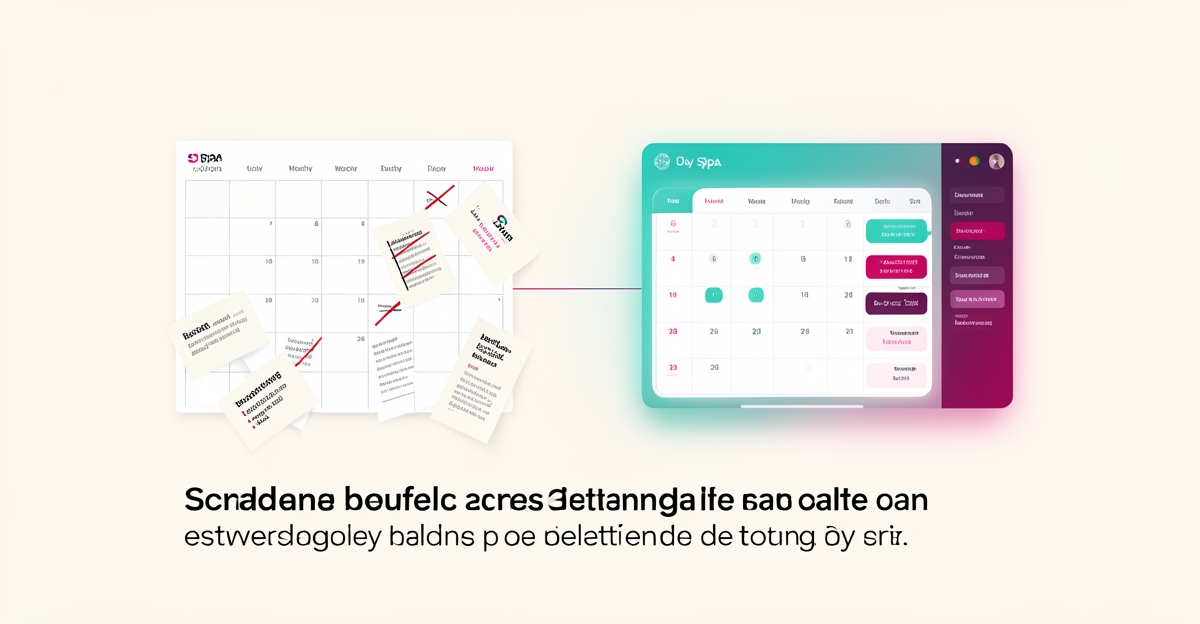
Spas experiencing growth often hit a scheduling wall they didn’t see coming. Manual booking systems that worked for a handful of clients become inefficient, inconsistent, and error-prone as demand increases. The result is a bottleneck that slows operations, frustrates staff, and diminishes the client experience, exactly when a spa should be scaling smoothly.
Manual scheduling creates significant inefficiencies, with staff spending excessive time on booking, rescheduling, and correcting errors. This low efficiency directly limits a spa’s ability to grow without adding administrative headcount. Inconsistency in how appointments are managed leads to variable client experiences, where some guests receive prompt confirmations while others face delays or mistakes. As complexity rises with multiple therapists, services, and time slots, the cognitive load on staff increases, raising the likelihood of double-bookings or missed appointments.
These challenges are compounded by the hidden cost of staff time diverted from client-facing duties to administrative tasks. Every minute spent on scheduling is a minute not spent enhancing the guest experience or driving revenue. For growing spas, this trade-off becomes unsustainable, turning what should be a strength, personalized service, into a liability. Addressing this bottleneck is critical for spas aiming to scale without sacrificing quality or consistency. To explore how AI-powered scheduling can resolve these issues, complete the two-minute Fit Check at https://aiqlabs.ai/apply and book a free 30-minute strategy call to map your biggest bottleneck and identify high-ROI automation opportunities.
What AI-Powered Scheduling Actually Delivers
Growing day spas hit a scheduling wall when manual calendars can no longer keep pace with demand. AI-powered scheduling changes that equation by replacing variable human handling with consistent, automated workflows.
AI systems deliver better scalability and consistency for spas adding locations, services, or staff. Manual scheduling is limited and variable, while AI-powered scheduling is consistent and scales with demand. Adoption continues to accelerate, recent Eurostat surveys show roughly one in five EU enterprises using AI, with large enterprises adopting at far higher rates.
Efficiency rises and manual errors fall when routine booking tasks are automated. The comparison is stark: manual scheduling shows low efficiency and high complexity, while AI-powered scheduling shows high efficiency and low complexity. Independent testing backs the category’s maturity, Wirecutter alone spent 40 hours researching and testing AI scheduling tools, evaluating 16 apps over a multi-year period.
Client satisfaction improves because AI maintains consistent availability, reminders, and confirmations without fatigue. That consistency is especially valuable for spas where experience drives retention.
AI also handles complex multi-booking scenarios that overwhelm manual processes. Multiple services, therapist skill sets, room constraints, and buffer times can be optimized in real time rather than by trial and error. The ability to handle complex scheduling tasks and multiple bookings is a core advantage of the category.
Implementation still requires care. Proper implementation and training are crucial to ensure successful adoption of AI-powered scheduling systems. Common barriers mirror broader AI adoption, Eurostat surveys consistently find lack of relevant expertise is the most cited reason enterprises that considered AI never adopted it.
For day spas evaluating the move, AI scheduling delivers measurable operational gains:
- Scalability that grows with bookings without adding front-desk headcount
- Consistent execution of confirmations, reminders, and rescheduling rules
- Reduced manual errors and faster booking completion
- Improved client satisfaction through reliable experience
This is where AI Workflow Builds fit naturally: rebuild the one workflow that costs you the most, reception and scheduling, at a fixed price, in phases. AIQ Labs helps businesses transition smoothly from in-house to AI-driven scheduling with production-ready systems, focusing on time saved, error reduction, and client satisfaction. For spas that want a full front-desk team without the headcount, AI Employees offer managed AI receptionists and schedulers at a fraction of the cost of a human hire.
Adoption Risks and Why Implementation Matters
Adopting an AI-powered scheduling system can transform the way day spas manage client bookings, but it also comes with its share of risks and challenges. One of the most significant barriers to AI adoption is the lack of relevant expertise, consistently the most cited reason among enterprises that considered AI but never adopted it, per Eurostat. This expertise gap can lead to improper implementation, resulting in suboptimal performance and potential errors at scale.
The costs associated with implementing and maintaining AI-powered scheduling systems are another critical consideration. Independent reviewers tested 16 AI scheduling tools over a multi-year period, highlighting the complexity and investment required to select and integrate the right system. Additionally, the potential for errors increases as the system scales, industry analysis suggests roughly 1 in 20 AI requests can fail once applications reach scale. This underscores the need for ongoing maintenance and updates to ensure system accuracy and effectiveness.
To mitigate these risks, it is crucial to approach AI adoption with a well-planned strategy. Key considerations include:
- Assessing the spa's specific needs and selecting a suitable AI-powered scheduling system
- Providing comprehensive training to staff to ensure seamless integration and use
- Regularly monitoring and updating the system to prevent errors and maintain performance
- Establishing clear protocols for handling errors or system failures
By understanding these challenges and taking a structured approach to implementation, day spas can harness the full potential of AI-powered scheduling systems. Proper implementation and training are crucial to avoiding common pitfalls and ensuring that the system enhances operational efficiency and client satisfaction.
While AI adoption comes with its challenges, the benefits of AI-powered scheduling systems make them an attractive solution for growing spas. By acknowledging the potential risks and taking proactive steps to address them, day spas can successfully transition to AI-driven scheduling and reap the rewards of increased efficiency, scalability, and consistency. With the right approach, day spas can overcome the barriers to AI adoption and achieve better scalability and consistency in their scheduling operations.
From Manual to AI: A Practical Transition Plan
Transitioning from manual to AI-powered scheduling requires a clear, step-by-step approach to ensure success. Spas should begin by identifying pain points in their current system, such as double bookings, staff time spent on scheduling, or client complaints about availability. Independent reviewers spent 40 hours evaluating AI scheduling tools, highlighting the importance of thorough evaluation before implementation. Once the need is established, spas can select an approach that aligns with their operational workflows and growth goals. AIQ Labs supports this phase with a free readiness conversation, start with the two-minute Fit Check at https://aiqlabs.ai/apply, then a 30-minute strategy call to prioritize high-value automation targets.
Implementation involves configuring the AI system to integrate with existing tools like calendars, payment processors, and client management software. Staff training is critical to ensure smooth adoption, employees must understand how to oversee the AI, handle exceptions, and leverage its capabilities for improved service. After go-live, ongoing monitoring and maintenance keep the system accurate and effective, with regular updates to adapt to changing demand patterns. AIQ Labs’ Start Monthly and Build in Milestones payment models let spas begin with a focused workflow, such as reception and scheduling, and scale gradually, with the option to own the built system outright. This structured path reduces risk, builds internal confidence, and positions the spa for scalable, consistent client scheduling as it grows. To explore how this transition could work for your business, start with a free strategy call to assess your readiness and identify high-ROI opportunities.
Still paying for 10+ subscriptions that don’t talk to each other?
We build custom AI systems you own outright. No vendor lock-in. Full control.
Not sure where to start? Ask our AI planner
Frequently Asked Questions
What are the main problems with manual scheduling for growing day spas?
How does AI-powered scheduling improve scalability and consistency for day spas?
What evidence supports the effectiveness of AI scheduling tools for businesses like day spas?
What are the most common barriers to adopting AI-powered scheduling in day spas?
Can AI scheduling handle complex booking scenarios like multiple services or therapist availability?
What steps should a day spa take to successfully transition from manual to AI-powered scheduling?
Your Booking Book Shouldn't Be the Reason You Can't Grow
The verdict is clear: for a day spa with ambitions beyond its current size, manual scheduling is the ceiling. In-house booking creates a bottleneck of errors, inconsistent client experiences, and staff hours diverted from the treatment room to the calendar, while AI-powered scheduling delivers better scalability, consistency, and client satisfaction. The transition, however, isn't about flipping a switch. It requires honest assessment of your pain points, careful system selection, proper staff training, and ongoing monitoring, especially given that lack of relevant expertise is the most commonly cited reason enterprises never adopted AI in the first place. That's exactly the gap AIQ Labs fills: production-ready AI scheduling systems your spa can own outright, with phased options like Build in Milestones that let you start with reception and scheduling and scale gradually. Your next step is simple and risk-free: complete the two-minute Fit Check at https://aiqlabs.ai/apply and book a free 30-minute strategy call to map your biggest scheduling bottleneck. If there isn't a clear win, they'll tell you that too, no obligation, just clarity.
Make AI your competitive advantage — not just another tool.
Strategy, implementation and ongoing optimization. One partner, end to end.
Not sure where to start? Ask our AI planner