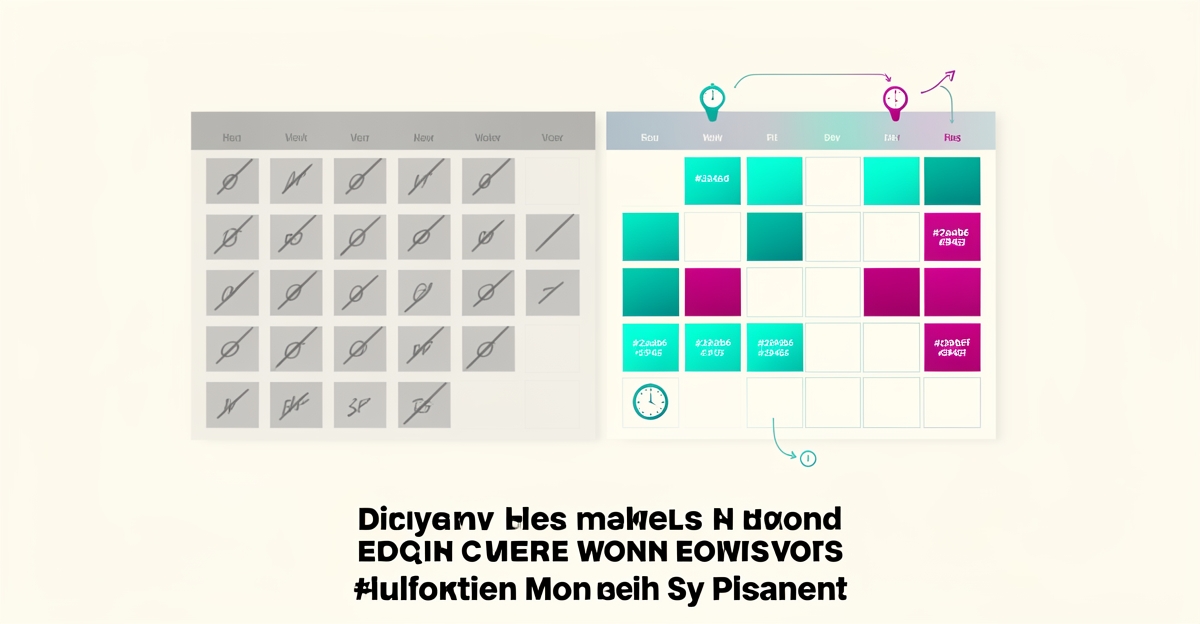
In-House vs. AI: Which Is Better for Managing Diner Shifts and Staffing?
Key Facts
- AI scheduling can reduce time spent creating schedules by 80–90% compared to manual methods according to industry research
- Modern AI scheduling can cut administrative time by up to 50% while boosting efficiency by around 30% workforce management studies show
- Deloitte surveyed 375 restaurant executives across 11 markets and found forecasting is AI's most proven use case according to global research
- Manual scheduling works until your team grows, then the cracks start showing TCP Software warns
- Restaurant365 serves over 50,000 restaurants with integrated workforce management and training tools according to their platform data
- Winking Lizard Tavern completes 2,000 training modules monthly after adopting integrated workforce management case studies reveal
- 7shifts offers a free plan for up to 15 employees, with paid tiers starting at $39.99 per location monthly pricing guides show
Hire a team member that works 24/7 — for less than a part-time wage.
AI receptionists, SDRs, dispatchers and 99+ roles. Trained on your business, fully managed.
Not sure where to start? Ask our AI planner
The Hidden Cost of Manual Shift Scheduling in Diners
Manual shift scheduling in diners feels familiar until the hidden costs start showing up on the P&L. Spreadsheets, paper rosters and gut instinct create admin drag that eats manager time and erodes margins every week.
Managers spend hours building schedules, chasing confirmations and reworking rosters after call-outs. Industry research shows AI scheduling can reduce the time spent creating schedules by 80–90% compared to manual methods. That admin burden pulls leaders out of the dining room and into spreadsheet mode.
Error rates climb as complexity grows. Double-booking, missed breaks and overtime miscalculations slip through when rules are tracked by hand. As TCP Software notes, manual scheduling might have worked when your team was small, but as your organization grows, the cracks start to show.
Compliance risk is another silent cost. Without automated checks, rest periods, labor law limits and union rules are enforced manually, increasing exposure to violations. Traditional tools also lack conflict detection, so managers discover problems after schedules are posted.
Labor waste compounds the problem. Gut-based staffing leads to overstaffing during slow periods and understaffing during rushes, directly hitting food cost and guest experience. Modern workforce guides report up to 50% reduction in administrative time through AI-driven auto-scheduling, with efficiency gains of around 30%.
The drag shows up daily as:
- Hours lost to manual roster builds and shift chasing
- Compliance exposure from missed breaks and overtime
- Over- and understaffing from static, average-based forecasts
- Manager burnout from reactive firefighting instead of coaching
These costs are hard to see on a single schedule, but they accumulate across locations and pay periods. Staff frustration rises when shifts feel unfair or last-minute changes are constant, feeding turnover.
Moving from manual to AI-driven scheduling is not just a software swap; it requires change management and training so managers interpret data and staff adopt self-service tools. AIQ Labs supports diners here through AI Workflow Builds, rebuilding the scheduling workflow that costs you the most, at a fixed price and in phases, so adoption sticks without a big-bang disruption.
With the right support, manual scheduling’s hidden tax becomes visible and manageable. Admin drag, compliance risk and labor waste shrink as teams move from reactive rosters to demand-aligned planning.
How AI Scheduling Changes Forecasting, Compliance and Adaptability
Forecasting has emerged as the most proven AI use case in restaurant operations, transforming how diners anticipate and respond to demand. AI-driven scheduling systems analyze historical POS data, weather patterns, and local traffic to generate labor forecasts that adjust in real time, moving beyond static averages to continuous, in-shift optimization. This approach allows managers to right-size staffing levels, reducing both overstaffing waste and understaffing risks during peak periods. As noted in Deloitte’s global survey of 375 restaurant executives across 11 markets, forecasting and inventory management are already delivering measurable value by enabling proactive adjustments before costs escalate.
Beyond forecasting, AI scheduling automates compliance with labor laws and union agreements, flagging potential violations like overtime limits or missed breaks before schedules are published. When unexpected changes occur, such as a last-minute call-out, the system instantly identifies qualified replacements who match required skills and availability, checks compliance rules, and notifies staff via mobile apps. This real-time adaptability ensures operational continuity without requiring managers to manually scramble for coverage, freeing them to focus on team leadership and guest experience.
Employee satisfaction also improves through self-service features that let staff view schedules, swap shifts, and submit availability preferences via mobile apps. By considering individual preferences and ensuring fair distribution of shifts, AI tools boost morale and retention, key factors in an industry where turnover remains high. AIQ Labs supports this transition by building scheduling and dispatch workflows into a connected system your team actually uses, whether as a standalone workflow build or as part of a broader AI Operating System for your whole operation. The result is a scheduling function that shifts from administrative burden to strategic advantage, grounded in data-driven forecasting as its most validated application.
Manual vs AI: Time, Accuracy and Scale Compared
Manual scheduling in diners often consumes significant manager time and introduces avoidable errors, while AI-driven tools transform this process into a streamlined, data-informed function. Traditional methods relying on spreadsheets or paper rosters require hours or days to compile schedules, frequently resulting in double-booking, missed breaks, or non-compliance with labor laws due to manual tracking limitations. In contrast, AI scheduling tools generate optimized rosters in minutes by analyzing historical sales, traffic patterns, and real-time demand, typically reducing scheduling time by 80–90% compared to manual approaches.
This time savings directly translates to administrative efficiency, with modern AI-powered systems cutting administrative workload by up to 50% through auto-scheduling and compliance automation. By eliminating repetitive tasks like chasing shift confirmations or recalculating rosters after call-outs, managers reclaim hours each week to focus on team leadership, training, and guest experience rather than administrative overhead. AI systems further enhance accuracy by automatically enforcing labor rules, flagging potential violations before schedules are published, and instantly identifying qualified replacements when unexpected absences occur, minimizing both legal risk and operational disruption.
Beyond time and accuracy, AI scheduling excels in scalability and adaptability, particularly for growing diner operations. Unlike manual methods that become unmanageable with additional locations or staff, AI platforms handle complex shift patterns, multi-site coordination, and dynamic demand fluctuations with ease. They continuously refine forecasts using real-time POS data, enabling proactive adjustments to staffing levels that prevent overstaffing during lulls and understaffing during rushes. For diners navigating this transition, AIQ Labs builds the scheduling workflow in phases so teams adopt it without disruption, and for roles that stay hard to cover, AI Employees can handle dispatching and coordination at roughly 80% less cost than a human hire.
- Demand-based forecasting aligns labor with actual sales trends
- Automated compliance reduces legal and financial risks
- Real-time adaptability ensures coverage during call-outs or demand spikes
- Employee self-service features improve satisfaction and retention
- Integration with POS and payroll eliminates manual data entry
Transitioning from In-House to AI Without Disrupting Service
Transitioning from manual staffing to AI-powered scheduling doesn’t have to mean service disruption, it can be a smooth, strategic evolution when approached with clear steps and the right support. The process begins with assessing current pain points, such as excessive time spent on scheduling, frequent compliance issues, or labor costs misaligned with demand. Research shows AI scheduling can reduce the time spent creating schedules by 80–90% compared to manual methods, freeing managers to focus on team leadership and guest experience. Defining specific requirements, like team size, shift complexity, and needed integrations with POS or payroll systems, ensures the chosen solution fits operational realities.
Next, diners should select a platform with strong AI forecasting capabilities, compliance automation, and mobile access, then prepare historical data and configure labor rules, employee skills, and shift templates. Running a pilot test in a controlled environment allows managers and staff to provide feedback on usability and accuracy before full rollout. Comprehensive training is essential: employees need to understand self-service features like shift swapping and mobile access, while managers must learn to interpret AI-generated insights for real-time staffing adjustments. As noted in one case study, integrating workforce management with training modules helped standardize expectations and improve leadership alignment. Finally, continuous monitoring and optimization based on real-world data ensure the system evolves with the business, scaling efficiently across locations if needed. AIQ Labs structures this journey in milestones, you start monthly, build in milestones, and can own the system outright, so adoption happens at your pace, not a vendor’s. Winking Lizard Tavern’s experience demonstrates how structured training and change management drive successful adoption, turning AI from a tool into a sustainable capability. To begin, take the 2-minute Fit Check to see if AI scheduling fits your operation, then schedule your free 30-minute strategy call to map a clear path forward. Prefer email? Reach the team at [email protected].
Still paying for 10+ subscriptions that don’t talk to each other?
We build custom AI systems you own outright. No vendor lock-in. Full control.
Not sure where to start? Ask our AI planner
Frequently Asked Questions
How much time can AI scheduling actually save compared to manual methods in diners?
What are the main hidden costs of manual shift scheduling in diners?
Does AI scheduling really improve compliance with labor laws in restaurants?
How does AI forecasting improve staffing accuracy in diners?
Will switching to AI scheduling disrupt our diner's daily operations?
How do employees typically respond to AI-powered scheduling tools?
Turn Scheduling Chaos into Your Competitive Edge
The hidden costs of manual shift scheduling, admin drag, compliance risk, and labor waste, don’t just live in spreadsheets; they erode margins, frustrate teams, and pull managers away from what matters most: leading staff and serving guests. As the data shows, AI-driven scheduling can cut scheduling time by 80–90% and reduce administrative workload by up to 50%, turning a reactive chore into a strategic advantage. But technology alone isn’t the answer, it’s the combination of smart tools and thoughtful change management that creates lasting impact. AIQ Labs helps diners make this shift not just smoothly, but sustainably, by rebuilding your scheduling workflow in phases at a fixed price, so your team adopts new workflows with confidence and you own the result outright. Ready to see where your biggest scheduling bottlenecks lie and how to fix them? Take the 2-minute Fit Check, then schedule your free 30-minute strategy call to map your move to smarter, demand-aligned staffing.
Make AI your competitive advantage — not just another tool.
Strategy, implementation and ongoing optimization. One partner, end to end.
Not sure where to start? Ask our AI planner