In-House vs AI: Which Is Better for Parent Communication in Preschools?
Key Facts
- Most parent questions to a preschool are routine and repeatable: schedules, policies, pickup logistics, forms
- Many parent inquiries arrive outside business hours, precisely when preschool staff are unavailable but parents are thinking about logistics
- AI answers routine questions instantly and consistently; it should never own sensitive conversations about child development or family circumstances
- Generic, off-the-shelf chatbots fail because they lack your school's actual policies, calendars, and tone, customization isn't optional
- The winning model is hybrid: AI handles the repeatable, humans own the nuanced and emotional
- A careful rollout, audit, define roles, pilot one channel, review weekly, protects trust with families while freeing staff time
Hire a team member that works 24/7 — for less than a part-time wage.
AI receptionists, SDRs, dispatchers and 99+ roles. Trained on your business, fully managed.
Not sure where to start? Ask our AI planner
The Parent Communication Bottleneck Draining Your Staff
It's 8:47 a.m. Two parents are texting about whether it's a half day, one is asking about the snow-day policy for the third time, and a teacher is crouched at the sensory table trying to finish circle time while fielding a call about an early pickup. This is the daily reality of preschool communication, and it's quietly consuming your staff's time and attention.
The problem isn't a lack of tools or effort. It's that routine questions, pickup logistics, policy clarifications, schedule confirmations, arrive constantly, and they land on the same people responsible for nurturing young children. Every minute spent answering "what time does pickup end?" is a minute not spent with a child or a parent who genuinely needs a conversation.
This is why the in-house vs AI question matters now. It isn't really a technology debate; it's a question of where your staff's scarce attention goes. Routine communication doesn't need to sit on human shoulders at all.
Look at any service business drowning in repetitive, policy-heavy questions and you'll see the same pattern: the bulk of inquiries are predictable, and a large share of them arrive outside business hours. Parents don't stop having questions at 5 p.m.; staff simply can't answer them then. An AI employee built for your school answers those questions instantly, at any hour, with your actual policies, not guesses.
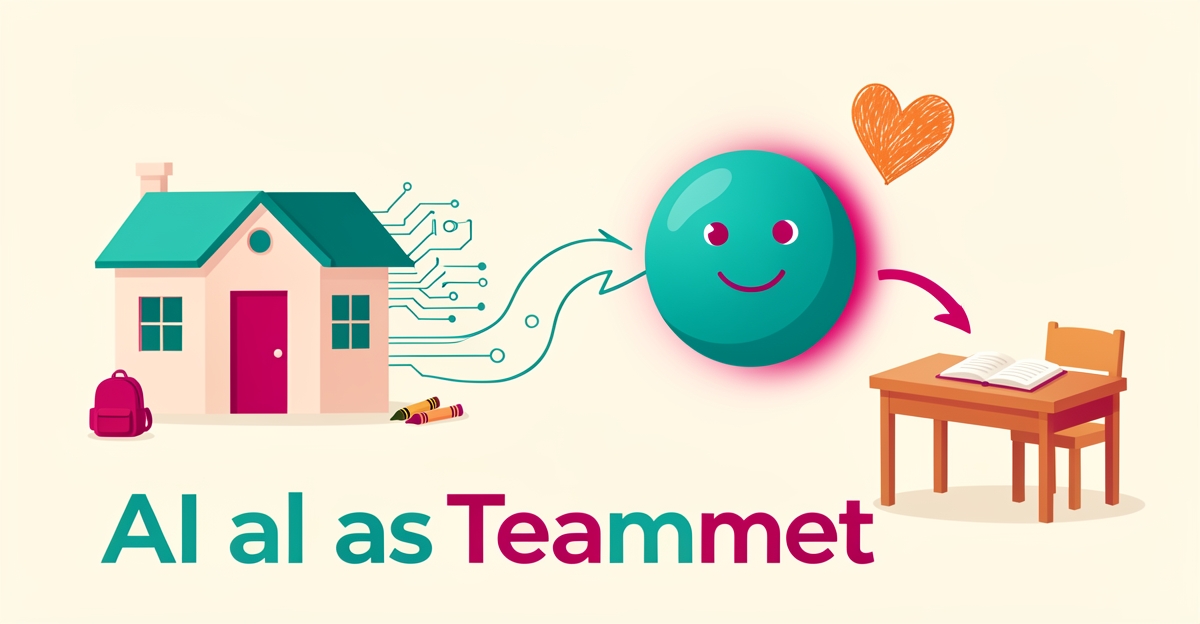
The lesson for preschools is that AI works best as a teammate, not a replacement. Successful AI integration requires clear role definition, training, and human oversight, AI handles the routine and repetitive, while people own the sensitive, nuanced, and relational work. For a preschool, that means AI fields the "is there school tomorrow?" messages, and your teachers stay fully present for the conversations that build trust with families.
It also means treating the rollout as a people challenge, not a software install. The schools that succeed define exactly which tasks AI handles, invest in team AI literacy, and establish clear protocols for how AI and humans coordinate.
That's the philosophy behind how AIQ Labs approaches this: deploying AI employees as supportive teammates, and training staff to collaborate with them while keeping the warm, personal parent relationships exactly where they belong, in human hands. The goal isn't less human connection. It's protecting the connection you already have from being buried under logistics.
What the Pattern Shows: AI Handles Routine, Humans Handle Relationships
The debate between in-house staff and AI for parent communication often gets framed as an either-or choice, but the experience of organizations that have done this well tells a different story. The most effective approach isn't replacement, it's strategic division of labor.
Across industries with high volumes of repetitive, policy-driven questions, benefits administration, intake desks, client services, well-implemented AI systems typically resolve the large majority of routine inquiries without human escalation, while maintaining strong satisfaction because answers are instant and consistent. And a substantial share of those interactions happen outside business hours, precisely when working parents need answers about pickup times, schedules, or policies.
The parallel to preschool communication is direct. Parents frequently need quick answers about routine matters: tuition due dates, field trip permission slips, holiday closures, or meal menus. These inquiries follow predictable patterns and don't require emotional nuance. AI excels here, providing instant, accurate responses while freeing teachers from repetitive administrative work.
But AI has real limits, and pretending otherwise is how trust gets broken. In complex or high-stakes situations, generic AI guidance is often incomplete or off-target. In preschool contexts, this translates to a clear boundary: sensitive conversations about child development, behavioral concerns, or family circumstances require human judgment and emotional intelligence that AI simply cannot replicate.
The hybrid model that emerges assigns responsibilities based on complexity and emotional weight:
- AI handles scheduling, policy questions, and routine updates
- Teachers manage developmental assessments and sensitive discussions
- AI provides after-hours accessibility for urgent logistical needs
- Staff focus on relationship building and personalized family support
This approach treats AI as a competent junior teammate, one that needs clear role definition and ongoing training. At AIQ Labs, we've seen this collaborative model succeed across industries, from healthcare intake to legal client communication. The key is designing systems where AI amplifies human capacity rather than attempting to replace human connection.
For preschools, this means parents get faster answers to simple questions while teachers gain more time for the meaningful interactions that truly matter, discussing a child's progress, addressing concerns with empathy, and building the trust that defines quality early education.
The Real Risk: When AI Answers Wrong and Trust Breaks
When AI gives wrong advice in parent communication, the consequences go beyond inconvenience, they erode trust at its core. A parent who gets a wrong answer about a tuition deadline, a subsidy eligibility rule, or a health protocol doesn't just lose time; they lose confidence in the school's support systems. And unlike a staff member who can be coached, a generic chatbot will keep making the same mistake until someone fixes the underlying setup.
The expectation gap compounds the risk: parents expect AI to understand their specific situation, yet generic tools often lack the contextual data needed to deliver accurate responses. The best AI cannot answer a question it was never given the data or context to answer. In preschool settings, this means AI must be trained on your actual policies, family circumstances, and local regulations, not generic scripts, to avoid misleading parents about enrollment requirements, health protocols, or financial aid.
Without this foundation, AI becomes a liability rather than a support. Preschools considering AI for parent communication should prioritize deep customization over off-the-shelf solutions, ensuring the system reflects their unique operational reality. Only then can AI function as a reliable teammate that enhances, rather than undermines, the trust between educators and families. Context-specific training isn't optional; it's essential for maintaining trust in high-stakes communication.
Treat AI Like a New Teammate, Not a Search Engine
Parent communication breaks down when staff are stretched thin and parents need answers at 7 p.m. on a Tuesday. Treating AI as a teammate instead of a search box changes the outcome from inconsistent replies to reliable support that preserves the human relationship.
A teammate mindset starts with a clear job description. The AI handles routine, repeatable inquiries, pickup time changes, lunch menu questions, policy clarifications, while humans own sensitive conversations, behavioral concerns, and relationship building. Success depends on defining what the AI will handle versus what escalates to staff, investing in AI literacy, and establishing protocols for coordination.
Structure beats guessing. Most people treat AI like a search engine and hope for the best. Effective setup is about structure, clarity, and iteration: give the AI a role, a goal, context, and a chance to restate the task before working step by step.
In preschool workflows, this translates to training the AI on your school's voice, policies, and escalation rules, then building feedback loops so it improves over time. Effective collaboration requires systems that are transparent, trustworthy, accessible, and empowering.
The efficiency case is straightforward. A well-configured AI employee answers routine parent questions instantly, around the clock, and consistently, without pulling teachers away from the classroom. Those gains free directors and teachers for high-touch care.
Implementation works best when it mirrors onboarding a new staff member.
- Set the role and outcome: name the job title, audience, and success criteria for each communication type.
- Provide focused context: share school policies, tone examples, and limits so responses stay on brand.
- Require restatement and iteration: ask the AI to repeat the task back, work in outline → detail → edit steps, and log clarifying questions.
- Create feedback loops: review real parent threads weekly, refine prompts, and keep useful threads as ongoing projects.
This teammate approach is central to how AIQ Labs supports change management and training. Rather than deploying a generic chatbot, the focus is on defining clear responsibilities and training staff to collaborate with AI while maintaining nurturing family relationships.
When AI is briefed like a competent junior teammate who needs a good brief, it stops being a risk and starts being reliable support.
Your 5-Step Rollout Plan for AI-Enhanced Parent Communication
Preschools can transform parent communication by strategically integrating AI to handle routine inquiries while preserving the human touch that builds trust. This approach allows staff to focus on meaningful interactions that require empathy and nuanced understanding, directly addressing the communication challenges many early learning centers face.
Begin by auditing current parent messages to distinguish between routine updates, like schedule changes or policy questions, and sensitive topics requiring human judgment, such as behavioral concerns or developmental feedback. This categorization creates a clear foundation for determining where AI can safely assist and where personal staff involvement remains essential. Because many parent inquiries arrive outside business hours, after-hours questions are an ideal starting point for automation.
Next, define explicit AI responsibilities and escalation rules, ensuring the system knows exactly when to transfer complex or emotional situations to human staff. This clarity prevents misunderstandings and maintains the nurturing environment preschools are built on. Training the AI on your actual policies, calendars, and communication tone ensures responses reflect your center's unique voice and values.
Launch a pilot with one channel, such as after-hours voicemail or email responses, to test accuracy and gather feedback before expanding. Weekly reviews of AI performance allow for timely adjustments, building confidence in the system's reliability. As accuracy improves, gradually expand to additional channels like attendance notifications or event reminders, always maintaining human oversight for sensitive communications. This measured approach supports sustainable adoption while keeping family relationships at the heart of your preschool's mission.
If you'd rather not build this alone, AIQ Labs can help. Start with the 2-minute Fit Check and a free 30-minute strategy call, or explore how a fixed-price workflow build can rebuild the one communication process that costs your team the most.
Still paying for 10+ subscriptions that don’t talk to each other?
We build custom AI systems you own outright. No vendor lock-in. Full control.
Not sure where to start? Ask our AI planner
Frequently Asked Questions
Can AI really handle parent questions without making mistakes that could damage trust with families?
What specific types of parent questions should AI handle versus what should stay with teachers?
How much time could AI actually save our staff by handling routine parent communication?
Will parents feel like they're talking to a robot and lose the personal connection with our preschool?
What's the first step we should take if we want to try AI for parent communication without disrupting our current workflow?
How do we ensure the AI gives accurate answers that reflect our preschool's specific policies and voice?
Where Your Staff's Time Belongs: Protecting What Matters Most
Preschools don't need to choose between efficiency and warmth, they need a smarter way to protect both. A well-trained AI employee can absorb the routine parent questions, schedules, policies, pickup logistics, around the clock, while teachers keep the conversations that build trust, address developmental concerns, and strengthen family relationships. AI works best not as a replacement, but as a trained teammate handling the repeatable, while humans own the nuanced and emotional. For preschools ready to reduce administrative drag without sacrificing connection, the next step is clarity: map where your team's time is truly needed, and where AI can reliably take the load. Start with AIQ Labs' free Fit Check and strategy call to see how a system built for your school, owned outright, tailored to your policies, can support your mission, not complicate it.
Make AI your competitive advantage — not just another tool.
Strategy, implementation and ongoing optimization. One partner, end to end.
Not sure where to start? Ask our AI planner