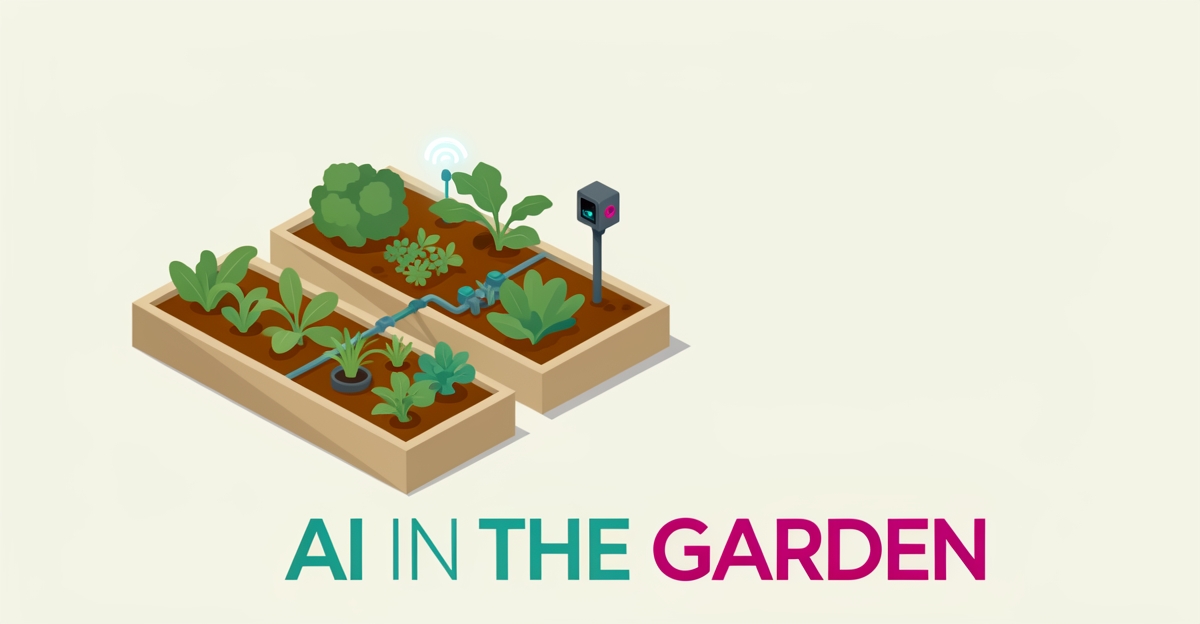
# Is AI Worth It for Community Gardens? A Cost-Benefit Analysis of Automation
**Quick Answer:** Is AI worth it for community gardens? It can be, if it targets your most expensive problem first. Automation cuts routine labor, reduces watering and treatment errors, and keeps care consistent through volunteer turnover. But subscription costs and technical demands are real, so a phased approach protects your budget. Start with a [2-minute Fit Check](/apply), then a free 30-minute strategy call.
## Key Facts
- AI-powered crop monitoring can detect plant stress and disease early through image and sensor analysis, reducing preventable losses
- AI irrigation scheduling optimizes water use by analyzing soil moisture and weather data, replacing guesswork with data-driven timing
- Entry-level AI garden design and monitoring tools typically start around $20–$30 per month, as of late 2026
- Manual gardening processes carry higher error rates in fertilization and pest treatment than automated systems
- Ongoing costs shift from labor to software subscriptions, sensors, and maintenance, budget for both
- A phased rollout (one pilot, one metric) is the lowest-risk way to prove ROI before committing budget
## The Labor and Resource Strain Community Gardens Face Today
Community gardens rely heavily on volunteer labor for essential tasks like monitoring plant health, managing irrigation schedules, and identifying pest outbreaks. This manual approach demands significant time commitments, often stretching volunteers thin and increasing the risk of error in critical decisions. Inconsistent watering, delayed disease detection, or improper fertilizer application can all stem from sporadic observation and guesswork, leading to wasted water, lost plants, and lower yields.
These challenges are why many gardens are exploring automation, not to replace community spirit, but to relieve the strain that limits impact. AI-powered irrigation scheduling can analyze soil moisture and weather data to optimize watering, directly addressing the inefficiencies common in manual systems. AI-driven crop health monitoring enables earlier disease detection through image analysis, reducing preventable losses. For gardens operating with limited expertise and tight volunteer schedules, these capabilities are less about convenience and more about reliable outcomes.
AI-assisted garden design tools further support planning by suggesting optimal plant layouts and combinations, helping volunteers make informed decisions without deep horticultural training. By integrating such tools, gardens can shift from reactive, labor-intensive practices toward proactive, data-informed stewardship.
What this transition typically delivers:
- Less time spent on routine monitoring and data collection
- Lower error rates in irrigation, fertilization, and pest management
- Better resource efficiency through precise, real-time adjustments
- Consistent care despite volunteer turnover or availability gaps
- Improved planning and forecasting for seasonal planting and harvests
This doesn't require a full-scale overhaul. Starting with one targeted workflow fix, like automating irrigation or basic monitoring, lets a garden test value, build confidence, and scale gradually. That's the same philosophy behind [AIQ Labs' workflow builds](/workflow-builds): rebuild the one workflow that costs you the most, prove it works, then expand. The goal isn't to eliminate the human touch that defines community gardening, but to hand repetitive tasks to systems so volunteers can focus on education, outreach, and the communal work that makes these spaces thrive.
## What AI Actually Delivers for Small-Scale Growing
AI is moving from large farms into small-scale growing, and community gardens are starting to see where automation can genuinely change daily work.
**Crop health monitoring and disease detection.** AI-powered systems analyze images and sensor data to identify crop stress early, often before a volunteer would spot it. Earlier intervention means less crop loss.
**Irrigation scheduling.** AI algorithms can analyze soil moisture, weather forecasts, and plant needs to optimize watering schedules. This conserves water and improves plant health by moving irrigation from guesswork to data-driven timing.
**Resource management.** AI can assist in optim
AI Employees
Hire a team member that works 24/7 — for less than a part-time wage.
AI receptionists, SDRs, dispatchers and 99+ roles. Trained on your business, fully managed.
See If You’re a Fit — AI Employees from $700/mo
Not sure where to start? Ask our AI planner
izing fertilizer application, predicting yields, and managing inputs. The practical result is less waste and better allocation of limited budgets.
**Garden design.** AI tools can assist in planning layouts, suggesting plant combinations, and visualizing outcomes. Several platforms now offer AI-powered visualization for layouts and plant pairings, typically at entry-level prices around $20–$30 per month as of late 2026.
Current tool categories illustrate the range of options for small growers:
- Field and crop management platforms for tracking operations, inputs, and yields (typically from around $29/mo, with higher tiers for advanced features)
- Data-driven crop management tools including field mapping and yield monitoring
- AR-based garden design apps for visualizing layouts before planting
The manual-versus-automated contrast comes down to a few things. Manual processes require significant human labor and rely on human observation; automated systems reduce labor needs and use data analytics for **more precise resource allocation**. Manual gardening carries higher potential for error in fertilization and pest treatment. Initial cost is lower manually, but ongoing costs shift from primarily labor to software subscriptions and maintenance.
For groups evaluating adoption, a phased approach balances benefits against constraints. AIQ Labs builds AI systems for small and mid-sized organizations in exactly this way, [in milestones](/pricing), with fixed prices and no hype, focusing on labor savings, reduced errors, and better resource allocation.
## Costs, Tools and Readiness Reality Check
Before investing, community gardens must weigh the real costs against potential benefits. The upfront investment includes software subscriptions, entry-level tools typically run $20–$30/mo, with pro tiers reaching $100+/mo. These recurring costs add up, especially when paired with ongoing maintenance, data storage, and potential infrastructure upgrades. Beyond subscriptions, gardens need reliable internet connectivity and possibly additional power sources to support continuous monitoring, requirements that may strain limited budgets or rural sites.
Technical expertise is another hurdle. Operating and maintaining AI systems often demands skills in data interpretation, sensor calibration, and software troubleshooting, capabilities not typically found among volunteer members. This gap can lead to underutilized tools or reliance on external support, increasing long-term costs. The digital divide compounds this: inconsistent internet access and varying digital literacy can exclude certain members from participating fully in AI-driven initiatives.
Data privacy and security also require attention. Collecting detailed garden data through sensors and cameras raises questions about who owns that information, how it's stored, and whether it could be exposed, concerns that matter in community-driven spaces built on trust and shared stewardship. Addressing them demands clear policies, secure platforms, and member education, all of which add complexity beyond the initial tool selection.
For gardens exploring AI, a phased approach, starting with a single, well-defined use case like irrigation scheduling or pest monitoring, helps manage costs, build confidence, and ensure the technology serves the garden's mission rather than complicating it. If the garden is part of a larger organization, an [AI operating system](/ai-operating-systems) built in phases can eventually connect these tools into one layer the organization owns outright.
## A Phased AI Adoption Roadmap for Community Gardens
Community gardens can begin their AI journey with a structured, low-risk approach that builds confidence and capability over time.
**1. Assess pain points.** Start with a clear assessment of operational strain, such as inconsistent irrigation or labor-intensive monitoring, to prioritize where automation delivers the greatest impact. Crop health monitoring and disease detection are often high-value starting points because earlier interventions directly reduce crop loss.
**2. Research accessible tools.** Garden coordinators should research tools that align with their needs, such as AI-powered design platforms or soil monitoring systems, many of which offer entry-level pricing under $30 per month.
**3. Launch a sma
AI Development
Still paying for 10+ subscriptions that don’t talk to each other?
We build custom AI systems you own outright. No vendor lock-in. Full control.
See If You’re a Fit — AI Employees from $700/mo
Not sure where to start? Ask our AI planner
ll pilot.** Pilot in a single plot or for one function, like automated irrigation scheduling, to test effectiveness without overhauling entire operations. Successful pilots rely on simple data collection methods, including soil sensors and time-lapse cameras, to feed AI systems accurate, real-time inputs.
**4. Train and measure.** Provide hands-on training for volunteers and establish a routine for monitoring AI performance against manual benchmarks. Metrics like water savings, labor hours reduced, and yield improvements quantify progress and inform decisions about scaling.
**5. Scale based on evidence.** Expand only what the pilot proved, at a pace the community can absorb.
The roadmap in short:
- Identify specific garden challenges where AI can reduce labor or error
- Research tools with proven applications in crop monitoring or irrigation
- Launch a small-scale pilot with reliable data collection via sensors or cameras
- Train volunteers and monitor outcomes using clear performance metrics
- Scale gradually based on pilot results and community feedback
## Frequently Asked Questions
**Can AI tools really help reduce the workload for volunteers in community gardens?**
Yes. AI-powered automation can reduce time spent on routine monitoring and data collection, lower error rates in irrigation and pest management, and support consistent care despite volunteer turnover, freeing volunteers to focus on education and community building. The tools enable proactive, data-informed stewardship without replacing the human touch.
**What are the most affordable AI tools for small community gardens to start with?**
Entry-level AI tools typically start around $20–$30/mo as of late 2026, covering irrigation scheduling, crop health monitoring, and garden design. Prices change frequently, so verify current pricing before committing.
**Do community gardens need technical expertise to use AI tools effectively?**
Operating and maintaining AI systems often requires skills in data interpretation, sensor calibration, and software troubleshooting, capabilities not typically found among volunteer members. A phased approach with training and pilot projects helps build confidence and ensures the technology serves the garden's mission.
**Is AI worth the cost for community gardens with tight budgets?**
AI involves upfront and ongoing costs like subscriptions and infrastructure, but it can deliver long-term savings through reduced labor, fewer errors, and better resource efficiency, especially when adopted gradually, using pilot projects to measure impact before scaling.
**How can a community garden start using AI without overhauling everything at once?**
Begin with a clear assessment of operational pain points, research accessible tools under $30/mo, launch a small-scale pilot (e.g., automated irrigation in one plot), train volunteers, and monitor outcomes using metrics like water savings and labor reduction before scaling based on results.
**What data privacy risks should community gardens consider when using AI tools?**
Collecting detailed garden data through sensors and cameras raises concerns about data ownership, storage security, and exposure, especially important in trust-based community spaces. Addressing these requires clear policies, secure platforms, and member education to protect shared stewardship values.
## Growing Smarter, Not Harder: AI as a Garden Ally
Community gardens face real pressures, limited volunteer time, inconsistent care, and resource strain, that AI can ease without replacing the human spirit at their core. AI-driven irrigation scheduling, crop health monitoring, and design assistants offer tangible benefits: less labor on repetitive tasks, fewer errors in watering and fertilization, and data-informed decisions that improve yields and resilience. These aren't futuristic concepts; entry-level tools are accessible today, typically starting under $30/month.
The key is starting small, piloting one solution, like automated irrigation or pest monitoring, to measure impact before scaling. For gardens ready to explore this path, AIQ Labs builds automation in phases with fixed prices and no hype. Take the first step: complete the [2-minute Fit Check](/apply) and book a free 30-minute strategy call to see where AI could deliver real value for your garden's mission.
AI Transformation Partner
Make AI your competitive advantage — not just another tool.
Strategy, implementation and ongoing optimization. One partner, end to end.
See If You’re a Fit — AI Employees from $700/mo
Not sure where to start? Ask our AI planner