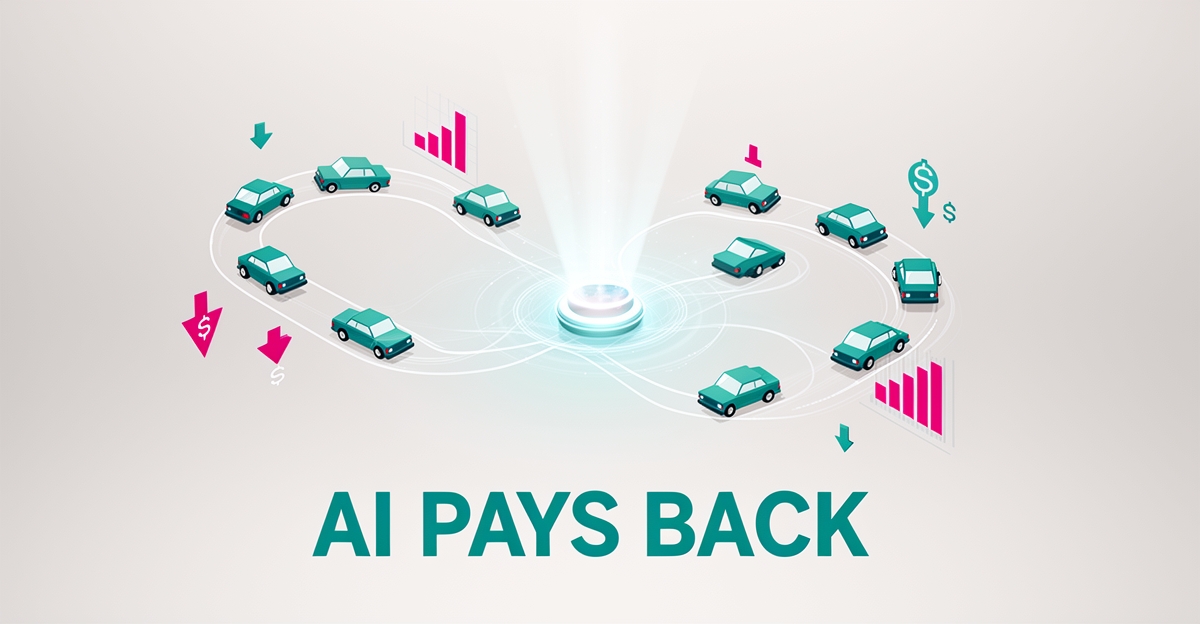
Is AI Worth It for Rideshare Fleet Operators? A Cost-Benefit Analysis
Key Facts
- AI route optimization cuts fuel costs by 15–25% according to industry analysis
- AI-powered dashcams reduce accident rates by up to 60% per fleet safety research
- Predictive maintenance tools cut costs by 34% with 89% failure prediction accuracy based on FleetRabbit data
- Transportation businesses save $3,500–$8,000 monthly using AI tools according to Velocity AI Insights
- AI investments in fleet operations typically pay back in just 2–4 months per transportation industry analysis
- Administrative AI tools reclaim 5–10 hours weekly per driver according to driver productivity research
- The autonomous ride-hailing fleet market will grow from $6 billion to $150 billion by 2032 per market projections
Hire a team member that works 24/7 — for less than a part-time wage.
AI receptionists, SDRs, dispatchers and 99+ roles. Trained on your business, fully managed.
Not sure where to start? Ask our AI planner
The Hidden Costs of Manual Fleet Operations
For rideshare fleet operators, the true cost of manual operations often hides in plain sight—wasted fuel, unplanned downtime, and administrative drag that silently erode profitability. Manual route planning leads to inefficient trips and deadhead miles, directly increasing fuel expenses. Research shows AI-driven route optimization can cut fuel costs by 15% to 25%, a significant saving given volatile fuel prices. Beyond fuel, unplanned maintenance from reactive repairs creates costly downtime; predictive maintenance tools like FleetRabbit reduce maintenance costs by 34% by catching failures early. Accident-related delays and insurance spikes further compound losses, with AI-powered safety platforms demonstrating up to a 60% reduction in accident rates. Administrative tasks—scheduling, logging, compliance tracking—consume 5 to 10 hours weekly per driver, time that could be spent on revenue-generating activities. These inefficiencies aren’t just operational headaches; they represent measurable financial leakage that AI systems are designed to prevent. By transforming reactive processes into proactive, data-driven workflows, fleet operators reclaim control over costs that manual methods consistently fail to manage. Industry analysis confirms transportation businesses using AI tools save between $3,500 and $8,000 monthly while recovering 15–25 hours of labor per week. For fleets still relying on spreadsheets and gut instinct, the hidden price of inaction grows daily—turning avoidable waste into a persistent drain on margins. AIQ Labs helps operators uncover these leakage points through strategic assessments that map inefficiencies to AI-driven solutions, ensuring investments target the highest-impact areas first. Without addressing these systemic inefficiencies, even fleets with strong demand will struggle to maintain profitability in an increasingly competitive market where optimization separates leaders from those left behind. The shift isn’t about replacing human judgment—it’s about equipping teams with tools that eliminate preventable waste and amplify operational discipline.
How AI Delivers Measurable ROI in Fleet Management
For rideshare fleet operators, AI delivers measurable ROI by directly attacking the largest cost centers: fuel, maintenance, and accidents. Industry analysis shows transportation businesses adopting AI tools save between $3,500 and $8,000 per month while reclaiming 15–25 hours of labor weekly, with payback periods as short as 2–4 months. These gains stem from targeted applications like predictive maintenance and intelligent routing, which transform reactive cost drains into predictable, optimized operations.
AI-driven route optimization cuts fuel costs by 15% to 25% by eliminating inefficient miles and reducing idle time, directly improving mileage per gallon across the fleet. Simultaneously, predictive maintenance platforms such as FleetRabbit achieve an 89% accuracy rate in failure prediction, enabling a 34% average reduction in maintenance costs by shifting from emergency repairs to scheduled servicing. This minimizes unplanned downtime and extends vehicle lifespan—critical for operators managing tight margins.
Safety improvements further amplify ROI. AI-powered dashcams and telematics platforms like Samsara have demonstrated up to a 60% reduction in accident rates, with one fleet reporting a 52% drop in just six months. This directly translates to lower insurance premiums—some operators received an 18% reduction after implementing AI safety programs—and fewer costly vehicle repairs or liability claims. By integrating these tools, fleet operators convert safety from a cost center into a source of sustained savings.
AIQ Labs helps rideshare operators navigate this transformation by building custom AI systems that integrate route optimization, predictive maintenance, and safety monitoring into a unified workflow. Rather than layering disconnected tools, we design owned solutions that align with existing operations, ensuring AI delivers measurable returns without overspending or operational disruption. The result is a fleet that runs safer, leaner, and more profitably—proving AI’s value not in theory, but in monthly bottom-line impact.
Practical AI Implementation for Fleet Operators
For rideshare fleet operators, implementing AI effectively starts with a clear assessment of readiness and a structured rollout plan. Begin by evaluating your fleet’s current technology stack, identifying pain points like inefficient routing or frequent maintenance surprises, and using a Fleet AI Readiness Checklist to gauge factors such as fleet size, accident rates, and existing telematics usage. This foundational step ensures you target AI investments where they’ll deliver the highest impact, avoiding unnecessary complexity. AIQ Labs’ implementation approach emphasizes this phase to align technology with specific operational goals before any tools are selected.
Next, choose the right AI tools based on your fleet’s primary needs. For scheduling and administrative tasks—such as dispatch coordination or driver communication—consider platforms like Reclaim.ai or Motion, which can reclaim 5 to 10 hours of routine work per week for experienced operators. For broader fleet management, prioritize solutions focused on safety and predictive maintenance; Samsara-powered dashcams have demonstrated up to a 60% reduction in accident rates, while tools like FleetRabbit achieve an 89% accuracy rate in failure prediction, cutting maintenance costs by an average of 34%. These targeted selections address the core cost drivers of fuel, downtime, and risk without overburdening teams with unnecessary features.
Once tools are selected, integrate them seamlessly into existing workflows using automation platforms like Zapier or Make, which support over 6,000 app connections and offer free tiers to minimize initial costs. Start with one general-purpose assistant for data analysis or reporting, then layer in 1–2 specialized tools for high-leverage tasks such as route optimization or safety monitoring. Dedicate 2–4 hours per tool for team training—most drivers and dispatchers see measurable productivity gains within two weeks of consistent use. Finally, track ROI rigorously by monitoring fuel savings, accident frequency, and maintenance expenses, with industry data showing a typical payback period of just 2 to 4 months for transportation businesses adopting AI. Adjust usage based on performance data to continuously refine returns and scale confidence in the investment.
Still paying for 10+ subscriptions that don’t talk to each other?
We build custom AI systems you own outright. No vendor lock-in. Full control.
Not sure where to start? Ask our AI planner
Frequently Asked Questions
How much can AI actually save a rideshare fleet operator each month?
What specific AI tools reduce maintenance costs and how effective are they?
Can AI really lower accident rates and insurance premiums for fleet operators?
How much time can AI save drivers and dispatchers on administrative tasks each week?
Is AI going to replace rideshare drivers, or just help them be more productive?
What’s the first step to implement AI in a rideshare fleet without overcomplicating things?
The Real Question Isn't Whether AI Pays—It's How Long You Can Afford to Wait
The math is straightforward: manual fleet operations leak thousands monthly through wasted fuel, preventable breakdowns, and administrative drag, while AI-driven fleets recover $3,500 to $8,000 per month with payback periods as short as two to four months. For rideshare operators, the tipping point isn't technological—it's strategic. You don't need to automate everything at once, but you do need to start where the bleeding is worst. Begin with a readiness assessment to identify your highest-impact opportunities, whether that's route optimization, predictive maintenance, or safety monitoring. AIQ Labs helps operators navigate this transition through tailored transformation roadmaps that prioritize ROI without overcomplicating your operations. If you're ready to move from reactive firefighting to proactive fleet intelligence, start with the two-minute Fit Check at https://aiqlabs.ai/apply, then book a free strategy call to map your specific path forward. The fleets winning tomorrow are optimizing today.
Make AI your competitive advantage — not just another tool.
Strategy, implementation and ongoing optimization. One partner, end to end.
Not sure where to start? Ask our AI planner