Should Car Rental Businesses Invest in AI for Real-Time Vehicle Availability Tracking?
Key Facts
- Enterprise, Avis, and Hertz control the large majority of the roughly $30 billion U.S. car rental market per industry statistics.
- AI adoption for fleet management has grown substantially, with surveys reporting adoption roughly doubling from 18% to 35% of global rental companies within a few years according to Gitnux research.
- Companies using AI-powered dynamic pricing have reported revenue increases in the 20-35% range per Consumer Affairs data.
- U.S. car rental users grew 19.4% to 48 million in 2023, with projections toward 52 million by 2028 per market projections.
- Thousands of U.S. car rental companies compete for customers, with roughly 18% of American adults renting annually per industry data.
- AI real-time availability tracking eliminates double-bookings and enables same-day sell-through of returned vehicles.
Hire a team member that works 24/7 — for less than a part-time wage.
AI receptionists, SDRs, dispatchers and 99+ roles. Trained on your business, fully managed.
Not sure where to start? Ask our AI planner
The Overbooking and Capacity Planning Problem Costing Rental Revenue
Manual inventory tracking creates a revenue leak that grows with demand. In a U.S. market valued at approximately $30 billion, industry research shows thousands of companies competing for customers, with roughly 18% of Americans aged 18 and older renting a car in recent years.
That demand is accelerating. Consumer data records 48 million Americans used a car rental service in 2023, up 19.4% from 2022, with projections toward 52 million by 2028. More bookings on the same fragmented fleet means more chances for errors.
Overbooking starts with delayed updates. A vehicle marked available in one system is already rented in another, a returned car sits unlisted while a counter agent waits on phone verification, and a late return cascades into missed pickups. Each delay is lost revenue and customer friction.
Capacity planning suffers the same lag. Without live visibility, managers rely on end-of-day reports to decide fleet distribution, pricing, and staffing. The result is idle cars in low-demand locations and stockouts where demand spikes. Real-time accuracy becomes critical as utilization pressure rises.
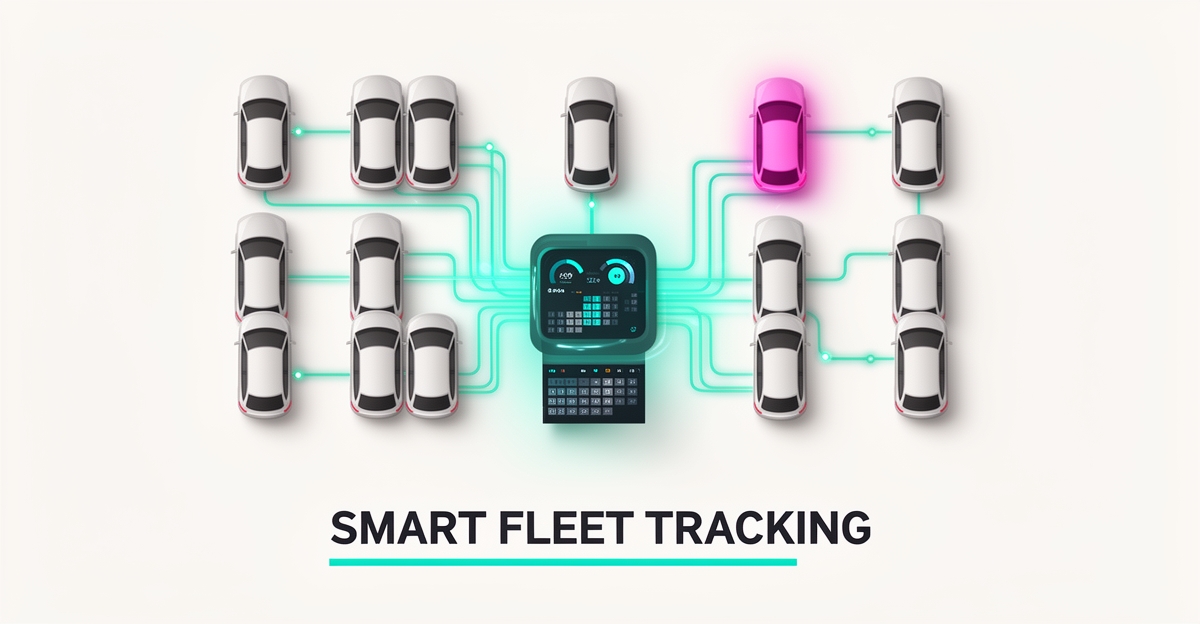
AI-powered availability tracking closes the gap by syncing reservation platforms and fleet management tools into a single source of truth. Systems update status instantly on return, pickup, maintenance, and transfer, so every channel reflects the same inventory.
The operational impact shows up as:
- Fewer double-bookings and compensation costs from overbooking
- Higher same-day sell-through of returned and repositioned vehicles
- Better capacity planning across locations based on live utilization
- Reduced manual reconciliation between front desk, lot, and back office
A strategic assessment of real-time availability tracking with AI can improve capacity planning, reduce overbooking, and protect revenue. AIQ Labs builds custom AI systems—including AI Workflow Builds that rebuild the one workflow costing you the most—that sync with reservation platforms and fleet management tools to ensure accurate, live visibility of vehicle status, the foundation for smarter dispatch and pricing decisions.
As rental usage climbs, the cost of manual inventory is no longer an operational quirk. It is a direct drag on revenue in a market where Enterprise, Avis, and Hertz already account for the large majority of U.S. market share.
How AI Real-Time Availability Tracking Improves Operations and Revenue
The global car rental industry is shifting from manual spreadsheets to intelligent automation, with surveys reporting roughly 35% of rental companies using AI for fleet management—nearly double the 18% adoption rate recorded a few years earlier. This surge reflects a fundamental recognition that real-time visibility into vehicle status is no longer a luxury but a competitive necessity.
AI-driven dynamic pricing stands out as one of the most immediate revenue levers. According to industry reporting, companies implementing AI-powered pricing strategies have seen revenue increases in the 20-35% range. Machine learning can optimize rates based on demand fluctuations, seasonality, and competitor movements far more precisely than static pricing models—though results vary by operator, and no specific ROI figure should be treated as a guarantee.
Beyond pricing, real-time availability tracking eliminates the costly problem of overbooking while maximizing fleet utilization. When reservation platforms sync instantly with fleet management systems, businesses gain accurate, live visibility into which vehicles are available, in maintenance, or due for return. This synchronization prevents the customer service nightmares and compensation costs associated with double-booked vehicles while ensuring no car sits idle when demand exists.
Predictive maintenance represents another operational breakthrough enabled by AI integration. Rather than reacting to breakdowns, algorithms analyze vehicle data to forecast maintenance needs before failures occur. This proactive approach minimizes unexpected downtime, extends vehicle lifecycles, and ensures that cars are available when customers need them most.
The operational advantages compound quickly:
- Reduced overbooking incidents through instant synchronization across all booking channels
- Optimized fleet composition using AI insights into utilization patterns and demand forecasting
- Lower maintenance costs via predictive analytics that schedule service before breakdowns occur
- Dynamic route optimization that adjusts for traffic and weather to improve fuel efficiency
For rental businesses managing complex operations across multiple locations, these capabilities translate directly to protected revenue and reduced operational friction. AIQ Labs specializes in building custom AI systems that integrate reservation platforms with fleet management tools, creating the real-time synchronization necessary to capture these benefits without disrupting existing workflows.
As the industry continues its digital transformation, the gap between operators using intelligent automation and those relying on manual processes will likely widen. The question is no longer whether AI delivers value, but how quickly businesses can implement these systems to remain competitive.
Implementation Path for Car Rental AI Availability Systems
Implementing real-time AI availability tracking starts with a clear assessment of operational pain points. For car rental businesses, common challenges include overbooking due to delayed inventory updates, underutilized fleets during off-peak periods, and manual reconciliation between reservation platforms and fleet management tools. These inefficiencies directly impact revenue—industry reporting suggests AI-powered dynamic pricing can drive meaningful revenue uplift when built on accurate, real-time availability data. Identifying where delays or inaccuracies occur in the current workflow is the essential first step toward building a system that prevents lost bookings and maximizes fleet utilization.
Next, conduct a thorough data assessment to ensure the foundation for AI is solid. This involves auditing data sources such as reservation systems, maintenance logs, telematics feeds, and return time records to verify accuracy, frequency, and accessibility. AI models depend on high-quality, timely inputs—without synchronized data streams, even the most advanced algorithms will produce unreliable availability forecasts. AIQ Labs' custom integration approach focuses on creating deep, two-way API connections between existing tools and the new AI layer, ensuring that vehicle status updates from check-ins, maintenance completions, or cleaning cycles flow seamlessly into a unified operational view.
With data readiness confirmed, begin a pilot implementation targeting a single location or vehicle class to validate the system in a controlled environment. This phase includes configuring the AI to monitor live availability, flag potential overbooking risks, and suggest optimal vehicle assignments based on upcoming reservations and maintenance schedules. Pilot results should measure improvements in booking accuracy, reduction in manual oversight time, and uplift in utilization rates. AIQ Labs supports this stage through its Build in Milestones payment model—each phase is delivered at a fixed price, so businesses validate outcomes before scaling and keep what has been built regardless of whether they continue to full deployment.
Finally, establish a cycle of continuous optimization where the AI system learns from historical patterns, seasonal trends, and real-time disruptions. Regular performance reviews refine predictive models, adjust alert thresholds, and expand integration to additional touchpoints like channel managers or loyalty platforms. Over time, this evolves from a reactive tracking tool into a proactive capacity planning engine that aligns fleet readiness with demand signals—turning availability tracking from a cost center into a strategic advantage. For operators ready to go further, an AI Operating System connects availability, pricing, dispatch, and maintenance into one operating layer you own outright.
Still paying for 10+ subscriptions that don’t talk to each other?
We build custom AI systems you own outright. No vendor lock-in. Full control.
Not sure where to start? Ask our AI planner
Frequently Asked Questions
How much revenue are car rental companies losing to overbooking and manual inventory errors?
What ROI can we realistically expect from AI-powered dynamic pricing?
Is AI adoption in car rental still experimental, or are competitors already using it?
Our reservation platform and fleet management tools don't talk to each other—can AI actually fix that integration problem?
What does implementation look like—do we need to replace our existing systems or hire data scientists?
How does real-time availability tracking help with predictive maintenance and fleet planning?
From Inventory Lag to Revenue Lead
Manual inventory tracking is no longer a minor operational quirk in a roughly $30 billion U.S. market where 48 million Americans rented a car in 2023 and demand is projected to keep climbing. Delayed updates create overbooking, idle cars in low-demand locations, and stockouts where demand spikes, directly eroding revenue and customer trust. AI-powered real-time availability tracking closes that gap by syncing reservation platforms and fleet management tools into a single source of truth, enabling instant status updates on return, pickup, maintenance and transfer. The compounding benefits are measurable: fewer double-bookings and compensation costs, higher same-day sell-through, better capacity planning from live utilization, and the foundation for AI-driven dynamic pricing strategies that operators have credited with meaningful revenue uplift. With roughly a third of rental companies already using AI for fleet management, the competitive divide is widening. A focused assessment of your current pain points, data readiness and pilot scope is the fastest way to validate impact before scaling. Start the two-minute Fit Check at https://aiqlabs.ai/apply, then book a free 30-minute strategy call at https://aiqlabs.ai/book to map your biggest bottleneck and identify high-ROI automation opportunities. Prefer email? Reach the team at [email protected].
Make AI your competitive advantage — not just another tool.
Strategy, implementation and ongoing optimization. One partner, end to end.
Not sure where to start? Ask our AI planner