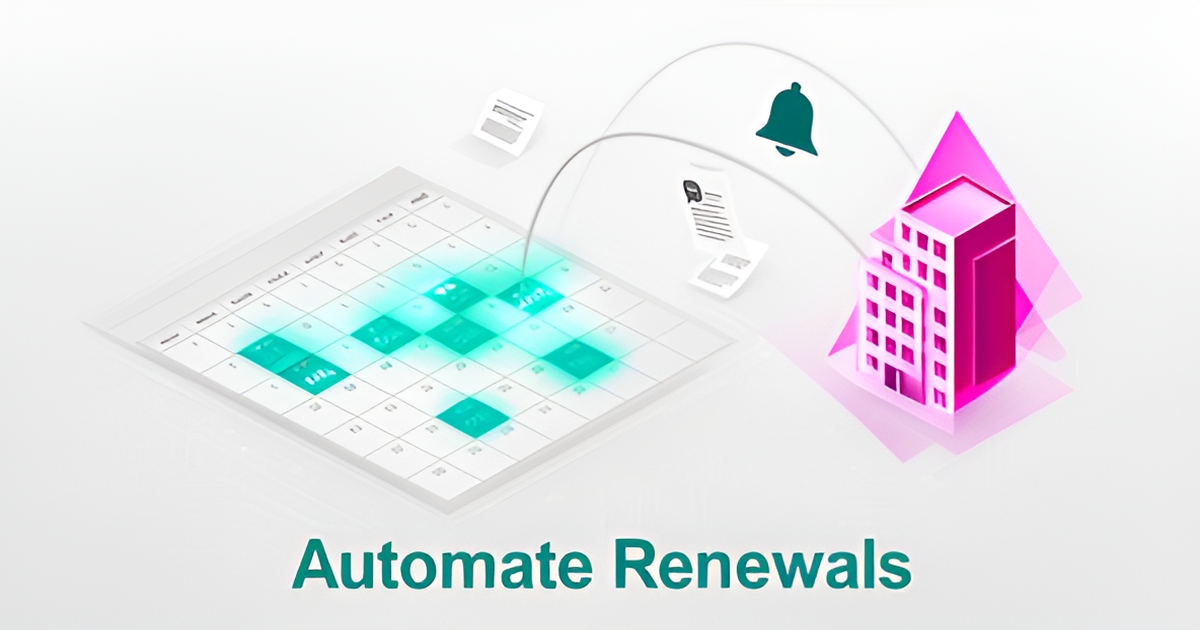
Should Land Lease Companies Use AI to Automate Lease Renewal Notifications?
Key Facts
- Manual leasing processes typically produce vacancy periods of 30+ days, while AI-driven systems can cut that to 7–14 days according to recent analysis
- AI leasing tools can reduce vacancy periods by up to 60% says Renting Well
- The Lease Management AI market was valued at roughly $2.8 billion in 2025 and is projected to reach $6.3 billion by 2034 per MarketIntelo
- Lease Management AI solutions can reduce manual data entry by up to 70% according to market research
- The market is growing at a reported 16.4% CAGR, driven by automation and compliance demand per MarketIntelo
- The larger the portfolio, the more likely manual tracking is to miss renewal windows—especially across 50+ units
- Teams managing lease expiration data across disconnected systems commonly lose many hours each week to administrative cross-checking
Hire a team member that works 24/7 — for less than a part-time wage.
AI receptionists, SDRs, dispatchers and 99+ roles. Trained on your business, fully managed.
Not sure where to start? Ask our AI planner
The Hidden Cost of Missed Renewals and Manual Tracking
The hidden cost of manual lease renewal tracking extends far beyond administrative inconvenience—it directly erodes revenue and operational efficiency. Land lease companies relying on spreadsheets, calendar reminders, and manual follow-ups often miss critical renewal windows, triggering avoidable vacancies that drain cash flow and inflate carrying costs. These gaps aren't just oversights; they're systemic inefficiencies baked into outdated processes.
A recent analysis found that manual leasing processes routinely result in vacancy periods of 30+ days, while AI-driven systems can cut that duration to 7–14 days by automating outreach and follow-up. That reduction in vacancy time translates to thousands of dollars saved per unit annually—revenue that vanishes when leases lapse unnoticed. For portfolios with hundreds of units, the cumulative loss compounds across multiple renewal cycles each year.
The administrative burden of tracking expiration dates manually creates a fragile system prone to human error. Property teams waste hours cross-referencing spreadsheets, setting calendar alerts, and chasing down tenants—time that could be spent on resident engagement or strategic growth. As portfolio size increases, so does the risk of oversight: a single missed renewal can trigger a vacancy cycle that includes marketing, screening, and turnover costs, all while the unit generates zero income. This reactive approach turns lease management into a constant firefight rather than a predictable, optimized workflow.
- The larger the portfolio, the higher the likelihood of missed renewals—manual tracking becomes untenable past roughly 50 units
- Teams commonly lose many hours each week managing lease expiration data across disparate systems
- Delayed renewals often lead to rushed concessions or below-market terms to fill vacancies quickly
- Extended vacancies accelerate wear and tear on unoccupied units, increasing long-term maintenance costs
- Inconsistent follow-up damages tenant relationships and reduces renewal likelihood even when noticed late
Lease renewal isn't just a date on a calendar—it's a pivotal moment in the tenant lifecycle that demands precision and consistency. By automating expiration tracking, personalized outreach, and at-risk lease flagging, AI eliminates the guesswork and manual labor that currently undermine revenue stability. The shift from reactive scrambling to proactive renewal management isn't just about saving time—it's about reclaiming predictable income streams and turning lease administration into a strategic advantage.
How AI Automation Transforms Lease Renewal Workflows
Lease renewal management has traditionally been a reactive process, dependent on manual calendar tracking and human follow-up that often leads to missed deadlines and lost revenue opportunities. AI automation fundamentally shifts this paradigm by enabling proactive, continuous monitoring of lease expiration dates and triggering timely, personalized outreach across multiple channels. This transformation allows land lease companies to move from scrambling to renew expiring leases to strategically managing their portfolio with precision and foresight.
AI-powered systems excel at identifying at-risk leases well in advance of expiration dates, flagging properties where renewal likelihood is low based on historical data, tenant behavior patterns, or market conditions. By automating date tracking and initial notifications, these systems free property management teams to focus their efforts on high-value negotiations and relationship building rather than administrative chasing. The technology ensures consistent follow-up through email, SMS, and voice channels, significantly reducing the chance of human oversight during busy periods or staff transitions.
- The global Lease Management AI market is projected to grow from roughly $2.8 billion in 2025 to $6.3 billion by 2034, a reported 16.4% compound annual growth rate driven by demand for automated lease administration and regulatory compliance.
- AI leasing tools can reduce vacancy periods by up to 60%, cutting downtime from 30+ days with manual processes to 7–14 days, per industry analysis.
- Regulatory mandates like ASC 842 in North America and IFRS 16 in Europe are accelerating AI adoption as organizations seek automated solutions to ensure lease accounting compliance and avoid costly reporting errors.
For land lease companies, implementing AI automation for renewal notifications represents more than operational efficiency—it directly impacts bottom-line performance through reduced vacancy losses and improved tenant retention. Systems that monitor dates continuously and trigger multi-channel outreach create a reliable renewal pipeline that operates independently of individual staff availability or memory. This proactive approach transforms lease management from a periodic administrative burden into a strategic, data-driven function that maximizes portfolio occupancy and revenue stability. AIQ Labs builds these systems as AI employees that handle outreach around the clock, or as part of a broader workflow rebuild—helping land lease companies move renewal management from reactive to proactive.
The Case for Custom Solutions Over Generic Tools
Generic AI tools often promise quick wins but fail to deliver sustainable value in complex real estate workflows like lease renewal management. Off-the-shelf solutions lack the depth to handle nuanced lease terms, local regulations, and property-specific renewal logic, leading to missed deadlines or generic outreach that fails to engage tenants effectively. This disconnect forces teams to manually patch gaps, undermining the very efficiency AI is meant to provide.
Vertically specific AI systems, by contrast, are built around the realities of lease administration—integrating directly with property management software, tracking expiration dates with precision, and triggering personalized notifications based on tenant history and lease specifics. Research on AI case studies in real estate confirms that AI investment delivers the strongest returns when it is deeply integrated with existing workflows and trained on proprietary, industry-specific data, rather than applied generically across disconnected tools. Without this alignment, automation remains superficial and error-prone.
Generic tools also increase the risk of "shadow AI," where employees adopt unapproved AI applications to fill functionality gaps, creating blind spots in data security, compliance, and audit readiness. The rapid adoption of AI is outpacing governance, exposing organizations to operational and reputational risks when usage occurs outside centralized oversight, as TechRadar's analysis notes. For lease renewal processes—where missed notifications can trigger financial penalties or tenant turnover—such uncontrolled usage is particularly dangerous.
Production-ready AI systems mitigate these risks through embedded governance: comprehensive audit trails, role-based access controls, and human-in-the-loop checkpoints for critical decisions. Unlike point solutions that operate in silos, custom-built AI becomes part of a unified operational framework, connecting lease data with CRM, accounting, and communication tools via secure API integrations. This ensures every action is traceable, compliant, and aligned with business objectives.
AIQ Labs engineers these systems so you own them outright. Rather than layering another disconnected tool onto fragmented workflows, we build AI that works as a natural extension of how property teams already operate—ensuring renewal notices are sent not just on time, but with the context and compliance that protect both revenue and relationships.
Implementing AI Renewal Automation: A Practical Roadmap
Lease renewal automation fails when it's launched as a full rebuild. Land lease teams see the best ROI by starting narrow, proving value, then expanding.
A phased roadmap reduces risk and builds internal confidence while protecting existing property management data. It also avoids the shadow AI sprawl that emerges when employees adopt tools outside IT oversight.
Phase one targets high-impact, low-complexity workflows. Expiration tracking and automated outreach deliver immediate time savings and fewer missed renewals. According to lease management market research, AI solutions can reduce manual data entry by up to 70% and accelerate month-end close cycles. That efficiency frees staff for resident engagement instead of spreadsheet checks.
Phase two integrates with existing infrastructure. Renewal notices should pull from the current property management system, CRM, and accounting stack, not duplicate records. The Blott report on AI case studies finds the strongest returns come when AI is vertically specific, deeply integrated with existing workflows, and built on proprietary data. Integration ensures sustainable ROI and avoids vendor lock-in.
Build versus subscribe is a core decision point early. Subscription tools can limit customization and data ownership. True system ownership lets lease companies control personalization logic, escalation rules, and audit trails. AIQ Labs' payment models reflect this: start monthly, build in milestones, or own the system outright—with clients retaining full ownership of code and data when they choose to buy.
A practical rollout sequence looks like this:
- Audit current renewal process and data sources for expiration dates, notice windows, and at-risk flags
- Deploy automated expiration tracking and multi-channel renewal notices with human-in-the-loop approval
- Add predictive risk scoring for at-risk leases and personalized outreach sequences
- Scale to adjacent workflows like rent collection reminders and lease amendment tracking
Market momentum supports this approach. The global Lease Management AI market was valued at roughly $2.8 billion in 2025 and is expected to grow at a reported 16.4% CAGR to $6.3 billion by 2034. Industry analysis on AI leasing shows AI systems operating 24/7 can cut vacancy periods by up to 60%.
Phased implementation proves value before scaling. It aligns with how leading proptech deployments succeed: prove ROI in a defined area, then expand—whether that starts with a single workflow build or grows into a full AI operating system for the whole portfolio.
Still paying for 10+ subscriptions that don’t talk to each other?
We build custom AI systems you own outright. No vendor lock-in. Full control.
Not sure where to start? Ask our AI planner
Frequently Asked Questions
How much money do land lease companies actually lose from missed renewals with manual tracking?
Will AI renewal automation replace our property management team?
Can off-the-shelf AI tools handle our specific lease terms and local regulations?
What's the risk of employees using unauthorized AI tools for lease renewals?
How long does it take to implement AI lease renewal automation and see results?
Do we own the AI system and our data, or are we locked into a vendor's platform?
Turn Lease Renewals into Predictable Revenue
Manual lease renewal tracking isn't just inconvenient—it's a silent revenue drain, causing avoidable vacancies, wasted staff hours, and weakened tenant relationships. AI automation transforms this reactive scramble into a proactive, data-driven workflow that can cut vacancy periods dramatically and save thousands per unit annually. For land lease companies, the real value lies in shifting from firefighting to foresight: timely, personalized outreach while freeing teams to focus on retention and growth. The path forward starts with assessing your current renewal process—identifying gaps, data sources, and at-risk leases—then implementing a phased, integrated solution that builds confidence before scaling. If you're ready to move beyond spreadsheets and manual follow-ups, start with AIQ Labs' 2-minute Fit Check, then book your free 30-minute strategy call to map your biggest bottleneck and see how an owned AI system can turn lease administration into a strategic advantage.
Make AI your competitive advantage — not just another tool.
Strategy, implementation and ongoing optimization. One partner, end to end.
Not sure where to start? Ask our AI planner