The Hidden Cost of Manual Job Tracking in Painting, And How AI Fixes It
Key Facts
- Most organizations still run core operations on manual processes, and painting is no exception
- A single data entry error can cost anywhere from tens to thousands of dollars depending on the industry and the rework it triggers
- Misrecorded paint colors, underestimated labor hours, and lost work orders compound quickly across multiple jobs
- Structured cost tracking typically reduces material waste and duplicate purchases significantly
- Real-time dashboards surface labor overruns as they happen, not at month-end reconciliation
- As of late 2026, only a small fraction of businesses have AI embedded into core workflows, the gap between having tools and using them well remains large
Hire a team member that works 24/7 — for less than a part-time wage.
AI receptionists, SDRs, dispatchers and 99+ roles. Trained on your business, fully managed.
Not sure where to start? Ask our AI planner
The Invisible Leak: How Manual Job Tracking Drains Painting Profits
Every day, painting businesses hemorrhage profits through invisible leaks in their operational systems. While owners focus on brush quality and paint coverage, the real damage happens in spreadsheets, paper logs, and phone updates that fail to capture the true cost of every job.
Across industries, most organizations still rely on manual processes to run their operations. In the painting industry, this translates to job details scribbled on napkins, labor hours estimated from memory, and material costs tracked in disconnected spreadsheets that never quite add up.
Manual data entry doesn't just slow you down, it actively drains profitability. Depending on the industry, a single data entry error can cost anywhere from tens to thousands of dollars once you count the rework it triggers. Painting errors may seem less critical than those in regulated fields, but they compound quickly across multiple jobs. A misrecorded paint color leads to a return trip. An underestimated labor hour eats your margin. A lost work order means starting the estimating process from scratch.
These aren't isolated incidents. They're systemic failures that happen when job tracking depends on human memory and manual transcription between systems.
The financial impact of manual job tracking extends beyond simple data entry mistakes. Consider what happens when your field crew finishes a job but forgets to log the extra two hours spent on surface prep. Or when a client calls with a change order that gets communicated via text but never makes it into the official job file.
Painting contractors lose money through a few primary channels:
- Inaccurate labor cost tracking that makes it impossible to identify which jobs are actually profitable
- Delayed response times that erode client trust and increase churn risk the longer a callback or question goes unanswered
- Lost job details that force estimators to start from scratch instead of building on historical data
- Material waste from poor inventory visibility and duplicate purchases
- Billing disputes that arise when documentation doesn't match client expectations
Each of these represents money that should be in your pocket but instead vanishes into operational chaos.
Perhaps the most insidious cost of manual tracking is what you can't see. Without real-time dashboards monitoring job status, crew performance, and client satisfaction, you're making decisions based on outdated information. You don't know which crew is most efficient until payroll processes. You can't identify which job types generate the best margins until tax season arrives.
This visibility gap explains why, as of late 2026, only a small fraction of businesses have successfully embedded AI into their core workflows, despite widespread adoption of AI tools in at least one business function. The gap between having technology and actually running your operations on it remains massive.
AIQ Labs helps painting contractors close this gap. Through AI Workflow Builds, we rebuild the one workflow that costs you the most, often job tracking and reporting, at a fixed price, in phases. Instead of waiting until month-end to discover a job went over budget, you see labor costs accumulating in real time and can make adjustments before profitability disappears.
Research on structured cost tracking in related industries shows that systematic workflows can meaningfully reduce material costs on their own. When you combine that with the error reduction automation typically delivers, the financial case becomes undeniable.
The question isn't whether manual job tracking costs your painting business money. It's how much you're willing to lose before making the switch to systems that actually protect your margins.
From Spreadsheets to Real-Time AI Dashboards
Many painting contractors still rely on spreadsheets and paper logs to track jobs, creating blind spots that lead to missed deadlines and billing disputes. Without real-time visibility, managers can't see which crews are falling behind or where client satisfaction is slipping until it's too late. This reactive approach turns operational oversight into constant firefighting rather than strategic management.
AI-driven dashboards replace this guesswork with live monitoring of job status, crew performance, and client feedback, enabling immediate course correction. By automating data collection from field reports, scheduling tools, and communication logs, these systems eliminate the bulk of manual errors that plague traditional tracking methods, no more transcribed timesheets, no more lost change orders.
The impact extends beyond error reduction to fundamental workflow transformation. When AI handles routine status updates, dispatch adjustments, and performance reporting, supervisors get their time back for quality control and client relationships rather than data entry. Faster, more accurate tracking also shortens response times, directly addressing the churn risk that builds when client questions and callbacks sit unanswered.
Unlike basic automation that simply speeds up existing tasks, AI workflow optimization redesigns how painting companies operate. It identifies bottlenecks in material delivery, surface preparation, and cleanup phases that manual tracking obscures, then suggests process improvements based on actual field data. This shift from task acceleration to systemic redesign unlocks practical problem-solving, like dynamically adjusting crew sizes based on weather forecasts or predicting touch-up needs before final inspection.
AIQ Labs implements these monitoring systems as part of broader operational builds, ensuring dashboards integrate with existing estimating and invoicing tools while providing the actionable insights painting contractors need to move from reactive tracking to proactive business management. The result isn't just faster reporting, it's a foundation for data-driven decisions that protect margins and build client trust in an industry where reputation is everything.
What AI Visibility Looks Like for Painters
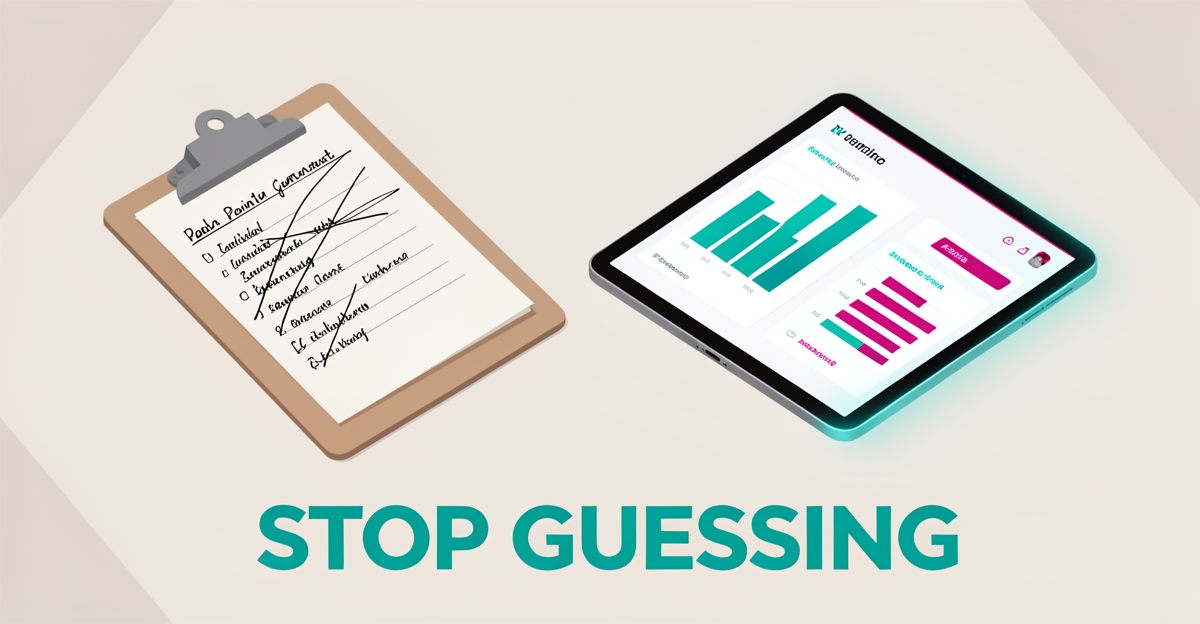
Imagine knowing exactly where every paint job stands, how much labor each task consumes, and which materials are running low, without stepping foot on site or making a single phone call. That's the reality AI-powered visibility brings to painting contractors, transforming guesswork into precise, actionable intelligence.
For painting businesses, this level of oversight addresses a critical gap. While most organizations still run on manual processes, forward-thinking contractors are discovering that real-time data beats clipboard estimates every time. Manual tracking often leaves owners blind to labor overruns until invoices are reconciled weeks later, but AI monitoring surfaces these issues as they happen.
Real-time job status updates form the foundation of this visibility. Instead of wondering whether a crew finished the exterior trim or moved to the next phase, managers see live progress indicators. This immediacy matters because faster response times let teams address delays before they cascade into missed deadlines.
Labor hour accuracy represents another transformative outcome. AI systems track actual time spent on prep work, coating application, and cleanup, comparing these figures against estimates. When discrepancies emerge, managers receive alerts immediately rather than discovering cost overruns during post-job analysis. This precision helps painting contractors maintain profitability on fixed-bid projects where every hour counts.
Material usage control follows similar logic. By monitoring paint consumption against square footage and surface type, AI flags unusual patterns that suggest waste, theft, or application errors. Structured tracking approaches in related industries have shown meaningful savings on material costs, savings that painting businesses can typically replicate with proper monitoring.
Client satisfaction tracking completes the picture. AI systems analyze communication patterns, response times, and service quality metrics to flag at-risk accounts before final walkthroughs. This proactive stance prevents small issues from becoming negative reviews or lost referrals.
The cumulative effect transforms decision-making from reactive to strategic. Rather than relying on gut instinct, owners base choices on comprehensive data:
- Real-time job status eliminates costly communication gaps between field and office
- Labor analytics reveal true costs per job type, improving future estimates
- Material tracking prevents waste and ensures accurate reordering
- Client satisfaction signals enable proactive service recovery
Implementing these systems requires more than software installation. It demands integration with existing workflows and training for field teams. AIQ Labs specializes in building custom monitoring solutions specifically for trades businesses, ensuring the technology serves the unique rhythms of painting operations rather than forcing generic workflows onto specialized work.
The result is a painting business that operates with clarity, where every decision, from scheduling to pricing to resource allocation, rests on solid data rather than hopeful estimation.
Implementation Roadmap: From Manual Chaos to AI-Enabled Operations
Manual job tracking quietly bleeds margin in painting operations. Lost timesheets, missed callbacks, and invisible labor costs accumulate until visibility disappears and jobs slip.
Moving from spreadsheets and phone notes to AI-enabled operations starts with clarity about what's actually breaking. Knowledge workers across industries typically spend a large share of their week on repetitive, non-value tasks. That time is time not spent bidding, prepping, or finishing.
The first step is mapping repetitive tracking tasks without judgment. Job status updates, crew check-ins, material requisitions, and client follow-ups are prime candidates. Document where data is entered twice, where delays happen, and where errors reappear. This inventory creates the automation target list.
Next, choose integrated AI tools that connect to the systems painters already use. The goal is unified data, not another dashboard. AIQ Labs designs custom monitoring systems that pull from scheduling, CRM, and field reporting to create a single source of truth for job status, crew performance, and client satisfaction.
Designing automated workflows means rethinking the process, not just digitizing forms. The workflow should trigger alerts for overdue jobs, auto-log hours from mobile check-ins, and surface labor cost variance in real time.
A practical implementation roadmap for painting operations looks like this:
- Audit manual tracking points and quantify time loss and error cost
- Integrate AI monitoring with existing dispatch, CRM, and accounting tools
- Build automated status updates, performance dashboards, and client satisfaction tracking
- Train crews on mobile capture and review weekly AI insights with leadership
Continuous optimization keeps the system valuable. Monitor response times, job completion variance, and crew utilization. Review these metrics monthly and refine thresholds, alerts, and routing rules.
Ownership matters for long-term ROI. With AIQ Labs' AI Operating Systems approach, you build one connected operating layer in phases, and you own it outright, avoiding vendor lock-in and subscription sprawl. The system evolves with the business through ongoing optimization rather than a one-time install.
The shift from manual chaos to AI-enabled operations is a redesign of work, not just faster paperwork. When job tracking becomes automatic and visible, decisions become data-driven and crews focus on painting, not paperwork.
Still paying for 10+ subscriptions that don’t talk to each other?
We build custom AI systems you own outright. No vendor lock-in. Full control.
Not sure where to start? Ask our AI planner
Frequently Asked Questions
How much money do painting businesses actually lose from manual job tracking?
What's the difference between basic automation and AI-driven dashboards for painting jobs?
How do AI dashboards track labor costs without my crew doing extra paperwork?
Will AI job tracking work with my existing estimating and invoicing software?
How does real-time visibility actually prevent profit loss on painting jobs?
What's the ROI timeline for switching from spreadsheets to AI job tracking?
Stop Losing Money to Invisible Leaks in Your Painting Business
Manual job tracking isn't just inconvenient, it's actively eroding your painting business's profitability through inaccurate labor costs, delayed responses, lost job details, and material waste. These hidden leaks compound across every job, turning what should be margin into operational chaos. The good news? AI-driven dashboards provide real-time visibility into job status, crew performance, and client satisfaction, transforming reactive firefighting into proactive, data-driven management. If you're ready to stop guessing and start protecting your profits, take the first step with a free strategy call. AIQ Labs helps painting contractors build custom monitoring systems that integrate with your existing tools and that you own outright, no vendor lock-in, just measurable results. Book your free 30-minute strategy call to see where AI can fix your biggest bottlenecks and start building a painting business that runs on clarity, not chaos.
Make AI your competitive advantage — not just another tool.
Strategy, implementation and ongoing optimization. One partner, end to end.
Not sure where to start? Ask our AI planner