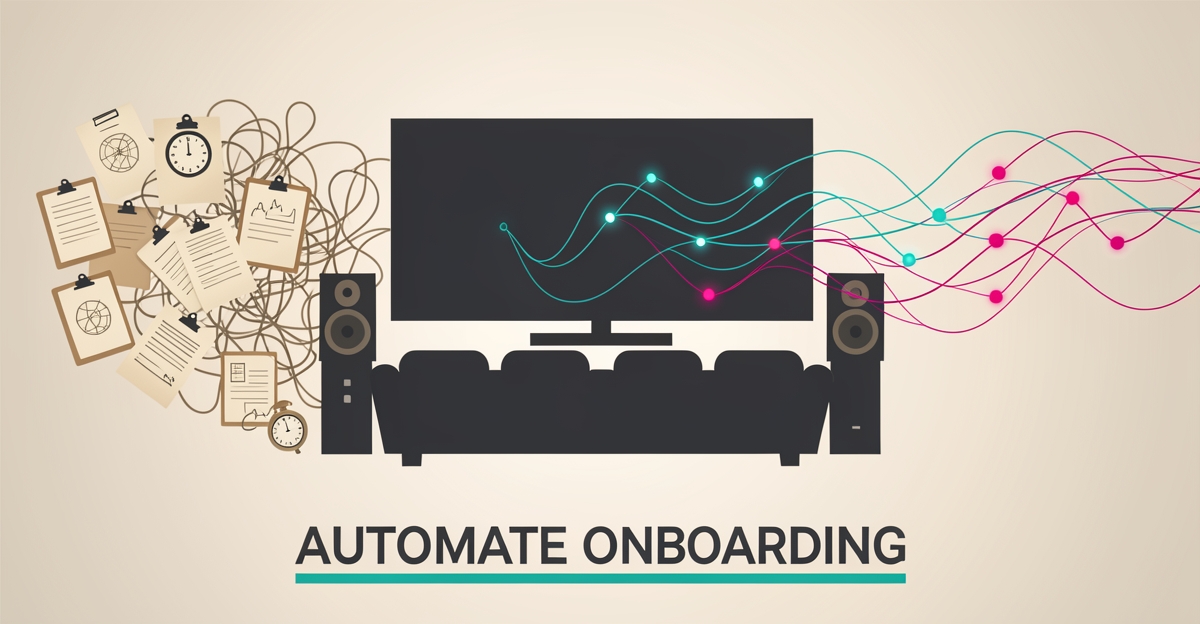
The Real Cost of Manual Customer Onboarding in Home Theater Installations
Key Facts
- In large enterprise onboarding flows, only a small share of steps typically add value for the customer, with the rest consumed by administration according to industry analysis
- A majority of non-value onboarding steps in those flows can be automated with AI agents per the same analysis
- Manual onboarding processes tend to reduce the share of value-adding steps a customer experiences based on industry findings
- AI-powered onboarding can automate repetitive steps like sending welcome emails or creating custom checklists per research
- Manual onboarding processes can be clunky, confusing, or last-minute, leading to frustration for both customer and business per industry research
Hire a team member that works 24/7 — for less than a part-time wage.
AI receptionists, SDRs, dispatchers and 99+ roles. Trained on your business, fully managed.
Not sure where to start? Ask our AI planner
The Hidden Cost of Manual Onboarding in Home Theater
The hidden cost of manual onboarding in home theater installations often goes unnoticed until it starts eroding profits and customer trust. When teams rely on spreadsheets, email chains, and manual follow-ups to onboard clients, they introduce friction that directly impacts revenue and satisfaction. Every delayed confirmation, misplaced file, or forgotten appointment represents a tangible loss, time that could have been spent delivering value is instead consumed by administrative overhead.
According to research on large enterprise onboarding processes, only a small share of the thousands of steps involved typically add value for the customer, meaning the majority of effort goes to non-value-adding tasks. In home theater installations, this translates to technicians wasting hours on data entry, scheduling conflicts, and repetitive confirmations instead of focusing on system design, calibration, or client education. These inefficiencies compound across multiple installations, creating a drag on operational capacity that limits how many jobs a team can realistically handle each month.
Manual processes also increase the risk of errors that frustrate customers and jeopardize leads. A missed follow-up email or incorrect equipment specification can lead to installation delays, costly rework, or even lost sales when clients perceive the business as disorganized. The same research notes that manual onboarding tends to reduce the share of value-adding steps a customer actually experiences, directly linking process friction to diminished experience and satisfaction. When customers feel uncertain or neglected during onboarding, their confidence in the installation process erodes, making them less likely to refer others or invest in future upgrades.
- Time wasted on repetitive data entry and scheduling
- Increased likelihood of errors in client specifications
- Lost leads due to delayed or inconsistent follow-ups
- Reduced team capacity for actual installation work
- Lower customer satisfaction from inconsistent onboarding experiences
AIQ Labs helps home theater businesses replace these manual inefficiencies with AI-driven systems that automatically capture client details, send timely confirmations, and track follow-ups without human intervention. That can start with a managed AI employee handling intake and scheduling, or a fixed-scope workflow build that rebuilds your highest-cost onboarding process. By eliminating the clunky, error-prone steps that dominate traditional onboarding, companies reclaim time for high-value activities, like refining audio-visual designs or educating clients on system use, while ensuring a seamless, professional experience from the first "yes" to final calibration. This shift doesn’t just reduce costs; it transforms onboarding from a liability into a competitive advantage that builds trust and drives referrals.
Where Manual Onboarding Breaks Down for Installers
The moment a home theater client says yes, the clock starts on a high-expectation experience. Manual onboarding turns that moment into a series of gaps that installers feel immediately and customers remember longer.
Collecting client info by phone and email creates the first bottleneck. Forms arrive incomplete, details get re-asked, and notes live in different inboxes. Industry research shows manual onboarding can be clunky, confusing, or last-minute, leading to frustration for both the customer and the business. Staff spend valuable hours chasing answers instead of planning installs.
Confirmations sent late compound the problem. A delayed install window or missing pre-site checklist erodes trust before work begins. The same research notes that manual processes reduce the share of value-adding steps for the customer. For installers, that translates to more calls, more reschedules, and less time for billable, value-adding work.
Missed follow-ups are the silent lead loss. After an initial quote, prospects need timely touchpoints, equipment confirmations, and access instructions. Without automated tracking, follow-ups slip through the cracks and warm leads cool. Manual onboarding processes can lead to errors, lost leads, and wasted time, ultimately affecting the bottom line.
Inconsistent checklists make every job feel different. One installer asks for power access details, another forgets to confirm wall mounting permissions. Customers receive mixed instructions, and teams reinvent the process each time. Analysis of large onboarding flows found that only a small fraction of steps added value for the customer, with the majority of the remaining steps automated using AI agents.
The impact shows up in daily operations:
- Staff pulled into data entry instead of site prep and client consultation
- Customers frustrated by repeated requests and unclear next steps
- Installs delayed by missing information discovered on arrival
- Inconsistent experience that weakens referrals and repeat business
These friction points are exactly where an AI workflow build changes the pattern. Systems can automatically collect client info, send confirmations, and track follow-ups so teams stay focused on installation quality. AIQ Labs builds owned AI systems that replace repetitive onboarding tasks with reliable, automated workflows installers control.
When onboarding is manual, the business pays in time, errors, and lost confidence. When it is automated, the same staff capacity shifts to the work that actually differentiates a home theater installation.
How AI-Powered Onboarding Streamlines Client Intake
Manual onboarding in home theater installations often drowns teams in repetitive tasks that add little value for the customer. Research shows that only a small share of steps in typical onboarding processes deliver real value to clients, while the rest consume time and resources without enhancing the experience. AI-powered onboarding flips this ratio by automating the non-value steps, allowing businesses to focus on what truly matters: building relationships and delivering personalized service from the very first interaction.
By deploying AI agents to handle welcome messages, custom checklist generation, and instant support, home theater providers can eliminate bottlenecks that frustrate both customers and staff. Large enterprise implementations have demonstrated that a majority of non-value onboarding steps can be automated using AI, significantly reducing manual effort and accelerating time to value. This automation ensures that client information is collected accurately, confirmations are sent instantly, and follow-ups are tracked without human intervention, minimizing errors and lost leads that plague manual systems.
- Automated welcome sequences that trigger immediately after contract signing
- Dynamic checklists tailored to each client’s equipment and room specifications
- Real-time support via AI assistants for common setup questions
- Scheduled follow-ups that adapt based on client engagement and project milestones
AI-driven personalization goes beyond automation, it uses client data to tailor the onboarding journey, making each interaction feel relevant and supportive. Whether it’s recommending optimal speaker placement based on room dimensions or sending setup tips aligned with the client’s technical comfort level, AI ensures that value is delivered from day one. This approach not only improves satisfaction but also reduces the likelihood of costly rework or delays caused by miscommunication.
For home theater businesses looking to scale without sacrificing quality, AI-powered onboarding offers a clear path forward. By integrating these capabilities into existing workflows, through a managed AI employee or a phased AI operating system, companies can transform a traditionally tedious process into a seamless, value-driven experience that sets the tone for long-term client relationships.
From Manual to Automated: A Practical Implementation Path
Manual onboarding in home theater installations leaks time, revenue, and trust before the first appointment is even set. The work really begins the moment someone says “yes,” and a clunky handoff turns excitement into frustration for both customer and crew.
A practical path starts with mapping where value is lost. Home theater businesses can audit the current intake-to-schedule flow and flag repetitive, high-error steps such as form collection, confirmation emails, site surveys, and follow-up tracking. According to industry research on AI in customer support, only a small share of steps in large enterprise onboarding processes added value for the customer. That gap is where manual onboarding creates drag.
Once the steps are mapped, identify automatable moments without overhauling the whole operation. The goal is to automate routine tasks while keeping the human touch for design consultation and installation. Research on streamlining customer onboarding with AI shows AI can handle repetitive onboarding steps such as sending welcome emails or creating custom checklists, freeing up time for building relationships.
A lean implementation sequence for home theater teams looks like this:
- Identify automatable onboarding steps, from lead capture to confirmation and pre-install prep
- Integrate AI intake and confirmation workflows with existing CRM, calendar, and scheduling tools
- Deploy automated follow-ups and document requests that trigger on client actions
- Monitor results for speed to first contact, confirmation rate, and show-up rate
Integration is the make-or-break point. AI-powered onboarding tools can provide instant support and setup, cutting delays and frustration, but only when data flows cleanly between intake forms, proposals, and install scheduling. Poor data quality and process fit are common blockers that must be addressed early.
Ownership-based AI systems change the economics of this work. Instead of subscribing to fragmented tools, businesses can build scalable, owned automation that collects client info, sends confirmations, and tracks follow-ups inside their own stack. AIQ Labs designs these systems with clear payment models, Start Monthly, Build in Milestones, and Own It Outright, which let home theater companies start with one workflow or department system and expand as value is proven. You can see how the models compare on the pricing page.
The impact is measurable. Customer experience analysis found that a majority of the remaining steps in large enterprise onboarding processes were automated using AI agents, shifting effort from administration to revenue work. When onboarding is automated and efficient, accuracy rises and customer satisfaction improves because the experience feels instant and personal from day one.
Continuous improvement closes the loop. Monitor the effectiveness of the AI-powered onboarding tool, refine prompts and handoff rules, and expand automation to adjacent steps like post-install surveys and referral requests. AI doesn’t replace expertise. It multiplies it, letting installers focus on design and delivery while the system handles the routine.
Still paying for 10+ subscriptions that don’t talk to each other?
We build custom AI systems you own outright. No vendor lock-in. Full control.
Not sure where to start? Ask our AI planner
Frequently Asked Questions
What are the hidden costs of manual customer onboarding for home theater installers?
How does manual onboarding impact customer satisfaction in home theater installations?
Can AI-powered onboarding really reduce errors and lost leads?
What are the first steps to transition from manual to AI-powered onboarding?
Will AI replace the personal touch in customer onboarding?
How can I measure the ROI of switching to AI-powered onboarding?
From Bottleneck to Breakthrough: Turning Onboarding Into Your Competitive Edge
The evidence is clear: manual onboarding in home theater installations silently drains time, erodes trust, and limits growth by turning high-value client moments into administrative chores. With research showing that only a small share of typical onboarding steps actually add customer value, the opportunity to reclaim that lost effort isn’t just about efficiency, it’s about redirecting skilled technicians toward what they do best: designing immersive systems, ensuring flawless calibration, and educating clients with confidence. AI-powered onboarding doesn’t replace expertise; it multiplies it by automating repetitive tasks like data entry, confirmation tracking, and follow-ups, so teams can focus on billable, relationship-building work from the very first 'yes.' The result is a smoother, more professional experience that builds trust, reduces errors, and creates space for more installations without adding headcount. If you're ready to see where your onboarding process is leaking value and how AI can plug those gaps, start with a free, no-obligation strategy call to map your biggest bottleneck and uncover high-ROI automation opportunities tailored to your business. You can begin with a two-minute Fit Check.
Make AI your competitive advantage — not just another tool.
Strategy, implementation and ongoing optimization. One partner, end to end.
Not sure where to start? Ask our AI planner