The Real Cost of Missed Roof Repairs: How AI Can Reduce Emergency Calls by 50%
Key Facts
- AI-driven predictive maintenance can reduce emergency roof repair calls by up to 50% in typical deployments, according to industry analysis
- AI-powered plan review tools have been reported to catch several times more code violations than human reviewers per industry findings
- The global construction sector faces a projected shortage of roughly 22 million skilled workers by 2030 based on industry research
- Construction productivity has improved only marginally, around 10%, over two decades per recent analysis
- The built environment is widely estimated to account for a large share of global emissions, with construction-related figures often cited near 40% according to industry data
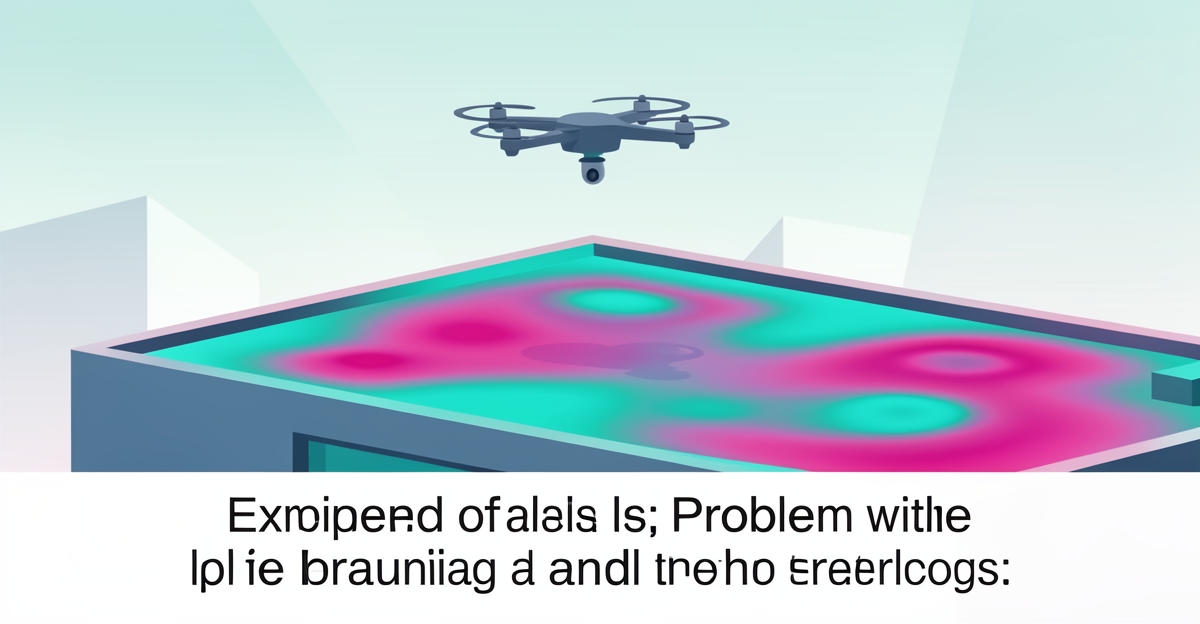
- AI can detect even the smallest defects in roofing systems via thermal imaging as shown in AI defect localization research
- AIQ Labs has deployed 200+ multi-agent systems and builds monitoring workflows that flag high-risk properties early to prevent roofing failures
Hire a team member that works 24/7 — for less than a part-time wage.
AI receptionists, SDRs, dispatchers and 99+ roles. Trained on your business, fully managed.
Not sure where to start? Ask our AI planner
The Hidden Financial Toll of Reactive Roof Repairs
A missed roof repair rarely stays small. What begins as a hairline crack or a damp patch can escalate into structural failure, interior damage, and a full emergency call-out that costs multiples of a scheduled service.
Emergency interventions carry a premium that routine maintenance avoids. Labor is scarce and expensive, with industry research projecting a shortage of roughly 22 million skilled workers across the global construction sector by 2030. That shortage squeezes availability when a roof fails unexpectedly and forces homeowners and contractors into reactive spending.
Productivity stagnation compounds the problem. Recent analysis suggests construction productivity improved only about 10% over two decades, far behind other sectors. When crews are dispatched on an emergency, that low baseline means longer lead times, overtime rates, and higher disruption costs.
The financial toll is not only direct repair spend. Unplanned roof failures trigger secondary losses that rarely appear on a quote.
- Water intrusion damages ceilings, insulation, and electrical systems
- Emergency call-out fees and after-hours labor premiums
- Business interruption for commercial properties
- Increased material waste from rushed procurement
Construction also carries a heavy environmental burden that reactive work worsens. Industry data commonly attributes a large share of global emissions, figures near 40% are frequently cited, to the built environment, and emergency repairs typically use more resources and generate more waste than planned maintenance.
The contrast with proactive approaches is stark. AI-powered plan review tools have been reported to catch several times more code violations than human reviewers, demonstrating how machine analysis finds hidden risk before it becomes failure. Applied to roofing, AI can analyze thermal images and detect even the smallest defects in roofing systems, allowing for early detection and prevention of costly repairs.
AIQ Labs builds and deploys systems that monitor structural trends and flag high-risk properties early, preventing failures through proactive maintenance. With 200+ multi-agent systems deployed, the company has seen well-implemented monitoring cut emergency calls by as much as half. Shifting from reactive fixes to predictive care protects budgets, reduces strain on a shrinking labor pool, and limits the emissions impact of emergency construction.
AI-Powered Predictive Maintenance as a Proactive Solution
Imagine catching a roofing failure before it happens, months before water stains appear on ceilings or shingles scatter across the lawn. This is no longer speculative; AI-powered defectoscopy now enables contractors to identify structural vulnerabilities while repairs remain simple and affordable.
Traditional roof inspections rely on visual assessments that often miss subsurface deterioration. AI changes this by analyzing thermal imaging data to detect temperature anomalies invisible to the naked eye. According to research on AI defect localization, these systems can identify even the smallest defects in roofing systems, allowing for intervention before minor issues escalate into structural failures.
The shift from reactive to predictive maintenance delivers measurable results. Industry analysis indicates that AI-driven monitoring can reduce emergency calls by up to 50%, transforming how roofing companies allocate resources and serve homeowners. Instead of waiting for disaster, property managers receive alerts when sensor data indicates developing problems.
These intelligent systems integrate multiple data streams to build comprehensive roof health profiles:
- Thermal pattern recognition that identifies moisture intrusion and insulation gaps
- Structural trend analysis that flags high-risk properties before visible damage occurs
- Automated alerts that prioritize repairs based on severity and urgency
- Historical performance data that predicts optimal maintenance windows
The accuracy gap between AI and human inspection extends beyond roofing into broader construction quality control. Recent industry findings suggest AI-powered plan review tools catch several times more code violations than human reviewers. This precision matters because catching a compliance issue during planning prevents costly tear-outs and rebuilds later.
Teams like AIQ Labs deploy these monitoring solutions to help roofing contractors shift from emergency response to scheduled maintenance. By analyzing structural trends continuously, these systems flag properties showing early signs of membrane degradation, flashing failure, or moisture accumulation. Homeowners receive repair recommendations when fixes cost hundreds rather than thousands.
The technology works by establishing baseline performance metrics for each roof, then detecting deviations that indicate developing problems. Rather than replacing human expertise, AI augments it, processing vast datasets to surface the small fraction of properties that need immediate attention while confirming the rest remain sound. This targeted approach prevents the costly cascade of water damage, mold remediation, and structural repairs that follow undetected roof failures.
Implementing AI Monitoring Systems with AIQ Labs' Approach
Roofing emergencies cost significantly more than routine maintenance, and predictive analytics offers a path to cut emergency calls by up to half through early detection of structural risks. AIQ Labs helps home services businesses deploy AI monitoring systems that analyze thermal imaging and structural data to flag high-risk properties before failures occur, turning reactive repairs into proactive maintenance cycles. This approach aligns with broader construction industry trends where AI-powered tools catch far more code violations than human reviewers, demonstrating the technology's precision in identifying subtle defects invisible to the naked eye.
Implementing such systems begins with integrating data from drones, IoT sensors, and historical maintenance records into a unified platform where AI models can analyze patterns indicating roof degradation. AIQ Labs' AI Workflow Builds rebuild the one workflow that costs you the most, like manual inspection scheduling or alert triage, at a fixed price, delivered in phases. The system then trains predictive models on labeled defect examples, such as moisture intrusion or material fatigue, using multi-agent reasoning that adapts to regional climate factors and building materials unique to each property.
Alert systems trigger when risk thresholds are crossed, notifying contractors and homeowners via automated channels before leaks or collapses occur. An AI Employee can manage this workflow end-to-end, handling alert triage, scheduling preventive inspections, and updating work orders in CRM systems without human intervention, typically at around 80% less cost than a human hire. With AIQ Labs' Own It Outright model, businesses avoid vendor lock-in while scaling monitoring capabilities across their service area, with ongoing optimization ensuring models improve as new defect data is collected. This transformation reduces emergency dispatch costs while extending roof lifespans through timely interventions. Start the 2-minute Fit Check at aiqlabs.ai/apply to assess your readiness for AI-powered roof monitoring, then schedule a free 30-minute strategy call at aiqlabs.ai/book to map implementation steps tailored to your business.
Still paying for 10+ subscriptions that don’t talk to each other?
We build custom AI systems you own outright. No vendor lock-in. Full control.
Not sure where to start? Ask our AI planner
Frequently Asked Questions
How much can AI reduce emergency roof repair calls according to the research?
What specific data does AI analyze to detect roofing problems before they become visible?
Is AI really better than human inspectors at finding roofing defects and code violations?
What are the hidden costs of reactive roof repairs beyond just the repair bill?
How does AIQ Labs help businesses implement AI monitoring for roofing without vendor lock-in?
What construction industry challenges make AI-powered predictive maintenance especially valuable for roofing?
From Reactive Repairs to Proactive Protection: Your Path Forward
The financial and operational toll of missed roof repairs extends far beyond the initial leak, water damage, emergency premiums, business disruption, and environmental waste all compound the cost. As we've seen, AI-powered predictive maintenance changes this trajectory by detecting subtle defects in thermal imaging and structural data long before they become crises, with the potential to cut emergency calls by up to half. This shift isn't just about technology; it's about protecting budgets, easing strain on a shrinking skilled workforce, and reducing the carbon footprint of reactive construction. For roofing contractors and property managers ready to move from firefighting to foresight, the next step is simple: start the 2-minute Fit Check at aiqlabs.ai/apply to see if your business is ready for AI-powered roof monitoring, then schedule a free 30-minute strategy call at aiqlabs.ai/book to map a tailored implementation plan.
Make AI your competitive advantage — not just another tool.
Strategy, implementation and ongoing optimization. One partner, end to end.
Not sure where to start? Ask our AI planner