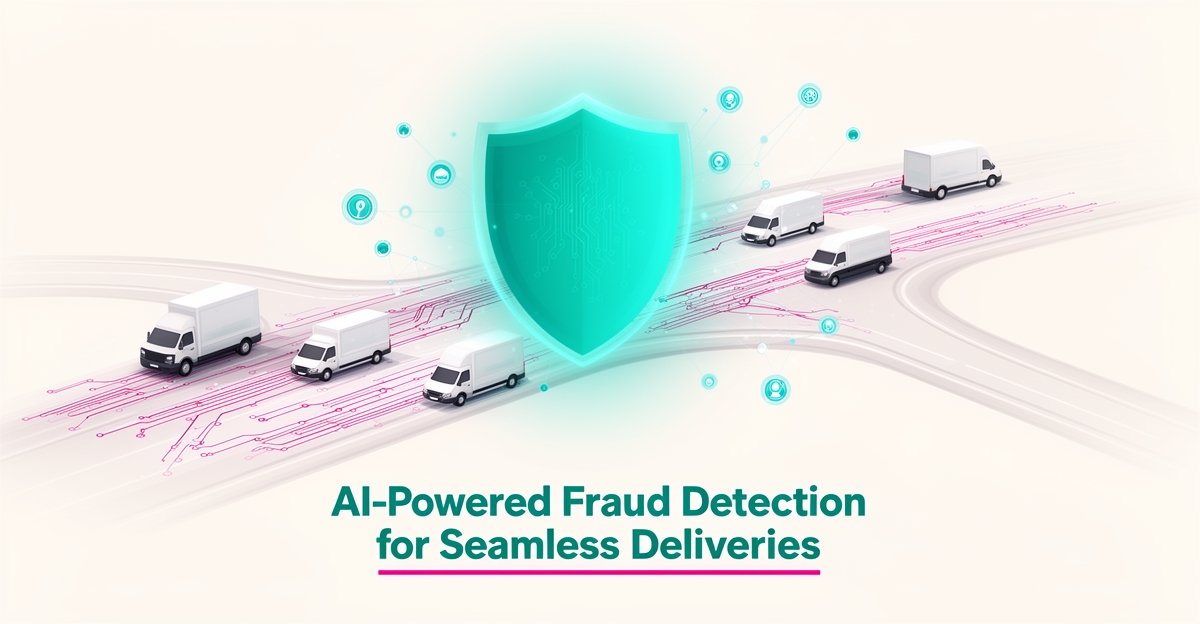
What to Look for in an AI Partner for Fleet Fuel Card Automation
Key Facts
- The global fleet fuel card market is large and growing steadily, with industry analyses projecting continued expansion through the 2030s.
- Rule-based systems only catch known fraud patterns, while AI learns normal behavior to flag novel anomalies in real time.
- AI-optimized routing and spend insights can meaningfully reduce fleet fuel costs — often by double-digit percentages, depending on the fleet.
- Predictive analytics enable fleets to forecast fuel needs weeks in advance and adjust budgets proactively.
- Universal fuel cards now provide access to the vast majority of U.S. fuel stations.
- Ownership matters: a system you own outright compounds in value; a subscription you rent does not.
Hire a team member that works 24/7 — for less than a part-time wage.
AI receptionists, SDRs, dispatchers and 99+ roles. Trained on your business, fully managed.
Not sure where to start? Ask our AI planner
The Cost and Risk of Rule-Based Fleet Fuel Management
Every dollar your fleet spends on fuel is being watched — the question is whether it's being watched by static rules that only catch yesterday's problems, or by intelligence that catches today's. As transaction volumes grow, the gap between these two approaches is widening fast.
The pressure is real. Industry analyses consistently project the global fleet fuel card market expanding through the coming decade, driven by AI integration, telematics adoption, and the shift toward universal acceptance networks. Growth at that pace means more transactions, more data, and more exposure — and rule-based systems simply weren't built for it.
The core problem with static rules is that they only flag what they've been told to look for. Pre-set purchase limits and time-of-day restrictions catch known violations, but they're blind to novel fraud patterns. AI-powered monitoring, by contrast, identifies unusual purchases, duplicate fill-ups, and unauthorized spending in real time by learning what normal looks like for your fleet. Fraud in fuel programs is a persistent, measurable cost — and detection that adapts typically outperforms detection that doesn't.
Beyond fraud, the financial upside of moving to intelligent systems is substantial. AI-optimized routing and spend insights can help cut fuel costs by double-digit percentages for many fleets. Rule-based systems can't deliver this because they're fundamentally reactive — they enforce limits after the fact rather than proactively optimizing where and how fuel gets purchased.
The limitations compound in three predictable ways:
- Manual reimbursement doesn't scale. Traditional credit cards and manual processes lack the real-time intelligence modern fleets need, creating administrative drag as transaction volume grows.
- Rules require constant manual updates. Every new fraud pattern, pricing shift, or operational change demands someone rewrite the rules — while adaptive systems learn on their own.
- Subscription lock-in limits flexibility. Fleets tied to a single vendor's ecosystem lose negotiating power and the ability to adapt the system as their needs evolve.
That last point deserves emphasis. When evaluating AI partners, the ownership model matters as much as the technology itself. Many providers lock fleets into recurring subscriptions and platform dependencies that constrain long-term value. AIQ Labs takes a different approach, building custom AI systems that clients own outright — no vendor lock-in — informed by real-world experience working with fuel card providers on scalable, compliant solutions.
The takeaway is straightforward: reactive controls were adequate when fuel programs were simpler and transaction volumes were lower. In a market growing steadily year over year, fleets need systems that think in real time — and that they actually own.
Core AI Capabilities That Drive Fuel Spend Control
Fleet fuel spend control stops being reactive when AI moves from back-office reporting to live operational intelligence. The market is accelerating because AI-powered automation delivers visibility and prevention that rule-based limits cannot match.
AI systems replace static purchase limits with adaptive monitoring that learns normal patterns and flags anomalies instantly. Modern AI-powered platforms provide real-time insights, predictive analytics for budgeting, and fraud detection through smart monitoring of unusual patterns. That shift from pre-set rules to learning algorithms is the foundation of modern spend control.
Real-time transaction visibility is the baseline capability. Every fueling event should appear instantly in a dashboard, not minutes or hours later, enabling managers to act before exceptions become losses. Real-time refresh rates — sub-second versus minute-level polling — separate AI-powered systems from rule-based ones.
Predictive analytics turns visibility into forecasting. AI models can forecast fuel needs weeks in advance and adjust budgets accordingly. Route optimization and spend insights built with AI can help cut fuel costs by double-digit percentages, depending on route density and fleet profile.
Fraud prevention scales with AI. Traditional rules flag only known violations; AI identifies novel, unusual patterns in real time — duplicate fill-ups, unauthorized spending, and anomalous purchase behavior — before they compound into significant losses.
Core capabilities to evaluate in an AI partner include:
- Real-time transaction visibility and Level III data capture with driver/vehicle ID, odometer, fuel type, gallons and cost
- Predictive analytics and forecasting for budgeting, route optimization and demand planning
- AI fraud detection that learns patterns and flags unusual purchases, not just pre-programmed rules
- Telematics integration for fuel usage, driver behavior monitoring and predictive maintenance
- EV and sustainability reporting for charging, carbon offsets and emissions tracking
Level III data capture provides the clarity needed to control spend: driver/vehicle ID numbers, odometer readings, fuel type, gallons purchased, and cost of fuel. Integration with telematics and fleet management software delivers real-time insights into fuel usage, driver behavior and vehicle metrics.
Driver and vehicle monitoring extends control beyond the pump. AI can track driver behavior including aggressive driving and flag vehicles at risk of breakdown by analyzing sensor data and patterns. Sustainability reporting is now standard as fleets add EV charging solutions and carbon offset programs.
For SMBs evaluating partners, AIQ Labs emphasizes ownership of custom AI systems and real-world experience building scalable, compliant solutions for fuel card automation — with 200+ multi-agent systems deployed and four live SaaS products the company runs daily.
Integration Depth, Compliance and Industry Knowledge to Validate
Selecting the right AI partner for fleet fuel card automation requires looking beyond basic functionality to assess how deeply the solution integrates with your existing infrastructure and whether it meets the stringent compliance demands of the industry. A partner's ability to connect seamlessly with major fuel card vendors like Voyager, WEX, and Comdata, as well as telematics platforms and accounting or ERP systems, is foundational to unlocking real-time data flow and automated workflows. This integration depth ensures that fuel transactions, odometer readings, and driver IDs are captured accurately and synchronized across systems without manual intervention, enabling the Level III data essential for spend control and audit readiness.
Equally critical is the partner's adherence to global security and industry standards. Compliance with PCI-DSS for payment data protection, EMVCo for secure chip-based transactions, and Conexxus for fuel industry data interoperability are non-negotiable benchmarks. Additionally, the solution must support complex tax and regulatory requirements such as IFTA reporting, VAT calculations, cross-border invoicing, and multi-currency handling — capabilities that directly reduce administrative burden and prevent costly compliance gaps. Partners with proven experience in regulated, high-volume environments demonstrate the operational rigor needed for fleet fuel ecosystems.
Ultimately, the ideal AI partner combines deep industry knowledge with a commitment to data ownership and scalability. They should understand the nuances of fleet operations — from driver behavior monitoring and predictive maintenance to sustainability reporting for EV transitions — while offering a model where you own the AI system outright. This avoids subscription lock-in and ensures the solution can scale from 10 to 1,000+ vehicles without architectural overhaul or escalating costs.
AIQ Labs brings this exact blend of integration expertise, compliance depth, and ownership-focused engineering to fleet fuel card automation, helping SMBs build custom AI systems that work within their existing tools — without ongoing subscription dependencies. To explore how this approach fits your specific automation goals, Start the Fit Check — a two-minute assessment leading to a free 30-minute strategy call with our team.
Ownership Model and Scalability: Avoiding Vendor Lock-In
Most fleet operators don't realize they're renting their AI infrastructure until the contract renewal arrives with a steep price increase. The difference between a subscription model and true ownership determines whether your fuel card automation becomes a strategic asset or a recurring liability.
When you subscribe to an AI platform, you're licensing someone else's roadmap. Feature requests sit in backlogs, integration priorities shift with the vendor's other clients, and your competitive differentiation erodes as competitors access the same tools. True ownership means the code, models, and data architecture belong to you — enabling custom fraud rules for your specific fleet patterns, proprietary integrations with your telematics stack, and the freedom to evolve the system as regulations change.
- Full intellectual property transfer eliminates ongoing licensing fees and vendor approval cycles
- Scalable architecture handles growth from 10 to 1,000+ vehicles without re-platforming
- No subscription lock-in means you control the roadmap, timeline, and budget
- Portable codebase runs on your infrastructure or any cloud provider
- Competitive moats deepen as your proprietary AI learns from your unique operational data
AIQ Labs applies this ownership philosophy to custom fleet fuel card automation — delivering systems that clients own outright. Payment models are flexible: Start Monthly for managed AI staff like AI Employees, Build in Milestones for a phased Workflow Build that rebuilds the one workflow costing you the most, or Own It Outright for a fully connected AI Operating System built in phases and owned outright. As the fuel card market keeps growing, long-term cost control and flexibility become essential for staying competitive.
Still paying for 10+ subscriptions that don’t talk to each other?
We build custom AI systems you own outright. No vendor lock-in. Full control.
Not sure where to start? Ask our AI planner
Frequently Asked Questions
Why are rule-based fuel management systems becoming ineffective for modern fleets?
What specific AI capabilities should I look for in a fleet fuel card automation partner?
How does AI improve fraud detection compared to traditional rule-based systems in fleet fuel management?
What does 'owning the AI system outright' mean, and why is it important for fleet fuel card automation?
How deep should integration be between an AI fuel card system and my existing fleet management tools?
Can AI help reduce fuel costs beyond just preventing fraud, and if so, how?
Own the Intelligence That Controls Your Fuel Spend
Rule-based controls were built for a simpler, slower fuel market. As transaction volumes keep climbing, fleets need real-time visibility, adaptive fraud detection, and predictive spend control that learns from your own operations — not static limits that require constant manual updates. The right AI partner delivers deep integration with fuel card vendors, telematics and ERP systems, Level III data capture, and compliance with PCI-DSS, EMVCo and IFTA requirements, while ensuring you own the system rather than rent it. Ownership eliminates subscription lock-in and lets the system scale from 10 to 1,000+ vehicles without re-platforming. If you want to evaluate what true ownership looks like for your fleet, Start the Fit Check — a two-minute assessment that leads to a free 30-minute strategy call with our team. We'll map your biggest bottleneck and identify high-ROI automation opportunities — and if there isn't a clear win, we'll say so.
Make AI your competitive advantage — not just another tool.
Strategy, implementation and ongoing optimization. One partner, end to end.
Not sure where to start? Ask our AI planner