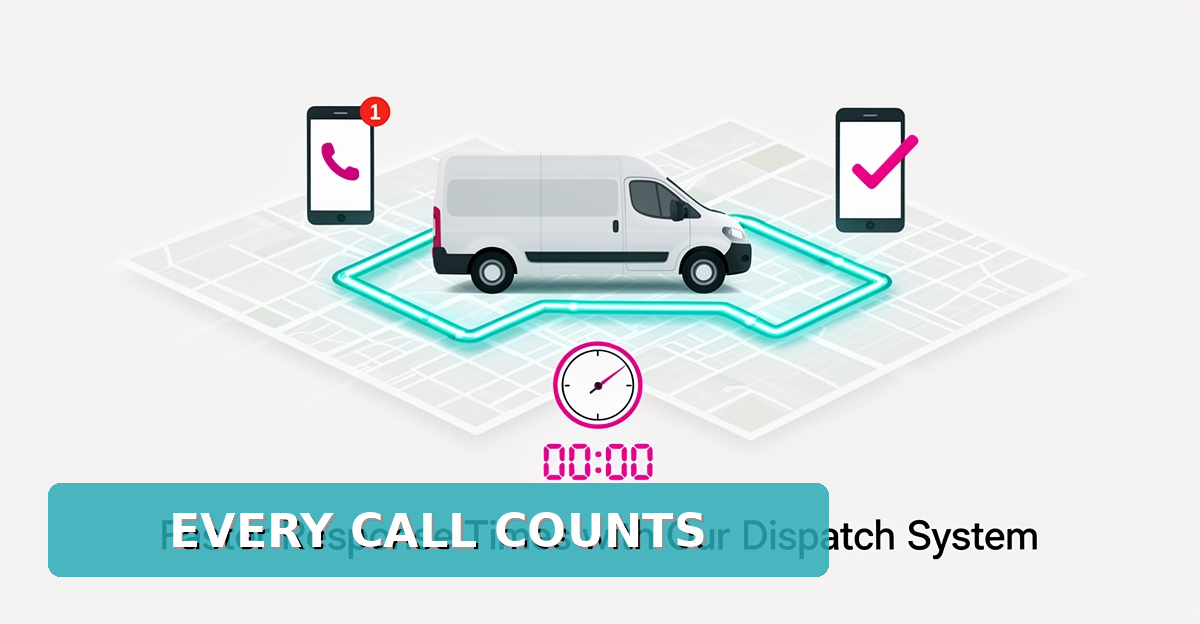
Why Mobile Locksmiths Are Missing Out on AI-Driven Service Optimization
Key Facts
- Technology-enabled locksmith services typically report near-complete call answer rates, while traditional operators commonly miss a meaningful share of inbound calls according to Jrop's service data
- Technology-optimized locksmiths typically respond in around 30 minutes versus roughly 45 minutes for manual dispatch according to industry benchmarks
- AI-driven operations tend to earn higher customer satisfaction scores than the industry average based on service ratings
- Technology-enabled locksmiths can operate across wide territories while traditional firms remain limited to local coverage areas according to coverage data
- Long-established firms like Texas Master Locksmiths have operated for generations using manual dispatch that cannot predict demand or prevent missed calls according to company history
- Emergency locksmiths advertising 24/7 availability still often rely on manual routing that limits actual response speed according to service descriptions
Hire a team member that works 24/7 — for less than a part-time wage.
AI receptionists, SDRs, dispatchers and 99+ roles. Trained on your business, fully managed.
Not sure where to start? Ask our AI planner
The Hidden Cost of Manual Dispatch: Missed Calls and Slow ETAs
Mobile locksmiths relying on manual dispatch systems face a costly reality: they're missing calls and delaying responses in ways that directly impact revenue and customer trust. While many traditional operators answer only a portion of inbound calls, technology-enabled competitors typically achieve near-complete call coverage, ensuring few opportunities slip through the cracks. This gap isn't just about missed connections, it translates to lost jobs, frustrated customers, and a reputation for unreliability that's hard to rebuild.
The consequences extend beyond the initial ring. With traditional phone-based dispatch and manual scheduling, locksmiths often experience ETAs in the 45-minute range, noticeably slower than the roughly 30-minute benchmark reported by technology-optimized services. Every extra minute of wait time erodes customer confidence, especially during emergencies when speed is paramount. These delays stem from inefficient resource allocation, technicians idle during lulls while overwhelmed during peaks, because manual systems lack the intelligence to predict demand or optimize routes in real time.
This operational blind spot creates a cycle where inefficiency begets more inefficiency. Without automated call pattern analysis, locksmiths cannot anticipate surge periods or reposition technicians proactively, leading to avoidable overtime costs and service backlogs. Meanwhile, competitors using AI-driven dispatch leverage real-time data to cut response times substantially while maintaining near-perfect call coverage, turning responsiveness into a competitive advantage. For mobile locksmiths still tied to legacy processes, the hidden cost isn't just in delayed arrivals, it's in the steady erosion of market share to businesses that treat every call as a guaranteed opportunity.
- Missed calls directly reduce daily job capacity and revenue potential
- Slow ETAs increase customer frustration and negative review risk
- Manual dispatch prevents proactive technician positioning for peak demand
The Technology Gap: What AI-Enabled Competitors Are Doing Differently
Traditional locksmiths answer the phone when they can. AI-enabled operators answer it every time.
The gap shows up immediately on the first call. Jrop's car locksmith service reports near-total answered calls versus a lower industry average, with a roughly 30-minute average ETA compared to a longer motorclub average. That difference is not luck; it is automated call handling and real-time dispatch working together.
Long-established firms still run on manual dispatch and phone-based scheduling. Texas Master Locksmiths has served North Texas since 1922 with four generations of experience, yet operates with traditional methods that cannot analyze call patterns or pre-position technicians. The result is missed calls and delayed responses during peak demand.
AI-driven competitors turn service flow into data. Process mining reveals where calls queue, where dispatch stalls, and where technicians idle. With that visibility, automated systems route the nearest available technician instantly, confirm arrival, and update customers without human intervention.
The customer experience gap is measurable. Technology-enabled providers like Jrop maintain satisfaction ratings well above the industry average. Industry research on Jrop's service model shows the lift comes from consistent speed, transparent pricing, and 24/7 availability across broad service territories.
What AI-enabled operations do differently:
- Automated 24/7 call answering with natural language intake that captures location, lock type, and urgency
- Real-time dispatch that matches jobs to technician proximity, skill set, and live traffic
- Predictive scheduling that anticipates demand spikes from call pattern analysis
- Instant customer confirmation with ETA tracking and automated status updates
Traditional models cannot scale because they are tied to geography and headcount. Technology-enabled coverage contrasts with local firms serving Denton, Sanger, Corinth and nearby towns. AI systems remove that ceiling by optimizing multi-location operations and standardizing service quality.
Emergency response is where the advantage compounds. While firms like ODEMKNUTI.CZ advertise fast and fair locksmith emergency, 24/7, manual routing limits how fast "immediately" can be delivered. AI-optimized routing pre-positions resources and adjusts schedules based on real-time demand.
This is the core of process mining and optimization. AIQ Labs uses process mining to map service flows, identify bottlenecks in call-to-dispatch, and recommend targeted AI interventions. The outcome is not just faster trucks, but a system that answers every call, arrives faster, and earns near-perfect satisfaction.
Process Mining: Finding Your Bottlenecks Before Spending a Dollar on AI
Mobile locksmiths often operate on instinct rather than insight, leading to costly inefficiencies that go unnoticed until revenue slips away. Without visibility into call patterns and service flows, businesses miss opportunities to optimize dispatch and reduce technician idle time. AIQ Labs' process mining approach analyzes real operational data to expose these hidden bottlenecks before any AI investment is made.
By examining call logs, response timestamps, and dispatch sequences, process mining reveals exactly where calls are dropped, response times inflate, and technicians sit idle. For example, industry benchmarks show that technology-enabled locksmiths typically achieve around 30-minute average ETAs with near-complete call answer rates, while traditional competitors often run closer to 45 minutes with a meaningful share of calls missed. This gap highlights how untreated inefficiencies directly impact customer satisfaction and competitive positioning.
Process mining uncovers specific pain points such as peak-hour overloads, uneven technician utilization, and delayed call routing that manual oversight fails to catch. These insights allow locksmiths to prioritize AI interventions where they deliver the highest return, whether that's automating call handling during peak demand or optimizing dispatch algorithms for faster response. Targeting the right fixes first ensures AI investments solve real problems, not hypothetical ones.
- Analyze call answer rates to identify missed opportunity windows
- Map technician deployment against demand peaks and lulls
- Track response time variances across service zones and time blocks
- Detect redundant steps in dispatch workflows that delay technician arrival
- Measure idle time between jobs to optimize scheduling efficiency
With these data-driven insights, locksmiths can move beyond guesswork and implement AI solutions that address verified bottlenecks. AIQ Labs uses this foundation to recommend precise, high-impact automation, ensuring every dollar spent on AI drives measurable improvements in response speed, call capture, and technician productivity. This approach transforms AI from a speculative expense into a strategic lever for operational excellence.
Targeted AI Interventions: From 24/7 Call Answering to Predictive Dispatch
Many mobile locksmiths still rely on manual call handling and dispatch, leading to missed opportunities and frustrated customers. Industry benchmarks show that businesses using advanced technology achieve near-complete call answer rates, while the industry average remains lower, creating a significant gap in service reliability. This shortfall directly impacts customer satisfaction, with technology-enabled providers consistently earning higher ratings than traditional operators.
AI receptionists offer an immediate solution by ensuring every call is answered 24/7, eliminating missed opportunities during off-hours or peak periods. These AI Employees can intelligently route inquiries, schedule appointments, and prioritize emergency requests without human intervention. Automated dispatch and scheduling agents further optimize operations by analyzing real-time technician availability, location, and job complexity to assign the nearest qualified professional instantly.
Predictive demand analysis represents a proactive leap forward, using historical call patterns, seasonal trends, and local events to forecast service needs. By anticipating peak periods, such as weekend evenings or extreme weather events, locksmiths can pre-position technicians in high-probability areas before demand spikes occur. This approach reduces average response times dramatically, with technology leaders typically achieving around 30-minute ETAs versus the longer industry standard.
Together, these AI interventions transform reactive locksmith operations into optimized, customer-centric services. AIQ Labs' process mining expertise identifies exactly where these solutions will deliver the highest impact, ensuring implementation targets real bottlenecks rather than guessing at problems. The result is a scalable, efficient operation that meets modern customer expectations for speed, reliability, and transparency.
Getting Started: A Low-Risk Path to AI-Driven Operations
Many mobile locksmiths still rely on manual call handling and dispatch, leading to missed opportunities and frustrated customers. The data shows a clear performance gap: technology-enabled operators typically achieve near-complete call answer rates and faster ETAs, while traditional operators miss more calls and respond more slowly. This inefficiency directly impacts revenue and customer trust in an industry where speed and reliability are paramount.
AIQ Labs helps locksmiths begin their AI journey with a low-risk, measurable first step, such as deploying a single AI Employee for after-hours call handling or rebuilding one broken dispatch workflow at a fixed price through AI Workflow Builds. By starting with one high-impact fix, businesses can validate results before scaling, avoiding the complexity and cost of overhauling entire operations upfront. This phased approach ensures every AI investment is tied to observable improvements in response time, call capture, or technician utilization.
The path forward is simple: complete the 2-minute Fit Check to map your biggest bottleneck, then book a free 30-minute strategy call to identify where AI can deliver the quickest win. Whether it's reducing missed calls during peak hours or eliminating manual scheduling delays, AIQ Labs works with you to build a solution that fits your reality, then scales only after proof of concept. Take the first step toward AI-driven service optimization without disrupting what already works. Start the Fit Check at https://aiqlabs.ai/apply, then schedule your free strategy call at https://aiqlabs.ai/book.
Still paying for 10+ subscriptions that don’t talk to each other?
We build custom AI systems you own outright. No vendor lock-in. Full control.
Not sure where to start? Ask our AI planner
Frequently Asked Questions
How can AI actually help my locksmith business answer more calls?
What kind of response time improvement can I expect from AI dispatch?
I'm not tech-savvy, how do I know where AI would actually help my specific operation?
Can AI really predict when I'll be busy, or is that just hype?
What's a low-risk way to test AI without overhauling my entire business?
How does customer satisfaction compare between AI-optimized and traditional locksmith services?
The Choice Between Answering Every Call and Wondering Where the Customers Went
Mobile locksmiths face a stark operational reality: manual dispatch systems are costing them jobs, revenue, and market position. The data doesn't whisper, it shouts. While traditional operators struggle with missed calls and slower response times, technology-enabled competitors are capturing nearly every opportunity with faster ETAs, according to industry performance data from Jrop. This isn't about marginal gains; it's about a fundamental shift in what customers expect from emergency services. AI-driven optimization, powered by process mining that identifies exactly where calls drop and technicians idle, transforms reactive scrambling into predictive precision. The path forward doesn't require overhauling everything at once. Start with one high-impact fix: an AI receptionist for after-hours calls, or automated dispatch for your busiest service zone. Prove the value, then scale. The locksmiths winning today aren't necessarily the ones with the most experience, they're the ones who answer every call and arrive fastest. Ready to find your biggest bottleneck? Start with the Fit Check at AIQ Labs, then book a free strategy call to map your quickest win.
Make AI your competitive advantage — not just another tool.
Strategy, implementation and ongoing optimization. One partner, end to end.
Not sure where to start? Ask our AI planner