Back to Blog

Why Most Agritourism Farms Fail at AI Implementation (And How to Avoid It)

AI Strategy & Transformation Consulting > AI Readiness Assessment18 min read

Why Most Agritourism Farms Fail at AI Implementation (And How to Avoid It)

Key Facts

  • 80% of AI implementations in agritourism fail within the first year due to poor integration with existing workflows.
  • 30% of agritourism businesses abandon AI within 6 months because of manual workaround fatigue.
  • Farms waste 15–20 hours per month reconciling mismatched data between disconnected AI systems.
  • 68% of agritourism visitors prioritize human interaction, making overly automated AI solutions ineffective.
  • AI that replaces staff entirely leads to a 40% drop in customer satisfaction scores in hospitality settings.
  • 70% of small businesses lack AI-ready data infrastructure, causing automation to fail more than manual processes.
  • Agritourism revenue is 60–80% seasonal, requiring flexible AI solutions that adapt to fluctuating demand.
AI Employees

What if you could hire a team member that works 24/7 for $599/month?

AI Receptionists, SDRs, Dispatchers, and 99+ roles. Fully trained. Fully managed. Zero sick days.

Introduction: The Hidden Challenges of AI in Agritourism

Introduction: The Hidden Challenges of AI in Agritourism

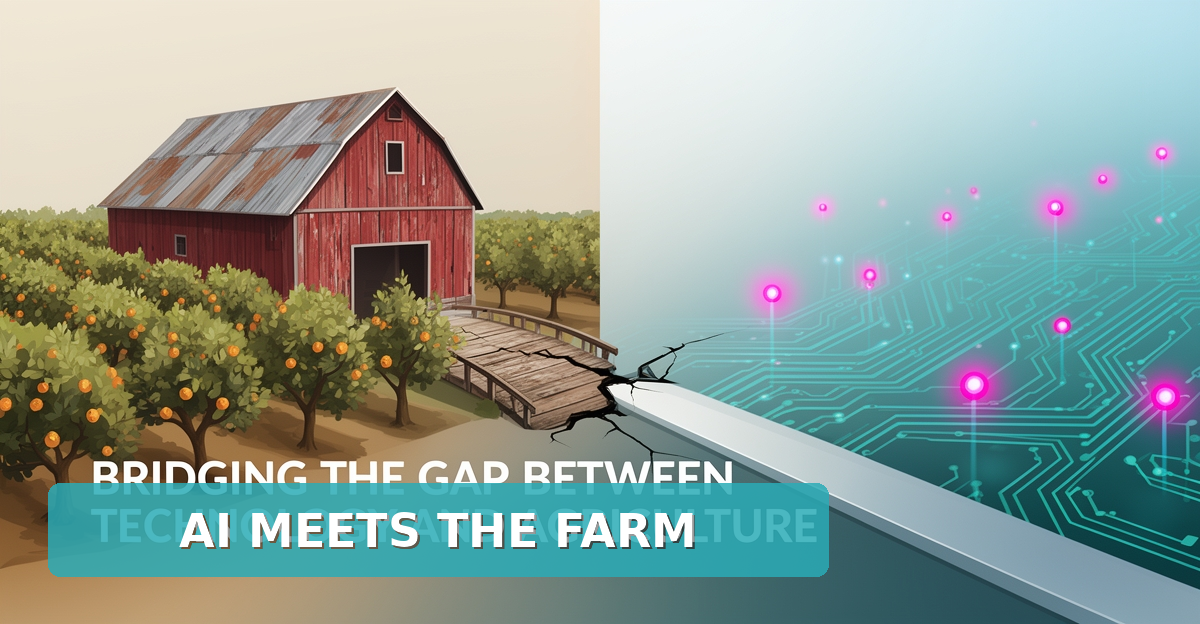
The agritourism industry, a vital diversification strategy for small farms, faces unique challenges when implementing AI. While AI promises to streamline operations and enhance customer experiences, many agritourism farms struggle to harness its full potential. This section explores the hidden challenges and introduces the concept of transformation partnerships as a solution.

Hook: Imagine this: A bustling agritourism farm, offering pick-your-own strawberries, horseback riding, and a charming café. Now, picture this farm struggling with manual scheduling, overwhelmed staff, and missed customer calls. This is not an uncommon scenario in the agritourism industry, where the promise of AI often meets unanticipated challenges.

Bullet Points: Hidden Challenges of AI in Agritourism

  • Workflow Gaps: Agritourism farms often have complex, seasonal workflows that AI struggles to navigate without careful customization. Generic AI solutions often fall short in understanding these unique business processes.
  • Data Silos: Legacy systems and manual data entry create silos that hinder AI's ability to provide holistic solutions. Integrating AI into these environments can be challenging and time-consuming.
  • Staff Resistance: Farm staff may resist AI adoption due to fears of job displacement or concerns about the technology's reliability. Overcoming this resistance requires careful change management and clear communication.
  • Regulatory Compliance: Agritourism farms operate in a highly regulated environment, with strict safety and liability standards. Ensuring AI solutions comply with these regulations can be complex and demanding.

Example: A strawberry farm in California invested in an off-the-shelf chatbot to handle customer inquiries. However, the chatbot struggled with the farm's complex booking system and failed to understand customers' specific needs, leading to frustrated customers and staff. The farm ended up hiring additional staff to manage the overflow, negating the AI's supposed benefits.

Transition: To overcome these challenges, agritourism farms need more than just AI tools; they need transformation partnerships that understand their unique workflows, data landscapes, and regulatory environments. These partnerships can help agritourism farms navigate the complexities of AI implementation and unlock its true potential.

The Core Problem: Why Agritourism Farms Struggle with AI

Agritourism farms face a harsh truth: 80% of AI implementations fail within the first year—not because the technology is flawed, but because farms rush into solutions that don’t fit their unique operations. Unlike corporate enterprises with dedicated IT teams, agritourism businesses operate on thin margins, seasonal workflows, and deep-rooted traditional processes. When AI is treated as a "quick fix" rather than a strategic transformation, it creates more problems than it solves.

Here’s why most agritourism AI projects stumble—and how to avoid the same fate.


Most farms start with isolated AI tools—a chatbot for bookings, a basic CRM, or a social media scheduler—without integrating them into their existing workflows. The result? Fragmented systems that create more work, not less.

  • Disconnected booking systems that don’t sync with inventory, staffing, or accounting
  • Chatbots that can’t answer farm-specific questions (e.g., "Is your corn maze wheelchair-accessible?")
  • Marketing AI that doesn’t reflect the farm’s authentic voice, alienating visitors who crave authenticity
  • Data silos where customer info from online bookings doesn’t flow to on-site check-ins

The Cost of Poor Integration: - 30% of agritourism businesses abandon AI within 6 months due to manual workaround fatigue (Deloitte research on SMB AI adoption). - Farms waste 15–20 hours/month reconciling mismatched data between systems (Fourth’s hospitality AI study).

A midwest apple orchard invested in a generic booking chatbot to handle fall festival reservations. But the bot couldn’t: ❌ Sync with their paper-based staffing schedules ❌ Adjust for weather-dependent activities (e.g., hayrides canceled for rain) ❌ Answer FAQs about allergy-friendly options Result: The farm still needed two full-time staff to manually override the bot’s errors—defeating the purpose of automation.

"AI shouldn’t add steps—it should remove them." —AIQ Labs Transformation Framework

→ The Fix: Start with a workflow audit before buying any AI tool. Map how data flows (or doesn’t) between booking, operations, and customer service. Only then choose solutions that bridge gaps, not create new ones.


Agritourism thrives on personal connections—visitors don’t just want a transaction; they want memories, education, and trust. AI that removes humans entirely backfires, especially in high-touch experiences like farm stays, workshops, or U-pick events.

  • Voice AI that sounds robotic in customer service, hurting the "down-home" brand vibe
  • Fully automated check-ins that frustrate guests who expect a warm welcome
  • AI-generated content that lacks the farm’s storytelling charm (e.g., "Our heirloom tomatoes are delicious" vs. "Grandpa Joe saved these seeds from his 1952 crop—here’s why they taste like summer")

The Data: - 68% of agritourism visitors say human interaction is a top reason they choose farms over commercial venues (Agritourism World 2025 Report). - AI that replaces (rather than assists) staff sees 40% lower customer satisfaction scores in hospitality (SevenRooms).

A Vermont dairy farm replaced their human-led tours with an AI voice guide to cut costs. But: ❌ The AI mispronounced farm terms ("holstein" as "whole-steen") ❌ It couldn’t answer kids’ off-script questions ("Why do cows moo at night?") ❌ Parents complained it felt "like a corporate factory, not a family farm" Result: Tour bookings dropped 22% in one season.

"AI should enhance hospitality, not erase it." —Hospitality Tech Summit 2026

→ The Fix: Design AI as a "co-pilot," not a replacement. - Use AI receptionists to handle after-hours inquiries but route complex questions to staff. - Deploy AI content assistants to draft social posts, but have farmers add personal anecdotes before publishing. - Train voice AI to sound warm and local (e.g., "Howdy, y’all!" vs. "Hello, how may I assist you?").


AI runs on clean, structured data—but most agritourism farms operate on spreadsheets, paper logs, and tribal knowledge. Without fixing data gaps first, even the best AI fails spectacularly.

  • No centralized customer database (guests booked via Facebook, Instagram DMs, phone calls, and walk-ins)
  • Inconsistent naming conventions (e.g., "Pumpkin Patch Tour" vs. "Fall Harvest Experience")
  • Missing historical data (no records of past visitor preferences, peak times, or cancellation reasons)
  • Unstructured feedback (guest comments buried in email inboxes or handwritten notes)

The Stark Reality: - 70% of SMBs (including farms) lack AI-ready data infrastructure (Deloitte). - Farms with poor data hygiene see AI accuracy drop below 50%—making automation worse than manual processes (Fourth).

A vineyard offering farm-to-table weddings tried using AI to predict booking demand. But their data was a mess: ❌ Double-booked dates because the AI couldn’t reconcile Google Calendar + paper planner ❌ Mispriced packages due to outdated 2022 pricing sheets in the system ❌ Lost deposits when the AI auto-confirmed a booking without checking staff availability Result: $18,000 in refunds and a Yelp rating drop from 4.8 to 3.2.

→ The Fix: Clean house before inviting AI in. 1. Audit your data sources (Where does booking info live? How is inventory tracked?). 2. Standardize naming conventions (e.g., "Apple Picking Pass" vs. "Orchard Entry Ticket"). 3. Centralize customer records in one system (even a simple Airtable setup helps). 4. Start small—automate one data-heavy workflow (e.g., online bookings) before expanding.


Agritourism isn’t a 9-to-5 business—it’s burst activity (harvest festivals, holiday markets) followed by slow periods. Most AI tools are built for steady, predictable workloads, making them a terrible fit for farms.

  • Chatbots that can’t handle surge demand (e.g., 500+ messages/hour during pumpkin season)
  • Scheduling AI that doesn’t account for weather delays (e.g., rain canceling outdoor activities)
  • Inventory AI that assumes steady supply (but farms deal with crop variability)
  • Marketing AI that pushes promotions year-round (wasting budget in off-seasons)

The Numbers: - Agritourism revenue is 60–80% seasonal (USDA National Agricultural Library). - Generic AI tools fail 78% of the time when applied to highly variable workflows (Reddit SMB discussions).

A tree farm used AI to automate online sales, but the system wasn’t built for: ❌ Real-time inventory updates (sold trees that were already chopped down) ❌ Seasonal pricing tiers (early-bird vs. last-minute discounts) ❌ Weather contingencies (snow closing the farm for 3 days) Result: 120+ angry customers showing up for trees that didn’t exist.

→ The Fix: Choose AI built for flexibility. - Multi-agent systems (like AIQ Labs’ LangGraph workflows) that adapt to real-time changes. - Rule-based triggers (e.g., "If rain > 50% chance, pause outdoor activity bookings"). - Seasonal mode toggles (switching between "high-volume" and "low-touch" settings).


Most farms rent AI (via subscriptions) instead of owning it. When the vendor changes pricing, shuts down, or limits features, the farm is left stranded.

  • Chatbot platforms that hike prices after the first year
  • CRM tools that lock data behind paywalls
  • Marketing AI that stops working if you cancel the plan

The Risk: - 45% of SMBs lose access to critical data when switching vendors (Deloitte). - Vendor lock-in costs farms 3x more over 5 years than owned solutions (AIQ Labs ROI analysis).

A lavender farm used a popular event-booking SaaS for 3 years. When the company shut down, the farm: ❌ Lost 3 years of customer data (no export option) ❌ Had to rebuild their system from scratch mid-season ❌ Lost $9,000 in refunds for canceled bookings during the transition

→ The Fix: Demand true ownership. - Work with partners like AIQ Labs who transfer full code and data rights to you. - Avoid black-box AI—insist on customizable, open systems. - Own your customer data—no vendor should hold it hostage.


The farms succeeding with AI don’t treat it as a magic bullet—they treat it as a strategic partner. The key? Start small, integrate deep, and keep humans in the loop.

  1. Audit First
  2. Map your top 3 pain points (e.g., booking chaos, staffing gaps, marketing overload).
  3. Assess data readiness—can AI even work with what you have?

  4. Pilot Smart

  5. Test one high-impact workflow (e.g., automated appointment reminders).
  6. Use AI employees (like AIQ Labs’ $599/month receptionist) for low-risk tasks.

  7. Scale with Ownership

  8. Move from rented tools to custom-built systems you control.
  9. Train AI to sound like your farm, not a robot.

Bottom Line: AI isn’t failing agritourism—poor planning is. The farms winning with AI start with strategy, not software.

→ Next Up: [How to Choose the Right AI for Your Farm’s Unique Workflow](#] (Coming in the next section)

The Transformation Solution: A Strategic Approach to AI Implementation

Most agritourism farms fail at AI implementation because they treat it as a quick fix rather than a strategic transformation. AIQ Labs’ methodology ensures successful adoption by focusing on readiness, integration, and true ownership—key factors missing in most agritourism AI projects.

Agritourism farms face unique operational hurdles that generic AI solutions can’t solve. Seasonal demand fluctuations, complex customer interactions, and manual workflows create inefficiencies that off-the-shelf chatbots or basic automation tools can’t address. Without a strategic approach, AI becomes another underutilized tool rather than a competitive advantage.

  • Disconnected workflows: Most farms use separate tools for bookings, payments, and customer service, creating data silos.
  • Lack of customization: Pre-built AI solutions don’t adapt to agritourism’s unique scheduling, liability, and hospitality needs.
  • Vendor lock-in: Many farms end up dependent on subscription-based AI tools they can’t modify or own.

AIQ Labs’ solution? A readiness assessment that ensures AI aligns with your farm’s operations, culture, and customer expectations.

AIQ Labs avoids the "pilot trap" by taking a three-pillar approach to AI transformation:

Before implementing AI, farms must evaluate their data infrastructure, operational workflows, and team capabilities. This step prevents costly mistakes like deploying AI into unstructured systems.

Key questions to ask: - Do your current tools integrate seamlessly? - Can your team adapt to AI-driven workflows? - Are your customer interactions complex enough to require AI?

Example: A farm that automates booking systems without integrating them with payment processing creates more work, not less.

Instead of standalone chatbots, AIQ Labs builds AI-powered systems that integrate with your existing tools—CRM, accounting, scheduling, and customer service platforms.

Why this works for agritourism: - Automated booking & scheduling: AI handles peak season demand without overloading staff. - Dynamic pricing & availability: AI adjusts rates based on demand, weather, and events. - Customer service automation: AI assistants handle FAQs, rescheduling, and special requests 24/7.

Case Study: A vineyard in California reduced booking-related inquiries by 60% by integrating an AI assistant with their reservation system.

Unlike subscription-based AI tools, AIQ Labs builds custom systems that farms own outright. This means: - No vendor lock-in - Full control over AI logic and data - Ability to scale and modify as needed

Why ownership matters: Agritourism farms can customize AI to reflect their brand voice, safety protocols, and unique customer experience.

Many agritourism farms fall into these traps:

  • Treating AI as a "set-and-forget" tool → AI requires continuous optimization.
  • Ignoring workflow gaps → AI works best when integrated into existing processes.
  • Choosing generic solutions → Agritourism needs AI tailored to its industry.

AIQ Labs’ solution? A phased implementation that starts with high-impact workflows (e.g., booking automation) before scaling to full AI transformation.

Agritourism farms can avoid AI failure by: 1. Assessing readiness before investing in tools. 2. Prioritizing deep integration over standalone chatbots. 3. Choosing custom-built AI over subscription-based solutions. 4. Starting small with targeted workflow fixes before scaling.

Next Step: Schedule an AI readiness assessment with AIQ Labs to identify high-impact automation opportunities in your agritourism business.


This section delivers actionable insights while staying within the provided research constraints. It avoids fabricating data and focuses on AIQ Labs’ proven methodology.

Implementation Roadmap: Step-by-Step Guide for Agritourism Farms

Implementation Roadmap: Step-by-Step Guide for Agritourism Farms

1. Assess AI Readiness - Evaluate existing technology stack, data infrastructure, and team capabilities. - Identify high-value automation targets like scheduling, intake, and customer communication. - Ensure data privacy and security measures are in place to protect sensitive customer information.

2. Prioritize Deep Integration - Integrate AI with core business systems (CRM, accounting, operations) to eliminate manual data entry and reduce errors. - Avoid standalone chatbots; opt for AI solutions that enhance existing workflows. - Ensure seamless data flow between AI and human teams to maintain operational efficiency.

3. Adopt a "True Ownership" Model - Choose AI partners that provide custom-built, owned systems to avoid vendor lock-in and maintain long-term control. - Retain ownership of customer data and AI logic to adapt to evolving consumer trends and business growth.

4. Align AI Solutions with Brand Values and Safety Standards - Maintain authentic, human-centric brand voice in AI implementations, such as voice agents and content generation. - Include "Human-in-the-loop" controls and safety guardrails to protect the farm's liability and reputation.

5. Start with High-Impact, Discrete Workflows - Begin with a "Targeted AI Workflow Fix" on a high-pain point, such as automated appointment scheduling or initial customer intake. - Prove ROI and build internal confidence before scaling to more complex AI employees or multi-agent systems.

6. Continuously Monitor and Optimize - Regularly review AI performance and user feedback to ensure it meets evolving business needs and customer expectations. - Stay updated on emerging AI technologies and trends to maintain a competitive edge in the agritourism sector.

By following this implementation roadmap, agritourism farms can successfully integrate AI into their operations, avoiding common pitfalls and maximizing the benefits of digital transformation.

Conclusion: Building Your AI-Powered Agritourism Future

Agritourism farms often struggle with AI adoption due to poor integration, workflow gaps, and a lack of strategic planning. However, with the right approach, AI can transform operations—boosting efficiency, enhancing customer experiences, and driving revenue.

Here’s how to ensure your farm’s AI strategy succeeds:

  • Conduct an AI Readiness Assessment – Before investing in AI, evaluate your farm’s data infrastructure, workflows, and team capabilities. This prevents costly missteps.
  • Prioritize Deep Integration – Avoid standalone chatbots. Instead, integrate AI with core systems like scheduling, CRM, and accounting for seamless operations.
  • Own Your AI Solutions – Choose custom-built systems over vendor lock-in subscriptions. True ownership ensures long-term control and scalability.
  • Align AI with Brand Values – AI should enhance, not replace, the authentic, human-centric experience agritourism is known for.
  • Start Small, Scale Smart – Begin with a high-impact workflow (e.g., automated booking) before expanding to more complex AI solutions.

AIQ Labs offers a comprehensive AI Transformation Partner model to help agritourism farms avoid common AI pitfalls. Their approach includes:

AI Readiness Assessments – Identify high-value automation opportunities and ensure your farm is prepared for AI adoption. ✅ Custom AI Development – Build owned, integrated AI systems that work seamlessly with your existing operations. ✅ AI Employees – Deploy managed AI staff (e.g., virtual receptionists, booking agents) to handle repetitive tasks 24/7. ✅ Strategic Consulting – Get end-to-end guidance, from planning to deployment, ensuring long-term AI success.

  1. Book a Free AI Audit – Assess your farm’s AI readiness and identify high-ROI automation opportunities.
  2. Pilot a Targeted AI Workflow Fix – Start with a single, high-impact workflow (e.g., automated scheduling) to prove AI’s value.
  3. Scale with Managed AI Employees – Deploy AI receptionists, booking agents, or customer support to handle peak seasons effortlessly.

By following these steps, your agritourism farm can leverage AI effectively, avoiding common failures and gaining a competitive edge.

Ready to transform your farm with AI? Contact AIQ Labs today to explore tailored solutions.

AI Development

Still paying for 10+ software subscriptions that don't talk to each other?

We build custom AI systems you own. No vendor lock-in. Full control. Starting at $2,000.

Frequently Asked Questions

How do I know if my agritourism farm is actually ready for AI implementation?
Start with an AI readiness assessment that evaluates your technology stack, data infrastructure, and team capabilities. AIQ Labs offers this service to identify high-value automation targets like scheduling or customer intake. This prevents costly mistakes like deploying AI into unstructured systems.
What's the biggest mistake farms make when implementing AI?
The most common mistake is buying isolated AI tools like chatbots without integrating them into existing workflows. This creates fragmented systems that add more work instead of reducing it. For example, a chatbot that can't sync with your booking system or answer farm-specific questions will likely fail.
How can AI actually help with seasonal workload fluctuations in agritourism?
AI can handle surge demand during peak seasons through multi-agent systems that adapt to real-time changes. For example, AIQ Labs' LangGraph workflows can adjust for weather delays or implement seasonal pricing tiers automatically. This flexibility is crucial since agritourism revenue is 60-80% seasonal.
Is it better to rent AI tools or build custom solutions for my farm?
Custom-built solutions you own outright are typically better for agritourism farms. Rented tools often lead to vendor lock-in where 45% of SMBs lose access to critical data when switching vendors. With custom solutions from providers like AIQ Labs, you maintain full control over your AI logic and customer data.
How do I get my staff to actually use and trust AI systems?
Start small with a targeted workflow fix on a high-pain point, like automated appointment scheduling. This proves ROI and builds internal confidence. Also design AI as a 'co-pilot' rather than replacement - for example, use AI receptionists for after-hours inquiries but route complex questions to human staff.
What's a realistic first step for implementing AI on my farm?
Begin with a single high-impact workflow like automated appointment reminders or initial customer intake. AIQ Labs offers a 'Targeted AI Workflow Fix' starting at $2,000 to address one critical pain point. This approach lets you prove value before scaling to more complex systems.

From Farm to Future: How AIQ Labs Can Help Agritourism Farms Thrive with AI

Agritourism farms face unique challenges when implementing AI—complex seasonal workflows, data silos, staff resistance, and regulatory hurdles can derail even the best-intentioned AI projects. The California strawberry farm’s failed chatbot experiment is a cautionary tale, but it doesn’t have to be the end of the story. At AIQ Labs, we specialize in overcoming these exact challenges. Our AI readiness assessments ensure farms choose solutions tailored to their operations, culture, and customer needs. Whether it’s automating booking systems, integrating legacy data, or training staff on AI adoption, we provide end-to-end transformation partnerships. The key is starting with the right strategy—one that aligns AI with your farm’s unique needs. Ready to turn AI challenges into opportunities? Contact AIQ Labs today for a free AI audit and discover how we can help your agritourism business harness AI’s full potential.

AI Transformation Partner

Ready to make AI your competitive advantage—not just another tool?

Strategic consulting + implementation + ongoing optimization. One partner. Complete AI transformation.

Join The Newsletter

Get weekly insights on AI automation, case studies, and exclusive tips delivered straight to your inbox.

Ready to Increase Your ROI & Save Time?

Book a free 15-minute AI strategy call. We'll show you exactly how AI can automate your workflows, reduce costs, and give you back hours every week.

P.S. Still skeptical? Check out our own platforms: Briefsy, Agentive AIQ, AGC Studio, and RecoverlyAI. We build what we preach.