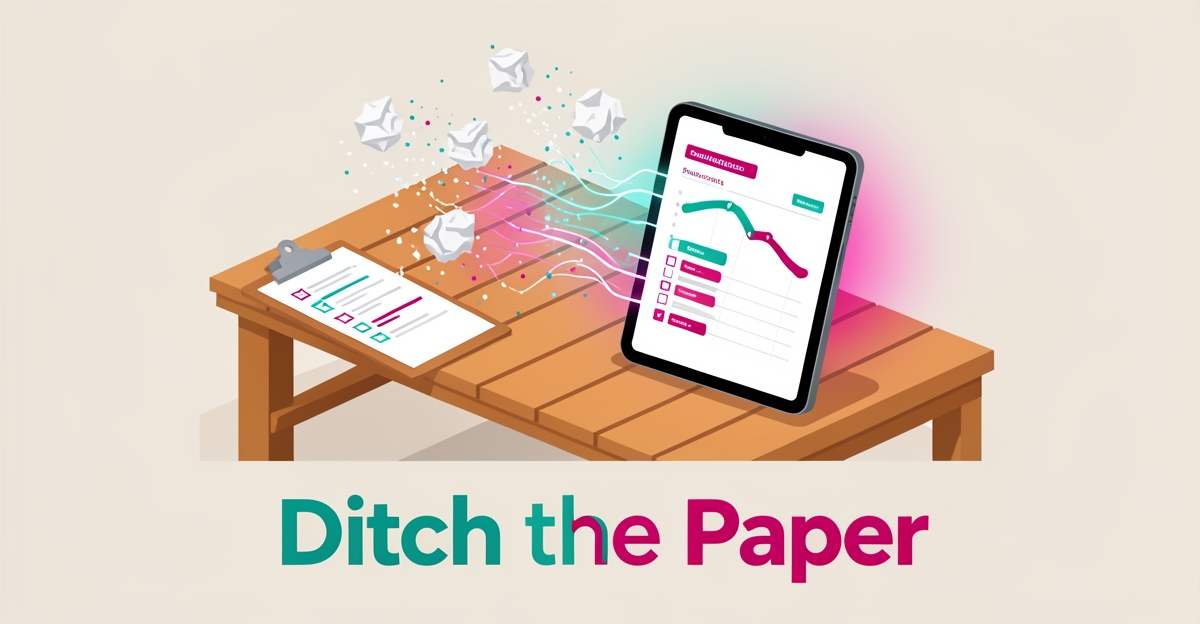
Why Most Deck Builders Still Use Paper-Based Project Tracking (And How to Fix It)
Key Facts
- Paper-based tracking creates blind spots where progress isn't visible in real time, turning routine delays into avoidable crises
- Contractors who digitize scheduling, permits, and progress reporting typically reclaim hours each week previously spent chasing paper
- A single lost, wet, or misfiled sheet can stall an entire project while teams reconstruct what was done and what's next
- AIQ Labs builds owned AI systems, no vendor lock-in, no dependency on physical records
- The right deployment approach: run one agent at a time, keep changes visible and auditable, and log every instruction
- AIQ Labs has deployed 200+ multi-agent systems and runs 4 live SaaS products daily, the same engineering discipline applies to your build
Hire a team member that works 24/7 — for less than a part-time wage.
AI receptionists, SDRs, dispatchers and 99+ roles. Trained on your business, fully managed.
Not sure where to start? Ask our AI planner
The Paper Trap Costing Deck Builders Time and Profit
Deck builders continue using paper-based project tracking despite its clear drawbacks. This persistence stems from familiarity, perceived simplicity, and the absence of pressure to change long-standing habits on job sites. Many contractors view paper as reliable because it doesn't require batteries, internet, or training, yet this mindset ignores the hidden costs accumulating daily.
Contractors who digitize their tracking typically reclaim hours each week that paper systems force them to spend searching for misplaced documents, rewriting updates, and chasing down approvals. That's time that could go toward actual building or client acquisition. The exact numbers vary by operation, but the pattern is consistent: manual tracking eats billable hours and invites scheduling conflicts and miscommunication that derail timelines.
The real cost extends beyond lost hours. Paper tracking creates blind spots where progress isn't visible in real time, leading to missed deadlines that damage reputation and trigger penalty clauses. When a single sheet gets wet, torn, or filed incorrectly, entire projects can stall while teams reconstruct what was done and what's next. This fragility turns routine delays into avoidable crises, especially when managing multiple builds across different locations.
AIQ Labs addresses this gap through AI Workflow Builds, rebuilding the one workflow that costs you the most, at a fixed price, in phases. These systems automatically capture updates from photos, voice notes, or field reports, sync progress across devices, and trigger alerts when timelines slip, all within a secure, owned platform. Unlike generic software, the system is tailored to the specific rhythms of deck building, so adoption feels like an upgrade, not an overhaul.
The shift isn't about replacing paper with technology for its own sake. It's about closing the efficiency gap between what's possible and what's practiced, turning project tracking from a liability into a competitive advantage. When every delay is anticipated and every update is instant, deck builders reclaim time, protect profits, and build with confidence.
From Clipboard to Owned AI System
Paper clips and site logs still run too many deck builds, and the cost shows up in lost projects and missed deadlines. Moving from clipboard to a digitized system changes tracking from reactive to automatic.
The efficiency gap is real. Contractors who digitize estimates, scheduling, permits, and inspections instead of chasing paper consistently report meaningful time savings and fewer scheduling conflicts. The exact figures depend on the operation, but the mechanism is the same: eliminate manual entry and rework, and the hours follow.
An owned AI system delivers that discipline and adds real-time awareness. Progress updates are captured automatically from site photos, messages, and time entries; delay alerts fire before the client notices; and every change is logged in a system the business controls.
True ownership replaces subscription dependency with a production-ready asset built around your workflow. With AIQ Labs' Own It Outright model, you keep the system you paid for, no vendor lock-in, no dependency on someone else's roadmap or pricing changes.
For deck builders, the shift looks like this:
- Automatic progress capture from daily reports, photos, and crew check-ins, reducing manual entry
- Delay alerts triggered by weather, material lead times, or inspection bottlenecks
- Secure, owned data with full audit trails instead of scattered spreadsheets
- Integration with estimating, scheduling, and invoicing for a single source of truth
Building it the right way matters. Treat the AI like another developer, not a magic box, and encode your workflow rules and crew roles in system prompts so updates stay consistent. Every fixed bug becomes a permanent lesson in the project's DNA.
Best practices for a reliable deployment include sequential visibility over parallel speed, migration tracking as a first-class artifact, and persistent memory with semantic organization. Prompt logging creates an audit trail, and user profiles act as design constraints that keep the system aligned to crew realities.
The result is project tracking that updates itself, warns early, and stays with the business, delivered through a secure, owned AI system rather than another subscription tool.
Building an AI Project Tracker That Works on Site
Paper-based tracking still costs deck builders time and money because site conditions change faster than a clipboard can. An AI project tracker built for the crew, not the office, closes that gap by digitizing progress, updating automatically, and alerting before delays compound.
Start with user profiles as design constraints. A foreman on site needs sequential visibility, not parallel dashboards. Run one agent at a time for manageability and visibility, and encode role-specific prompts so the system updates work according to real site constraints. This is treating the AI like another developer, not a magic box, with workflow rules and user profiles encoded in system prompts.
Migration tracking becomes a first-class artifact from day one. Every change to estimates, material lists, permits, and inspections is logged to an observable artifact that can be tracked and referenced later. Persistent memory with semantic organization builds a knowledge base filled with learnings organized by topic, so the tracker remembers why a delay happened last season and applies it to the next build.
Prompt logging provides an audit trail for accountability. Log every instruction given to the AI chronologically so crews and owners can see how decisions were made. Combined with sequential visibility, this creates trust on site where paper previously ruled.
Practical implementation follows proven deployment practices:
- Define project requirements and user profiles for foreman, installer, and office admin before anything is built.
- Establish sequential visibility over parallel speed to keep changes manageable and auditable.
- Implement migration tracking as a first-class artifact and persistent semantic memory for learnings.
- Enable prompt logging as an audit trail and user-profile-driven design constraints for updates.
The business impact is measurable in the ways that matter: fewer missed deadlines, less rework, faster closeouts, and a single record of truth for every build. AIQ Labs has deployed 200+ multi-agent systems and runs 4 live SaaS products daily, the same engineering discipline goes into every tracker we build.
AIQ Labs builds production-ready, owned systems for small and mid-sized businesses in this category, replacing dependency on physical records with a secure, owned system that automatically updates progress and sends alerts for delays. Every fixed bug becomes a permanent lesson in the project's DNA, and clients retain full ownership with no vendor lock-in.
Make the Switch Without Disrupting the Crew
Switching to AI doesn't require a full overhaul, it starts with one workflow and scales with confidence. Begin by identifying your most painful manual process, like job scheduling or material tracking, and treat the AI like another developer: encode your workflow rules, user roles, and exceptions directly into the system so every fix becomes a permanent part of the solution. Run one AI agent at a time for visibility, log every instruction as an audit trail, and build a semantic knowledge base of lessons learned, this ensures the AI adapts to your crew's real-world constraints, not just ideal scenarios. With AIQ Labs' Build in Milestones model, you can deploy a single automated workflow, such as AI-powered invoice capture or progress tracking, approve and pay per phase, and keep everything built even if you pause. Once that workflow proves reliable, expand to adjacent processes like permit management or crew dispatch. Each phase adds ownership, control, and measurable time savings without disrupting daily operations. The goal isn't to replace your team but to augment them with AI employees that handle repetitive tasks around the clock, receptionists, SDRs, dispatchers, and 99+ other roles at roughly 80% less cost than a human hire, freeing crews to focus on craftsmanship and client communication. As confidence grows, scale toward a full AI Operating System, one connected operating layer for the whole business, built in phases and owned outright. Start with the 2-minute Fit Check, then book a free 30-minute strategy call to map your biggest bottleneck and see how one workflow fix can unlock measurable gains, one phase at a time.
Still paying for 10+ subscriptions that don’t talk to each other?
We build custom AI systems you own outright. No vendor lock-in. Full control.
Not sure where to start? Ask our AI planner
Frequently Asked Questions
How much time and money are deck builders actually losing by sticking with paper-based project tracking?
What makes an AI project tracker different from just using another software subscription?
Will switching to an AI system disrupt my crew's workflow on active job sites?
How does the AI actually capture project updates without someone manually entering data?
What happens if the AI makes a mistake or we need to change how it works later?
Is this just for big construction companies, or can a small deck building crew actually use it?
From Paper Clips to Profit: Your Next Move
Paper-based project tracking isn't just old-fashioned, it's actively costing deck builders time, profit, and peace of mind. From lost documents and manual rework to missed deadlines and damaged reputations, the hidden costs of clipboard reliance add up fast. Meanwhile, contractors who've digitized their workflows consistently reclaim hours each week and close jobs with fewer surprises. The shift isn't about chasing tech for tech's sake; it's about closing the efficiency gap between what's possible and what's practiced. AIQ Labs helps bridge that gap by building production-ready, owned AI systems that digitize tracking without disrupting crew workflows, turning project management from a liability into a competitive advantage. If you're ready to stop losing time to paper and start building with confidence, the next step is simple: take the 2-minute Fit Check, then book a free 30-minute strategy call to map your biggest bottleneck and see how one workflow fix can unlock measurable gains.
Make AI your competitive advantage — not just another tool.
Strategy, implementation and ongoing optimization. One partner, end to end.
Not sure where to start? Ask our AI planner