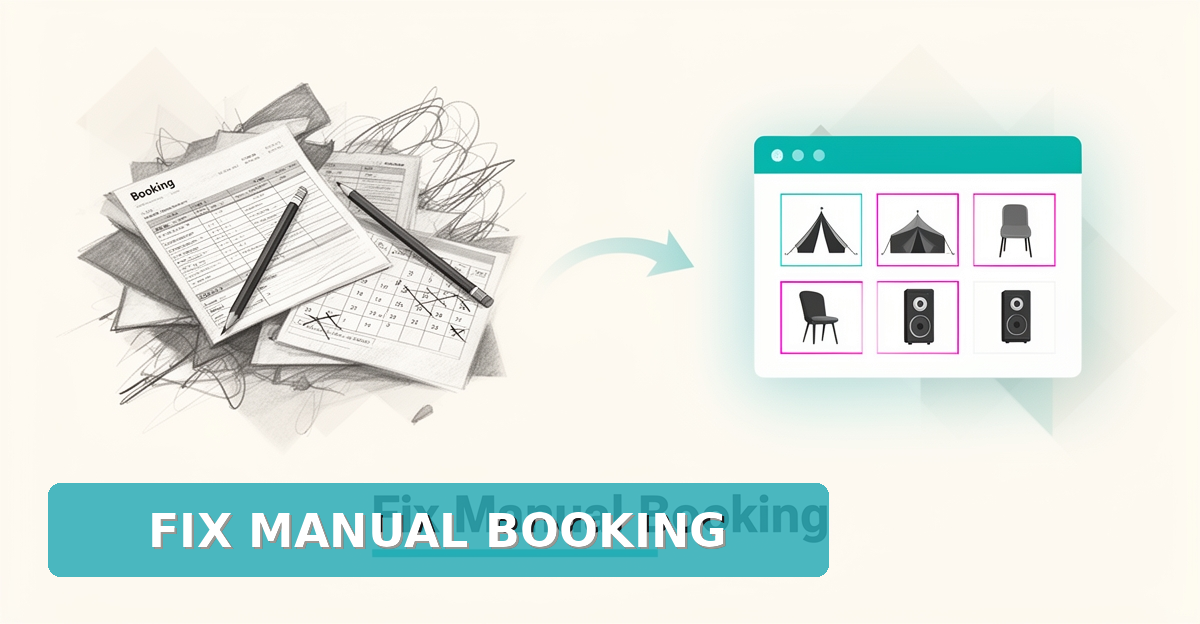
Why Most Event Equipment Rentals Still Use Manual Booking Systems (And How to Fix It)
Key Facts
- Manual booking processes are prone to double bookings, miscommunicated details, and scheduling conflicts that compound as booking volume grows
- Rental demand typically swings sharply by season, with lead times varying from weeks to months depending on the period
- AI-driven booking platforms reduce no-shows through predictive modeling that flags high-risk reservations
- Automated conflict detection in AI booking systems eliminates double-bookings across inventory in real time
- Dynamic pricing engines in AI platforms adjust rates based on demand signals and lead-time patterns
- AIQ Labs has deployed 200+ multi-agent systems and runs four live SaaS products daily
Hire a team member that works 24/7 — for less than a part-time wage.
AI receptionists, SDRs, dispatchers and 99+ roles. Trained on your business, fully managed.
Not sure where to start? Ask our AI planner
The Hidden Cost of Manual Booking in Event Rentals
Many event rental businesses still depend on spreadsheets, phone calls, and email threads to manage bookings—a practice that feels familiar but carries hidden costs. These manual processes are inherently prone to human error, leading to double bookings, miscommunicated details, and scheduling conflicts that disrupt operations and frustrate clients. When a piece of equipment is accidentally booked twice or a delivery time is misunderstood, the fallout often includes last-minute scrambles, damaged customer trust, and avoidable revenue loss.
The financial impact of these errors adds up quickly. Even small inefficiencies in booking accuracy erode profitability over time, especially when staff spend hours reconciling schedules or managing cancellations that could have been prevented. Rental businesses that run on reliable, automated systems typically report higher customer satisfaction than manual operations can sustain—because preventable mistakes are exactly what erodes long-term client loyalty.
Moreover, manual systems lack the foresight to anticipate demand patterns or optimize resource allocation. Rental lead times typically vary dramatically by season—sometimes by weeks or months between peak and off-peak periods—and manual processes fail to adapt dynamically to these shifts. This inflexibility can result in underutilized inventory during slow periods or missed opportunities during peak demand. AIQ Labs addresses these gaps through AI Workflow Builds that rebuild the booking workflow that costs you the most, reduce errors, and improve forecasting accuracy. To explore how automation can transform your booking workflow, start with a free strategy call at https://aiqlabs.ai/book.
How AI-Driven Booking Platforms Improve Accuracy and Revenue
The gap between manual booking chaos and AI-driven precision isn't theoretical — it's measurable in lost revenue and frustrated customers. Event rental operators still juggling spreadsheets and phone logs face a structural disadvantage that compounds with every double-booking and last-minute cancellation.
Manual systems rely on human coordination across disconnected channels, creating error rates that scale with volume. Rental operations processing high seasonal demand—with some customers booking months in advance—amplify these risks. AI-driven platforms replace this fragility with machine learning models that continuously validate availability, pricing, and customer commitments in real time.
- Automated conflict detection eliminates double-bookings across inventory
- Predictive no-show modeling reduces last-minute gaps by flagging high-risk reservations
- Dynamic pricing engines adjust rates based on demand signals and lead-time patterns
- Integrated workflows sync calendars, payments, and communications without manual handoffs
The revenue impact is direct: operators using AI booking report faster automated workflows that cut administrative overhead while capturing bookings that manual systems miss. Seasonal lead times can swing from days in slow months to months ahead of peak periods — a variability that AI handles natively through demand forecasting, while static systems leave money on the table.
AIQ Labs builds these capabilities into fully integrated AI booking solutions tailored to event rental operations, combining managed AI Employees that handle intake, scheduling, and follow-up end-to-end with custom workflow builds. The result isn't just efficiency — it's a booking engine that learns from every transaction, turning operational data into pricing intelligence and capacity optimization that manual processes can never achieve.
What AI Booking Looks Like for Event Rental Operations
Manual booking is still the default in event equipment rental because it feels familiar, not because it works. Double bookings, last-minute cancellations, and miscommunications cost teams time and revenue every week.
AI booking translates those pain points into automated workflows that run 24/7. Instead of spreadsheets and phone tags, an AI system confirms availability in real time, updates inventory instantly, and follows up automatically to reduce no-shows. The result is higher accuracy and more revenue from the same fleet.
For rental operations, that means fewer human errors and faster quote-to-confirmation cycles. AI-driven platforms analyze booking patterns and make predictions, allowing for more efficient and effective booking processes. Accuracy rises because machine learning algorithms remove the manual checks that create double bookings.
Customer expectations in rental markets are already high. Meeting that standard requires reliable availability and clear communication at every step—something manual systems struggle to deliver consistently as volume grows.
Lead-time variability shows why automation matters. Some customers book months in advance for peak-season events while others call days ahead, and that swing strains manual teams. AI absorbs the variability through forecasting and automated follow-up.
AI booking for event rental operations typically includes:
- Real-time availability and instant confirmation to eliminate double bookings
- Automated follow-ups and reminders to reduce last-minute cancellations and no-shows
- Predictive demand signals that inform pricing and staffing decisions
- Integrated dispatch and inventory sync across sales, warehouse, and field teams
AIQ Labs builds these capabilities through three entry points tailored to event rental operations. AI Employees handle booking and dispatch as managed agents that work alongside human teams at roughly 80% less cost than a human hire. AI Workflow Builds rebuild the one workflow that costs the most—like reservation and confirmation—at a fixed price, in phases. And AI Operating Systems connect everything into one operating layer you own outright.
The approach improves accuracy, reduces no-shows, and increases revenue without forcing teams to abandon the tools they already use. AIQ Labs has deployed 200+ multi-agent systems and runs four live SaaS products daily—this is production work, not theory.
The shift is from reactive admin to proactive revenue capture. With AI-driven booking platforms, rental teams stop chasing errors and start scaling bookings.
From Manual to Automated: A Practical Implementation Path
Many event rental businesses hesitate to automate booking systems because they fear complexity, cost, or losing control over their operations. The good news is that moving from manual to automated booking doesn’t require a risky, all-or-nothing leap—it can be done in practical, manageable steps that protect your investment and avoid vendor lock-in.
Start by assessing your current workflow to identify pain points like double bookings, scheduling conflicts, or time lost to manual data entry. AIQ Labs helps businesses map these inefficiencies through a discovery process that evaluates your existing tools, data quality, and team readiness. This step ensures any automation effort targets real bottlenecks, not just shiny technology. For example, if your team spends hours each week reconciling calendars or chasing down availability, that’s a clear opportunity for AI-driven scheduling automation.
Next, choose a build approach that matches your capacity and goals. With the Start Monthly model, you begin with a single AI Employee—like an automated booking agent—trained on your specific processes and integrated with your calendar and CRM. Build in Milestones lets you tackle one workflow at a time, such as equipment reservation and confirmation, paying only for each completed phase. For long-term control, Own It Outright delivers a full custom AI booking system you own completely, with no platform fees or dependency on third-party subscriptions. You can compare all three at https://aiqlabs.ai/pricing.
Integration is key to success. AIQ Labs connects your new AI system directly with tools you already use—like Google Calendar, QuickBooks, or HubSpot—ensuring seamless data flow without disrupting your current operations. This deep two-way synchronization eliminates manual updates and reduces errors by keeping all systems in real-time alignment.
Finally, support your team through change with targeted training and clear communication. AIQ Labs includes role-specific training, documentation, and ongoing optimization as part of every build, helping staff adapt quickly and see the benefits of reduced no-shows, fewer scheduling conflicts, and more time to focus on customer service and growth. By following this path, event rental businesses can transition to owned, automated booking systems that improve accuracy, increase revenue, and scale with their operations—without sacrificing control or flexibility. Ready to map your automation opportunity? Start the Fit Check at https://aiqlabs.ai/apply, then schedule your free 30-minute strategy call at https://aiqlabs.ai/book.
Still paying for 10+ subscriptions that don’t talk to each other?
We build custom AI systems you own outright. No vendor lock-in. Full control.
Not sure where to start? Ask our AI planner
Frequently Asked Questions
Why do most event rental companies still use spreadsheets and phone calls for bookings?
How do AI booking systems actually prevent double bookings?
Can AI handle the seasonal fluctuations in event rental bookings?
What's the difference between buying booking software and getting a custom AI system?
How much technical expertise do we need to switch from manual to automated booking?
What does it cost to implement an AI booking system for event rentals?
From Manual Chaos to AI-Powered Clarity
The evidence is clear: manual booking systems in event equipment rentals aren’t just outdated—they’re actively costing businesses through double bookings, scheduling conflicts, and missed revenue opportunities. Reliability isn’t accidental—it’s built on systems that prevent errors before they happen. AI-driven booking platforms close this gap by automating conflict detection, predicting no-shows, and dynamically adjusting to demand patterns, turning operational friction into consistent revenue capture. For rental businesses ready to move beyond spreadsheets and phone tags, the path forward starts with clarity. Begin by assessing your current workflow to pinpoint where manual processes are leaking time and profit. Then, take the next step with a free, no-obligation strategy session to explore how tailored AI solutions can transform your booking engine—without disrupting what already works. Map your automation opportunity today: Start the Fit Check.
Make AI your competitive advantage — not just another tool.
Strategy, implementation and ongoing optimization. One partner, end to end.
Not sure where to start? Ask our AI planner