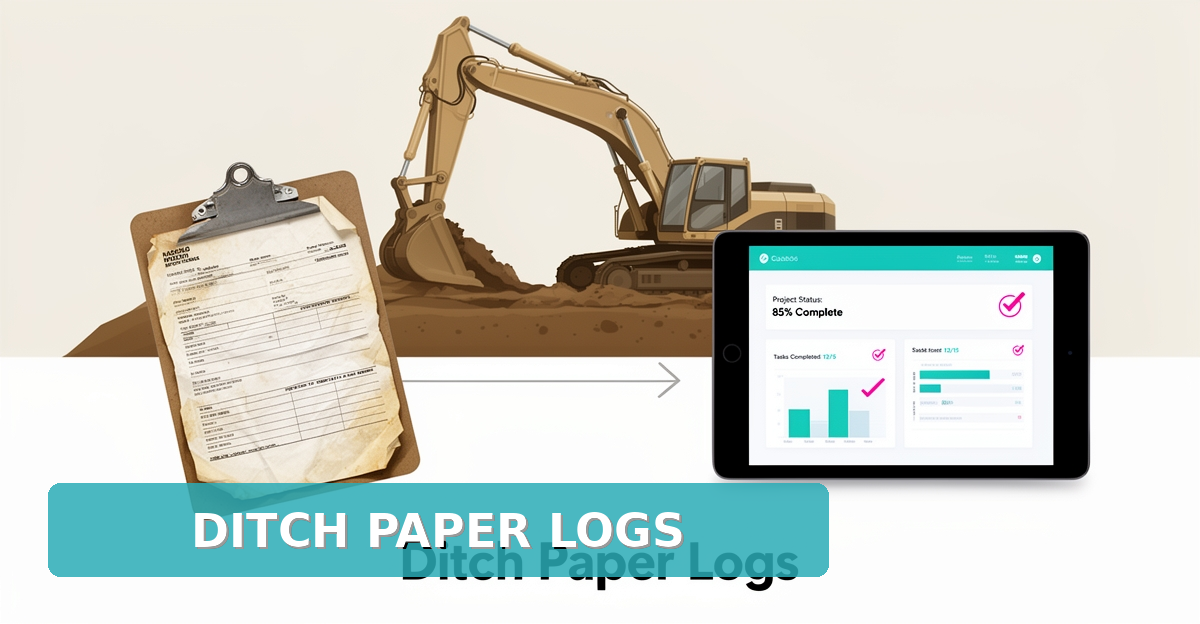
Why Most Grading Contractors Still Use Paper-Based Logs (And How to Fix It)
Key Facts
- Paper logs fail in predictable ways: errors, lost data, and poor accountability
- Real-time digital capture removes the lag between work performed and work recorded
- AI-powered logging adds a layer of accuracy that manual review cannot match
- Modern rugged tablets typically carry long software and security update commitments, keeping field devices viable for multi-year deployments
- Phased adoption, one crew, one site, then scale, reduces implementation risk
Hire a team member that works 24/7 — for less than a part-time wage.
AI receptionists, SDRs, dispatchers and 99+ roles. Trained on your business, fully managed.
Not sure where to start? Ask our AI planner
The Hidden Cost of Paper Logs on Site
A single misplaced grade sheet can cost a grading contractor thousands in rework, disputed change orders, or regulatory fines. Yet most crews still record cut-and-fill volumes, compaction results, and inspection notes on clipboard paper, despite the well-documented risks that come with it.
Paper logs fail in predictable ways. Entries get smudged by rain, misread in the field, or transcribed incorrectly back at the office. Sheets go missing between the job site and the trailer. Experience across construction consistently points to the same trio of failures: errors, lost data, and poor accountability. Contractors struggle to maintain accurate records, and incomplete documentation can lead directly to fines and penalties during compliance reviews or audits.
The accountability gap is the most damaging part. When a dispute arises, whether with an inspector, a general contractor, or a client, paper logs rarely answer the key questions:
- Who recorded the measurement, and when exactly did they record it?
- Was the entry verified, or copied from memory hours later?
- Can the original record be produced at all, or has it been lost?
- Does the documentation hold up as a defensible audit trail?
Without reliable answers, contractors absorb costs they shouldn't have to. Rework gets repeated because the original record can't be trusted. Compliance documentation gets assembled after the fact, increasing exposure to penalties. And project managers spend hours reconciling handwritten notes instead of managing the job.
Digital logging changes the equation entirely. Modern AI-powered logging systems automatically record, store, and analyze site data, creating a real-time record that paper simply cannot match. Automated record-keeping eliminates transcription errors, timestamped entries establish clear accountability, and centralized storage means nothing goes missing in a truck cab. Contractors gain reduced errors, improved accountability, and increased efficiency, the three benefits most often tied to digital adoption in the field.
The hardware barrier has largely disappeared, too. As of late 2026, purpose-built rugged tablets are widely available with multi-year operating system and security update commitments, meaning field devices stay viable for the life of a project fleet. Field crews can capture data in conditions that would destroy a paper log.
Adoption still requires care. Resistance to change, technical issues, and implementation costs are real challenges, and the guidance that matters is choosing the right tool for the job rather than forcing technology where it doesn't fit. But the trade-off is clear when the alternative is fines, rework, and lost records.
This is where structured support matters. AIQ Labs helps contractors replace paper with digital, AI-powered logging through AI Workflow Builds that automatically capture, store, and organize site data for compliance and auditing, built around the workflows crews already use, so the accountability gap closes without disrupting the job site.
Why Digital and AI-Powered Logging Changes the Game
Paper logs feel safe until a missing page triggers a compliance audit. Grading contractors who stay analog are trading short-term convenience for long-term risk, and digital capture with AI changes that equation.
Real-time digital capture removes the lag between work performed and work recorded. Instead of end-of-day transcription, site data is logged as it happens, which reduces transcription errors and creates an auditable trail. That immediacy strengthens accountability because every entry is time-stamped, attributable, and immutable. Contractors can demonstrate compliance without chasing crews for lost sheets.
AI-powered logging adds a layer of accuracy that manual review cannot match. Automated record-keeping validates entries against project parameters, flags inconsistencies, and completes routine documentation without human re-keying. The same automation principles that have accelerated software development apply to field logging: routine capture, validation, and filing get done faster and with fewer mistakes.
The shift also improves how contractors manage devices in the field. Rugged, long-life tablets are now a standard part of digital adoption, and current models typically ship with multi-year OS and security update commitments that support a multi-year deployment across a project fleet.
Digital and AI-powered logging delivers measurable operational benefits:
- Real-time data visibility for supervisors and owners without site visits
- Automated record-keeping that reduces manual entry and lost data
- Improved accuracy and compliance readiness for audits and inspections
- Stronger accountability through attributable, time-stamped entries
Adoption is not about replacing crews; it is about removing friction from the work they already do. AIQ Labs helps contractors transition to digital, AI-powered logging systems that automatically record, store, and analyze site data for compliance and auditing. The result is faster, safer reporting and a defensible record when it matters most.
Common Barriers to Going Digital and How Contractors Overcome Them
Paper logs feel safe because they're cheap and familiar, but that familiarity masks the cost of errors, lost data, and poor accountability that grading contractors face every season.
Resistance to change is the first barrier. Crews who have used clipboards for years distrust screens in the field and worry about slowing down daily reporting. That hesitation is reinforced by technical concerns, where contractors fear connectivity gaps, device durability, and the learning curve for older operators. Costs associated with implementation also stall adoption, especially when teams compare the upfront spend of hardware and software to the zero price tag of paper.
The reality is that paper-based logs remain inexpensive and widely available, but they create errors, lost data, and poor accountability. Digital solutions and AI-powered logging improve accuracy, provide real-time data, and enable automated record-keeping, while introducing higher costs, technical issues, and resistance to change. The trade-off is clear when compliance is on the line.
Contractors who move in phases reduce risk and build trust. A phased adoption starts with one crew or one site, proves value, then scales. Phased adoption reduces risk by limiting disruption and allowing feedback loops before full rollout.
- Pilot on a single grading site with rugged tablets and simple forms to capture daily logs
- Define project scope up front with clear tasks, deliverables, and deadlines so crews know what to expect
- Document agreements on data ownership and compliance requirements to avoid fines and penalties for non-compliance
- Communicate openly about feedback, availability, and project updates to build trust and reduce stress for both sides
Hardware choice matters for field credibility. Rugged tablets with long update commitments reduce total cost of ownership and support a multi-year deployment without forced device churn.
AIQ Labs helps contractors transition to digital, AI-powered logging systems that automatically record, store, and analyze site data for compliance and auditing. By replacing manual transcription with automated capture, teams gain real-time visibility without adding admin burden, and with milestone-based builds, you only pay for what's proven to work. The benefits of digital solutions outweigh the challenges when implementation is structured and supported.
Once crews see faster reporting and fewer rework requests, adoption accelerates on its own.
A Practical Path to AI-Enabled Site Logging
Grading contractors often stick with paper logs not because they prefer them, but because the transition feels risky and complex. The reality is that paper-based systems create avoidable problems: illegible entries, misplaced sheets, and delayed reporting that lead to compliance gaps and rework. These issues compound over time, eroding trust in project data and increasing administrative burden. Moving beyond paper requires more than just buying a tablet, it demands a structured approach that aligns people, processes, and technology.
Start by defining the scope of your site logging needs: what data must be captured, who is responsible for entries, and how that information flows to supervisors or clients. Documenting these agreements upfront prevents ambiguity and sets clear expectations for daily use. Open communication with field teams is equally vital, explain not just the what but the why behind the change, addressing concerns about usability and workflow disruption before they become obstacles.
Once the human elements are in place, focus on reducing manual effort where it adds the least value. AI can automate routine data formatting, tagging, and validation tasks so crews are freed from repetitive entry and can focus on higher-value decisions. Finally, implement a digital logging system that captures data in real time, stores it securely, and uses AI to surface patterns for compliance and auditing. AIQ Labs supports this transition three ways: AI Employees that handle data ingestion, validation, and reporting day to day; AI Workflow Builds that rebuild your highest-cost logging workflow at a fixed price in phases; and AI Operating Systems that connect logging into one operating layer you own outright. Start the 2-minute Fit Check to assess your current logging process and identify where AI can deliver the fastest, safest return, or book a free 30-minute strategy call to talk it through.
Still paying for 10+ subscriptions that don’t talk to each other?
We build custom AI systems you own outright. No vendor lock-in. Full control.
Not sure where to start? Ask our AI planner
Frequently Asked Questions
What are the main problems with using paper-based logs on grading sites?
How do digital logging systems improve accountability compared to paper logs?
Is rugged tablet hardware reliable enough for field use in grading operations?
Can AI-powered logging actually speed up reporting and reduce manual work for grading crews?
What is a recommended strategy for grading contractors hesitant to fully switch from paper to digital logging?
Does switching to digital logging require replacing my current field crew or changing how they work?
From Clipboards to Confidence: Building a Defensible Record
Paper logs persist not because they're reliable, but because change feels risky, yet the hidden costs of errors, lost data, and poor accountability add up fast. Digital, AI-powered logging eliminates transcription gaps, creates real-time accountability, and delivers the audit trail contractors need when compliance is on the line. The shift isn't about replacing crews; it's about removing friction from work they already do, so teams spend less time chasing paperwork and more time managing the job. With rugged hardware now standard in the field and implementation support that meets crews where they are, the path forward is clearer than ever. If you're ready to see where AI can tighten your site logging without disrupting your workflow, start the 2-minute Fit Check or book a free 30-minute strategy call to identify the fastest, safest return.
Make AI your competitive advantage — not just another tool.
Strategy, implementation and ongoing optimization. One partner, end to end.
Not sure where to start? Ask our AI planner