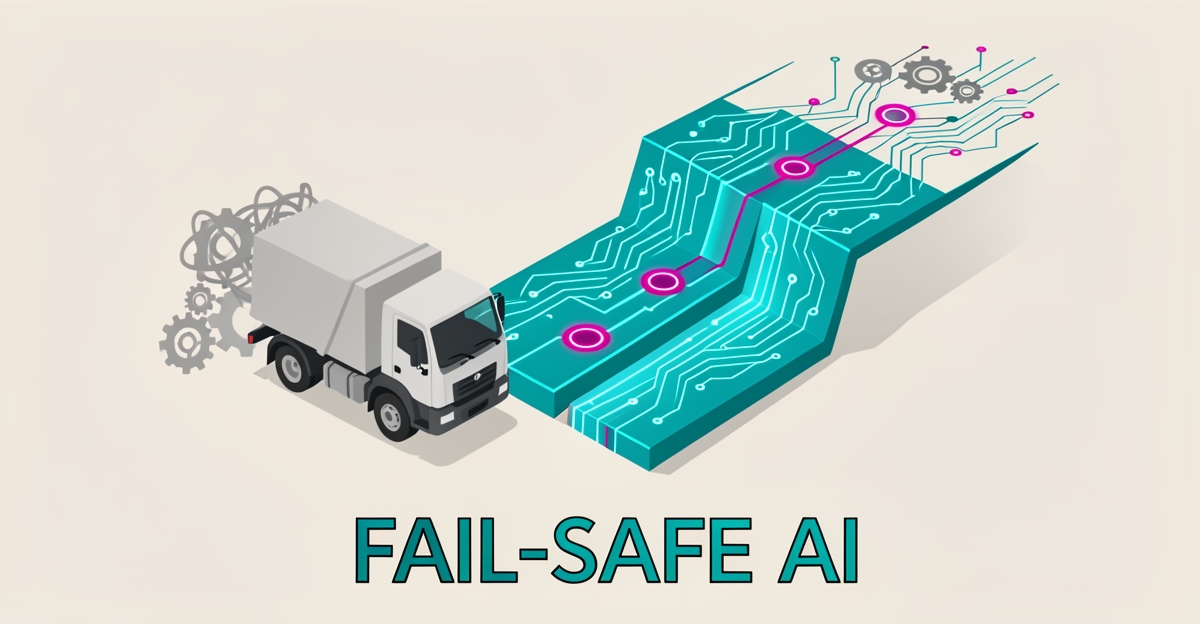
Why Most Junk Removal Businesses Fail at AI Integration (And How to Avoid It)
Key Facts
- As of late 2026, only a minority of junk removal companies in competitive urban markets use AI automation, according to industry analysis, early adopters still hold an edge
- Leads contacted within 5 minutes convert at a dramatically higher rate than those contacted after 30 minutes, based on widely cited response time research
- Missing a meaningful share of inbound calls can cost junk removal businesses thousands in potential monthly revenue, depending on average job value and close rates
- AI phone answering typically improves call capture rates substantially through 24/7 availability and missed call recovery
- Automated review requests sent shortly after job completion typically convert at several times the rate of verbal asks
- Running junk removal without integrated software can cost roughly 20 hours weekly in manual administration across lead entry, scheduling, routing, and follow-up
- Companies that fix process and data foundations first typically see measurable ROI within weeks, not months, of foundational AI implementation
Hire a team member that works 24/7 — for less than a part-time wage.
AI receptionists, SDRs, dispatchers and 99+ roles. Trained on your business, fully managed.
Not sure where to start? Ask our AI planner
The Hidden Cost of Ignoring Process Mapping in AI Implementation
Many junk removal businesses rush to implement AI tools without first examining their core workflows, leading to automation that magnifies existing inefficiencies. When companies skip process mapping, they often end up layering AI onto broken systems, such as inconsistent call handling or fragmented scheduling, resulting in tools that generate inaccurate outputs or create new bottlenecks. This approach wastes time and resources, as AI amplifies flaws rather than resolving them.
As of late 2026, only a minority of junk removal companies in competitive urban markets have adopted any form of AI automation, but many of those who have fail to see expected gains because they automate processes that haven't been optimized or documented. Without clear process maps, AI systems lack the structured inputs needed to function effectively, leading to errors in volume estimation, routing, or customer follow-up. Industry analysis consistently shows AI ambitions stall when weak foundations undermine execution, since AI cannot compensate for fragmented operating models or conflicting sources of truth.
Successful implementation begins with documenting current workflows to identify redundancies, gaps, and optimization opportunities before introducing automation. This includes mapping how leads are captured, how estimates are generated, how jobs are scheduled, and how follow-ups occur. Only after establishing a clear, consistent process foundation can AI be deployed to enhance, not disrupt, operations. Skipping this step risks building sophisticated AI systems that perform poorly because they're solving the wrong problems. This is exactly the first phase of an AI Workflow Build: map the one workflow that costs you the most, then rebuild it in phases at a fixed price.
Why Poor Data Hygiene Undermines AI Performance in Service Operations
When a junk removal company invests in AI tools expecting instant transformation, the results often disappoint, estimates come back wrong, schedules conflict, and customer data goes missing. The culprit is rarely the AI itself but the fragmented data systems feeding it.
Most junk removal operations run on disconnected tools: a CRM for customer contacts, spreadsheets for job tracking, paper invoices, and text messages for dispatch. When these systems don't communicate, AI tools receive incomplete or conflicting information. Research from TechRadar confirms that "AI cannot compensate for fragmented operating models or conflicting sources of truth," a reality that plays out daily in service businesses attempting automation without foundational data work.
Poor data hygiene creates cascading failures across every AI function. An AI phone assistant might book a job using outdated pricing from last year's rate sheet. A route optimization tool could dispatch crews based on incorrect vehicle capacity data. Volume estimation AI generates inaccurate quotes when trained on inconsistent job records. These aren't technology failures, they're data failures.
The cost of this fragmentation shows up in measurable ways. Industry case studies suggest that running junk removal operations without integrated software can cost roughly 20 hours weekly in manual administration, time spent reconciling data that should flow automatically between systems, spread across lead entry, scheduling coordination, route planning, and customer follow-up.
Common data hygiene failures in junk removal operations include:
- Customer information stored across multiple platforms with no single source of truth
- Job records missing critical details like volume estimates, disposal fees, or crew time
- Inconsistent naming conventions for services, making historical analysis impossible
- Pricing data scattered across old estimates, text threads, and handwritten notes
- Integration gaps between phone systems, CRMs, and scheduling tools
The solution isn't more sophisticated AI, it's foundational data work before AI implementation. This means consolidating customer records into a single system, standardizing how job information gets captured, and establishing clear data entry protocols. AIQ Labs approaches this through process mapping that identifies where data lives, how it flows, and where gaps exist before recommending any AI tools.
Companies that get this right, clean, consistent, accessible data, see their AI tools actually perform. The AI can pull accurate pricing history, check real-time crew availability, and access complete customer context, because someone did the unglamorous work of fixing the data foundation first. For businesses that want this handled end to end, AI Employees provide managed AI staff, receptionists, dispatchers, and follow-up agents, deployed on top of a properly mapped process, typically at a fraction of the cost of an equivalent human hire.
The Tiered Approach to AI Adoption That Actually Works for Junk Removal
Most junk removal businesses rush into AI adoption by chasing flashy tools instead of building a solid foundation. The result? Wasted investment, frustrated staff, and little to show for the effort. Success comes not from doing everything at once, but from a proven three-tier implementation sequence that typically produces ROI within weeks.
The first tier focuses on capturing every opportunity that walks through the door, or rings the phone. Implementing AI phone answering ensures 24/7 availability to answer calls, book jobs, and capture lead information without missing a beat. Adding missed call text-back recovers leads that slip through during system hiccups, directly addressing the call miss rates that cost junk removal companies thousands in potential monthly revenue depending on job value and close rates. This foundation alone typically lifts call capture rates dramatically, turning after-hours inquiries into real revenue channels.
Once the foundation is solid, the second tier adds automated follow-up and review requests to nurture leads and amplify social proof. Automated lead follow-up sequences reliably increase booking rates by staying top-of-mind with prospects who need time to decide. Review requests sent shortly after job completion convert at several times the rate of verbal asks or delayed outreach, and appointment reminders meaningfully reduce no-shows and same-day cancellations, protecting revenue that would otherwise vanish.
The final tier transforms recovered opportunities into predictable revenue streams through quote chasing and win-back campaigns. Since a large share of estimates sent out never get a response within days, and a meaningful portion of those are recoverable, automated quote chasing sequences recapture jobs most businesses would write off. Win-back campaigns targeting dormant customers (those who haven't called in 12+ months) routinely reactivate warm leads at a fraction of acquisition cost. Together, these tiers create a self-reinforcing system where each layer amplifies the results of the one before it. FieldCamp and NeverMissHQ research confirms that businesses following this sequence see measurable early gains in administrative time, lead conversion, and drive time.
- Start with AI phone answering and missed call recovery to capture every lead
- Add automated follow-up, review requests, and appointment reminders to nurture and convert
- Advance to quote chasing and win-back campaigns to recover lost revenue
Still paying for 10+ subscriptions that don’t talk to each other?
We build custom AI systems you own outright. No vendor lock-in. Full control.
Not sure where to start? Ask our AI planner
Frequently Asked Questions
Why do AI tools often fail in junk removal businesses even when they seem like a good fit?
How much time do junk removal businesses typically waste weekly on manual admin without integrated software?
What's the financial impact of missing a large share of calls in a junk removal business?
Can AI replace human staff entirely in junk removal operations?
How quickly can a junk removal business expect to see ROI from AI implementation?
What's the first step I should take before buying any AI tools for my junk removal business?
How to Make AI Work for Your Junk Removal Business, Without the Headaches
Most junk removal businesses don't fail at AI because the technology is flawed, they fail because they skip the basics. As we've seen, rushing into automation without process mapping or clean data only amplifies existing inefficiencies, turning promising tools into frustrating dead ends. The real winners start small: they fix their workflows, unify their data, and build AI adoption in tiers, beginning with 24/7 call capture and missed call recovery, then layering in follow-ups, reviews, and revenue recovery. This approach doesn't just prevent wasted investment; it typically delivers measurable ROI within weeks through reduced admin time, higher lead conversion, and optimized routes. If you're ready to stop chasing shiny AI tools and start building a system that actually works for your business, the first step is a clear, no-pressure look at where you stand. Start the Fit Check to see your biggest bottleneck and discover where AI can create real, immediate value, without the guesswork.
Make AI your competitive advantage — not just another tool.
Strategy, implementation and ongoing optimization. One partner, end to end.
Not sure where to start? Ask our AI planner