Why Most Language Schools Fail at AI Implementation, And How to Avoid It
Key Facts
- Language schools fail at AI when they select tools for operational efficiency rather than learning outcomes
- Chatbots are limited in personalization and cannot replace comprehensive, pedagogically aligned AI systems
- Successful AI implementation requires a roadmap starting with honest pedagogical assessment before any tool purchase
- Integration with existing student records, scheduling, and communication systems is as important as the AI itself
- Change management, teacher training, feedback loops, and clear success metrics, is the most neglected phase of school AI rollouts
Hire a team member that works 24/7 — for less than a part-time wage.
AI receptionists, SDRs, dispatchers and 99+ roles. Trained on your business, fully managed.
Not sure where to start? Ask our AI planner
The Pedagogical Gap: Why AI in Language Schools Misses the Mark
Language schools are buying AI tools for speed, then wondering why learning stalls. The problem is not the technology, it is the fit between the tool and the teaching mission.
Implementation often starts with efficiency. Chatbots are deployed for practice, grading, or intake because they are fast and cheap. That efficiency-first mindset produces systems that answer questions but do not build language competence.
When AI is chosen for cost savings instead of pedagogical alignment, the gap widens. Schools end up with tools that are misaligned with teaching goals, rather than extending them. Pedagogical alignment means mapping AI to how learners acquire vocabulary, pronunciation, and communicative confidence, not just how quickly tasks can be automated.
Chatbots illustrate the limitation clearly. They are useful for repetition and basic Q&A, but they are not a panacea for language instruction. Cool tech alone is insufficient; deeper, pedagogically grounded design is required.
The failure pattern repeats across schools:
- AI is selected for operational efficiency rather than learning outcomes
- Chatbots are treated as complete instructors instead of supports
- Implementation skips teacher input and curriculum mapping
- Partnerships for co-creation are absent
A comprehensive approach changes the sequence. Schools first identify pedagogical needs, then select AI that supports those needs. This is the contrast between a chatbot-based approach, which is efficient but limited in personalization, and a comprehensive approach that aligns implementation with teaching goals.
Context matters. In linguistically diverse markets, language access shapes real-world outcomes, which students can act on information, complete administrative steps, and participate fully. A school's AI should reduce those barriers, not add a new layer of scripted, English-only automation.
Avoiding the pedagogical gap requires a transformation roadmap that starts with teaching intent. AIQ Labs works with schools through AI Workflow Builds, rebuilding the one workflow that costs the most, at a fixed price, in phases, and through broader AI Operating Systems that connect admissions, scheduling, and student communication into one layer the school owns outright. The focus is on enhancing the learning experience through custom alignment, partnerships, and realistic use of AI capabilities.
Without that alignment, schools risk deploying impressive tools that miss the mark for learners.
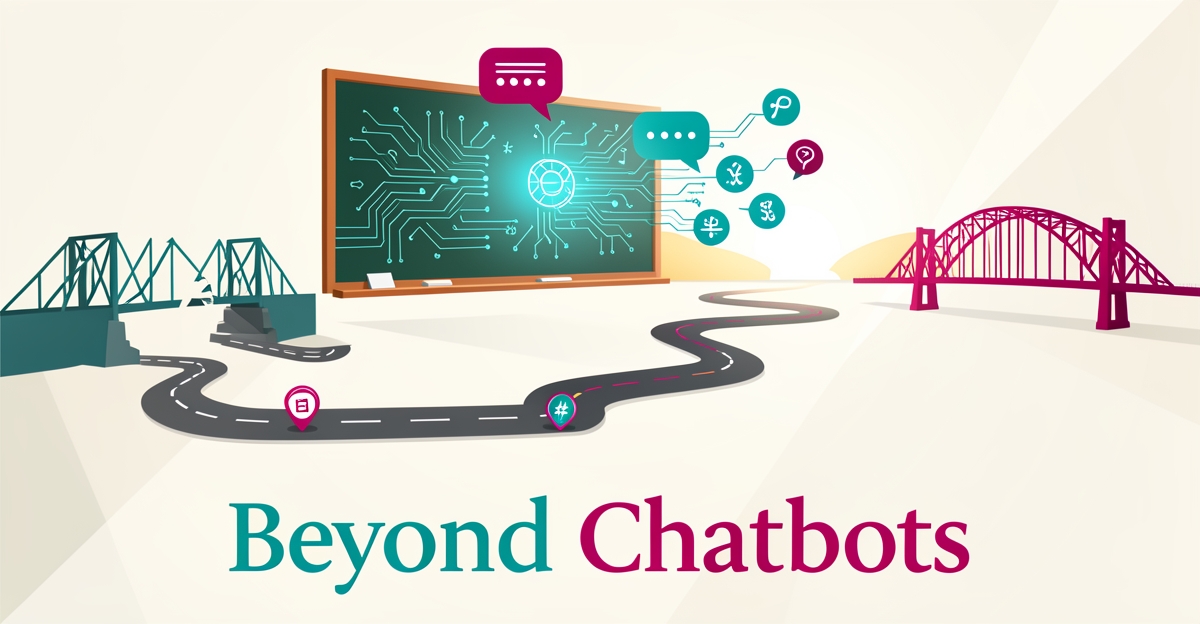
Beyond Chatbots: The Limitations of Over-Reliance on Simple AI Tools
Many language schools assume that deploying a chatbot is enough to modernize their AI strategy, but this oversimplification often leads to disappointing results. While chatbots can handle routine inquiries, they fall short when it comes to addressing the nuanced demands of language learning, such as contextual understanding, cultural sensitivity, and adaptive feedback. Relying on superficial tech without deeper adoption fails to bridge meaningful divides in access and comprehension. This limitation becomes especially critical in linguistically diverse environments where learners face significant barriers to understanding complex information.
Language schools serving diverse populations need AI systems capable of more than scripted responses; they require context-aware, multimodal tools that can adapt to varying proficiency levels and linguistic backgrounds. Basic chatbots struggle precisely where clear, multilingual, adaptive communication matters most, intake, placement, feedback, and parent or student support.
To move beyond chatbot-centric strategies, schools should invest in AI systems designed with pedagogical goals at their core. This means prioritizing technologies that support personalized learning paths, provide real-time pronunciation and grammar feedback, and integrate seamlessly with curricula rather than operating as isolated efficiency hacks. A comprehensive approach, one that aligns AI implementation with teaching objectives while acknowledging the limits of simple automation, ensures that technology enhances, rather than hinders, the learning experience. Such systems must be built on frameworks capable of reasoning, adaptation, and integration, not just pattern matching.
Ultimately, the goal is not to replace teachers with bots, but to empower them with intelligent tools that handle repetitive tasks while amplifying human instruction. When AI is aligned with educational outcomes, supported by thoughtful design and strategic partnerships, it becomes a force for inclusion and engagement. Schools that take this broader view avoid the pitfalls of tech-first thinking and instead build AI capabilities that deliver lasting value in language education. For guidance on implementing such a transformation, schools can start with a free strategy call to assess readiness and identify high-impact opportunities.
Building a Proven AI Transformation Roadmap for Language Schools
Most language schools don't fail at AI because the technology doesn't work, they fail because they buy tools before they understand their own teaching goals. A chatbot bolted onto a curriculum nobody rethought is just an expensive FAQ page. The schools that succeed follow a deliberate roadmap, and it looks remarkably similar across successful implementations.
The first phase is honest assessment. Before any tool is purchased, leadership needs to map pedagogical needs: where do students struggle, where do teachers burn time, and where could AI genuinely enhance learning rather than merely cut costs? AI should solve a real gap, not chase a trend.
The second phase is custom development aligned to those goals. This is where many schools go wrong, defaulting to off-the-shelf chatbots. Surface-level tools rarely deliver personalized instruction. This is why AIQ Labs begins every engagement with discovery, readiness evaluation, business case development, and a prioritized roadmap, before building custom systems the school owns outright, with no vendor lock-in. Depending on scope, that can mean a single high-cost workflow rebuilt end to end, or managed AI Employees handling reception, scheduling, and student follow-up at a fraction of the cost of additional hires.
The third phase is integration. AI that doesn't connect to your student records, scheduling, and communication systems creates more manual work, not less. Effective implementations weave AI into existing infrastructure so teachers and administrators aren't toggling between disconnected tools.
The final, and most neglected, phase is change management. Even a well-built system fails if teachers don't trust it. Successful schools invest in role-specific training, feedback loops, and clear success metrics so adoption becomes part of the culture, not a mandate from above.
A practical roadmap for any language school should include:
- Assess pedagogical needs and align every AI decision with teaching goals first
- Acknowledge chatbot limitations and build comprehensive, personalized systems instead
- Develop partnerships that foster collaboration and co-creation with other organizations
- Use AI to enhance the learning experience, not just operational efficiency
Not sure where your school stands? A quick self-assessment is a good start. From there, a structured conversation with an AI partner can turn assessment into action, AIQ Labs offers a two-minute Fit Check followed by a free 30-minute strategy call to map your biggest bottleneck.
Still paying for 10+ subscriptions that don’t talk to each other?
We build custom AI systems you own outright. No vendor lock-in. Full control.
Not sure where to start? Ask our AI planner
Frequently Asked Questions
Why do language schools keep failing when they try AI?
Is a chatbot enough for modernizing language teaching?
How big is the language access problem AI needs to solve?
What's the right way to start an AI implementation roadmap?
Do we need partnerships to make AI work in language schools?
How can I quickly check if my school is ready for AI?
Teach First, Automate Second
Most language schools don't fail at AI because the technology doesn't work, they fail because they buy tools before they define teaching goals. Efficiency-first rollouts produce chatbots that answer questions but don't build vocabulary, pronunciation, or communicative confidence, and implementations that skip teacher input, curriculum mapping, and real partnerships. A proven path starts with honest assessment of pedagogical needs, custom development aligned to those goals rather than off-the-shelf chatbots, integration with existing systems, and change management that builds teacher trust. When AI is mapped to how learners actually acquire language, it enhances instruction instead of replacing it. AIQ Labs supports schools through phased AI Workflow Builds and connected AI Operating Systems that align systems with instructional goals, not just efficiency metrics. If you're unsure where your school stands, start the two-minute Fit Check at aiqlabs.ai/apply for a free 30-minute strategy call to map your biggest bottleneck and identify high-ROI opportunities. The need for pedagogically grounded AI is only growing.
Make AI your competitive advantage — not just another tool.
Strategy, implementation and ongoing optimization. One partner, end to end.
Not sure where to start? Ask our AI planner