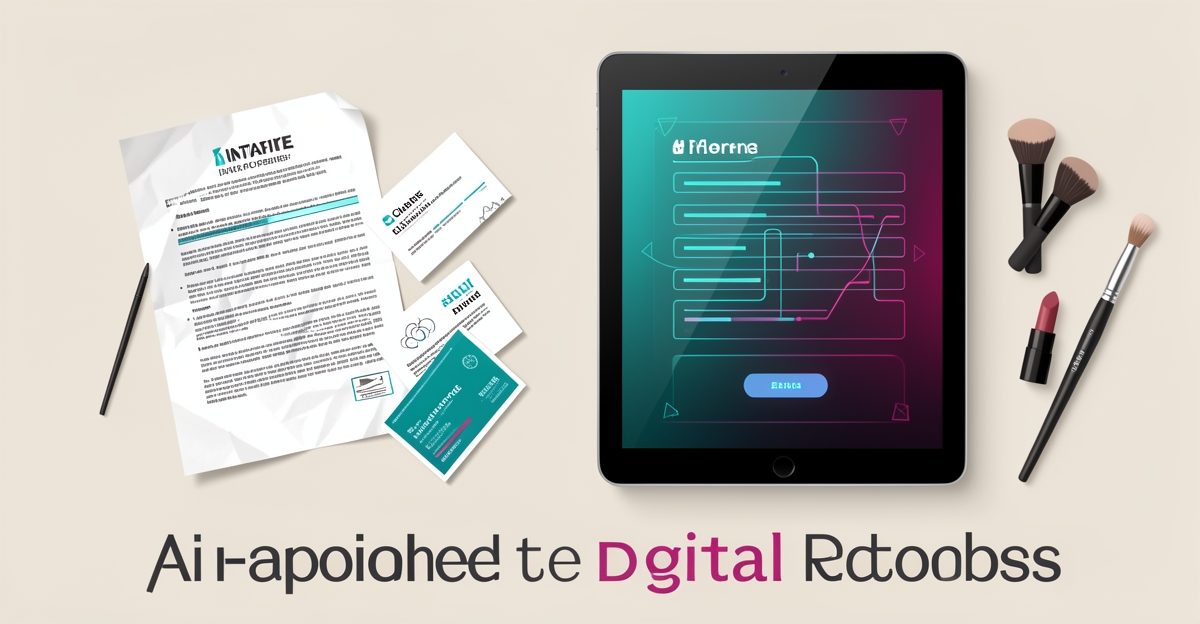
Why Most Makeup Artists Still Use Paper Forms, and How AI Fixes That
Key Facts
- Paper intake forms are easily damaged, lost, or rendered illegible, forcing artists to re-ask clients for the same information
- Color formulas, shade matches, and allergy records often live only in the artist's memory or a filing cabinet
- AI-powered form generation can auto-populate known client details and prompt only for new information, cutting data entry time significantly
- Digital client histories build a searchable record that improves retention and personalization over time
- AIQ Labs has deployed 200+ multi-agent systems and runs 4 live SaaS products daily
Hire a team member that works 24/7 — for less than a part-time wage.
AI receptionists, SDRs, dispatchers and 99+ roles. Trained on your business, fully managed.
Not sure where to start? Ask our AI planner
The Paper Form Problem Hiding in Makeup Studios
Walk into almost any makeup studio and you'll find the same scene: clipboards stacked with intake forms, sticky notes tucked into mirrors, and a filing cabinet that hasn't been organized in years. The industry runs on artistry, but the business runs on paper, and that disconnect is costing artists more than they realize.
A large share of routine administrative work can typically be automated with technology that already exists today. Yet makeup artists still spend hours each week manually transcribing client preferences, retyping allergy lists, and reconstructing lost color formulas from memory. That administrative drag doesn't just eat billable hours, it introduces errors that damage trust.
- Client intake forms get damaged, lost, or illegible
- Color formulas and shade matches live only in the artist's head
- Allergy and sensitivity records disappear between appointments
- Follow-up sequences rely on memory instead of systems
- Referral tracking and loyalty data never gets captured
The problem compounds with every new client. Digital adoption in beauty remains low because most solutions feel built for corporations, not creative studios. Artists need systems that understand their workflow, capturing the nuance of a custom blend, the context of a bridal timeline, the specificity of a film continuity sheet, without forcing them into rigid templates.
AIQ Labs builds automated form generation and client history capture that replace paper workflows with digital ones artists actually want to use. The system learns each studio's intake process, then generates smart forms that adapt to the service, bridal trial, editorial shoot, special effects consultation, while building a searchable client timeline that surfaces the right details at the right moment. No more flipping through folders. No more guessing which foundation matched six months ago.
How AI Augments Creativity Without Replacing It
Creativity stays human when the repetitive work disappears. Makeup artists are discovering that AI handles the mechanical parts of the job so they can focus on artistry, client connection, and the creative decisions that machines cannot make.
Virtual try-on and color-matching tools have become common across the beauty industry, and AI-powered recommendation engines increasingly support personalized product suggestions. For working artists, that means faster previews, less product waste, and more time for consultation, skin analysis, and custom design rather than manual swatching and admin.
AI is not a replacement for human creativity. It's a tool to augment and enhance the makeup artist's skills. That augmentation shows up in practice as faster prep, more accurate color matches, and the ability to explore styles with clients in real time. Artists keep the final creative judgment, while AI accelerates the exploration phase.
Personalization is where the business impact becomes clear. When recommendations and follow-ups feel tailored rather than generic, studios typically see more bookings, fewer product returns, and stronger client retention. The mechanism is simple: a system that remembers what a client liked last time makes the next appointment easier to sell and easier to deliver.
The broader labor picture supports augmentation over replacement. As of late 2026, automation in beauty tends to land on documentation, color matching, and virtual previews, leaving the human touch for application and artistry. The artists who adopt these tools early gain back hours that competitors still lose to paperwork.
This shift matters for small studios still tied to paper forms and lost client histories. When intake, notes, and product preferences live in fragmented sheets, artists spend time searching instead of creating. Automated form generation, client history capture, and digital record-keeping eliminate lost data and reduce errors, which is the core of the documentation work AIQ Labs handles through AI Workflow Builds.
AI augments creativity by handling the repeatable layer:
- Virtual try-ons and instant color matching reduce trial time and product waste
- Personalized recommendations increase conversion and client satisfaction
- Digital client histories preserve preferences across appointments
- Automated documentation frees artists for creative work and consultation
The outcome is not fewer artists, but more effective ones. Makeup artists who adopt augmentation tools protect their creative edge while delivering faster, more personalized results. Those who stay on paper keep paying the same tax in lost hours and lost records, appointment after appointment.
From Paper to Digital Memory: Automated Form Generation and Client History Capture
The shift from paper forms to digital systems is no longer a luxury, it's a necessity for makeup artists who want to scale without losing critical client details. Paper forms are easily misplaced, damaged, or illegible, leading to repeated questions, inconsistent service, and lost opportunities for personalization. When a client returns months later, artists often start from scratch, wasting time re-asking about allergies, preferred products, or past reactions, information that should be instantly accessible.
AI-powered documentation transforms this fragmented process into a seamless, owned digital workflow. Instead of manually filling out intake sheets, artists can use AI-driven form generation that dynamically adapts to each client's history, service type, and even seasonal trends. These smart forms auto-populate known details, like skin undertones, favorite brands, or previous looks, while prompting only for new or updated information, which typically cuts data entry time substantially.
More than just saving time, digital capture builds a living client profile that grows with every appointment. AI systems organize this data into searchable, secure records, tracking everything from product sensitivities to feedback during sessions. Over time, this history becomes a strategic asset: artists can anticipate needs, recommend tailored looks, and strengthen client loyalty through personalized service. AI isn't replacing creativity, it's augmenting it by handling the administrative load so artists can focus on what they do best.
For studios ready to move beyond paper, AIQ Labs builds custom documentation systems that convert manual workflows into owned digital assets, no subscriptions, no vendor lock-in, just a scalable foundation for smarter client relationships. This approach ensures every detail is preserved, every interaction is informed, and every artist can work with confidence, knowing their client's story is always at their fingertips.
Implementation Without Complexity for Small Studios
For makeup artists still relying on paper forms, the shift to AI doesn't require a complete overhaul of their workflow, it starts with small, manageable steps. Begin by digitizing one high-touch process, such as client intake forms, using AI-powered documentation generation that captures preferences, skin tones, and allergy notes during consultations. This eliminates lost paper records and reduces manual entry errors, freeing artists to focus on creative work instead of administrative tasks. Targeted automation of a single workflow is a practical first step.
Addressing common concerns is essential for sustainable adoption. To mitigate data privacy risks, choose AI systems that process client information locally or with strict encryption, ensuring sensitive details like medical history or product reactions remain secure. Combat algorithmic bias by regularly auditing AI-generated recommendations, for example, checking if virtual try-on tools fairly represent diverse skin tones, and maintain human oversight to preserve the personal touch clients value. AI should augment, not replace, the artist's expertise, balancing efficiency with authenticity.
AIQ Labs supports this transition through flexible implementation models designed for small studios. Start Monthly lets artists deploy an AI documentation assistant, part of a managed roster of AI Employees spanning 99+ roles, for a fraction of the cost of a human hire, including setup, training, and ongoing improvements with the flexibility to pause or adjust. Build in Milestones breaks the process into phases, such as first automating intake forms, then adding appointment reminders, so studios pay only for completed work and retain everything built. For those seeking full control, Own It Outright delivers a custom AI system where the studio owns the code, data, and future development, eliminating vendor lock-in while creating a scalable foundation for growth. Studios that want everything connected into one layer can graduate to AI Operating Systems, built in phases and owned outright. This phased, low-risk path turns paper-based inefficiencies into streamlined digital workflows without disrupting the creative core of the business.
Still paying for 10+ subscriptions that don’t talk to each other?
We build custom AI systems you own outright. No vendor lock-in. Full control.
Not sure where to start? Ask our AI planner
Frequently Asked Questions
Why do so many makeup artists still rely on paper forms?
Will AI replace makeup artists or just change how they work?
Can AI actually help small studios without a tech team?
What's the business impact of switching from paper to digital client histories?
Is it safe to put client allergy and medical info into an AI system?
How much of a makeup artist's work can really be automated?
From Paper Clips to Creative Freedom
The makeup studio of today runs on artistry, but too often its business runs on paper, lost forms, forgotten formulas, and hours wasted on admin instead of application. As we've seen, AI doesn't replace the artist's touch; it removes the repetitive work that dulls it. By automating intake, preserving client histories, and enabling smarter personalization, tools like those built by AIQ Labs let artists focus on what they do best: creating looks that build trust and loyalty. The shift isn't about complexity, it's about starting small, digitizing one workflow at a time, and gaining back the time that fuels creativity. If you're ready to trade sticky notes for a system that remembers every detail, the first step is a conversation. Start the Fit Check, a two-minute fit check leading to a free 30-minute strategy call, to see where AI can unlock your studio's potential without disrupting your craft.
Make AI your competitive advantage — not just another tool.
Strategy, implementation and ongoing optimization. One partner, end to end.
Not sure where to start? Ask our AI planner