Why Most Surety Bonding Agencies Fail at AI Implementation — And How to Avoid It
Key Facts
- High technical accuracy does not guarantee adoption—trust, not capability, is typically the real bottleneck
- Enterprises have reported spending millions on AI systems that end up sitting unused because teams never trusted them
- Transparency, predictability, and user control are the three essentials for building trust in AI systems
- Human-in-the-loop design measurably improves outcomes—AI that asks for help only when needed tends to perform better than full automation
- Users typically forgive imperfection but not deception; transparency beats "magic"
- Ignoring compliance and poor data quality are leading killers of enterprise AI initiatives
Hire a team member that works 24/7 — for less than a part-time wage.
AI receptionists, SDRs, dispatchers and 99+ roles. Trained on your business, fully managed.
Not sure where to start? Ask our AI planner
The Trust Gap: Why AI Projects Fail Before They Start
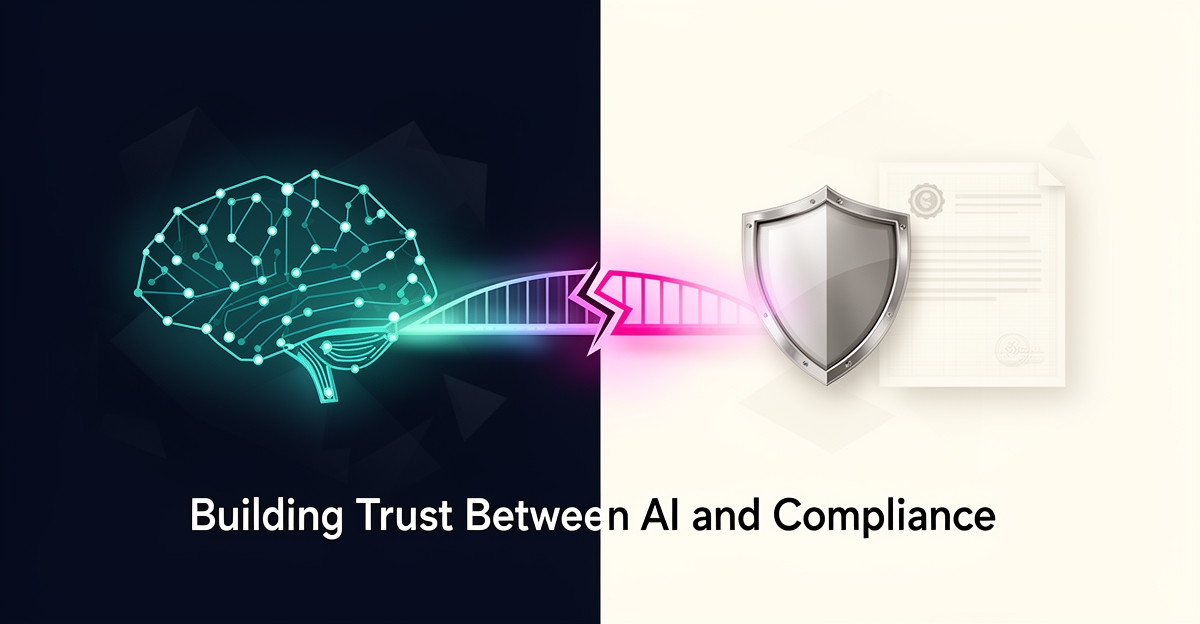
The surety bonding industry runs on trust—between carriers and agents, principals and obligees. It's ironic, then, that the biggest obstacle to AI adoption in most agencies isn't the technology itself. It's whether the people using it trust it enough to touch it.
Consider a widely reported account from a Fortune 500 CTO of a multi-million-dollar enterprise AI system that sits completely unused. The technology worked. Nobody used it. That's not a capability problem—it's a trust problem, and it's exactly what happens when agencies deploy AI tools without building confidence first.
The pattern is well documented. Even teams achieving very high technical accuracy with AI systems often find trust remains a major barrier to adoption. Accuracy alone doesn't win users over. The real bottleneck to AI adoption is trust, not capability.
So what actually builds trust? Research on AI application design points to three essentials:
- Transparency—users need clear explanations of how and why the AI reached a decision, not a black box
- Predictability—honest signals about confidence levels, so users know when to rely on output and when to double-check
- User control—the ability to intervene, override, and guide the system so people feel safe using it
User control isn't just a comfort feature; it measurably improves outcomes. When AI systems request human guidance only at the moments it's actually needed, performance typically improves compared to either full automation or full manual work. Well-designed human-AI collaboration consistently beats both extremes.
The lesson for surety bonding agencies is clear: an AI system that underwriters don't understand, can't predict, and can't control will fail regardless of how accurate it is. Users forgive imperfection but not deception. They value transparency over magic.
This is why structured implementation matters. Building AI assurance requires regular evaluation, human oversight, and clear rules for how the AI makes decisions—backed by evaluation frameworks that track performance, behavior, and reliability over time. AIQ Labs builds these governance and human-in-the-loop controls into a phased operating system from day one, so trust is earned incrementally rather than demanded upfront.
For agencies, the takeaway is simple: don't ask your team to trust AI. Show them why they can—through transparency, control, and visible accountability.
Compliance and Data: The Silent Killers of AI Initiatives
That unused multi-million-dollar enterprise AI system isn't an outlier. Failures like it usually aren't caused by weak technology—they're caused by teams skipping the unglamorous work of compliance and data readiness before deployment.
Surety bonding agencies operate in a uniquely regulated environment where every underwriting decision, bond issuance, and client record carries regulatory weight. When AI enters that picture without guardrails, the consequences compound quickly. Research on failed AI projects consistently identifies ignoring compliance and poor data quality as leading killers of enterprise AI initiatives.
The trust problem is often more damaging than the accuracy problem. Even at very high technical accuracy, adoption stalls when users lack confidence in the system. Trust, not capability, is the bottleneck.
Building trustworthy AI in a regulated setting requires specific structural safeguards:
- Clear rules for AI decision-making, so every recommendation can be traced and explained
- Complete audit trails documenting how the system reached each conclusion
- Human-in-the-loop controls that require human sign-off on critical decisions
- Regular evaluation frameworks tracking AI performance, behavior, and reliability over time
These aren't optional extras—they're the difference between a system that gets adopted and one that gets abandoned. Human oversight doesn't slow AI down; well-designed oversight makes the AI demonstrably better, because the system learns when to defer and users learn when to rely on it.
Transparency plays an equally important role. For a bonding agency, that means agents need clear explanations and honest confidence signals from any AI tool touching underwriting or client data—not black-box outputs they're expected to accept on faith.
Data quality is the other silent killer. AI trained on inconsistent client records, outdated financials, or fragmented submission histories will produce unreliable outputs no matter how sophisticated the model. Before any deployment, agencies need to audit their data infrastructure—and that assessment should happen before a single dollar is spent on tooling.
This is precisely why structured implementation matters. A phased roadmap with governance, compliance verification, and performance tracking built in from day one—rather than bolted on after a failure—is the approach AIQ Labs embeds in every workflow build and operating system engagement. Agencies that treat compliance and data quality as foundational, not afterthoughts, are the ones whose AI systems actually get used.
From Pilot to Practice: A Phased Roadmap for Surety Bonding Agencies
For surety bonding agencies, successful AI implementation isn't about flashy technology—it's about disciplined execution. A phased approach transforms isolated experiments into sustainable capabilities by addressing common failure points before they derail progress.
Begin with a comprehensive discovery phase focused on your agency's specific workflows and data landscape. Map out bond issuance, claims processing, and client communication processes to identify high-impact automation targets. Assess data quality and accessibility in your core systems—underwriting platforms, CRM, and financial tools—since poor data quality remains a leading cause of AI project failure. This foundational step ensures your AI initiatives solve real operational problems rather than creating new complexities.
Next, move into secure integration and governance, where technical execution meets organizational safeguards. Build AI agents on enterprise-grade frameworks for complex reasoning, implementing repo-level guardrails and real-time observability to maintain control. Establish clear decision-making rules and human oversight protocols, particularly for compliance-sensitive activities like bond underwriting or claims evaluation. Regular evaluation frameworks become essential here, tracking not just accuracy but also trustworthiness and regulatory alignment—critical because even high technical accuracy can fail if users lack confidence in the system.
Finally, drive adoption through targeted training and performance tracking. Develop role-specific programs that show underwriters how AI reduces manual data entry, how producers benefit from faster bond issuance, and how claims teams gain consistency in evaluations. Create feedback loops where users can flag concerns or suggest improvements, addressing resistance to change by demonstrating tangible value. Monitor key metrics like processing time reduction and error rates, using implementation evaluation frameworks to prove reliability and scale confidently. This structured progression—from discovery to secure integration to measurable adoption—creates the foundation for AI that delivers lasting operational improvement in surety bonding. Schedule a free 30-minute strategy call to map your agency's AI readiness and identify the highest-impact starting point.
Still paying for 10+ subscriptions that don’t talk to each other?
We build custom AI systems you own outright. No vendor lock-in. Full control.
Not sure where to start? Ask our AI planner
Frequently Asked Questions
Why do AI systems often go unused even when they're technically accurate?
What are the three essentials for building user trust in AI systems?
How does human oversight actually improve AI performance instead of slowing it down?
Why are compliance and data quality considered 'silent killers' of AI projects in surety bonding?
What does a phased AI implementation roadmap look like for a surety bonding agency?
How can surety bonding agencies prove AI reliability and scale adoption confidently?
Building Trust and Avoiding Pitfalls: Your Path to Successful AI Implementation
The surety bonding industry stands at a crossroads where AI can either transform operations or become another costly failure. The key to success lies in addressing the trust gap, ensuring compliance, and maintaining data quality. By adopting a phased implementation roadmap that includes governance, training, and performance tracking, agencies can build trust incrementally and avoid common pitfalls. AIQ Labs has deployed 200+ multi-agent systems and runs four live SaaS products daily, and we build these elements into every engagement from day one—so your AI systems are not only accurate but trusted and compliant. Don't let your AI project become another unused line item. Start with a 2-minute Fit Check, then book a free 30-minute strategy call to map your agency's AI readiness and identify high-impact starting points.
Make AI your competitive advantage — not just another tool.
Strategy, implementation and ongoing optimization. One partner, end to end.
Not sure where to start? Ask our AI planner