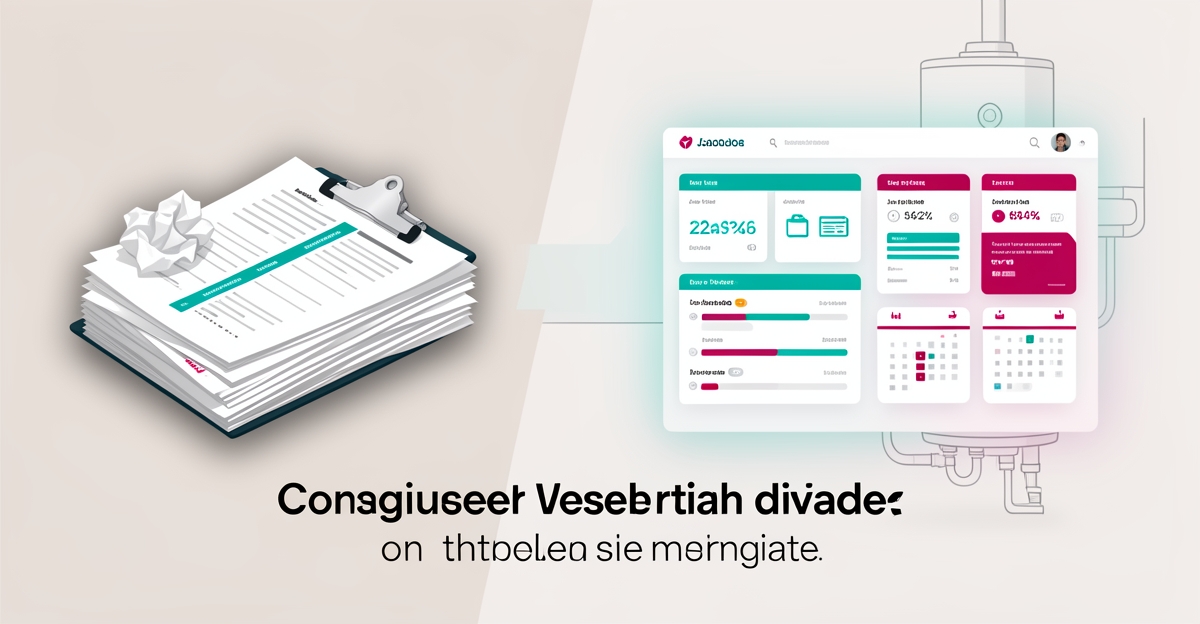
Why Most Water Heater Installers Still Use Paper-Based Job Tracking (And How to Fix It)
Key Facts
- A majority of plumbing companies now use AI in some form for scheduling, dispatching, customer communication, and routine tasks, according to industry research
- Small-business adoption of generative AI has climbed steadily since 2025, based on the same industry reporting
- AI-powered digital workflows typically reduce administrative overhead meaningfully compared with manual processes as shown in a comparison of operating systems
- Teams using AI-assisted field service management commonly complete more jobs per day per comparisons of operating systems
- First-call resolution rates tend to improve with AI-powered field service management based on operating system comparisons
- The U.S. plumbing services market is a large, fragmented space with well over 100,000 businesses competing according to market analysis
- Delayed job entry creates scheduling conflicts and missed installs in paper-based tracking systems as noted in plumbing industry guidance
Hire a team member that works 24/7 — for less than a part-time wage.
AI receptionists, SDRs, dispatchers and 99+ roles. Trained on your business, fully managed.
Not sure where to start? Ask our AI planner
Introduction
Paper slips, whiteboards, and phone calls still run a surprising number of water heater installs. In a large, fragmented U.S. market where well over 100,000 businesses compete for emergency and maintenance work industry data shows, the gap between fast responders and everyone else often comes down to job tracking.
Paper-based tracking creates friction at every step. Technicians wait for handwritten notes, office staff re-enter the same job details, and customers call back because status never updates. That manual loop costs time, jobs, and trust.
The industry is shifting. Industry research finds a majority of plumbing companies now use AI to improve scheduling, dispatching, customer communication, and routine tasks, and small-business adoption of generative AI has kept climbing since 2025.
AI-powered digital workflows address the exact pain points paper creates. Instead of chasing updates, teams get automated job entry, real-time status changes, and technician follow-ups without manual re-keying. A comparison of operating systems shows AI systems typically reduce administrative costs, increase jobs completed per day, and improve first-call resolution rates.
Paper persists for a reason. It feels cheap, familiar, and fast to start. For small crews, the perceived cost and complexity of digital change outweighs the invisible cost of lost jobs, overtime, and callbacks. That inertia is understandable, but it is also expensive.
The move from paper to digital is really a move from reactive to automated visibility. When job data lives in one place and updates itself, dispatchers make better decisions, technicians arrive prepared, and customers get proactive updates.
Common paper-based breakdowns include:
- Delayed job entry that creates scheduling conflicts and missed installs
- Status silos where office, dispatcher, and tech have different versions of the truth
- Manual follow-ups that slip through, hurting review scores and repeat business
- No historical record for warranty, parts, or service history on water heater jobs
AIQ Labs builds AI systems for field service businesses, from [AI Workflow Builds](/workflow-builds) that fix one costly workflow at a time to [AI Employees](/ai-employees) that handle dispatch and follow-up around the clock. The opportunity is not to replace tradespeople, but to remove the administrative drag that keeps them from doing the work they were hired for.
Fixing job tracking starts with automating the repetitive entry and updates that paper forces teams to repeat, then building real-time access that everyone can trust.
Key Concepts
Paper-based job tracking persists in plumbing because it feels simple, cheap, and familiar until the cost of lost jobs shows up. In a fragmented U.S. market where well over 100,000 businesses compete for emergency and maintenance work, small inefficiencies compound fast industry analysis.
Manual logs create a single point of failure. A clipboard on a truck means job entry happens late, status updates never reach the office, and follow-ups depend on memory. That delay erodes technician utilization and customer trust.
Adoption is shifting. Industry research shows a majority of plumbing companies use AI to improve scheduling, dispatching, customer communication, and routine tasks, and generative AI use among small businesses has continued to rise since 2025.
The gap is not awareness, it is implementation. Many teams know digital is better but stay with paper because they fear disruption, upfront cost, and process change.
Paper-based tracking creates predictable friction across the day:
- Delayed job entry leads to missed updates and duplicate calls
- Technician status is unknown until end of day check-in
- Follow-ups rely on manual notes instead of automated triggers
- Invoices and payments lag because back-office data is incomplete
AI-powered digital workflows address those exact points. A comparison of operating systems versus manual processes finds AI typically reduces administrative costs, increases jobs completed per day, and improves first-call resolution rates.
The value is operational, not theoretical. AI automates repetitive tasks such as scheduling, dispatching, and customer communication, freeing staff for higher-value work as plumbing industry guidance notes. Field service management improves with better routing and real-time visibility.
Customer experience improves in parallel. Faster response times and personalized service come from systems that update status automatically and trigger technician follow-ups without manual prompting.
For SMBs, the barrier is often piecemeal tools and subscription fatigue. That is why AIQ Labs offers [AI Workflow Builds](/workflow-builds) at a fixed price: rebuild the one workflow that costs the most, in phases, without a sprawling software project.
The core concept is simple: replace paper latency with real-time job capture, replace manual status checks with automated updates, and replace forgotten follow-ups with intelligent triggers.
Best Practices
Paper-based job tracking creates lag between the job site and the office, and that lag costs real money in missed updates and repeat calls. Moving to a digital workflow starts with standardizing how work enters the system, not with buying software.
Audit the current paper trail and map every handoff. Identify where job entry, status updates, and technician follow-ups are written, stored, and re-entered. A clear map shows duplicate steps and where information is lost between dispatch, field, and billing. This baseline makes automation targets obvious and measurable.
Standardize job entry at the point of origin. Replace clipboards with a single digital intake form that feeds scheduling, dispatch, and invoicing. When a call comes in, the AI captures details once and routes them automatically, reducing manual re-entry and errors. Industry research shows a majority of plumbing companies now use AI to improve scheduling, dispatching, customer communication, and routine tasks.
Automate status updates and technician follow-ups. Digital workflows push real-time status to customers and back-office teams without phone tag. A recent comparison found AI operating systems typically reduce administrative costs, increase jobs completed per day, and improve first-call resolution rates.
Build adoption into the rollout, not after it. Technicians will keep using paper if the digital system is slower or harder in the field. Train on mobile-first tools, set clear ownership for updates, and measure completion rates weekly.
Practical best practices to implement now:
- Digitize intake once: one form for calls, service requests, and on-site notes with automatic sync to dispatch and invoicing.
- Automate status and follow-up: trigger SMS/email updates on dispatch, arrival, completion, and invoice, with AI handling routine replies.
- Centralize the source of truth: a real-time job board accessible to office and field eliminates duplicate logs and phone checks.
- Start with a single workflow: fix job entry and status updates first, then expand to routing and back-office automation.
The U.S. plumbing services market is large and fragmented, with well over 100,000 businesses competing for emergency and maintenance work, so efficiency is a differentiator. Market analysis highlights the pressure to respond faster while controlling overhead.
For plumbing teams ready to move beyond paper, AI-powered digital workflows can automate job entry, status updates, and technician follow-ups without replacing hands-on skills. AIQ Labs designs [AI Workflow Builds](/workflow-builds) that replace outdated spreadsheets with real-time, accessible job tracking platforms built for field service operations, at a fixed price, delivered in phases.
Implementation
Paper-based job tracking persists because it feels simple until the costs compound. Moving to an AI-powered digital workflow starts with mapping how jobs actually flow, not how they should flow.
Begin by identifying the highest-friction points in job entry, status updates, and technician follow-ups. Many plumbing companies still rely on handwritten tickets and phone callbacks, which creates delays and lost updates. A clear process map shows where data drops, where duplicate entry happens, and where customers wait for status.
Pilot the change on one crew or service type before rolling out company-wide. This limits disruption and creates a reference workflow for training. According to industry research, a majority of plumbing companies now use AI to improve scheduling, dispatching, customer communication, and routine tasks. Starting small lets you measure those gains without overhauling everything at once.
Design the digital workflow around real field conditions. Job entry should be voice or mobile-first so technicians can log work between stops. Status updates should push automatically to customers, reducing inbound calls. Follow-ups should be triggered by job completion, not memory.
Implementation succeeds when staff, tools, and processes are aligned. Key actions include:
- Audit current paper forms and translate fields into structured digital inputs
- Connect the job tracking system to dispatch, CRM, and invoicing to eliminate re-keying
- Train technicians and office staff on the new mobile workflow with short, role-specific sessions
- Set up automated status notifications and technician follow-up reminders
Training is the difference between adoption and abandonment. Staff need to see how real-time job tracking reduces their admin load, not adds to it. A recent comparison of operating systems found AI operating systems typically reduce administrative costs, increase jobs completed per day, and improve first-call resolution rates.
Monitor effectiveness with simple metrics: time from job request to dispatch, jobs completed per day, and customer response time. Adjust automations based on field feedback. With small-business generative AI adoption climbing since 2025, the baseline expectation for responsiveness keeps rising.
AIQ Labs builds these systems three ways: a fixed-price [AI Workflow Build](/workflow-builds) for the one workflow that hurts most, [AI Employees](/ai-employees) that handle dispatch and follow-up at a fraction of the cost of a human hire, or a full [AI Operating System](/ai-operating-systems) that connects the whole business in phases, owned outright. The [2-minute Fit Check](/apply) is the fastest way to find which entry point fits.
Conclusion
Despite the clear advantages of digital transformation, many plumbing businesses continue to rely on paper-based job tracking due to entrenched habits, perceived complexity of change, or limited awareness of accessible alternatives. This persistence comes at a cost, manual systems contribute to delayed invoicing, miscommunication between office and field teams, and missed opportunities for follow-up, all of which erode profitability in a competitive market where well over 100,000 U.S. plumbing businesses vie for the same emergency and maintenance work. Yet the direction is clear: companies that adopt AI-powered field service management commonly see measurable gains in jobs completed per day and administrative overhead. These improvements aren't incremental, they directly impact cash flow, technician productivity, and customer satisfaction in ways paper systems simply cannot match.
For plumbing contractors ready to move beyond spreadsheets and clipboards, the next step is identifying a partner who understands both the technical and operational realities of field service work. AIQ Labs builds custom AI systems that replace fragmented, manual workflows with unified, real-time job tracking platforms, designed specifically for trades businesses that need reliability, not complexity. Rather than offering generic software, we engineer owned solutions that integrate with existing tools, automate dispatch and follow-ups, and scale with your growth, all while ensuring your team retains full control over the system and data. The goal isn't to add another app to the stack, but to eliminate the friction that keeps technicians from doing what they do best: solving problems on-site.
Taking the first step doesn't require a large upfront investment or a lengthy commitment. Businesses can start with the [2-minute Fit Check](/apply), then book a free 30-minute strategy call to map their biggest bottlenecks and explore high-ROI automation opportunities, no obligation, just clarity. From there, options like a fixed-price AI Workflow Build or deploying an AI Employee for dispatch allow teams to validate results quickly before scaling. In an industry where responsiveness and reliability win jobs, modernizing job tracking isn't just about efficiency, it's about staying competitive in a market where a majority of plumbing companies are already using AI to improve scheduling, dispatching, and customer communication. The tools exist. The path is proven. Now is the time to replace paper with precision.
Still paying for 10+ subscriptions that don’t talk to each other?
We build custom AI systems you own outright. No vendor lock-in. Full control.
Not sure where to start? Ask our AI planner
Frequently Asked Questions
Why do so many plumbing companies still use paper job tracking?
What problems does paper-based tracking actually cause day to day?
How does AI job tracking improve plumbing operations?
Are plumbing companies really adopting AI, or is this still early?
What is the first workflow a plumbing business should automate?
How can a plumbing company switch from paper without disrupting the team?
From Paper to Precision: The Real Cost of Staying Manual
The plumbing industry stands at an inflection point. While paper-based job tracking persists due to familiarity and perceived simplicity, the operational costs compound daily through delayed invoicing, miscommunication, and missed follow-ups. The pattern is consistent: businesses adopting AI-powered workflows commonly fit more jobs into each day and carry lower administrative overhead, according to operating system comparisons. With a majority of plumbing companies already using AI for scheduling and customer communication, the competitive gap widens for those still managing clipboards. The solution isn't wholesale replacement of your processes overnight. Start by mapping where information currently breaks down between field and office, then automate job entry and status updates first. AIQ Labs builds custom workflow systems that integrate with your existing tools, replacing manual tracking with real-time visibility your entire team can access. The transition from paper to digital isn't about adding complexity, it's about removing the friction that keeps technicians from focusing on the work they were trained to do. Whether you begin with a single fixed-price AI Workflow Build or deploy an AI Employee for dispatch, the path forward starts with understanding your specific bottlenecks. The 2-minute Fit Check and a free 30-minute strategy call can map your highest-ROI automation opportunities without obligation.
Make AI your competitive advantage — not just another tool.
Strategy, implementation and ongoing optimization. One partner, end to end.
Not sure where to start? Ask our AI planner