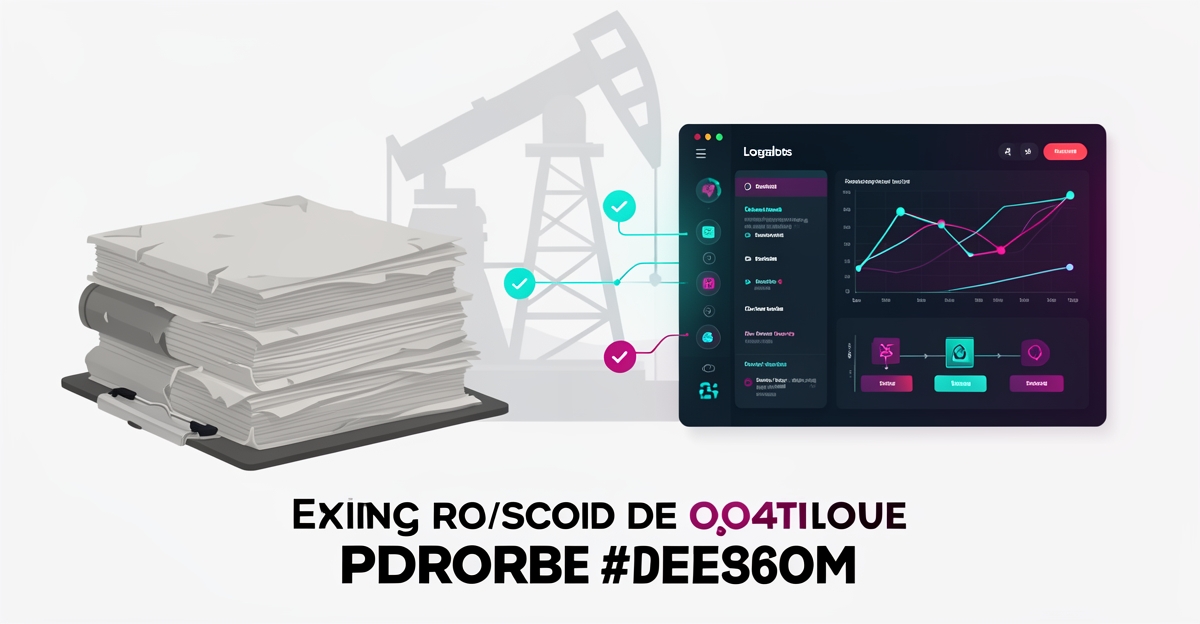
Why Most Wellhead Equipment Suppliers Are Still Using Paper Logs, And How AI Can Fix That
Key Facts
- The wellhead equipment market is projected to keep growing through 2030, driven by oil and gas exploration and production activity
- Machine learning integrated into wellhead systems can predict maintenance schedules and help prevent unplanned downtime
- The subsea wellhead segment is typically growing faster due to increased exploration in offshore deepwater fields
- Automation and remote monitoring of wellhead systems are gaining momentum, particularly in offshore operations
- Jeff Bezos has argued AI will expand the human labor market and create a labor shortage rather than replace workers in a recent interview
- AIQ Labs has deployed 200+ multi-agent systems and runs 4 live SaaS products daily
- AI Employees typically cost around 80% less than a human hire in equivalent roles while providing 24/7/365 availability
Hire a team member that works 24/7 — for less than a part-time wage.
AI receptionists, SDRs, dispatchers and 99+ roles. Trained on your business, fully managed.
Not sure where to start? Ask our AI planner
The Growing Problem: Why Paper Logs Are Still Holding Wellhead Operations Back
The wellhead equipment market is projected to keep growing through 2030, reflecting sustained activity in oil and gas exploration and production. Yet, despite this expansion, many suppliers continue to depend on paper logs for tracking equipment usage, maintenance schedules, and service requests, a practice increasingly at odds with the industry's technological momentum.
This reliance on manual logging introduces significant operational vulnerabilities. Paper-based systems are prone to human error, such as illegible entries or incorrect data transcription, which can compromise maintenance accuracy. Records are also susceptible to physical loss or damage from environmental exposure on rigs, leading to gaps in service history. When maintenance schedules rely on these fragile logs, delays in identifying wear or scheduling repairs become common, increasing the risk of unexpected equipment failure.
These shortcomings have tangible consequences in high-stakes wellhead operations. Inaccurate or missing maintenance data can result in undetected corrosion, seal degradation, or pressure control issues, conditions that may precipitate leaks, blowouts, or environmental incidents. Service teams, working with incomplete information, often dispatch crews without the right parts or diagnostics, prolonging downtime and driving up repair costs. In offshore environments, where access is limited and weather windows are narrow, such inefficiencies amplify both safety risks and financial exposure.
The contrast is stark: while the market embraces innovations like low-emission materials and remote monitoring, core operational processes remain analog. As automation and machine learning gain traction in predicting maintenance needs and optimizing system performance, suppliers still using paper logs are operating with a critical blind spot, one that undermines both safety and the very growth the market is positioned to capture.
What AI-Driven Workflows Actually Do: From Reactive Maintenance to Predictive Intelligence
The shift from paper logs to AI-driven workflows isn't about digitizing old habits, it's about fundamentally changing how wellhead equipment gets tracked, maintained, and serviced. Instead of reacting to failures after they happen, operators gain a system that watches every asset in real time and flags problems before they surface in the field.
At its core, an AI-driven workflow does three things continuously: it auto-tracks equipment usage, monitors maintenance schedules, and manages service requests as they occur. Every inspection, pressure test, and part replacement is captured the moment it happens, no transcription, no missing sheets, no waiting for someone to key in data at the end of a shift. That real-time visibility is what eliminates the manual data entry errors that plague paper-based systems.
The predictive layer is where the transformation becomes measurable. Industry research indicates that integrating machine learning into wellhead systems can predict maintenance schedules and prevent unplanned downtime. Rather than servicing equipment on a fixed calendar, or worse, after something breaks, operators can act on actual usage patterns and early warning signals.
This isn't a fringe concept. Automation and remote monitoring of wellhead systems are gaining momentum, particularly in offshore operations, where sending a crew to physically inspect equipment is costly and slow. As the subsea wellhead segment grows, driven by increased exploration in offshore deepwater fields, remote, AI-supported monitoring is quickly becoming the operational standard rather than the exception.
For suppliers and operators making the transition, the practical benefits cluster around a few themes:
- Elimination of transcription errors, lost logs, and incomplete service records
- Predictive maintenance scheduling that prevents unplanned downtime
- Real-time accountability, every service request and equipment status is timestamped and traceable
- Reduced operational costs through fewer emergency repairs and better resource planning
The honest caveat: adopting AI-driven workflows requires upfront investment in technology and training, and success depends on careful planning and implementation. But the contrast with manual logging is stark. Paper systems carry low upfront costs and a high risk of errors, lost data, and delayed maintenance, risks that can escalate into equipment failure, accidents, and environmental hazards. AI-driven workflows trade that hidden liability for improved efficiency, reduced costs, and stronger decision-making.
This is precisely the kind of operational rebuild that AIQ Labs' Workflow Builds are designed for: taking the one manual tracking workflow that costs you the most and rebuilding it as a fully automated, AI-driven system at a fixed price, with real-time visibility and accountability built in from day one. In a market projected to keep expanding through 2030, the suppliers who modernize their workflows first will be the ones positioned to capture that growth.
The Real Barriers to Adoption, And Why They're Smaller Than You Think
Many wellhead equipment suppliers hesitate to move away from paper logs due to concerns about upfront costs, staff training, and implementation complexity. These are valid barriers, especially for businesses operating on tight margins. However, the true cost of staying manual often goes uncalculated, unplanned downtime from missed maintenance, compliance risks from lost or illegible records, and a gradual erosion of competitive edge as rivals adopt smarter systems. In a market analysts expect to keep growing through 2030, inefficiencies today translate into lost opportunities in an expanding field.
The perception that AI adoption requires a massive, all-or-nothing investment is outdated. Suppliers can begin with a single, high-impact workflow, such as automating maintenance tracking for critical wellhead components, and scale only after seeing measurable results. This phased approach reduces risk, allows teams to build confidence, and ensures that each step delivers tangible value before the next investment. AIQ Labs supports this through the Build in Milestones payment model, where clients approve and pay for each phase as it ships, keeping everything built so far even if they pause.
- Start with one workflow, like service request tracking or maintenance scheduling, to prove value quickly.
- Use real-time data to prevent unplanned downtime and extend equipment lifespan.
- Scale gradually across departments as ROI becomes clear and teams adapt.
The shift from paper to AI isn't about replacing people, it's about eliminating preventable errors and freeing skilled staff to focus on higher-value tasks like predictive maintenance and customer service. As Jeff Bezos has argued, AI is poised to expand the human labor market rather than shrink it, creating demand for roles that leverage technology rather than compete with it. For wellhead suppliers, the real barrier isn't cost or complexity, it's the invisible expense of inertia in a market where precision and reliability are non-negotiable. The tools to modernize exist today, and the entry point has never been lower.
From Paper to Production: A Practical Roadmap for AI Implementation
The transition from paper logs to AI-driven systems starts with identifying where automation delivers the most immediate impact. For wellhead equipment suppliers, this often begins with equipment usage tracking, a high-volume, error-prone process that directly affects maintenance scheduling and service response times. With the market projected to keep growing through 2030, modernizing core workflows early prevents scaling inefficiencies from compounding with demand.
Choosing the right AI partner means prioritizing ownership, scalability, and industry-specific understanding. AIQ Labs builds custom AI systems that clients own outright, eliminating vendor lock-in while ensuring solutions evolve with operational needs. The approach starts small, targeting one broken workflow like maintenance log automation, and scales based on proven results. This minimizes disruption by avoiding rip-and-replace overhauls in favor of phased integration with existing tools such as CRM and scheduling platforms. For teams that need extra capacity along the way, AI Employees can handle roles like dispatching and service coordination at a fraction of the cost of a human hire.
Implementation should follow a structured path: discovery to map current pain points, development of a tailored AI workflow, phased deployment with user training, and continuous optimization based on performance data. By focusing first on automating equipment usage tracking, where manual logging risks errors, lost data, and delayed maintenance, suppliers can achieve quick wins in operational efficiency and decision-making clarity. These early results build confidence for broader AI adoption across departments, turning a tactical fix into a strategic advantage. To explore how this applies to your operations, take the 2-minute Fit Check and then book a free 30-minute strategy call to identify your highest-impact automation opportunity.
Still paying for 10+ subscriptions that don’t talk to each other?
We build custom AI systems you own outright. No vendor lock-in. Full control.
Not sure where to start? Ask our AI planner
Frequently Asked Questions
Why are wellhead equipment suppliers still using paper logs if the market is growing?
What actually goes wrong with paper logs in wellhead operations?
How is an AI-driven workflow different from just digitizing paper forms?
Is AI too expensive for a small supplier to adopt?
Will AI replace my field technicians and service teams?
Where should we start when moving from paper to AI?
The Growing Question: Will You Lead the Shift or Get Left Behind?
The wellhead equipment market is projected to keep growing through 2030, yet many suppliers still rely on paper logs that introduce errors, lost data, and delayed maintenance, risks that directly undermine safety and competitiveness. AI-driven workflows eliminate these vulnerabilities by auto-tracking equipment usage, predicting maintenance needs, and managing service requests in real time, transforming reactive operations into proactive, efficient systems. The barriers to adoption are lower than perceived: starting with a single high-impact workflow, like maintenance tracking, allows suppliers to prove value quickly and scale confidently. AIQ Labs specializes in this exact transformation, rebuilding manual processes into custom, production-grade AI systems that businesses own outright, no vendor lock-in, just real-time visibility and accountability. The question isn't whether AI will redefine wellhead operations; it's whether your business will lead that change or struggle to catch up. Start with the 2-minute Fit Check and a free 30-minute strategy call to identify your highest-impact automation opportunity and map a practical path forward.
Make AI your competitive advantage — not just another tool.
Strategy, implementation and ongoing optimization. One partner, end to end.
Not sure where to start? Ask our AI planner