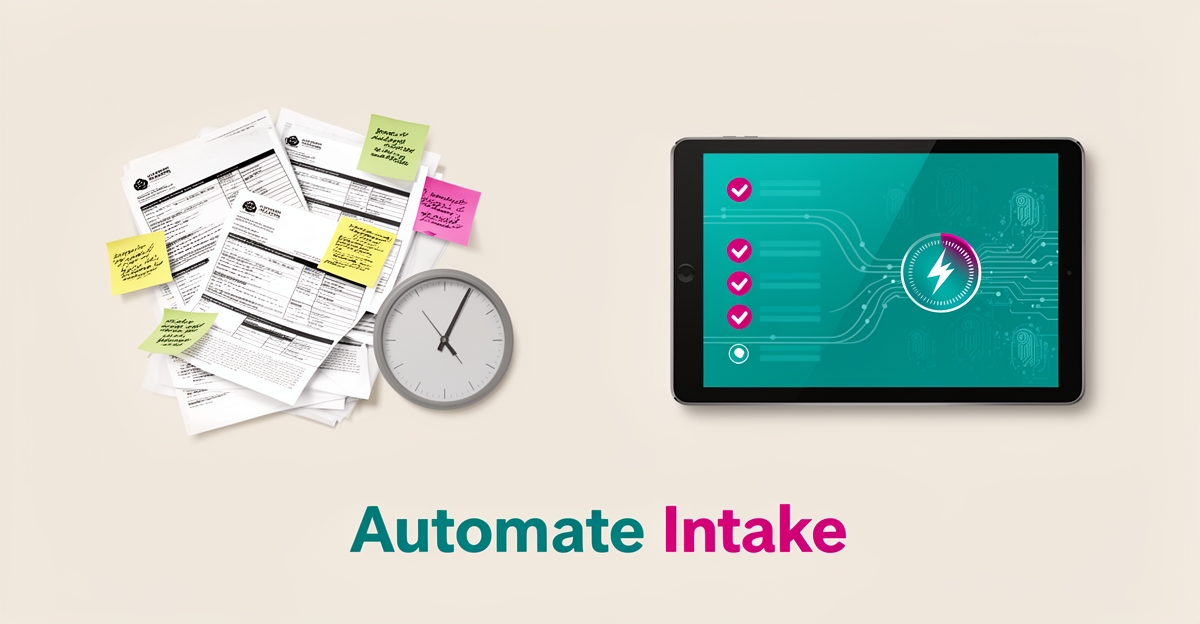
5 Signs Your Junk Car Business Is Ready to Automate Customer Intake
Key Facts
- Manual lead response times in automotive businesses often run 30–60 minutes, according to industry comparisons.
- AI-powered intake systems can cut initial lead response times to under five minutes, the same comparisons show.
- AI document processing can extract data from forms, emails, and scanned documents with high accuracy, typically well above what manual entry achieves under volume.
- AI dispatch can reduce daily planning time dramatically—often from 2–4 hours of manual planning to minutes, per dispatch industry analysis.
- AI dispatch can reduce routing mileage by 10–35% compared to manual planning methods, the same analysis reports.
- AI employees work 24/7/365 with zero missed calls, typically costing around 80% less than an equivalent human hire.
Hire a team member that works 24/7 — for less than a part-time wage.
AI receptionists, SDRs, dispatchers and 99+ roles. Trained on your business, fully managed.
Not sure where to start? Ask our AI planner
High Volume of Customer Forms Is Overwhelming Your Team
When customer inquiry forms start piling up faster than your team can process them, it’s more than just a busy day—it’s a clear signal that manual intake is breaking down under volume. This bottleneck doesn’t just slow things down; it creates real operational risk by delaying responses and increasing the chance of lost opportunities.
According to industry comparisons, manual processing of customer intake forms in automotive-related businesses often leads to response times of 30 to 60 minutes. During that window, potential customers often move on to competitors who respond faster, turning what should be a lead into a missed sale. For junk car businesses relying on timely quotes and scheduling, this delay directly impacts revenue.
- Inconsistent data entry from handwritten or variably formatted forms increases processing errors
- Teams spend excessive time deciphering illegible inputs or chasing missing details
- High volumes force staff to prioritize speed over accuracy, compounding mistakes
- Follow-up actions get delayed or forgotten amid the influx of new inquiries
- Customer frustration rises when responses are slow or contain incorrect information
AIQ Labs addresses this challenge through AI Workflow Builds that rebuild the intake workflow that costs you the most—automatically extracting vehicle details like make, model, year, and condition from online forms, emails, or scanned documents, then routing the structured data directly into your workflow. That eliminates manual re-entry and keeps intake consistent regardless of volume. Businesses that automate this way typically see response times drop from tens of minutes to under five, turning inquiries into appointments faster.
Inconsistent Data Entry Is Causing Errors and Delays
Inconsistent data entry is a silent drain on junk car businesses, turning simple customer inquiries into costly errors and delays. When staff manually transcribe vehicle details, contact information, or pickup requirements from forms and emails, inaccuracies creep in—misspelled VINs, wrong phone numbers, or misunderstood towing needs. These mistakes don’t just frustrate customers; they trigger rework, missed appointments, and even failed pickups that damage reputation and revenue. Manual data workflows are inherently error-prone, especially under high volume, where fatigue and repetition increase the likelihood of mistakes. For businesses handling dozens of intake forms daily, this inconsistency becomes a systemic bottleneck that scales poorly with growth.
AI document processing removes most of this risk by extracting structured data from unstructured inputs like customer submissions, emails, or scanned forms with high accuracy. Unlike manual entry, which relies on human attention and interpretation, AI systems use trained models to consistently identify and validate key fields—such as vehicle year, make, model, and condition—regardless of how the information is presented. This level of precision means dispatch teams receive correct details the first time, reducing back-and-forth with customers and minimizing failed pickups. The result is a more reliable intake process that builds trust and keeps operations running smoothly, even as inquiry volumes rise.
For junk car removal businesses, the impact of accurate data extraction extends beyond error reduction—it directly enables faster response times and better resource planning. When vehicle details are captured correctly upfront, scheduling becomes more efficient, tow trucks are routed optimally, and customers receive accurate quotes without delays. This aligns with broader industry findings that AI-driven intake systems can cut lead response times from 30–60 minutes to under five minutes, transforming a pain point into a competitive advantage. By replacing guesswork with certainty, automated data processing turns intake from a liability into a streamlined, scalable function that supports growth without sacrificing quality.
Intake Process Takes Too Long, Losing Customers to Competitors
When customer intake drags on for hours per lead, junk car businesses don’t just lose time—they lose customers to faster competitors. Manual processes often take 30 to 60 minutes just to respond to an inquiry, creating delays that frustrate prospects and push them toward alternatives. Industry comparisons show AI-powered intake systems can cut initial response times to under five minutes, ensuring no lead waits for basic follow-up. This speed isn’t just convenient—it’s a direct competitive advantage in an industry where timing often determines who gets the job.
- Delayed responses increase the chance customers choose a competitor who replies first
- Inconsistent follow-ups due to manual handling erode trust and professionalism
- Slow intake limits how many leads a business can realistically handle each day
- Customers perceive lengthy processes as outdated, reducing likelihood of booking
- Manual bottlenecks prevent scaling during peak inquiry periods
By automating intake with AI document processing—such as extracting vehicle details from forms, emails, or calls—junk car businesses eliminate hours of manual work per lead. AIQ Labs builds systems that route this data instantly into workflows, enabling rapid quotes and scheduling. The same comparisons note that these systems maintain consistent follow-up sequences regardless of staff availability, turning what was once a leaky funnel into a reliable path to conversion. When every lead gets immediate attention, businesses stop losing opportunities to slower competitors and start capturing more value from every inquiry.
Your Current System Can’t Scale with Growing Demand
Manual intake breaks down the moment demand spikes. A junk car removal team that relies on phones, forms and spreadsheets can feel the strain in missed calls, delayed quotes and drivers waiting on paperwork.
When inquiry volume grows, the same headcount is asked to do more. Manual lead response typically sits at 30–60 minutes, while an AI operating system can deliver sub-five-minute initial response times and maintain consistent follow-up regardless of team availability. That gap compounds as calls and forms pile up.
The scalability problem shows up in planning and dispatch, too. Manual dispatch teams commonly spend 2–4 hours daily on planning, whereas AI dispatch can complete daily planning in minutes. Industry analysis on dispatch automation documents reductions of 80–95% in daily planning time with AI versus manual methods.
Route efficiency also scales without adding staff. AI dispatch reduces mileage, improves efficiency, and provides real-time visibility into operations. The same analysis cites 10–35% mileage reduction with AI dispatch compared with manual routing.
In practice, growth creates three pressure points that manual systems cannot absorb:
- Form and call volume outpaces intake capacity, creating backlogs
- Inconsistent data entry from multiple channels slows quoting and dispatch
- Long intake times erode customer experience and conversion
AI document processing changes the equation by extracting vehicle details from forms, emails or calls and routing them efficiently. The system handles increasing volumes without proportional staff increases, turning intake into growth-enabling infrastructure rather than a cost center.
For junk car businesses, that means faster response, cleaner data and dispatch that scales with demand. AIQ Labs offers three ways to get there: AI Employees for managed intake staff like receptionists and dispatchers, AI Workflow Builds to rebuild the one workflow that costs the most at a fixed price, and AI Operating Systems for a single connected layer across the whole business.
When manual processes cap how many leads a team can handle, automation removes the ceiling.
You’re Ready to Replace Manual Work with Owned AI Intelligence
You’re ready to replace manual work with owned AI intelligence when your team spends more time processing intake forms than evaluating vehicles or closing deals. Manual data entry creates bottlenecks, increases error rates, and slows response times—especially when inquiries come through multiple channels like email, web forms, or phone calls. AIQ Labs builds custom document processing systems that extract vehicle details, customer info, and service requests from any input, then route them directly into your CRM or scheduling tools without human intervention. This end-to-end automation eliminates repetitive tasks while keeping data accurate and consistent across every intake.
Businesses using AI for intake typically see lead response times drop from 30–60 minutes manually to under five minutes with automation, according to industry comparisons. That speed translates directly into more conversions, since faster responses correlate with more completed transactions. Field service and automotive teams that automate dispatch also report large reductions in daily planning time, freeing staff to focus on higher-value activities like customer engagement and route optimization. These gains aren’t theoretical—they’re the measurable outcomes AIQ Labs has seen across 200+ multi-agent systems deployed for real businesses.
With AIQ Labs, you don’t rent a black-box solution—you own the system outright. Choose the payment model that fits: Start Monthly, Build in Milestones, or Own It Outright. Whether you’re processing title transfers, damage assessments, or towing requests, our AI Employees handle intake end-to-end—answering calls, qualifying sellers, and dispatching pickups—working 24/7 and never missing a call or delaying a follow-up, at roughly 80% less cost than an equivalent human hire. This is automation without vendor lock-in—just a smarter, scalable way to run your business. Start with a free 30-minute strategy call to see how owned AI intelligence can transform your intake process.
Still paying for 10+ subscriptions that don’t talk to each other?
We build custom AI systems you own outright. No vendor lock-in. Full control.
Not sure where to start? Ask our AI planner
Frequently Asked Questions
What are the signs that my junk car business is ready to automate customer intake?
How much faster can AI reduce lead response times compared to manual processing in junk car businesses?
Will automating customer intake really improve data accuracy and reduce errors in my junk car business?
Can AI help my junk car business scale without hiring more staff as inquiry volumes grow?
What kind of efficiency gains can I expect from automating intake and dispatch in my junk car removal business?
Do I have to give up ownership or control of my AI system if I work with AIQ Labs?
Turn Intake Bottlenecks Into Growth Fuel
When forms pile up, data entry errors multiply, and response times stretch to 30–60 minutes, manual intake stops being an operational task and starts costing you revenue. The signs are clear: backlogs during peak volume, rework from inconsistent vehicle details, slow quotes that push customers to faster competitors, and a process that can’t scale without adding headcount. Automating intake changes that equation by extracting make, model, year and condition from forms, emails or calls and routing clean data straight into your workflow. That’s how businesses cut initial response from 30–60 minutes to under five minutes, and reclaim time for closing deals instead of chasing details. If these pressures sound familiar, map your current intake flow, identify the single slowest handoff, and test automation there first. AIQ Labs builds systems you own outright, so you can start small and scale without vendor lock-in. Take the 2-minute Fit Check at https://aiqlabs.ai/apply, then book a free 30-minute strategy call to map your biggest bottleneck and see if there’s a clear, high-ROI win for your team.
Make AI your competitive advantage — not just another tool.
Strategy, implementation and ongoing optimization. One partner, end to end.
Not sure where to start? Ask our AI planner