5 Signs Your School Bus Company Needs an AI Receptionist
Key Facts
- School bus companies typically experience predictable call spikes during morning and afternoon school-run windows
- Handling high call volumes day after day contributes to staff burnout, affecting morale and productivity
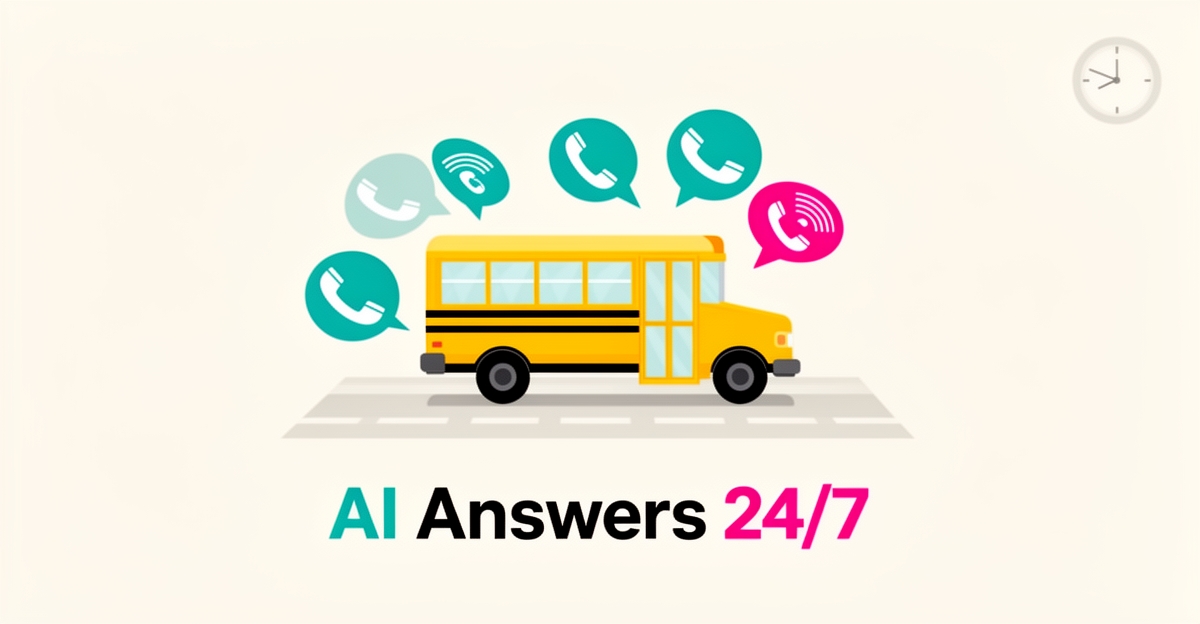
- An AI receptionist operates 24/7, ensuring parents can reach the company at any time
- AI receptionists can handle calls, texts, and messaging across multiple channels for a seamless experience
- Automating routine communication tasks reduces staff burnout and improves efficiency
- AI receptionists capture more inquiries and bookings without adding headcount
- Staff often report exhaustion after peak drop-off and pick-up windows due to communication overload
Hire a team member that works 24/7 — for less than a part-time wage.
AI receptionists, SDRs, dispatchers and 99+ roles. Trained on your business, fully managed.
Not sure where to start? Ask our AI planner
The Morning Rush: When Call Volume Exceeds Human Capacity
The school day begins long before the first bell rings, and with it comes a predictable storm of phone calls. Parents flood the lines during drop-off and pick-up windows, seeking updates on bus locations, reporting delays, or confirming schedule changes—all within a narrow timeframe that strains even the most dedicated front-office teams. This cyclical surge creates a bottleneck where hold times lengthen, messages go unanswered, and staff scramble to keep up, turning routine operations into a daily crisis of capacity.
Most school bus companies see a surge in calls during drop-off and pick-up times, which is difficult to manage with traditional staffing models designed for steady, predictable workloads. Unlike human employees who require breaks, shifts, and time off, these peak periods demand instant scalability that fixed teams simply cannot provide. The result is a system perpetually playing catch-up, where every morning and afternoon becomes a test of endurance rather than efficiency.
- Calls spike predictably during morning and afternoon school-run windows, aligning with school schedules
- Staff often juggle call handling with other duties like dispatch coordination or record-keeping
- Missed calls during peak times increase parental anxiety and erode trust in service reliability
- Overtime costs rise as staff attempt to cover gaps outside regular hours
- Inconsistent responses occur when different team members handle similar inquiries
This pattern isn't just inconvenient—it's symptomatic of a deeper mismatch between communication demand and operational design. When high call volumes and constant context switching pile up, the hidden costs accumulate: decreased morale, higher turnover, and delayed responses to urgent situations. An AI receptionist, as part of AIQ Labs' managed AI Employees model, offers a way to absorb these surges without adding headcount, ensuring every call gets answered promptly while human staff focus on higher-value tasks like route optimization and driver coordination. By aligning capacity with the natural rhythm of school transportation, companies transform a daily pain point into a streamlined, reliable touchpoint for parents and guardians.
Staff Burnout and the Hidden Cost of Communication Overload
The phone keeps ringing while dispatch is trying to keep buses on time. Office staff answer parent inquiries about delays, confirm pickups, and field emergency alerts, then return to routing calls and driver check-ins. The constant context switching is exhausting.
Handling high call volumes and managing communication processes day after day can lead to staff burnout, affecting employee morale and productivity. In school bus operations, repetitive questions about drop-off windows, route changes, and student whereabouts consume hours each day. The mental load compounds when the same staff juggling phones also support dispatch duties.
Burnout shows up first in small ways. Callers wait longer, messages get missed, and simple confirmations turn into callbacks. Over time, errors increase and morale drops. Automating routine tasks and providing 24/7 support can help reduce staff burnout and improve overall efficiency.
Replacing burnt-out employees in specialized transportation roles is costly and disruptive. Turnover means lost institutional knowledge about routes, families, and emergency protocols. Training new hires takes time that dispatch and office teams do not have during peak seasons.
An AI receptionist changes the workload distribution. It handles parent inquiries, confirmations, and non-urgent alerts 24/7 without adding headcount. That consistency protects the human team for higher-value work.
Signs the communication load has become unsustainable:
- Staff report exhaustion after peak drop-off and pick-up windows
- Call queues build while dispatch is on the line with drivers
- Increased turnover or requests for coverage in the front office
- Missed messages and repeated parent follow-ups about the same issue
An AI receptionist can operate around the clock, ensuring parents and guardians can reach the company at any time. Multi-channel support means calls, texts, and messaging are handled in one seamless experience.
AIQ Labs deploys fully managed AI employees—receptionists, dispatchers, and 99+ other roles—to ensure consistent, scalable service without hiring full-time staff. The model typically costs far less than a comparable human hire and fits inbound call management for transportation teams that need reliable phone coverage during surges and after hours. Staff stay focused on dispatch and safety while routine communication is automated.
The result is steadier morale, fewer errors, and a front office that can support operations instead of being overwhelmed by it.
The 24/7 Gap: When Parents Can't Reach You After Hours
Parents don't operate on a 9-to-5 schedule, and neither do their concerns about school transportation. When weather shifts overnight or a route changes last minute, families need immediate access to updates—yet many school bus companies remain unavailable after standard business hours. This gap in accessibility doesn't just frustrate parents; it undermines trust and raises legitimate safety questions when critical information can't be relayed in real time.
Delayed or missed communications during off-hours directly impact parental confidence in student safety protocols. School transportation providers typically see heightened inquiry volumes not only during morning drop-off but also in the evenings and on weekends when weather alerts, illness reports, or emergency adjustments arise. Without 24/7 availability, these time-sensitive messages often go unanswered until the next business day—too late for families making morning decisions.
An AI receptionist eliminates this vulnerability by providing continuous, intelligent call handling regardless of time or day. Unlike traditional staff limited to shift work, an AI employee can field calls, process route change requests, and deliver urgent alerts through voice, SMS, or chat channels without fatigue or delay. This ensures parents receive timely information when it matters most—whether it's 6 a.m. before pickup or 9 p.m. after a sudden storm warning.
For school bus companies aiming to strengthen family trust and operational resilience, closing the after-hours communication gap isn't optional—it's essential. By deploying a managed AI receptionist through AIQ Labs, providers gain a reliable, always-on frontline that supports both student safety and parental peace of mind—without adding to staff workload or overhead costs. Solutions like these are built to scale with demand, ensuring no call goes unanswered, no alert is delayed, and no family is left wondering.
Fragmented Communication Across Multiple Channels
Fragmented communication across multiple channels creates operational chaos for school bus companies trying to manage parent inquiries. When questions arrive via phone, text, email, and social media without a unified system, staff struggle to track conversations and maintain consistent responses. This disorganization leads to lost messages and delayed replies, particularly during peak drop-off and pickup times when inquiry volume spikes. Parents often find themselves repeating the same information across different platforms, which frustrates them and erodes trust in the transportation service.
The lack of channel integration directly impacts response quality and timeliness. Call surges during drop-off times become nearly impossible to manage when inquiries are scattered across disconnected platforms. Without a centralized view of all parent communications, staff miss urgent messages about schedule changes, safety concerns, or special needs accommodations. This fragmentation forces employees to constantly switch between tools, increasing cognitive load and the likelihood of errors when relaying critical information to drivers or administrators.
Parents experience significant frustration when they must repeat details like student pickup locations, allergy information, or schedule changes across multiple touchpoints. Each repetition wastes their time and creates opportunities for miscommunication that could affect student safety. An AI receptionist solves this by providing a single point of contact that intelligently routes inquiries while maintaining conversation history across all channels. This unified approach ensures parents receive consistent information regardless of how they choose to communicate, reducing repetition and building confidence in the school bus company's reliability and professionalism. For school transportation providers seeking to streamline parent communications, AIQ Labs offers managed AI employees that integrate with existing phone, text, and email systems to create a cohesive customer experience.
Implementing AI Reception: From Recognition to Resolution
When school bus companies recognize the signs that they need an AI receptionist, the next step is to move from identification to implementation with a clear, actionable plan. This begins with evaluating potential solutions based on their ability to handle the specific communication challenges unique to student transportation—such as managing high call volumes during peak drop-off and pickup windows, supporting multi-channel inquiries from parents, and integrating with existing dispatch and scheduling systems. An effective AI receptionist must be capable of operating 24/7 and handling multiple simultaneous interactions to alleviate this pressure.
Integration with existing dispatch systems is critical to maintaining service quality and safety standards. The AI receptionist should connect to current tools—such as routing software, parent communication platforms, and emergency alert systems—via secure APIs to ensure real-time data synchronization. This allows the AI to access up-to-date bus locations, schedule changes, and driver availability while logging all interactions for audit and follow-up. AIQ Labs builds these integrations as part of its AI Workflow Builds, ensuring that the AI employee works within the company's existing infrastructure without requiring disruptive overhauls. Training staff on how to monitor and escalate calls when necessary is equally important; human oversight remains essential for complex or sensitive inquiries, even as the AI handles routine tasks like confirmations, general inquiries, and non-urgent message taking.
Transitioning from manual to automated workflows should occur in phases to maintain continuity and build confidence across teams. Start by deploying the AI receptionist for after-hours coverage or overflow during peak periods, then gradually expand its responsibilities as performance metrics improve. Monitor key indicators such as call resolution rate, average response time, and staff feedback to refine the system over time. By automating routine communications, school bus companies can reduce the workload on administrative staff, helping to mitigate burnout caused by high call volumes and repetitive tasks. This shift allows human employees to focus on higher-value activities like coordinating special needs transportation, managing driver schedules, or responding to urgent safety concerns.
Throughout the implementation, maintaining compliance with student privacy regulations and transportation safety protocols is non-negotiable. The AI receptionist must be designed with guardrails that prevent unauthorized information disclosure and ensure that emergency situations are immediately flagged for human intervention. With careful planning, phased deployment, and ongoing optimization, school bus companies can transition to a more resilient communication model that enhances responsiveness, reduces operational strain, and supports safer, more reliable student transportation—all while keeping service quality at the forefront.
Still paying for 10+ subscriptions that don’t talk to each other?
We build custom AI systems you own outright. No vendor lock-in. Full control.
Not sure where to start? Ask our AI planner
Frequently Asked Questions
How does an AI receptionist handle the morning and afternoon call surges during school drop-off and pick-up times?
Can an AI receptionist really help reduce staff burnout in school bus operations?
What happens if parents need to reach the school bus company after hours or during emergencies?
Will using an AI receptionist create confusion if parents contact us through different channels like phone, text, or email?
Is it difficult to integrate an AI receptionist with our existing dispatch and scheduling systems?
How do we know if our school bus company actually needs an AI receptionist?
Turning Communication Chaos into Operational Confidence
The daily rhythm of school transportation brings predictable challenges: morning and afternoon call surges that overwhelm staff, after-hours gaps that erode parent trust, fragmented channels that create confusion, and burnout that threatens team stability. These aren't just operational hiccups—they're symptoms of a system stretched beyond its design, where reactive firefighting replaces proactive service. An AI receptionist doesn't replace your team; it amplifies their capacity by handling routine inquiries 24/7 across phone, text, and email, ensuring no parent is left waiting while dispatch focuses on safety and route integrity. By absorbing communication overload, AIQ Labs' managed AI employees free your staff to do what humans do best—solve complex problems, build relationships, and keep students moving safely. The next step isn't speculation; it's a focused conversation. Start with a 2-minute Fit Check, then book a free 30-minute strategy call to map your specific bottlenecks and see where AI can deliver measurable relief without disruption or guesswork. Questions first? Reach us at [email protected].
Make AI your competitive advantage — not just another tool.
Strategy, implementation and ongoing optimization. One partner, end to end.
Not sure where to start? Ask our AI planner