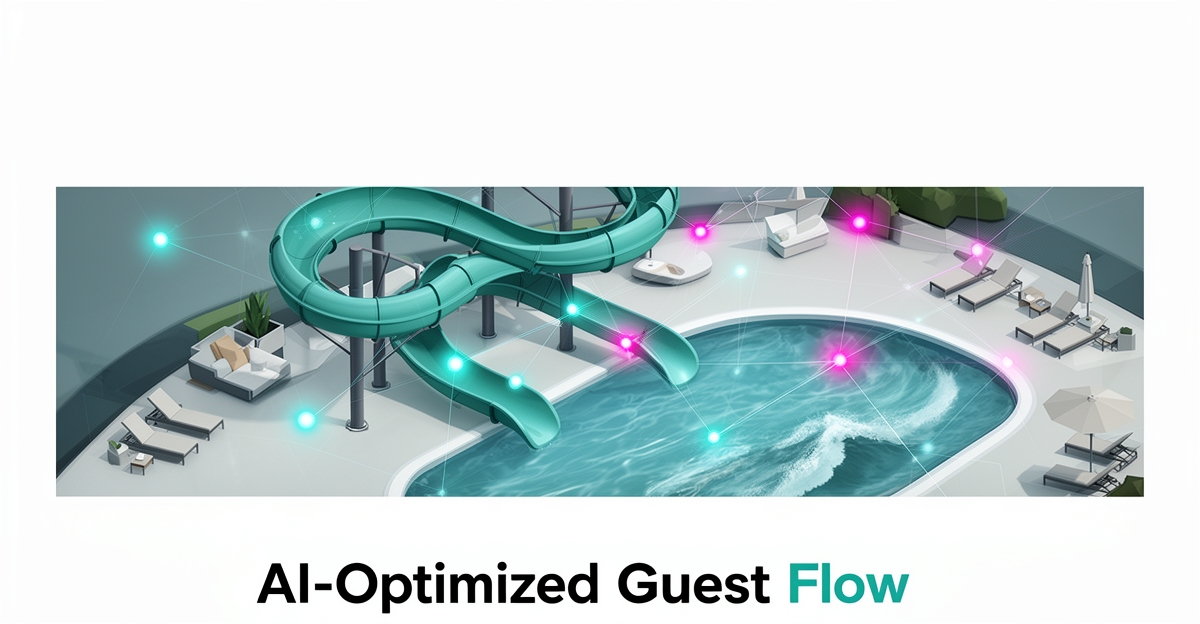
5 Signs Your Water Park Is Ready to Adopt AI for Guest Engagement
Key Facts
- Early AI adopters in amusement and theme parks typically report meaningful improvements in key operational metrics, though exact figures vary by park and implementation
- Predictive maintenance is widely used in attractions operations to anticipate mechanical issues before they cause unplanned downtime
- AI crowd flow tools help distribute guests more evenly across a park, which tends to lift satisfaction scores
- Multilingual AI chatbots commonly absorb a large share of routine guest inquiries, freeing staff for higher-value interactions
- AIQ Labs has deployed 200+ multi-agent systems and runs 4 live SaaS products daily—proof comes from working systems, not projections
- AIQ Labs builds in phases with fixed pricing, and parks own what gets built outright
Hire a team member that works 24/7 — for less than a part-time wage.
AI receptionists, SDRs, dispatchers and 99+ roles. Trained on your business, fully managed.
Not sure where to start? Ask our AI planner
Recognizing the Early Warning Signs of AI Readiness
Water parks today face mounting pressure to deliver seamless guest experiences while managing complex operations. When inconsistencies in service, slow response times, or rising costs begin to erode guest satisfaction, it's often a sign that traditional methods are no longer keeping pace with visitor expectations. These early warning signals indicate not just operational strain, but a readiness for smarter, AI-driven solutions that can transform how parks engage with guests and manage resources.
Inconsistent guest experiences—such as varying wait times, uneven service quality, or unclear communication—are among the first signs that a water park could benefit from AI adoption. Parks using AI-powered crowd flow tools can dynamically manage foot traffic and reduce bottlenecks, which tends to lift guest satisfaction scores. When guests encounter unpredictable delays or disjointed interactions, AI systems can help standardize and personalize touchpoints across the visitor journey.
Long response times to guest inquiries—whether at ride entrances, food outlets, or guest services—also signal AI readiness. Multilingual AI chatbots can handle a large share of routine inquiries instantly and accurately in multiple languages, freeing staff to focus on higher-value interactions that require human empathy and judgment. For destination parks with international visitors, around-the-clock multilingual coverage is no longer optional.
High operational costs driven by manual processes, overstaffing during low-demand periods, or reactive maintenance further highlight the need for transformation. Predictive maintenance systems anticipate mechanical issues before they disrupt operations, protecting revenue on peak days. AI-driven dynamic pricing aligns prices with real-time demand, weather, and local events, turning cost centers into strategic advantages.
Staffing burnout and low satisfaction scores often point to systemic inefficiencies that AI can help alleviate. When seasonal teams are overwhelmed by repetitive tasks or unable to meet guest needs due to outdated workflows, morale and performance suffer. AI Employees—managed AI agents that handle routine workflows like guest intake, booking, and support—work alongside human teams 24/7 without fatigue, typically at a fraction of the cost of an additional hire, reducing burnout while maintaining consistent service quality.
By recognizing these five signs early, water parks can move beyond guesswork and begin integrating AI in ways that deliver measurable improvements in guest engagement, operational efficiency, and team sustainability. The shift isn't about replacing people—it's about empowering them with intelligent tools that elevate the entire guest experience.
How AI Solves Core Water Park Challenges
Water parks that feel the friction of inconsistent experiences and stretched teams are usually the first to see measurable gains from targeted AI. The readiness signals you've noticed—staffing burnout, long response times, high operational costs—map directly to applications already delivering returns in amusement and theme parks.
Predictive maintenance turns reactive ride upkeep into a proactive system. By monitoring sensor data from water rides and attractions, AI models flag mechanical issues before failure occurs, protecting revenue on peak days and reducing guest disruption.
Crowd flow optimization addresses the inconsistency that erodes satisfaction. Computer vision and mobile app data predict real-time wait times and suggest optimal routing, distributing guests more evenly across the park while lifting ride capacity utilization.
Multilingual chatbots relieve pressure on frontline teams without adding headcount. Common inquiries about tickets, schedules, and safety rules are handled instantly in multiple languages—critical for destination parks with global visitors—freeing staff for higher-value interactions.
These three applications intersect with the five readiness signs. Inconsistent guest experiences improve when routing and maintenance are data-driven. Long response times shrink when chatbots provide 24/7 answers. High operational costs and staffing burnout ease when predictive systems reduce emergency repairs and workload.
Implementation works best when AI is integrated, not bolted on. Water parks can start with focused audits and build from there:
- Audit high-impact workflows such as maintenance logs, guest service tickets, and entry patterns
- Deploy predictive maintenance on one ride family to prove downtime reduction
- Pilot crowd flow optimization with real-time dashboards for ride capacity and wait times
- Launch a multilingual chatbot for common FAQs before expanding to bookings and support
The shift from pilots to execution matters. As enterprise AI moves past experimentation, success depends on safe, reliable deployment within existing systems. For parks showing readiness signals, the combination of predictive maintenance, crowd optimization, and multilingual service creates a practical path to more consistent guest experiences and sustainable operations.
Taking the First Steps Toward AI Transformation
Recognizing the signs is only the start. Water parks that move quickly turn readiness into results with a phased approach that limits risk and builds momentum.
Start with a workflow audit to map where inconsistency, slow response, and cost concentrate. Parks often discover high-impact, low-risk entry points such as predictive maintenance or guest service chatbots. AIQ Labs' Workflow Builds are designed exactly for this: rebuild the one workflow that costs you the most, at a fixed price, in phases.
A practical first phase focuses on visibility and quick wins. Audits reveal manual bottlenecks in ride operations, guest services, and staffing. Low-risk pilots let teams test AI in controlled environments before scaling. For example, a multilingual chatbot can handle common inquiries and improve response times while absorbing routine workload from guest services.
From there, expansion follows AIQ Labs' three entry points. AI Employees provide managed AI staff—receptionists, guest support agents, dispatchers, and 99+ other roles—working alongside seasonal teams at roughly 80% less cost than a human hire. Workflow Builds rebuild your single most expensive workflow at a fixed price. AI Operating Systems connect everything into one operating layer, built in phases and owned outright by your park. Payment models are straightforward: start monthly, build in milestones, or own it outright—no invented case-study numbers, no surprises.
A phased rollout typically includes:
- Workflow audit and readiness assessment to prioritize high-ROI, low-complexity opportunities
- Pilot deployment of a chatbot or predictive maintenance model with clear success metrics
- Integration with existing ticketing, POS, and operations systems for seamless execution
- Staff training and governance setup to support adoption and compliance
- Scale to crowd optimization and a full AI Operating System once foundations are proven
This structure mirrors how AI execution works in 2026: success depends on deploying AI safely and reliably within existing systems rather than chasing demos. AIQ Labs has deployed 200+ multi-agent systems and runs 4 live SaaS products daily—so recommendations come from systems that actually work.
Water parks that begin with audits and pilots build ownership, integration, and long-term capability. The result is consistent guest experiences, lower operational costs, and a transformation path that compounds value season after season.
Still paying for 10+ subscriptions that don’t talk to each other?
We build custom AI systems you own outright. No vendor lock-in. Full control.
Not sure where to start? Ask our AI planner
Frequently Asked Questions
What are the first signs that a water park might be ready to adopt AI for guest engagement?
How can AI improve guest satisfaction in water parks through crowd flow optimization?
Can AI chatbots really reduce the workload on guest services teams in water parks?
What kind of cost savings can water parks expect from AI-powered predictive maintenance?
Is AI adoption only about replacing staff, or does it support existing teams?
What's a practical first step for a water park looking to adopt AI without taking on too much risk?
From Readiness to Results: Your Water Park's AI Journey Starts Now
Recognizing the signs—whether it's inconsistent guest experiences, long response times, rising costs, staff burnout, or low satisfaction scores—is the first step toward meaningful change. AI isn't about replacing your team; it's about empowering them with tools that reduce repetitive work, prevent ride downtime, optimize crowd flow, and deliver instant multilingual support. These targeted improvements don't just solve today's frustrations—they build a foundation for smarter, more resilient operations season after season. The parks seeing real gains aren't chasing trends; they're starting with focused audits, piloting high-impact solutions like predictive maintenance or chatbots, and scaling what works. If your water park is showing these readiness signals, the next step is simple: take the 2-minute Fit Check at aiqlabs.ai/apply, then book a free 30-minute strategy call to map your biggest bottlenecks and see where AI can deliver the fastest, most measurable impact—without the guesswork. Prefer email? Reach the team at [email protected].
Make AI your competitive advantage — not just another tool.
Strategy, implementation and ongoing optimization. One partner, end to end.
Not sure where to start? Ask our AI planner