7 Signs Your Fleet Washing Business Needs AI for Workforce Scheduling
Key Facts
- Fleet washing businesses using manual scheduling commonly miss a significant share of inbound calls, resulting in lost revenue
- AI-powered dispatch systems answer every inbound call in seconds, capturing revenue opportunities manual processes lose
- Optimized routing typically reduces fuel consumption and vehicle wear, lowering operating costs meaningfully over a year
- Automated shift planning eliminates scheduling conflicts and last-minute gaps in fleet washing operations
- Real-time AI adjustments accommodate urgent requests without disrupting existing schedules
- AIQ Labs has deployed 200+ multi-agent systems and runs 4 live SaaS products daily
Hire a team member that works 24/7 — for less than a part-time wage.
AI receptionists, SDRs, dispatchers and 99+ roles. Trained on your business, fully managed.
Not sure where to start? Ask our AI planner
The Hidden Cost of Manual Scheduling in Fleet Washing
Manual scheduling creates costly blind spots for fleet washing businesses. When technicians aren't available or calls go unanswered, revenue slips away before the first wash even begins. These gaps compound quickly, turning operational inefficiencies into measurable financial losses.
Field service businesses that rely on phones and spreadsheets routinely miss inbound calls, directly impacting booking rates and customer trust. Each missed call represents a potential job lost to a competitor who answers faster. AI-powered dispatch systems eliminate this leakage by ensuring every call is answered in seconds, capturing opportunities that manual processes consistently overlook.
Beyond missed calls, inefficient routing and technician no-shows further erode profitability. Manual scheduling struggles to adapt to real-time variables like traffic delays, last-minute cancellations, or uneven workload distribution. This leads to technicians driving longer routes, waiting idle between jobs, or arriving late to scheduled washes—all of which increase fuel consumption and reduce daily job capacity. AI-driven scheduling optimizes these variables continuously, minimizing downtime and maximizing billable hours.
- Typically reduces fuel costs through optimized routing
- Lowers maintenance expenses with predictive vehicle care
- Recovers revenue from calls and jobs that manual scheduling loses
AIQ Labs helps fleet washing operations transition from reactive scheduling to proactive workforce orchestration. Through managed AI Employees — including AI dispatchers and schedulers — businesses gain real-time visibility into technician availability, job status, and route efficiency, turning scheduling from a cost center into a competitive advantage.
How AI-Driven Scheduling Solves Fleet Washing Inefficiencies
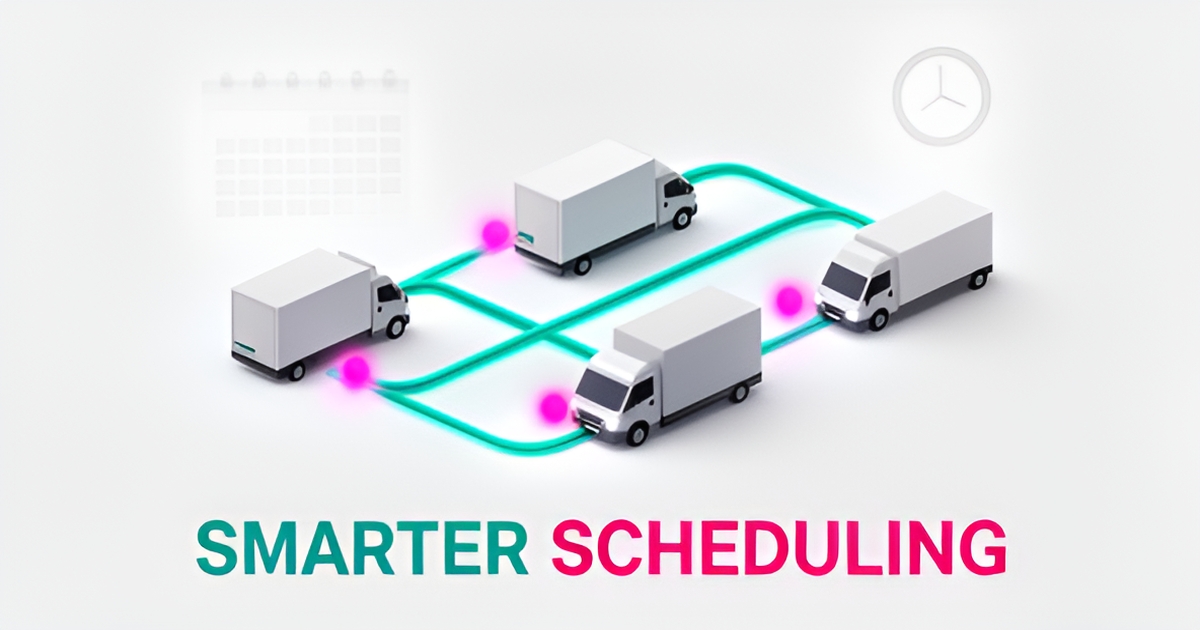
Fleet washing businesses often struggle with inconsistent technician availability and inefficient scheduling, leading to missed appointments and wasted resources. AI-driven scheduling solves these challenges by automating shift planning and optimizing technician routes in real time. By analyzing historical data, traffic patterns, and service demands, AI ensures the right technician is assigned to the right job at the right time. This reduces idle time between jobs and minimizes unnecessary travel, directly improving operational efficiency.
The savings compound across the operation. Smarter routing cuts down on mileage and wear-and-tear on vehicles. AI-powered dispatch answers every inbound call in seconds, capturing opportunities that manual scheduling often loses. And because the system learns your operation, route efficiency and job completion rates typically improve week over week rather than plateauing.
- Automated shift planning eliminates scheduling conflicts and last-minute gaps
- Route optimization reduces fuel consumption and vehicle maintenance needs
- Real-time adjustments accommodate urgent requests without disrupting the schedule
- Improved technician utilization increases daily job completion rates
- Scalable AI systems grow with your fleet, maintaining efficiency at any size
AIQ Labs builds custom AI scheduling systems that integrate with your existing tools like CRM and dispatch software. These solutions are built for long-term ownership, giving companies full control over their automation while reducing reliance on manual oversight. As field service operations become more complex, AI-driven scheduling provides a reliable foundation for consistent performance and sustainable growth.
Assessing Readiness: Is Your Fleet Washing Business Ready for AI Scheduling?
Many fleet washing businesses struggle with scheduling that feels more reactive than strategic, leading to operational friction and lost opportunities. If you're constantly firefighting appointments or noticing patterns of inefficiency, it may be time to assess whether your current process is holding you back. Recognizing the signs early can help you determine if AI-driven scheduling is the right next step for your business.
One of the clearest indicators is frequent missed appointments, which directly impact revenue and customer trust. Businesses relying on manual intake commonly miss a meaningful share of inbound calls. Another sign is inconsistent technician availability, where last-minute call-offs or no-shows disrupt carefully planned routes and leave jobs incomplete. When scheduling becomes a daily scramble rather than a predictable workflow, it's a strong signal that manual methods are no longer sufficient.
Additional signs include reactive scheduling—where you're always responding to problems instead of preventing them—and difficulty scaling operations as demand grows. If your team spends excessive time coordinating shifts, managing last-minute changes, or dealing with inefficient routes, these inefficiencies compound over time. AI-powered scheduling can help by optimizing routes, reducing downtime, and improving operational efficiency, allowing your business to handle more jobs with fewer disruptions.
- Frequent missed appointments leading to lost revenue
- Inconsistent technician availability disrupting schedules
- Reactive scheduling instead of proactive planning
- Excessive time spent on manual coordination
- Difficulty scaling operations due to scheduling bottlenecks
If several of these signs resonate with your experience, your fleet washing business may be ready for AI scheduling. AIQ Labs helps businesses like yours assess readiness and implement custom AI systems that automate shift planning, reduce inefficiencies, and create a more resilient operation—owned entirely by you, with no vendor lock-in. Taking the first step toward smarter scheduling starts with understanding where your current process falls short and where AI can make the most immediate impact.
Implementing AI Scheduling: From Assessment to Ongoing Optimization
Moving from recognition to action requires a structured approach that minimizes disruption while maximizing results. AIQ Labs follows a phased deployment methodology that aligns with how field service operations actually run—starting with discovery, not disruption.
The first step is a thorough assessment of your current scheduling workflow. Map every touchpoint: how calls come in, how technicians are assigned, where routes break down, and which jobs consistently run over. Missed inbound calls are one of the most common revenue leaks in field service, and manual processes cannot plug them. Document these gaps before evaluating any tool.
Next, select an AI solution built for field service complexity—not a generic calendar app. The right system handles multi-technician dispatch, real-time route optimization, and customer communication across voice, SMS, and email. Properly integrated AI scheduling typically reduces fuel and maintenance costs by cutting unnecessary mileage and vehicle wear. Look for platforms that connect to your existing CRM, dispatch board, and GPS tools via API.
- Audit current call volume, missed appointments, and technician utilization rates
- Define must-have integrations: CRM, dispatch software, GPS, payment processing
- Prioritize solutions with 24/7 voice capability and multi-channel customer outreach
- Verify the vendor offers ongoing training and performance monitoring, not just installation
Deployment works best in phases. Start with a single crew or service line, run parallel with existing processes for two weeks, then expand. AIQ Labs offers three ways to engage: Start Monthly (deploy an AI Dispatcher or Scheduler with a flat monthly cost below a part-time hire—build, training, integrations, and ongoing optimization included), Build in Milestones (rebuild the one workflow that costs you the most at a fixed price), or Own It Outright (a connected AI operating layer built in phases and owned entirely by you). Pause or adjust anytime as you validate results.
Finally, treat optimization as continuous, not a one-time event. Review weekly: route efficiency, first-time fix rates, customer no-shows, and technician feedback. The goal isn't automation for its own sake—it's a system that learns your operation and gets sharper every week.
Still paying for 10+ subscriptions that don’t talk to each other?
We build custom AI systems you own outright. No vendor lock-in. Full control.
Not sure where to start? Ask our AI planner
Frequently Asked Questions
How much money can AI scheduling save my fleet washing business each year?
What percentage of calls are fleet washing businesses missing with manual scheduling?
Can AI really reduce fuel and maintenance costs for my fleet washing trucks?
Is AI scheduling too complex or expensive for a small fleet washing business?
How long does it take to implement AI scheduling in my fleet washing operation?
What if my team resists switching from manual scheduling to AI?
Turn Scheduling Gaps into Growth Opportunities
When missed calls, inefficient routing, and technician no-shows eat into your bottom line, it's clear that manual scheduling isn't just inconvenient—it's costly. AI-driven scheduling turns these pain points into measurable gains: capturing every inbound call, optimizing routes to cut fuel and maintenance spend, and freeing up technicians to complete more jobs each day. The result isn't just smoother operations—it's a scalable system that grows with your fleet while reducing reliance on reactive firefighting. If you're seeing the signs—frequent missed appointments, scaling challenges, or crews spending more time coordinating than washing—it's time to act. Start with the 2-minute Fit Check, then book a free 30-minute strategy call to map your biggest bottlenecks and see how AIQ Labs can build a custom scheduling system you own, with no vendor lock-in and ongoing optimization included. Questions first? Reach us at [email protected].
Make AI your competitive advantage — not just another tool.
Strategy, implementation and ongoing optimization. One partner, end to end.
Not sure where to start? Ask our AI planner