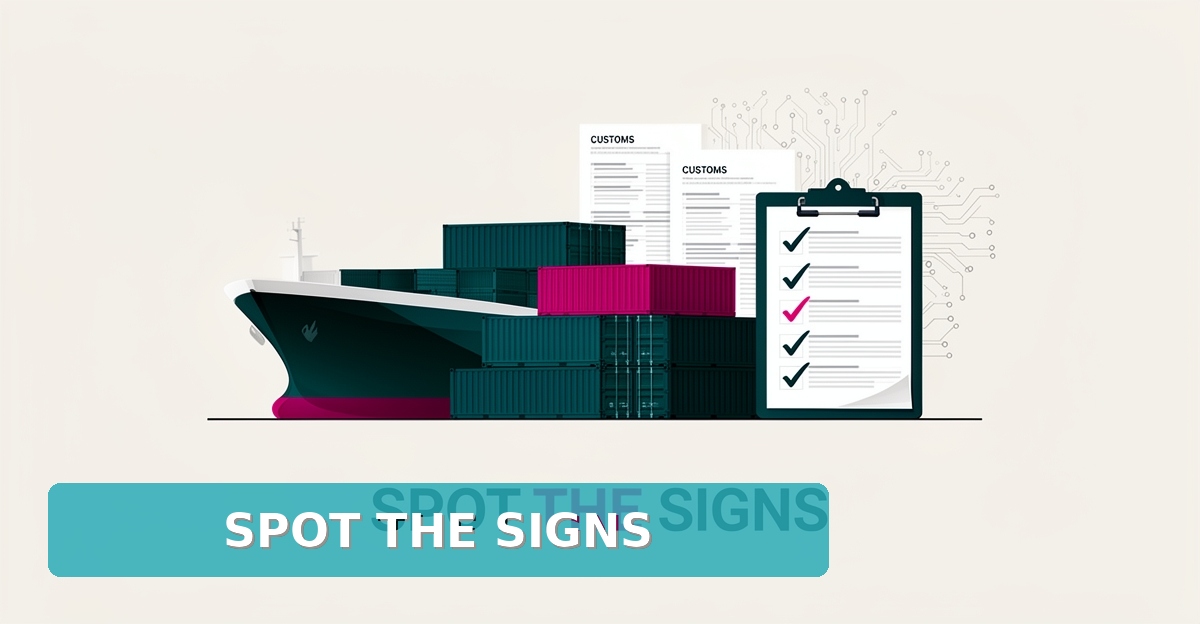
7 Signs Your Import Auto Business Needs AI for Document Processing & Compliance
Key Facts
- Well-implemented AI document processing can substantially reduce manual processing costs while improving accuracy, according to market research.Intelligent Document Processing deployments commonly report strong first-year returns driven by labor savings and efficiency gains, industry analysis shows.
- Automated extraction and validation typically cut document error rates significantly compared to manual processing.
- A large majority of automotive dealers are planning AI investments to boost efficiency and profitability, surveys indicate.
- Importers use AI to extract emissions data across many global jurisdictions for faster regulatory compliance, per industry reports.
- AIQ Labs has deployed 200+ multi-agent systems and runs 4 live SaaS products daily—real operational experience, not theory.
Hire a team member that works 24/7 — for less than a part-time wage.
AI receptionists, SDRs, dispatchers and 99+ roles. Trained on your business, fully managed.
Not sure where to start? Ask our AI planner
The Hidden Cost of Manual Document Processing in Auto Imports
Manual document processing in auto imports creates a cascade of hidden costs that silently erode profitability. Customs forms, inspection reports, and compliance documentation require meticulous manual handling, leading to frequent errors and significant delays at port and regulatory checkpoints. These inefficiencies compound as staff spend excessive time on repetitive data entry and verification tasks, diverting focus from strategic operations.
Industry research suggests that intelligent document processing can deliver major cost reductions by eliminating manual bottlenecks and streamlining workflows. Automated data extraction and validation typically lowers error rates substantially, and accuracy improves when AI handles structured and unstructured documents. These improvements directly impact clearance times and reduce the risk of costly compliance penalties.
- Increased labor costs from overtime and rework due to documentation errors
- Delayed shipments causing storage fees and disrupted supply chains
- Higher risk of noncompliance fines from inaccurate or missing declarations
- Reduced staff capacity for value-added activities like vendor negotiation or market analysis
- Inconsistent audit trails complicating regulatory inspections and internal reviews
AIQ Labs addresses these challenges through [AI Workflow Builds](/workflow-builds)—a fixed-price engagement that rebuilds the one workflow costing you the most, phased so you see value early. By transforming manual document processes into intelligent workflows, import auto businesses reclaim operational efficiency and position themselves for scalable growth in a competitive global market.
How AI Document Processing Solves Compliance Bottlenecks
Customs forms, inspection reports, and compliance certificates pile up fast in import auto operations, and manual handling creates delays at port and regulatory checkpoints.
Intelligent Document Processing automates the entire chain from data extraction to verification and tracking. IDP solutions extract structured insights from unstructured documents, reducing operational overhead and gaining a competitive edge in a rapidly digitizing market. Industry research indicates IDP deployments commonly deliver strong first-year returns, driven largely by labor cost savings and efficiency gains.
Accuracy and speed improve at the same time. The same market analysis points to substantial cost reductions, significantly lower error rates, and high extraction accuracy. For import auto businesses, that means fewer rejected submissions, faster release times, and auditable trails for regulators.
Generative AI adds a layer of contextual automation on top of extraction. Automotive trend reporting notes generative AI can now produce short, context-aware summaries tailored to a technician's role or specific component, dramatically reducing time spent searching for relevant information. It is also used to automate recall notice triage, extract key instructions, and auto-generate service alerts or customer notifications based on VIN or geography.
Regulatory reporting becomes continuous rather than reactive. Manufacturers and importers now rely on intelligent document processing to extract emissions data across dozens of global jurisdictions, accelerating submissions to regulatory bodies and reducing the risk of noncompliance. Parseur coverage highlights AI-powered tools that help auto brands generate and validate EV documentation templates that vary by region and program requirements.
In practice, AI document processing solves bottlenecks by:
- Automating data capture from customs forms, bills of lading, and inspection reports with high extraction accuracy
- Verifying compliance fields against jurisdiction-specific rules in real time
- Tracking regulatory submissions and audit trails across port and regulatory stages
- Triggering alerts for missing documents or mismatched VIN, emissions, and safety data
For businesses that want document processing to be part of a connected operation rather than a standalone fix, AIQ Labs' [AI Operating Systems](/ai-operating-systems) build one operating layer across your workflows—delivered in phases and owned outright. The result is a compliance workflow that is faster, auditable, and scalable without adding headcount.
When extraction, verification, and tracking run automatically, teams focus on exceptions instead of paperwork, and compliance risk drops as throughput rises.
From Detection to Deployment: Implementing AI in Your Import Workflow
Document bottlenecks at port and during regulatory review are where import auto margins erode fastest. Manual handling of customs forms, inspection reports, and compliance certificates creates delays, rework, and exposure to noncompliance.
Start by mapping the document lifecycle from arrival to clearance. Identify every form, certificate, and report that requires data entry, verification, or archiving. Track handoffs between teams, average processing time, and error-related rejections. This baseline reveals the highest-cost friction points and the compliance risks tied to them.
With the map in place, define what automation must achieve for your operation. Prioritize accuracy, auditability, and integration with existing port systems, ERP, and regulatory portals. True ownership of the system matters for import businesses that face changing jurisdictional rules, because you need control over customization and data retention without vendor lock-in.
Selection should be guided by proven document processing outcomes, not generic AI claims. Look for vendors who can show real deployments, clear pricing, and a delivery model that keeps control with your business. AIQ Labs has deployed 200+ multi-agent systems and runs 4 live SaaS products daily—so the recommendations you get are grounded in daily operational reality, not slideware.
AIQ Labs builds custom document management systems that ensure accuracy and reduce delays at port and regulatory stages. The implementation process follows a structured discovery-to-deployment path that reduces risk and keeps control with the business. Payment is milestone-based: you approve each phase before the next begins—no surprise invoices, no open-ended retainers.
A practical rollout for import auto workflows looks like this:
- Discovery & Architecture: Process analysis, data inventory, and solution design aligned to compliance requirements
- Build & Integration: Custom extraction models for customs forms and inspection reports, with two-way API integration to existing systems
- Validation & Training: Accuracy testing against real documents, role-based training, and audit trail setup
- Deployment & Optimization: Production go-live with monitoring, continuous improvement, and governance controls
Integration is critical. AI must read incoming PDFs and images, extract structured fields, verify against rules, and push validated data to compliance and inventory systems. Generative AI can now produce short, context-aware summaries tailored to a technician's role or the specific component involved, dramatically reducing the time spent searching for relevant information.
Governance is built in from the start. Every extraction is logged, every decision is traceable, and human-in-the-loop controls are configurable for high-risk documents. This mirrors how AI is already used to extract emissions data across many global jurisdictions, accelerating submissions to regulatory bodies and reducing the risk of noncompliance.
When the system is owned outright, the business controls future enhancements, data residency, and compliance updates. That ownership model, combined with milestone-based payments, lets import auto teams scale AI for document processing without subscription dependency or loss of control. See the full [payment models](/pricing) for how Start Monthly, Build in Milestones, and Own It Outright work.
From Paperwork Bottleneck to Competitive Advantage
The signs are hard to ignore: rising labor costs from rework, shipments stalled at port, compliance fines from inaccurate declarations, and staff buried in data entry instead of growing the business. As this article has shown, intelligent document processing can substantially cut processing costs, lower error rates, and deliver the accuracy your compliance workflow needs—with industry research pointing to strong first-year returns. With a large majority of dealers already planning AI investments, the gap between manual and automated operations will only widen. The path forward starts with mapping your document lifecycle from arrival to clearance, identifying your highest-cost friction points, and choosing a system you own outright—one that adapts as jurisdictional rules change, without vendor lock-in. AIQ Labs builds custom document management systems that automate extraction, verification, and compliance tracking from port to final delivery. Start with the two-minute [Fit Check](/apply), then book a free 30-minute strategy call to map your biggest bottleneck. If there isn't a clear win, we'll tell you that too—no obligation, just clarity.
Make AI your competitive advantage — not just another tool.
Strategy, implementation and ongoing optimization. One partner, end to end.
Not sure where to start? Ask our AI planner