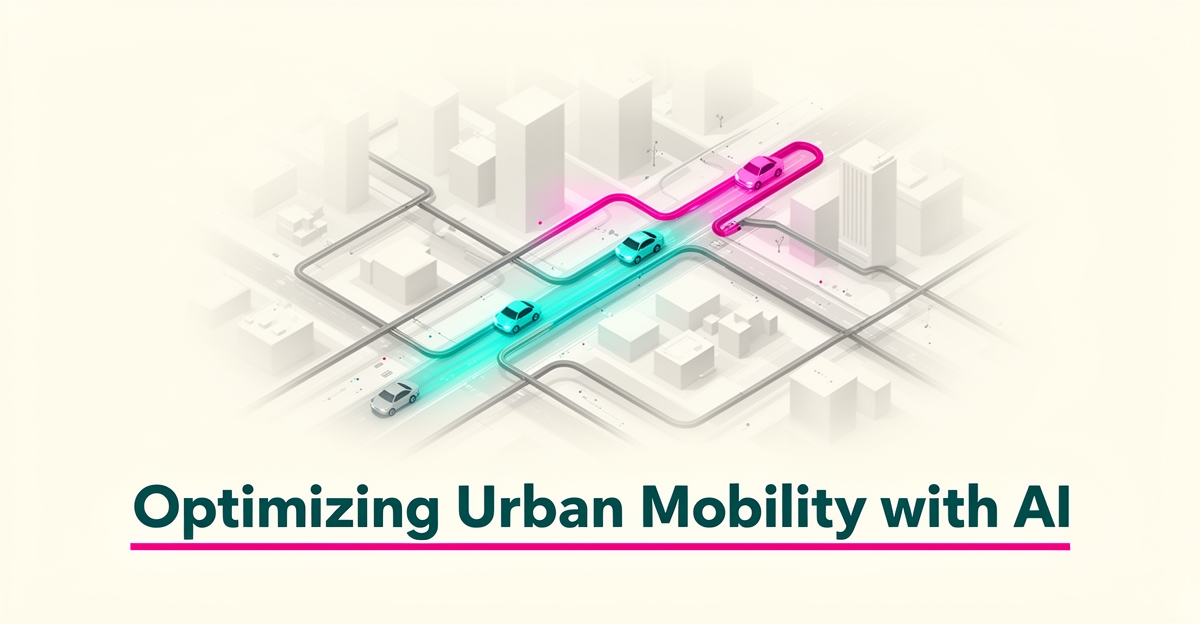
7 Signs Your Rideshare Fleet Is Ready for AI-Driven Route Optimization
Key Facts
- Industry research suggests manual route planning can waste a significant share—often cited around 25%—of fuel budgets according to industry analysis
- AI-driven optimization is typically associated with 10-20% fuel savings and 10-15% delivery time improvements per recent industry studies
- A majority of large organizations are projected to adopt AI-based demand forecasting by 2030 as projected
- AI-powered route optimization has been credited with delivery time improvements of up to 22% per fleet management research
- Harsh braking events can be reduced by up to 30% with AI-driven optimization per industry research
- Fleets have reported transportation cost reductions of 15-25% through AI route optimization per industry research
- AI-powered optimization reduces idle time and improves driver satisfaction per fleet management insights
Hire a team member that works 24/7 — for less than a part-time wage.
AI receptionists, SDRs, dispatchers and 99+ roles. Trained on your business, fully managed.
Not sure where to start? Ask our AI planner
The Hidden Cost of Manual Dispatch: When Human Planning Hits Its Ceiling
Manual dispatch systems create operational blind spots that scale poorly as fleet size increases. When routing relies on spreadsheets and driver intuition, inefficiencies compound rapidly—especially during peak demand periods. What works for a small fleet becomes a liability when managing dozens or hundreds of vehicles, where human planners cannot process real-time variables like traffic congestion, passenger clustering, or weather disruptions at scale.
Industry research suggests that manual route planning can waste as much as 25% of fuel budgets due to suboptimal paths, unnecessary detours, and prolonged idle time waiting for pickups. This isn't just a cost issue—it creates a cascade of operational waste: drivers spend more time circling blocks or idling in low-demand zones, increasing vehicle wear and reducing available capacity for revenue-generating trips. These inefficiencies are invisible in manual systems until they erode profitability.
The tipping point occurs when empty miles and idle time begin to dominate operational metrics. Fleets relying on human planning often overlook how 10-20% fuel savings could be reclaimed through dynamic rerouting based on live demand signals. Without AI, dispatchers react to problems after they occur—instead of preventing them—leading to longer wait times, frustrated passengers, and drivers burning fuel while waiting for the next ride request. These blind spots grow worse as fleet complexity increases, making manual oversight not just inefficient but actively detrimental to performance.
AIQ Labs addresses this gap through AI Workflow Builds that rebuild your dispatch workflow around systems that learn from historical patterns and passenger demand to optimize routes in real time. Unlike static spreadsheets, these systems continuously adjust for variables like event-driven surges or road closures, reducing deadhead miles and improving asset utilization. The result is a dispatch function that scales with the fleet—not against it—turning what was once a cost center into a source of operational resilience.
Missed Windows and Mounting Complaints: The Customer Experience Red Flags
A single missed pickup window might seem like a minor hiccup, but when passengers start noticing a pattern, your fleet's reputation takes the hit. In the competitive rideshare market, on-time performance isn't just a metric—it's the difference between a loyal customer and a lost one.
The problem compounds quickly. Passengers who experience repeated delays don't just complain to your support team; they leave negative reviews, switch to competitors, and share their frustration on social media. According to fleet management research, AI-powered route optimization has been credited with a 22% improvement in delivery times—a figure that directly translates to fewer missed windows and shorter passenger wait times.
The root cause is often invisible to fleet managers. Drivers aren't deliberately running late; they're fighting inefficient routes, unexpected traffic, and scheduling gaps that manual dispatch systems simply can't anticipate. When your routing logic can't account for real-time variables, even your best drivers end up apologizing to frustrated passengers.
Here's what the complaint cycle typically looks like in a fleet that hasn't optimized its routing:
- Passengers report longer-than-expected wait times during peak hours
- Drivers arrive outside scheduled pickup windows due to back-to-back trip conflicts
- Support tickets spike around specific times or zones where routing breaks down
- Driver satisfaction drops as they absorb passenger frustration they didn't cause
- Repeat booking rates decline in your highest-demand service areas
Each of these signals points to the same underlying issue: your routing system can't keep pace with real-world complexity. Industry analysis shows that AI-driven optimization is typically associated with 10-15% delivery time improvements, which in a rideshare context means passengers get picked up closer to their requested time, more consistently.
The retention math is straightforward. When passengers trust that your fleet will arrive on time, they book again. When they don't, they open a competitor's app. On-time performance is a retention metric, and every missed window chips away at the brand equity you've worked to build.
This is where purpose-built AI systems make a measurable difference. Rather than relying on static route assignments, AI-driven optimization continuously recalculates the best driver-passenger matches based on live conditions. AIQ Labs builds custom systems that learn from your fleet's specific patterns—driver behavior, demand hotspots, historical traffic data—so routes improve over time rather than stagnating.
The driver experience matters here too. When drivers spend less time stuck in avoidable traffic or scrambling to make impossible back-to-back pickups, their job satisfaction improves. Research on AI route optimization indicates that fleets have reported transportation cost reductions of 15-25%, partly because happier drivers operate more efficiently and stay with the company longer.
If your complaint logs are trending upward and your on-time percentage is slipping, your fleet is telling you something. The routing methods that got you here won't get you where your customers expect you to be.
Driver Behavior Gaps: Safety, Efficiency, and the Training Void
Unmonitored driving patterns silently erode fleet performance, turning everyday habits into costly inefficiencies. Harsh braking, excessive idling, and inconsistent route choices compound fuel waste while increasing accident risk—problems manual oversight struggles to catch in real time. According to industry research, as much as 25% of a fleet's fuel budget can be wasted due to manual route planning, much of it stemming from these avoidable behaviors. Without visibility into how drivers actually operate, fleets miss critical opportunities to correct unsafe or inefficient practices before they scale.
AI-driven route optimization closes this feedback loop by continuously analyzing telematics data to identify behavioral gaps and deliver immediate, personalized coaching. Systems detect patterns like rapid acceleration, prolonged stops, or deviations from optimized paths—then prompt drivers with corrective feedback before habits become entrenched. This real-time intervention has been shown to reduce harsh braking events by up to 30% and improve route adherence, directly cutting fuel consumption. As noted in fleet management insights, AI-powered optimization is typically associated with 10-20% fuel savings and 10-15% delivery time improvements by aligning driver behavior with operational goals.
- Real-time alerts for harsh braking and acceleration
- Idle time tracking with contextual recommendations
- Route deviation warnings with re-optimization prompts
- Safety scoring based on monitored driving habits
- Personalized coaching triggers tied to performance thresholds
Unlike periodic reviews or supervisor spot checks, AI provides consistent, objective monitoring that scales across entire fleets without bias. It transforms subjective observations into measurable metrics—turning driver behavior from a hidden liability into a lever for efficiency and safety. For rideshare operations aiming to reduce empty miles and improve driver satisfaction, this level of behavioral intelligence isn't just helpful—it's foundational. AIQ Labs integrates these capabilities into custom route optimization systems that learn from your fleet's unique patterns, ensuring interventions are relevant, actionable, and continuously improving. By closing the gap between intention and execution, AI turns driver behavior into a predictable, optimizable asset rather than a variable risk.
Scaling Pain: Why Adding Vehicles Magnifies Routing Inefficiencies
As your fleet grows, the complexity of managing routes doesn't just increase—it multiplies. Each additional vehicle introduces new variables: shifting traffic patterns, fluctuating demand zones, and overlapping driver schedules that exponentially expand the routing problem space. Manual planning simply cannot keep pace with this nonlinear surge in decision points, leading to compounding inefficiencies that erode profitability.
This scaling pain manifests in tangible operational drag. Fleets experience more idle time as drivers circle waiting for poorly matched ride requests, inefficient pickups that detour through low-demand areas, and increased empty miles that directly drain fuel budgets. Industry research suggests manual route planning can waste up to 25% of the fuel budget—a figure that balloons as fleet size grows without intelligent optimization. These inefficiencies aren't just costly; they frustrate drivers and degrade the rider experience, creating a vicious cycle of dissatisfaction and churn.
The industry is already moving beyond manual methods. A significant share of large organizations—70% by some projections—is expected to adopt AI-based demand forecasting by 2030, signaling that static, human-driven routing is becoming obsolete at scale. For rideshare fleets facing growth pressures, this marks a critical inflection point: continuing to scale with manual processes guarantees diminishing returns, while AI-driven route optimization offers a path to manage complexity without sacrificing efficiency. AIQ Labs helps fleets navigate this transition—whether through a focused workflow rebuild or a full AI Operating System that connects dispatch, scheduling, and demand planning in one layer you own outright—turning scaling pain into scalable advantage.
From Assessment to Autonomous-Ready: Your Implementation Roadmap
When your rideshare fleet shows signs of readiness—like frequent idle time or inefficient pickups—it's time to move from assessment to autonomous-ready execution. A structured implementation roadmap ensures AI-driven route optimization delivers measurable gains without disruption.
Start by auditing your current routing data to identify inefficiencies, such as the fuel budget share—often cited around 25%—typically wasted under manual route planning according to industry research. This baseline analysis reveals opportunities where AI can reduce empty miles and improve driver satisfaction by learning behavior and demand patterns.
Next, choose a build approach that integrates with your existing dispatch and telemetry systems. AIQ Labs builds production-ready systems you own outright—no vendor lock-in—connecting to your CRM, scheduling, and payment tools so your data and workflows stay yours. Payment is structured in milestones, so you pay for working software at each phase, not promises.
Pilot the system in a single depot or zone to validate performance, targeting the 10-20% fuel savings and 10-15% delivery time improvements typically seen with AI-driven optimization per recent industry studies. Use this phase to refine exception handling and train dispatchers on monitoring AI-generated routes while retaining override authority for edge cases.
Finally, expand incrementally across the fleet, layering in AI Employees—such as an AI Dispatcher that handles real-time adjustments, rebooking, and passenger communication around the clock at a fraction of the cost of a human hire. This phased approach—audit, integrate, pilot, train, scale—positions your fleet for autonomous readiness while building internal confidence in AI as a long-term operational advantage.
Still paying for 10+ subscriptions that don’t talk to each other?
We build custom AI systems you own outright. No vendor lock-in. Full control.
Not sure where to start? Ask our AI planner
Frequently Asked Questions
How much fuel is wasted with manual route planning?
Can AI route optimization actually improve on-time performance for passengers?
What are the signs my rideshare fleet needs AI-driven routing?
How does AI help with driver behavior and safety issues?
Is AI route optimization worth it for a growing fleet, or just for large operations?
How do we implement AI route optimization without disrupting operations?
From Reactive Dispatch to Proactive Growth: Your Fleet's Next Move
The signs are clear: rising idle time, missed pickup windows, driver frustration, and scaling inefficiencies aren't just growing pains—they're signals that manual routing has hit its limits. AI-driven route optimization turns these challenges into opportunities, reclaiming wasted fuel spend, improving on-time performance, and aligning driver behavior with safety and efficiency goals. For rideshare fleets ready to scale smarter, the path forward starts with understanding where AI delivers the highest ROI. Take the first step with the two-minute Fit Check, then a free, no-obligation strategy call to map your fleet's biggest bottlenecks and see how custom AI systems can turn routing from a cost center into a competitive advantage—owned outright, with no vendor lock-in and no guesswork.
Make AI your competitive advantage — not just another tool.
Strategy, implementation and ongoing optimization. One partner, end to end.
Not sure where to start? Ask our AI planner