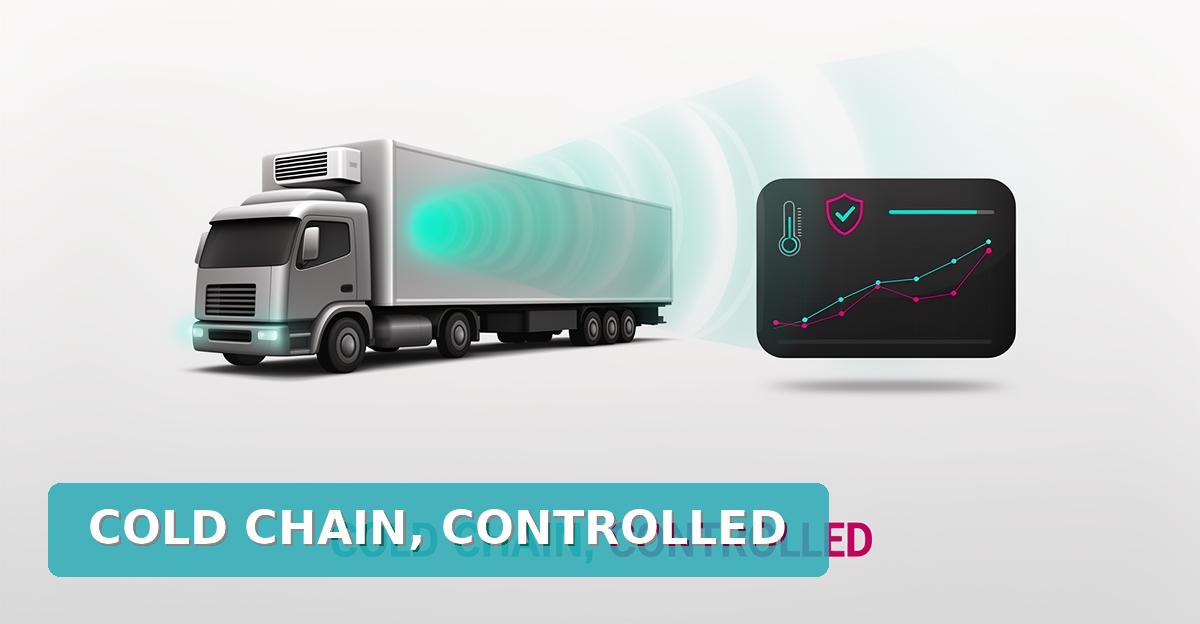
7 Ways AI Can Improve Cold Chain Compliance in Refrigerated Trucking
Key Facts
- AI-powered monitoring can dramatically reduce spoilage rates in refrigerated trucking by catching temperature deviations in real time
- AI automation typically reduces operational costs for cold chain fleets through less manual logging and fewer compliance rework cycles
- Refrigeration is typically the largest electricity consumer in cold storage facilities, making energy optimization a major cost lever
- A two-degree temperature excursion can render an entire pharmaceutical shipment useless
- AI creates tamper-evident audit trails for FDA, DOT, and state-specific regulations
- AIQ Labs has deployed 200+ multi-agent systems and runs 4 live SaaS products daily
Hire a team member that works 24/7 — for less than a part-time wage.
AI receptionists, SDRs, dispatchers and 99+ roles. Trained on your business, fully managed.
Not sure where to start? Ask our AI planner
The Compliance Risk in Refrigerated Trucking
A single temperature excursion can erase an entire load and trigger a regulatory audit. In refrigerated trucking, compliance is not a paperwork exercise; it is continuous control under FDA, DOT, and state-specific rules where gaps are costly and visible.
Cold chain failures start with exposure. A fluctuation of just two degrees, known as a temperature excursion, can render an entire shipment of pharmaceuticals useless, resulting in losses that can reach into the millions of dollars. Spoilage risk compounds when manual logs miss deviations, driver hours are recorded late, and delivery confirmations rely on paper signatures.
Manual logging creates the compliance exposure regulators target. Drivers transcribe readings, dispatchers reconcile sheets, and managers compile reports after the fact. Human error, delayed entry, and incomplete records leave audit trails with gaps that FDA and DOT inspections flag as non-compliance. The risk is operational as well as regulatory.
Energy waste signals deeper inefficiency. Refrigeration typically consumes the largest share of electricity in cold storage facilities. Without real-time oversight, units run over-cooled, doors stay open, and excursions go unnoticed until product is compromised.
The financial impact is measurable. Fleets that automate monitoring typically see meaningful reductions in spoilage and operational costs. Those savings accrue from fewer rejected loads, less emergency rework, and tighter energy use.
Compliance risk concentrates in three recurring failure points:
- Temperature excursions logged late or not at all, breaking the chain of custody for FDA-regulated goods
- Driver hours and Hours-of-Service records entered manually, creating DOT audit exposure
- Delivery confirmations and temperature proofs stored inconsistently, weakening legal defensibility
AI shifts monitoring from reactive to proactive. Automated logging of temperature deviations, driver hours, and delivery confirmations creates a continuous, tamper-evident record that aligns with regulatory expectations. AIQ Labs builds these proactive monitoring layers with full audit trails and reporting for FDA, DOT, and state-specific rules — most often as a focused Workflow Build or a broader AI Operating System.
The problem is not a lack of data. It is the speed and reliability with which data is captured, validated, and presented when an inspector asks for proof.
How AI Creates a Proactive Compliance Layer
Compliance failures in refrigerated trucking rarely announce themselves until a shipment is lost. AI shifts oversight from reactive paperwork to continuous, automated verification that captures deviations the moment they occur.
AI-driven monitoring replaces manual logs with real-time capture of temperature, hours-of-service, and proof-of-delivery. Systems automatically log temperature deviations, driver hours, and delivery confirmations for FDA, DOT, and state-specific regulations, creating an immutable audit trail without dispatcher intervention. This proactive compliance layer reduces human error and ensures records are complete when inspectors request them.
The efficiency gains are real. AI automation typically reduces operational costs by cutting manual logging and compliance rework cycles, while real-time deviation alerts protect high-value loads where a fluctuation of just two degrees can render pharmaceuticals useless.
Cost reduction extends beyond labor. Energy optimization is a core compliance enabler because stable temperatures reduce excursions. Refrigeration is typically the dominant electricity consumer in cold storage facilities, and AI-driven optimization can cut that consumption meaningfully. Lower energy use supports consistent thermal control and fewer deviation events.
Customer satisfaction improves when visibility becomes standard. Real-time updates on shipment status and temperature control reduce inbound inquiries and build trust with shippers who require documented chain-of-custody. AI replaces outdated manual oversight with proactive, data-driven precision.
A proactive compliance layer typically includes:
- Continuous temperature monitoring with instant alerts and automatic deviation logging
- Driver hours tracking integrated with ELD data and automatic HOS compliance reporting
- Delivery confirmation capture with geotagged photos, timestamps, and electronic signatures
- Centralized audit trails and reporting for FDA, DOT, and state-specific regulations
For SMB carriers, this approach typically delivers strong ROI through combined savings and revenue growth from better service. AIQ Labs implements this compliance monitoring with full audit trails and reporting that businesses own outright — under Build in Milestones or Own It Outright payment models.
7 AI-Powered Compliance Improvements for Fleets
A single two-degree temperature excursion can render an entire pharmaceutical shipment useless, resulting in losses that can reach millions of dollars. That's the stakes landscape refrigerated trucking fleets operate in — and it's why AI has moved from nice-to-have to operational necessity for cold chain compliance.
Here are the seven practical applications transforming how fleets stay compliant and competitive.
1. Real-Time Temperature Monitoring
Traditional fleets rely on manual checks and periodic thermometer readings, which catch problems only after they've caused damage. AI-powered systems track temperature deviations continuously and alert drivers instantly, enabling intervention before a load is lost. Operations with automated monitoring typically report substantial reductions in spoilage rates.
2. Automated Inventory Tracking
Manual inventory tracking is labor-intensive and error-prone. AI systems automate tracking and management end-to-end, reducing human error while freeing staff for higher-value work — one reason AI automation typically lowers operational costs.
3. Predictive Maintenance
Scheduled maintenance follows the calendar; predictive maintenance follows the equipment. Machine learning and smart analytics enable fleets to move beyond traditional time-based maintenance toward practical, data-driven control solutions that catch failures before they cause downtime and temperature losses.
4. Route Optimization
Static routing locks fleets into fixed paths regardless of conditions. AI-driven dynamic routing reduces fuel consumption and emissions while keeping time-sensitive, temperature-controlled freight on schedule.
5. Compliance Monitoring
This is where AI delivers some of its greatest value for refrigerated carriers. AI acts as a proactive monitoring layer that automatically logs temperature deviations, driver hours, and delivery confirmations — creating the documentation FDA, DOT, and state-specific regulators demand. Instead of reconstructing records after an audit, fleets maintain full audit trails and reporting continuously. AIQ Labs builds these compliance-first systems with complete logging designed for regulated environments.
6. Energy Optimization
Refrigeration is typically the largest electricity consumer in cold storage facilities. AI-driven energy optimization can cut that consumption meaningfully, directly lowering one of a fleet's and facility's largest operating expenses.
7. Real-Time Customer Updates
Shippers and receivers increasingly expect visibility, not silence. AI provides real-time updates on shipment status and temperature control, improving the customer experience and reducing disputes over damaged or spoiled products. Combined savings and improved service can generate strong ROI.
Traditional vs. AI-Driven Methods at a Glance
- Manual temperature monitoring → AI-powered real-time monitoring
- Manual inventory tracking → Automated AI tracking
- Scheduled maintenance → Predictive maintenance
- Static routing → Dynamic routing
- Manual compliance monitoring → AI-powered compliance monitoring
For fleets still relying on clipboards and static controls, the compliance gap is widening daily. The fix doesn't require a full overhaul — many carriers start by rebuilding the single workflow that costs them the most, then expand.
From Pilot to Production: Implementing AI Compliance
Moving from a successful AI pilot to full-scale production requires careful planning and integration with existing refrigerated trucking operations. This phase focuses on ensuring that AI systems not only demonstrate value in controlled tests but also deliver consistent, reliable performance across daily workflows while maintaining full regulatory traceability.
The implementation begins with a thorough assessment of current systems, including telematics, electronic logging devices (ELDs), and temperature monitoring hardware, to identify seamless integration points. AIQ Labs builds custom AI agents that connect directly to these tools via API, enabling real-time data ingestion without disrupting established processes. This approach supports true ownership, allowing operators to retain full control over their data and AI logic.
Governance is critical at this stage, particularly for compliance with FDA, DOT, and state-specific regulations. AI systems must generate immutable audit trails that log temperature deviations, driver hours, and delivery confirmations with timestamped precision. These records support both internal quality checks and external inspections, reducing the risk of penalties or shipment rejections. Human-in-the-loop controls ensure that critical decisions—such as rerouting due to a temperature excursion—are reviewed by qualified personnel before action.
Finally, scaling involves continuous monitoring and optimization. AI Employees can be deployed to manage routine compliance tasks, such as validating sensor data or generating daily reports, freeing human staff for exception handling — at a fraction of the cost of additional headcount. As the system matures, operators gain deeper insights into operational patterns, supporting predictive adjustments that further reduce spoilage and improve on-time delivery rates. This end-to-end partnership ensures AI evolves alongside the business, delivering sustained compliance and efficiency gains.
Still paying for 10+ subscriptions that don’t talk to each other?
We build custom AI systems you own outright. No vendor lock-in. Full control.
Not sure where to start? Ask our AI planner
Frequently Asked Questions
How much money can a two-degree temperature excursion actually cost a refrigerated carrier?
Does AI monitoring actually reduce spoilage, or is it just hype?
How does AI help with FDA and DOT audits specifically?
Can AI really lower refrigeration energy costs?
We already use ELDs and telematics — will an AI system work with our existing hardware?
What kind of ROI should a small or mid-sized fleet expect from AI compliance monitoring?
Turning Compliance Risk into Competitive Advantage
The stakes in refrigerated trucking are clear: a two-degree fluctuation can erase an entire load, trigger regulatory penalties, and damage customer trust. AI transforms this vulnerability into a strength by replacing reactive, error-prone processes with continuous, automated monitoring of temperature, driver hours, and delivery confirmations—creating the immutable audit trails FDA and DOT require while cutting spoilage and operational costs. For carriers ready to move beyond clipboards and guesswork, the path forward starts with a clear assessment of where AI delivers the highest return. Take the first step with a free, no-obligation strategy session to map your biggest compliance bottlenecks and uncover high-ROI automation opportunities—because in cold chain logistics, precision isn't just compliant, it's profitable.
Make AI your competitive advantage — not just another tool.
Strategy, implementation and ongoing optimization. One partner, end to end.
Not sure where to start? Ask our AI planner