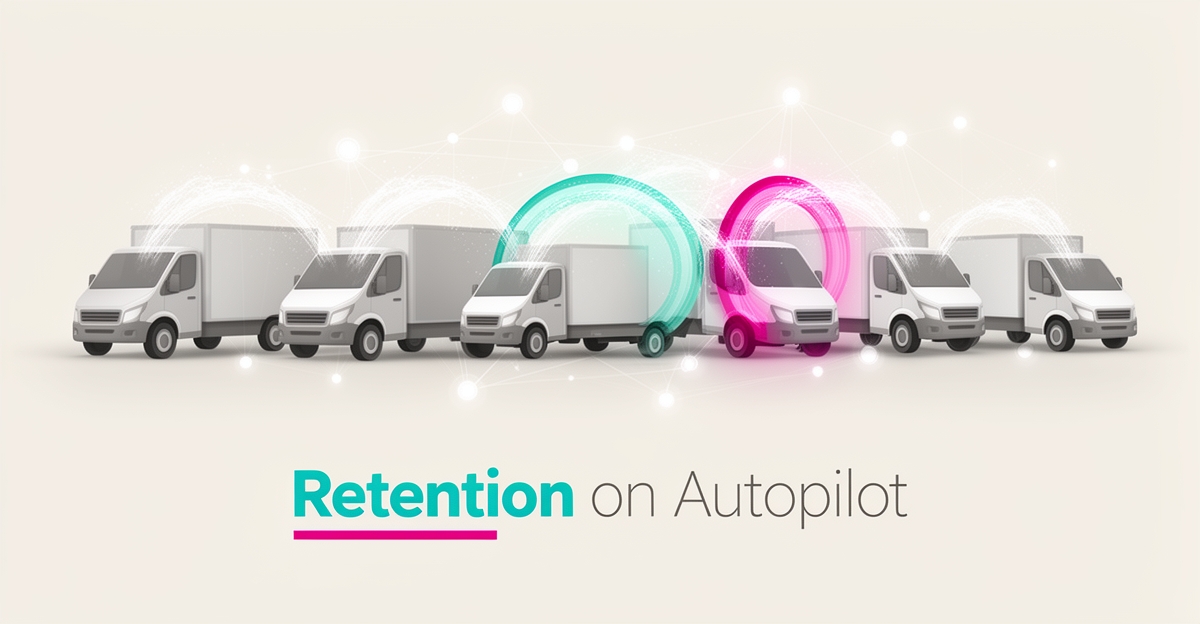
7 Ways AI Can Improve Customer Retention in Mobile Fleet Washing Services
Key Facts
- Acquiring a new customer typically costs 5–7× more than keeping an existing one, according to widely cited industry research
- A 5% lift in retention can grow profits substantially — classic loyalty economics research puts the upside as high as 95% in some industries
- The average business typically loses a meaningful share of its customer base every year, often cited at around one in five
- AI-powered customer success workflows can typically identify at-risk customers weeks earlier than manual methods, by analyzing usage frequency, seasonal dips and engagement signals
- AI systems can operate 24/7 across multiple channels simultaneously, responding instantly to many concurrent conversations
- A full-time customer service representative typically costs $35,000–$55,000 annually — an AI employee handling the same outreach workload typically runs a fraction of that
Hire a team member that works 24/7 — for less than a part-time wage.
AI receptionists, SDRs, dispatchers and 99+ roles. Trained on your business, fully managed.
Not sure where to start? Ask our AI planner
The Hidden Cost of Reactive Customer Service in Fleet Washing
Most fleet washing operators don't lose customers to competitors — they lose them to silence. A client skips one scheduled wash, then another, and by the time anyone notices, the contract isn't renewed.
Industry research consistently shows the average business loses roughly one in five customers every year, and acquiring a new customer typically costs 5–7× more than keeping an existing one. In a recurring B2B model like mobile fleet washing, where revenue compounds across months and years, that math compounds too — quietly eroding margins while teams chase new logos to replace preventable departures.
- Churn rarely announces itself; it hides in skipped appointments and lengthening intervals
- Manual tracking misses patterns across dozens of fleets with different cycles
- Reactive outreach only catches customers who complain — not the ones who simply drift away
- Loyalty incentives arrive too late, if they arrive at all
Traditional retention relies on human memory and calendar reminders, but each customer service representative typically costs $35,000–$55,000 annually and still operates only during business hours. AI-powered customer success workflows, by contrast, can typically flag at-risk accounts weeks earlier than manual methods, analyzing usage frequency, seasonal dips, and engagement signals across the entire portfolio simultaneously.
AIQ Labs builds custom AI systems that turn those silent signals into proactive workflows — flagging accounts when wash intervals stretch, triggering personalized check-ins, and automating milestone rewards before a customer ever considers leaving. The shift from reactive to predictive doesn't just save accounts; it transforms retention from a scramble into a systematic advantage.
How AI Transforms Retention: From Guesswork to Predictive Precision
Mobile fleet washing has always relied on memory and manual follow-ups. AI replaces that guesswork with a system that sees churn coming before the customer does.
AI shifts retention from reactive service recovery to proactive relationship management. By analyzing wash frequency, fleet size, industry seasonality and engagement signals, AI builds a live risk profile for every account. This predictive precision lets operators intervene while retention is still possible.
Three mechanisms drive the shift. Personalization turns raw usage data into relevant outreach. Predictive analytics spots patterns humans miss. Autonomous engagement delivers the right message at the right time without adding headcount.
For fleet washing, personalization means segmenting by fleet type, industry and wash cadence instead of sending generic reminders. AI can analyze washing frequency patterns to predict optimal service timing and tailor follow-ups to a construction fleet versus a logistics fleet. That relevance builds trust and reduces churn.
Predictive analytics is where the time advantage appears. AI systems can typically identify at-risk customers weeks earlier than manual methods, giving operators crucial time to intervene before churn becomes irreversible. Early warning also matters financially because acquiring a new customer typically costs 5–7× more than keeping an existing one.
Autonomous engagement closes the loop. AI systems can operate 24/7 across multiple channels simultaneously, responding instantly to many concurrent conversations. For washers, that means automated check-ins after service, instant rescheduling, and loyalty triggers that fire without manual review.
In practice, AI transforms retention into three repeatable actions:
- Analyze wash frequency and fleet movement to forecast the next ideal service window
- Segment customers by fleet size, industry and vehicle mix for targeted messaging
- Trigger timely, relevant outreach with loyalty incentives before disengagement
A 5% lift in retention can grow profits by up to 95% in classic loyalty research, making these small, data-driven nudges high impact. AIQ Labs helps fleet washers implement this through custom systems that connect CRM, scheduling and billing into one operating layer — see AI Operating Systems.
The result is retention that scales without scaling manual effort.
Practical AI Implementation: 7 Actionable Tactics for Fleet Washers
Mobile fleet washers compete on reliability, not just shine. Retention wins come from spotting the quiet fade before it becomes churn and responding with the right service at the right time.
Integrate machine learning into your customer database to analyze washing frequency, fleet size, industry type and service preferences. This creates a single source of truth that powers personalization, predictive analytics and autonomous engagement. AIQ Labs approaches this by building custom-owned systems that connect CRM, scheduling and billing without vendor lock-in — rebuilt in phases around the one workflow that costs you the most (AI Workflow Builds).
Usage-pattern forecasting turns historical wash data into next-service predictions. AI analyzes when each fleet typically books, seasonal demand shifts and weather impacts to recommend optimal intervals. Proactive outreach based on predicted need reduces gaps in service and keeps fleets from drifting to competitors. Since acquiring a new customer typically costs 5–7× more than keeping an existing one, prevention is far more profitable than replacement.
Automated loyalty triggers reward behavior without manual tracking. The system can flag milestones such as 10 washes in a quarter, referral of a new depot or off-peak bookings, then automatically issue discounts, priority scheduling or free add-ons. With research suggesting a 5% retention lift can grow profits by up to 95%, that's a leverage point fleet washers can capture with data-driven incentives.
24/7 support and churn alerts protect the relationship between visits. Managed AI employees handle routine inquiries with instant responses regardless of time or volume, while predictive analytics flag at-risk accounts early. AI-powered teams can typically identify at-risk customers weeks earlier than traditional methods, giving crews time to intervene before churn becomes irreversible (AI Employees).
Personalized follow-ups and sentiment monitoring close the loop. Automated sequences deliver service reminders tailored to fleet composition, while sentiment analysis scans reviews, emails and chat logs for frustration signals — turning scattered feedback into an early-warning system across the whole book of business.
Practical tactics fleet washers can implement now include:
- ML integration with existing customer data to baseline behavior and preferences
- Predictive scheduling alerts that prompt outreach before predicted churn risk materializes
- Automated loyalty rewards triggered by usage milestones and referral actions
- 24/7 AI employee support for scheduling changes and service questions
- Sentiment monitoring on reviews and support interactions for early intervention
These steps shift retention from reactive service recovery to proactive relationship management, predicting service needs and reinforcing loyalty with timely, personalized actions.
Still paying for 10+ subscriptions that don’t talk to each other?
We build custom AI systems you own outright. No vendor lock-in. Full control.
Not sure where to start? Ask our AI planner
Frequently Asked Questions
How can AI actually stop fleet washing customers from quietly drifting away?
Is AI really cheaper than hiring more customer service reps for retention?
What’s the financial impact of losing customers in fleet washing?
Can AI personalize follow-ups for different fleet types?
How much profit can a small retention lift create?
Is AI support available when my team is offline?
From Silent Churn to Systematic Retention
Mobile fleet washing operators don't lose customers to competitors — they lose them to silence. A skipped wash becomes a pattern, and by the time anyone notices, the contract isn't renewed. AI changes that math by turning quiet signals into proactive workflows: forecasting the next ideal service window, segmenting by fleet type and industry, and triggering loyalty incentives before disengagement takes root. AIQ Labs helps fleet washers implement this shift through custom AI systems that connect CRM, scheduling, and billing — owned outright, not rented — and managed AI employees that handle outreach, rescheduling, and support around the clock. The move from reactive to predictive doesn't just save accounts; it makes retention a systematic advantage that scales without adding headcount. Ready to see where AI fits your operation? Start the two-minute Fit Check at https://aiqlabs.ai/apply and book a free 30-minute strategy call to map your highest-ROI automation opportunities.
Make AI your competitive advantage — not just another tool.
Strategy, implementation and ongoing optimization. One partner, end to end.
Not sure where to start? Ask our AI planner