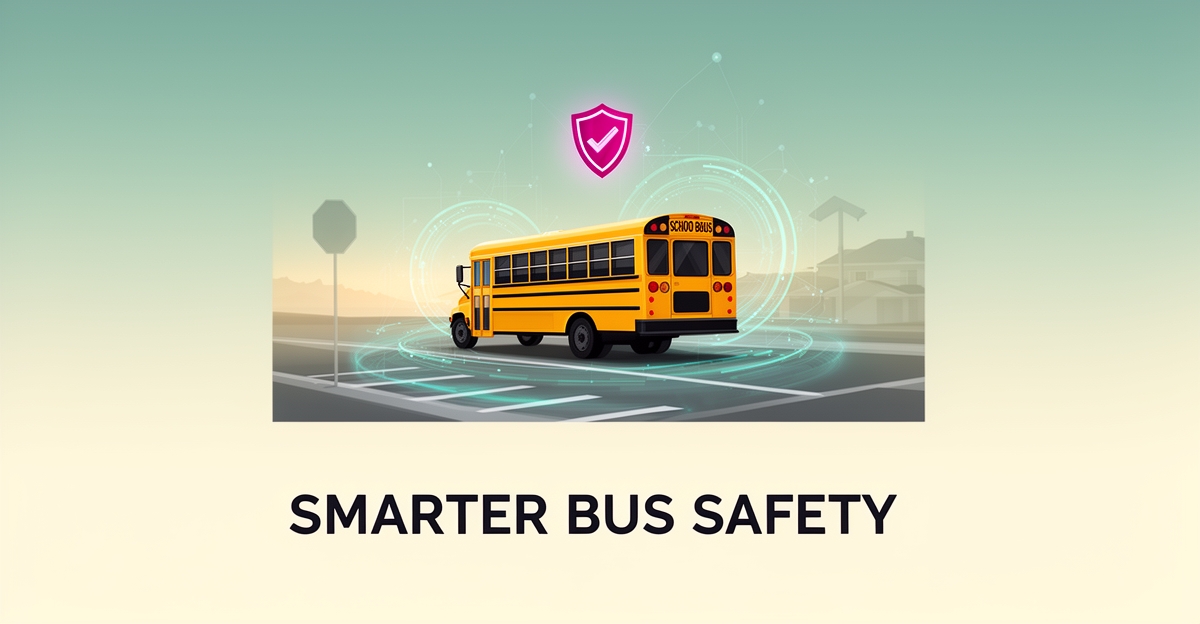
7 Ways AI Can Improve School Bus Safety and Compliance
Key Facts
- School-bus-related crashes killed 104 people in 2022 and 128 in 2023, according to national safety data
- An estimated 12,500 children are injured in school bus-related crashes each year, according to industry reports
- 64% of parents said bus systems need technical upgrades, according to survey findings
- 41% of parents cited bullying or fighting on the bus as a significant concern, according to survey findings
- A national survey recorded 66,322 drivers illegally passing stopped school buses in a single observation period, according to national survey data
- That observation extrapolates to roughly 45 million illegal passings annually, according to national survey data
- Industry data suggests a large majority of school bus zone fatalities involve stop-arm violations, according to industry sources
Hire a team member that works 24/7 — for less than a part-time wage.
AI receptionists, SDRs, dispatchers and 99+ roles. Trained on your business, fully managed.
Not sure where to start? Ask our AI planner
The Rising Safety and Compliance Pressure on School Transportation
Every school day in America, roughly 500,000 school buses carry some 25 million students—and despite decades of safety campaigns, the system is under more strain than ever. According to national safety data, school-bus-related crashes killed 104 people in 2022 and 128 in 2023, while an estimated 12,500 children are injured in school bus-related crashes each year.
The most alarming threat isn't always on the bus—it's around it. A national survey recorded 66,322 drivers illegally passing stopped school buses in a single observation period during the 2023–2024 school year, which extrapolates to roughly 45 million illegal passings annually. The National Association of State Directors of Pupil Transportation Services has called this an epidemic, and industry data suggests a large majority of school bus zone fatalities involve stop-arm violations.
Parents are noticing the gaps. In survey findings, 64% of parents said bus systems need technical upgrades, and 41% cited bullying or fighting on the bus as a significant concern. Traditional reactive measures—cameras reviewed after incidents, paper logs, manual reporting—simply can't keep pace with these expectations.
The operational pressure compounds the safety challenge. Districts face converging forces that make the status quo unsustainable:
- DOT and state compliance mandates demand rigorous documentation of driver hours, vehicle inspections, and incident reporting—yet fleet surveys indicate that a meaningful share of operations spend 16 or more hours per week on manual data entry alone.
- Chronic driver shortages force districts to run leaner fleets with less experienced drivers, increasing both risk exposure and the need for real-time oversight.
- Escalating liability exposure means every undocumented incident, missed inspection, or unproven stop-arm violation becomes a potential lawsuit or failed audit.
This is precisely why forward-thinking districts are shifting from reactive to proactive safety management. AI-powered systems that automate safety logging, monitor driver behavior in real time, and generate audit-ready compliance documentation are no longer experimental—they're becoming operational necessities. AIQ Labs builds industry-specific AI systems designed to align with DOT and state regulations, helping transportation operations reduce risk while modernizing the workflows that regulators, insurers, and parents increasingly demand.
The question for transportation directors is no longer whether to modernize, but how quickly they can close the gap between rising expectations and outdated tools.
How AI Shifts School Bus Safety From Reactive to Proactive Prevention
For decades, school bus safety operated on a reactive model: investigate the crash, review the footage, discipline the driver. Today, artificial intelligence is flipping that paradigm, giving transportation directors the ability to intervene before an incident occurs. With roughly 500,000 buses moving 25 million students daily, the margin for error is razor-thin, and the stakes are measured in lives.
AI-powered driver monitoring systems (DMS) now continuously track fatigue, distraction, seatbelt use, and harsh maneuvers, turning subjective complaints into objective coaching data. According to EdgeTensor's safety data, fleets deploying this kind of proactive detection have reported major reductions in safety incidents. Exterior AI cameras, meanwhile, are designed to capture stop-arm violations automatically—a critical capability when national surveys record tens of millions of illegal passings annually.
Collision avoidance adds another preventive layer. Pilot programs have shown meaningfully fewer side-impact incidents and near-misses with AI-enabled side detection, while forward-facing ADAS has been associated with fewer front-to-rear crashes for large vehicles. Inside the cabin, behavioral analytics flag bullying, fights, or medical emergencies in real time, alerting administrators instantly rather than days later.
- Real-time fatigue and distraction alerts for drivers
- Automated stop-arm violation evidence for prosecution
- Predictive maintenance flags before breakdowns strand students
- Geofencing alerts when buses deviate from approved routes
- Silent panic buttons with live GPS and video to dispatch
The compliance dividend is equally significant. AI systems auto-generate the detailed logs, video evidence chains, and inspection records that DOT and state auditors demand—recovering the many hours per week some fleets still spend on manual entry. For AIQ Labs, which builds regulated-industry AI that aligns with DOT frameworks, this documentation layer is where safety ROI meets legal defensibility. The result: fewer incidents, faster emergency response, and an audit trail that protects the district as rigorously as the technology protects the children.
Building Compliant AI Systems That Districts Can Own and Scale
School districts face mounting pressure to enhance bus safety while navigating complex DOT and state regulations. AIQ Labs builds industry-specific AI systems that align with transportation compliance requirements, reducing audit risk and subscription dependency through true ownership models.
Our approach begins with assessing existing safety infrastructure to identify gaps in stop-arm violation detection, driver monitoring, and route compliance. We then develop custom AI systems that integrate with current fleet management platforms via secure APIs, ensuring seamless data flow without disrupting operations. These production-ready solutions include real-time monitoring for illegal passings—addressing the tens of millions of annual violations recorded nationwide—and interior behavior analysis to detect bullying or medical emergencies, which 41% of parents cite as significant concerns.
The systems generate automated compliance documentation that supports legal and audit requirements, eliminating the manual entry burden that consumes 16 or more hours weekly for a meaningful share of fleets. By embedding DOT-aligned governance frameworks, districts gain audit trails for stop-arm camera effectiveness—districts implementing these systems commonly report substantial violation reductions in the first year—and driver performance analytics for proactive coaching. This shifts safety programs from reactive discipline to data-driven prevention while maintaining full system ownership.
Unlike point solutions that create vendor lock-in, AIQ Labs delivers unified AI systems districts control outright. Our development process includes compliance verification during integration, security implementation for FERPA-aligned data protection, and training customized to transportation staff roles. As districts scale, the owned infrastructure adapts to evolving regulations without recurring subscription fees or dependency on external platforms.
This implementation strategy transforms safety monitoring into a sustainable, compliant capability that reduces liability exposure while ensuring student protection. Districts retain complete control over customization, future development, and data sovereignty—turning AI investment into a long-term operational advantage rather than a recurring cost center. For transportation teams seeking to modernize safety protocols within regulatory frameworks, owned AI systems provide the foundation for scalable, audit-ready compliance. Start with the 2-minute Fit Check, then schedule a free 30-minute strategy call to assess your district's specific safety infrastructure and compliance needs.
From Pilot to Fleet-Wide Deployment: A Practical Roadmap
The gap between a successful pilot and a fleet-wide rollout is where most AI safety initiatives stall, but the right roadmap turns a promising experiment into a district-wide standard. With many districts reporting substantially fewer stop-arm violations within the first year, the pressure to scale quickly is real.
Start by auditing your current infrastructure. Identify gaps in camera coverage, GPS tracking, and manual logging processes. According to fleet industry data, a meaningful share of fleets still spend 16 or more hours weekly on manual data entry, time that AI automation recovers immediately. This assessment reveals which routes need priority attention.
Focus initial deployment on high-risk corridors. Routes with documented stop-arm violations or heavy traffic patterns deliver the fastest ROI and build stakeholder confidence. A phased approach lets you validate technology performance before committing district-wide resources.
Funding often determines whether pilots expand or die. Explore federal and state grants specifically targeting school bus safety, including COPS SVPP and DOE programs. These funding streams can cover hardware costs while you build the operational case for ongoing investment.
Driver acceptance makes or breaks implementation. Prosper Independent School District succeeded by combining classroom instruction with hands-on practice, giving drivers time to familiarize themselves with tablets and AI routing tools. Basic orientation typically requires less than an hour, with full proficiency developing within a week of regular use.
Data privacy cannot be an afterthought. Ensure your AI systems meet FERPA requirements with encrypted storage and strict access controls. IT departments increasingly demand enterprise-level security for student data, particularly video footage.
Technical integration determines long-term viability. Choose platforms with open APIs that connect to your existing fleet management software. This prevents data silos and ensures safety analytics flow into your broader operational dashboards.
For smaller districts, payment structure matters as much as technical capability. AIQ Labs offers flexible engagement models that align with municipal budget cycles. The Start Monthly model provides flat-rate pricing with build, training, and monitoring included, while Build in Milestones lets you approve and pay for each phase as it ships, keeping everything built if you pause. Districts ready for a full connected layer can move to an AI Operating System built in phases and owned outright.
Finally, establish continuous monitoring through AI analytics dashboards. These systems track incident trends, driver performance, and compliance metrics automatically, creating the documentation trail needed for DOT audits and insurance reviews. With some platforms reporting major reductions in safety incidents, the data quickly justifies expansion.
- Audit existing infrastructure and identify high-risk routes
- Secure targeted grants like COPS SVPP for initial funding
- Train drivers using combined classroom and hands-on methods
- Verify FERPA-compliant encryption and data governance
- Integrate via APIs and monitor performance analytics
Scaling from pilot to fleet-wide requires strategic patience and phased investment. The districts that succeed treat AI deployment as an operational transformation, not just a technology purchase.
Still paying for 10+ subscriptions that don’t talk to each other?
We build custom AI systems you own outright. No vendor lock-in. Full control.
Not sure where to start? Ask our AI planner
Frequently Asked Questions
How does AI actually prevent school bus accidents instead of just recording them?
Can AI cameras really catch drivers who illegally pass stopped school buses?
Will AI monitoring help with bullying and fights on the bus?
How does AI help with DOT compliance and audit preparation?
Do school bus drivers actually accept AI monitoring, or does it create resistance?
What should districts look for when implementing AI bus safety systems?
Where Safety Meets Strategy: Building Smarter School Transportation
The evidence is clear: AI is no longer a futuristic add-on but a practical necessity for school districts grappling with rising safety threats, compliance demands, and operational strain. From substantial first-year reductions in illegal stop-arm passings to recovering 16 or more weekly hours of manual data entry for struggling fleets, AI-powered systems deliver measurable improvements in student protection, driver accountability, and audit readiness. These technologies shift safety from reactive incident review to proactive prevention—detecting fatigue, bullying, and route deviations in real time while generating the documentation districts need to satisfy DOT and state regulators. For transportation leaders ready to modernize without sacrificing control or compliance, the path forward begins with a clear assessment of current gaps and a phased plan aligned with both safety goals and budget realities. To explore how owned, regulation-aligned AI systems can transform your district's safety operations into a scalable, defensible advantage, start with the 2-minute Fit Check and then schedule a free 30-minute strategy call to see where AI can deliver the fastest, safest impact for your fleet.
Make AI your competitive advantage — not just another tool.
Strategy, implementation and ongoing optimization. One partner, end to end.
Not sure where to start? Ask our AI planner