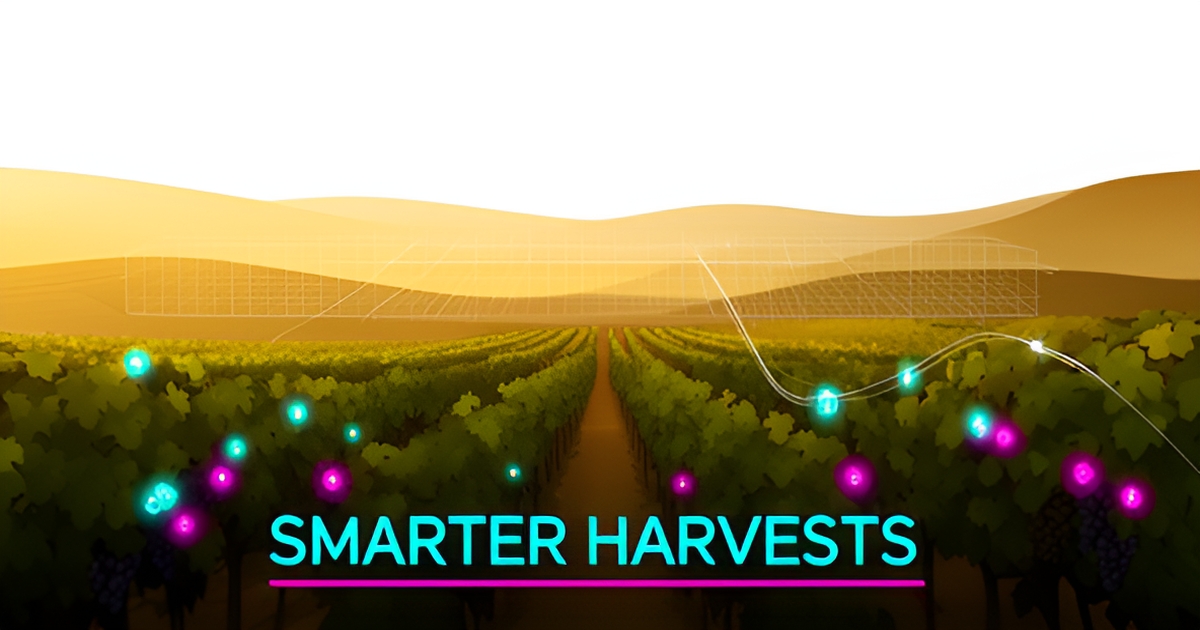
7 Ways AI Can Improve Vineyard Yield and Grape Quality
Key Facts
- AI-driven precision irrigation can meaningfully reduce water use while maintaining the vine stress levels that concentrate flavor
- Predictive pest detection flags pressure zones before visible damage appears using regional outbreak histories
- Microclimate forecasting resolves frost and heat pockets at fine block-level resolution using AI analysis
- Canopy management algorithms analyze NDVI trends to guide shoot thinning and leaf removal timing
- Harvest timing optimization tracks brix, pH, and phenolic maturity curves against target wine styles
- Soil health analysis identifies within-vineyard variability that often drives significant yield differences between blocks
- Disease prevention models integrate spore trapping, humidity duration, and varietal susceptibility scores
Hire a team member that works 24/7 — for less than a part-time wage.
AI receptionists, SDRs, dispatchers and 99+ roles. Trained on your business, fully managed.
Not sure where to start? Ask our AI planner
The Hidden Challenges Limiting Vineyard Performance
Vineyard managers often walk their rows with a false sense of security, believing that visual inspections and scheduled irrigation cycles tell the whole story. Beneath the surface, however, invisible variables quietly erode both yield and grape quality long before harvest arrives.
Soil conditions vary dramatically across even small vineyard blocks, creating microclimates that traditional sampling methods miss entirely. Without granular data, vintners apply uniform treatments to heterogeneous terrain, wasting resources on some vines while starving others. This inconsistency directly impacts sugar development and phenolic ripeness, yet remains hidden until the fruit reaches the crush pad.
Pest pressure presents another silent threat. By the time leaf discoloration or canopy damage becomes visible to the human eye, infestations have often established deep roots. Reactive spraying protocols then require heavier chemical interventions, increasing costs and potentially affecting wine quality. Operations that rely on manual monitoring face significant blind spots in visibility—a challenge particularly acute in agriculture, where timing determines outcomes.
Irrigation inefficiency compounds these issues. Many operations still rely on calendar-based scheduling or rudimentary soil probes that fail to account for real-time evapotranspiration rates. The result is waterlogged root zones in some areas and drought stress in others—both conditions that reduce berry size and compromise flavor concentration. Climate volatility only intensifies these risks, as unexpected heat spikes or frost events can devastate blocks that appeared healthy days earlier.
These operational gaps create cascading effects throughout the growing season:
- Inconsistent soil moisture leads to uneven veraison and asynchronous ripening across blocks
- Undetected pest outbreaks reduce photosynthetic capacity before visible symptoms appear
- Irrigation waste increases operational costs while failing to optimize berry development
- Climate vulnerability exposes vines to preventable stress during critical phenological stages
Traditional monitoring methods simply cannot process the volume of variables affecting modern vineyards. Human scouts cannot sample every vine daily, and standard weather stations cannot predict microclimate shifts at the block level. Without continuous visibility, vintners make decisions based on outdated snapshots rather than current reality.
AIQ Labs recognizes that these challenges require more than periodic check-ins. The gap between data collection and actionable insight often determines whether a vintage achieves greatness or merely adequacy. When soil moisture, pest pressure, and microclimate conditions remain invisible until damage occurs, even experienced viticulturists operate at a disadvantage.
The financial impact extends beyond immediate crop loss. Suboptimal fruit quality reduces wine value, while inefficient resource allocation inflates production costs. These hidden inefficiencies accumulate season after season, gradually eroding competitive positioning in an increasingly quality-focused market.
How AI Transforms Vineyard Monitoring and Decision-Making
The gap between traditional vineyard monitoring and what's possible today comes down to one thing: continuous, multi-source intelligence that learns from every growing season. AI systems now synthesize satellite imagery, in-field sensors, weather stations, and historical harvest data into a single decision layer that updates in real time—turning reactive scouting into proactive management.
Soil health analysis moves beyond periodic sampling to dynamic mapping. Machine learning models correlate electrical conductivity readings, organic matter levels, and nutrient availability across blocks, identifying the variability that often drives substantial yield differences within the same vineyard. Predictive pest detection uses degree-day models trained on regional outbreak histories, flagging pressure zones before visible damage appears. Precision irrigation applies evapotranspiration data at the row level, cutting water waste while maintaining the optimal vine stress needed for flavor concentration.
- Microclimate forecasting resolves frost pockets and heat pockets at fine, block-level resolution
- Canopy management algorithms analyze NDVI trends to guide shoot thinning and leaf removal timing
- Harvest timing optimization tracks brix, pH, and phenolic maturity curves against target wine styles
- Disease prevention models integrate spore trapping, humidity duration, and varietal susceptibility scores
AIQ Labs builds AI systems that continuously learn and optimize vineyard performance over time, connecting these seven applications into a unified intelligence layer rather than isolated tools. This is the same principle behind our AI Operating Systems: one connected operating layer, built in phases, that you own outright. The result is a feedback loop where each season's outcomes refine the next—soil amendments adjust based on actual uptake, irrigation zones recalibrate from measured stress responses, and harvest predictions tighten with every vintage. This compounding intelligence is what separates static precision agriculture from truly adaptive vineyard management.
Implementing AI in Your Vineyard: From Data to Action
Adopting AI in a vineyard is not about installing a single piece of software and hoping for better harvests. It is about building a system that can observe conditions, learn from your land, and improve decisions over time.
A practical starting point is sensor integration. Soil moisture probes, weather stations, canopy sensors, and irrigation monitors create the raw data foundation AI needs to detect patterns in vine stress, water use, and disease risk. The goal is to connect data from across the vineyard into one operational view instead of leaving it scattered across tools and spreadsheets.
Next comes disciplined data collection. AI systems perform best when they are fed consistent, timestamped, location-specific data tied to blocks, rows, and varietals. That means defining workflows for how field observations, spray records, yield data, and quality metrics are captured and stored. Without clean inputs, even the most advanced model will struggle to produce useful recommendations.
Once the data pipeline is stable, vineyards can begin training models on local conditions. This is where AI moves from generic forecasting to real operational value. Models can learn how your soil profiles respond to rainfall, how certain blocks behave during heat events, and which early signals tend to precede pest pressure or quality decline. That local learning loop is what turns monitoring into prediction.
A phased rollout usually works best:
- Start with one high-value use case, such as irrigation scheduling or disease risk alerts.
- Integrate sensors, weather data, and field records into a unified dashboard.
- Validate recommendations against agronomist or vineyard manager judgment.
- Retrain models each season using new yield, quality, and climate outcomes.
- Expand into additional workflows once the first system proves reliable.
Continuous improvement matters just as much as the initial deployment. AI should be monitored like any other performance-critical system, with feedback loops that compare predictions against actual outcomes in the field. That makes human review, auditability, and clear escalation paths essential—especially as AI adoption accelerates across industries faster than governance practices keep up.
This is also where a structured partner can help. AIQ Labs approaches implementation through discovery, custom development, integration, and ongoing optimization—rebuilding the one workflow that costs you the most on a fixed price, phased basis through our AI Workflow Builds, which aligns well with agricultural operations that need systems built around real workflows rather than generic tools. For vineyard owners, the objective is not just automation. It is continuously learning systems that improve yield decisions, protect grape quality, and get smarter with every season.
Still paying for 10+ subscriptions that don’t talk to each other?
We build custom AI systems you own outright. No vendor lock-in. Full control.
Not sure where to start? Ask our AI planner
Frequently Asked Questions
How much can AI-driven soil analysis actually improve yield consistency across my vineyard blocks?
Can AI really detect pest outbreaks before I see visible damage in the canopy?
What kind of water savings can I expect from switching to AI-based precision irrigation?
Is implementing AI in my vineyard just about buying software, or is there more to it?
How do I know the AI recommendations are reliable and not just a black box?
What's the typical starting point for a vineyard that wants to use AI but has limited existing data infrastructure?
From Hidden Risk to Vintage Confidence
The most valuable vineyards are no longer just those with the best terroir, but those with the clearest visibility. Soil variability, pest pressure, irrigation waste and climate volatility all erode yield and quality long before they are visible in the canopy, and traditional sampling simply cannot keep pace with the speed of change. AI closes that gap by turning satellite imagery, in-field sensors and harvest history into continuous, block-level intelligence that forecasts frost pockets, flags pest pressure before damage appears, and fine-tunes irrigation for optimal vine stress. The result is fewer reactive interventions, more consistent ripening, and compounding learning that improves season after season. For vineyard teams ready to move from snapshots to real-time decisions, a practical start is to unify sensor and field data, pick one high-value workflow like irrigation or disease risk alerts, and validate AI recommendations alongside your viticulturist. If you want a no-obligation map of your biggest bottleneck and the highest-ROI automation opportunities, start the 2-minute Fit Check at https://aiqlabs.ai/apply and book a free 30-minute strategy call, or reach us directly at [email protected].
Make AI your competitive advantage — not just another tool.
Strategy, implementation and ongoing optimization. One partner, end to end.
Not sure where to start? Ask our AI planner